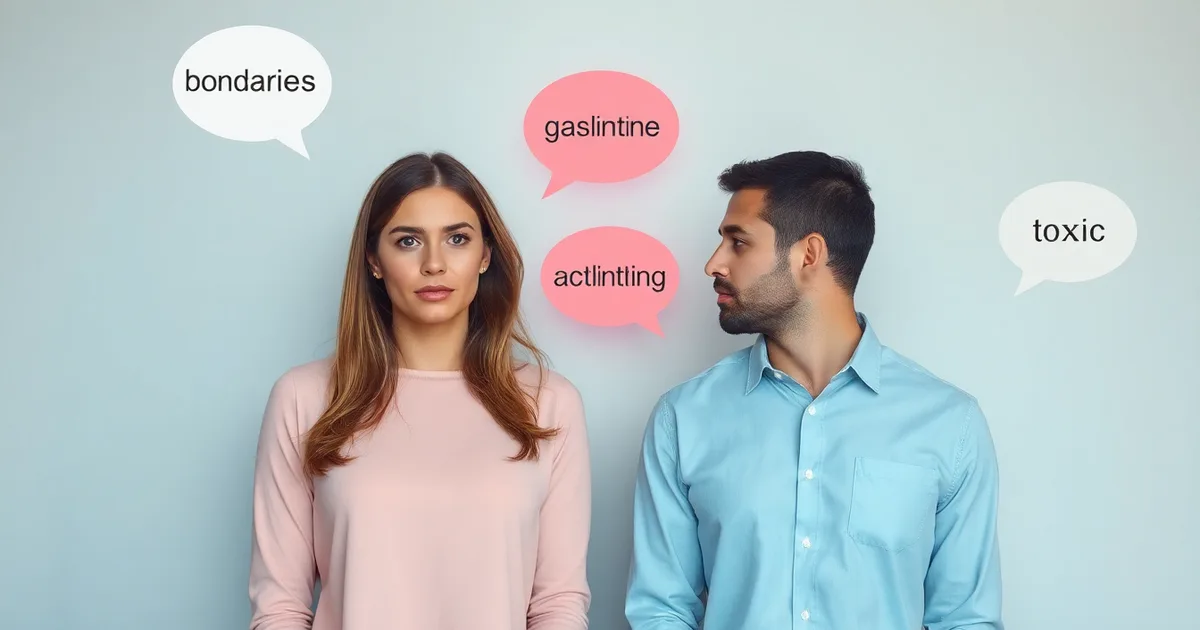
Relationship conflict resolution styles encompass five distinct approaches that couples and individuals use to navigate disagreements: competing, accommodating, avoiding, compromising, and collaborating. Understanding these conflict resolution approaches enables partners to transform destructive arguments into constructive conversations, building stronger emotional connections and more resilient relationships. Research shows that couples who master healthy conflict resolution techniques report 67% higher relationship satisfaction and 43% lower divorce rates compared to those using destructive communication patterns.
What Are the Five Primary Relationship Conflict Resolution Styles?
The Thomas-Kilmann Conflict Mode Instrument identifies five fundamental relationship conflict resolution styles that individuals naturally gravitate toward during disagreements. Each style reflects different levels of assertiveness and cooperativeness, creating unique outcomes for relationship dynamics.
These five approaches form a comprehensive framework for understanding how people handle relationship tensions:
- Competing: High assertiveness, low cooperation - focusing on winning the argument
- Accommodating: Low assertiveness, high cooperation - prioritizing partner's needs over own
- Avoiding: Low assertiveness, low cooperation - withdrawing from conflict entirely
- Compromising: Moderate assertiveness and cooperation - seeking middle ground solutions
- Collaborating: High assertiveness, high cooperation - working together for win-win outcomes
Research from the Gottman Institute reveals that couples who understand and consciously choose their conflict resolution approach experience 58% fewer recurring arguments and demonstrate significantly improved emotional intimacy.
How Does the Competing Conflict Resolution Style Impact Relationships?
The competing style emerges when one partner prioritizes winning over understanding, often escalating minor disagreements into major battles. This approach involves high assertiveness combined with low cooperativeness, creating a dynamic where one person's needs dominate the conversation.
Characteristics of competing conflict resolution include:
- Aggressive communication patterns and interrupting behaviors
- Focus on being "right" rather than finding solutions
- Dismissing partner's feelings or perspectives
- Using ultimatums or threats to end discussions
- Escalating voice volume or emotional intensity
While competing can be effective in emergency situations requiring quick decisions, chronic use damages relationship trust and emotional safety. Partners subjected to competing styles often develop defensive responses or withdraw completely, similar to patterns seen in stonewalling behavior.
Studies indicate that relationships dominated by competing conflict styles show 73% higher stress hormone levels during arguments and 45% decreased relationship satisfaction over time.
What Makes Accommodating Conflict Resolution Both Helpful and Harmful?
Accommodating involves consistently prioritizing your partner's needs and preferences over your own, often sacrificing personal boundaries to maintain peace. This relationship conflict resolution style demonstrates high cooperation but low assertiveness, creating an imbalanced dynamic.
The accommodating approach manifests through several recognizable patterns:
- Automatic agreement: Saying "yes" without considering personal needs or desires
- Emotional suppression: Hiding true feelings to avoid disappointing the partner
- Decision deferral: Consistently letting the partner make all choices
- Conflict avoidance: Agreeing quickly to prevent further discussion
- Self-sacrifice mentality: Believing partner's happiness is more important than own
While occasional accommodating demonstrates flexibility and care, chronic accommodating can lead to resentment buildup and loss of personal identity. This pattern often contributes to codependent relationship dynamics where one partner loses their sense of self.
Research shows that excessive accommodating correlates with increased anxiety levels and decreased self-esteem, ultimately harming both partners' wellbeing and relationship satisfaction.
Why Do People Choose Avoiding as a Conflict Resolution Strategy?
Avoiding represents the withdrawal approach to conflict, characterized by low assertiveness and low cooperation. Partners using this style typically postpone, ignore, or completely sidestep disagreements rather than addressing underlying issues directly.
Common avoiding behaviors include:
- Changing the subject when conflicts arise
- Physical withdrawal from uncomfortable conversations
- Using distractions like work, hobbies, or technology
- Postponing discussions indefinitely
- Minimizing the importance of relationship issues
While avoiding can provide temporary relief and cooling-off periods, chronic avoidance prevents resolution and allows problems to compound. Unaddressed conflicts often resurface with increased intensity, creating larger relationship rifts over time.
Neurological studies reveal that avoiding triggers the brain's freeze response, activating stress hormones that impact both physical and emotional health. Partners may experience chronic anxiety when important relationship issues remain unresolved.
How Can Compromising Create Win-Win Solutions in Relationships?
Compromising involves moderate levels of both assertiveness and cooperation, where partners seek mutually acceptable solutions through give-and-take negotiations. This relationship conflict resolution style aims for fairness rather than perfection, helping couples find middle ground during disagreements.
Effective compromising requires specific communication skills and mindsets:
| Compromising Element | Description | Example |
|---|---|---|
| Flexible thinking | Willingness to adjust initial positions | "Maybe we could try your idea for a month, then evaluate" |
| Creative problem-solving | Generating multiple solution options | "What if we alternate who chooses weekend activities?" |
| Fair exchange | Balancing sacrifices between partners | "I'll handle dinner cleanup if you manage morning routines" |
| Time boundaries | Setting limits on decision-making | "Let's revisit this arrangement in three months" |
Research indicates that couples who regularly use compromising report 52% higher relationship satisfaction and develop stronger problem-solving skills over time. However, compromising shouldn't become the default for every conflict, especially when core values or safety issues are involved.
What Makes Collaborating the Most Effective Conflict Resolution Approach?
Collaborating combines high assertiveness with high cooperation, creating space for both partners to express needs fully while working together toward innovative solutions. This approach treats conflict as a shared problem requiring joint creativity and commitment.
Key components of collaborative conflict resolution include:
- Active listening: Fully understanding partner's perspective before responding
- Emotional validation: Acknowledging feelings without judgment or dismissal
- Curiosity cultivation: Asking questions to understand underlying needs and concerns
- Creative brainstorming: Generating multiple solutions without immediate evaluation
- Shared commitment: Working together to implement chosen solutions
Collaborative approaches require more time and emotional energy than other styles, but produce the most satisfying long-term outcomes. Partners report feeling heard, respected, and valued when collaboration guides their conflict resolution process.
Studies show that couples using collaborative techniques experience 71% fewer recurring conflicts and demonstrate significantly improved emotional intimacy and trust levels.
How Do Different Attachment Styles Influence Conflict Resolution Preferences?
Individual attachment styles significantly impact which relationship conflict resolution styles people naturally choose during disagreements. Understanding these connections helps partners recognize their default patterns and develop more effective communication strategies.
Attachment style and conflict resolution correlations:
- Secure attachment: Comfortable with collaborating and compromising approaches
- Anxious attachment: Often defaults to accommodating or competing styles
- Avoidant attachment: Strongly prefers avoiding or competing approaches
- Disorganized attachment: Inconsistent patterns, switching between multiple styles unpredictably
Individuals with secure attachment styles demonstrate greater flexibility in choosing appropriate conflict resolution approaches based on specific situations. They're more likely to pause, assess the conflict context, and select the most effective strategy.
Those struggling with anxious attachment patterns often fear abandonment during conflicts, leading to either excessive accommodating or desperate competing behaviors to maintain connection.
What Role Does Emotional Intelligence Play in Conflict Resolution Success?
Emotional intelligence significantly determines how effectively partners navigate disagreements and choose appropriate conflict resolution approaches. High emotional intelligence enables individuals to recognize their emotional triggers, manage reactive responses, and respond thoughtfully during heated discussions.
Emotional intelligence components affecting conflict resolution:
- Self-awareness: Recognizing personal emotional states and triggers
- Self-regulation: Managing emotional responses before speaking or acting
- Empathy: Understanding and validating partner's emotional experience
- Social skills: Communicating effectively during challenging conversations
- Motivation: Maintaining commitment to relationship growth and repair
Partners with developed emotional intelligence can shift between different conflict resolution styles as situations require, rather than defaulting to familiar but ineffective patterns. They recognize when to be assertive, when to listen, and when to seek creative solutions together.
Research demonstrates that couples with higher emotional intelligence scores resolve conflicts 64% faster and report greater relationship satisfaction and stability over time.
How Can Cultural Background Affect Conflict Resolution Style Preferences?
Cultural influences shape individual and collective approaches to handling disagreements, with different societies emphasizing various aspects of assertiveness, cooperation, and communication directness. Understanding cultural context helps partners appreciate diverse conflict resolution perspectives and develop culturally sensitive approaches.
Cultural variations in conflict resolution include:
- Individualistic cultures: Often emphasize direct communication and assertive problem-solving
- Collectivistic cultures: May prioritize harmony maintenance and accommodating approaches
- High-context cultures: Rely on indirect communication and subtle conflict resolution methods
- Low-context cultures: Prefer explicit communication and direct confrontation of issues
- Hierarchical cultures: May defer to authority figures or age-based decision-making
Cross-cultural relationships require extra sensitivity and flexibility in choosing appropriate conflict resolution styles. Partners must navigate different cultural expectations while developing mutually acceptable communication patterns.
Understanding cultural differences prevents misinterpretation of conflict behaviors and helps partners avoid assuming negative intent when different approaches emerge during disagreements.
What Are the Most Effective Practical Steps for Implementing Healthy Conflict Resolution?
Transforming relationship conflicts from destructive patterns into growth opportunities requires intentional practice and specific behavioral changes. The following evidence-based steps help couples develop more effective conflict resolution skills:
- Create a conflict resolution agreement: Establish ground rules for how disagreements will be handled, including no name-calling, taking breaks when emotions escalate, and focusing on specific behaviors rather than character attacks
- Practice the "pause" technique: When tensions rise, take a 20-minute cooling-off period to allow stress hormones to decrease before continuing the conversation
- Use "I" statements instead of "you" accusations: Express feelings and needs without blaming language, such as "I feel unheard when conversations get interrupted" rather than "You never listen to me"
- Implement active listening protocols: Repeat back what you heard before responding, ask clarifying questions, and validate emotions even when disagreeing with positions
- Focus on one issue at a time: Avoid bringing up past grievances or multiple problems simultaneously, which overwhelms productive problem-solving capacity
- Seek to understand underlying needs: Look beyond surface-level positions to discover the deeper emotional or practical needs driving each person's perspective
- Generate multiple solution options: Brainstorm creative alternatives before evaluating or choosing final approaches, encouraging innovative thinking
- Establish follow-up check-ins: Schedule regular conversations to assess how implemented solutions are working and make adjustments as needed
These practical steps work best when both partners commit to consistent implementation, recognizing that developing new relationship conflict resolution styles requires time, patience, and ongoing practice.
How Do Toxic Relationship Patterns Interfere with Healthy Conflict Resolution?
Certain relationship dynamics create barriers to effective conflict resolution, preventing partners from engaging in productive problem-solving conversations. Recognizing these patterns enables couples to address underlying issues that sabotage healthy communication.
Common toxic patterns that disrupt conflict resolution:
- Gaslighting behaviors: Manipulating partner's reality perception during disagreements
- Stonewalling responses: Completely shutting down emotionally during conflicts
- Breadcrumbing tactics: Providing minimal engagement while avoiding real resolution
- Future faking promises: Making unrealistic commitments to end arguments without follow-through
- Trauma dumping episodes: Overwhelming partner with excessive emotional content
Partners experiencing these patterns may need to address underlying trauma, attachment wounds, or learned dysfunctional behaviors before developing healthy conflict resolution skills. Recovery from gaslighting or other manipulative behaviors often requires professional support and individual healing work.
Breaking toxic cycles enables couples to access their natural capacity for collaboration, empathy, and creative problem-solving during disagreements.
What Professional Resources Support Couples in Developing Better Conflict Resolution Skills?
Many couples benefit from professional guidance when learning to transform destructive conflict patterns into healthy communication practices. Various therapeutic approaches and educational resources specifically address relationship conflict resolution development.
Professional support options include:
| Resource Type | Focus Area | Best For |
|---|---|---|
| Gottman Method Therapy | Evidence-based communication skills | Couples wanting research-backed approaches |
| Emotionally Focused Therapy | Attachment-based conflict resolution | Partners with deep emotional disconnection |
| Imago Relationship Therapy | Understanding partner's perspective deeply | Couples struggling with empathy and validation |
| Conflict Resolution Workshops | Practical skill-building exercises | Partners preferring group learning environments |
Individual therapy may also benefit partners dealing with trauma histories, attachment wounds, or mental health challenges that impact their ability to engage in healthy conflict resolution. Trauma-informed approaches help individuals heal past wounds that interfere with present relationship dynamics.
Online resources, books, and relationship education programs provide additional support for couples committed to improving their conflict resolution capabilities and overall relationship satisfaction.
Practical Implementation Tips for Mastering Relationship Conflict Resolution
Successfully implementing healthier relationship conflict resolution styles requires consistent practice and intentional behavior changes. The following actionable strategies help couples transition from destructive arguing to constructive problem-solving:
- Schedule regular relationship check-ins: Weekly 20-minute conversations about relationship satisfaction prevent issues from building up and exploding later
- Create a "conflict vocabulary" together: Develop shared language for expressing emotions, needs, and boundaries that both partners understand and respect
- Practice conflict resolution during calm moments: Role-play difficult conversations when emotions are low to build skills before real conflicts arise
- Establish physical and emotional safety agreements: Commit to never using threats, insults, or physical intimidation during disagreements
- Use technology mindfully during conflicts: Put devices away during important conversations to maintain full attention and presence
- Develop personal emotion regulation techniques: Practice deep breathing, mindfulness, or brief meditation to manage intense feelings during conflicts
- Create repair rituals: Establish consistent ways to reconnect and restore emotional intimacy after difficult conversations
- Celebrate conflict resolution successes: Acknowledge when conflicts are handled well to reinforce positive patterns and build confidence
Conflict Resolution Style Comparison: Choosing the Right Approach
Understanding when to use different conflict resolution approaches enables couples to match their strategy with specific conflict types and circumstances. Each style serves particular purposes and produces different outcomes:
| Resolution Style | Best Used When | Potential Benefits | Potential Drawbacks |
|---|---|---|---|
| Competing | Emergency decisions or safety concerns | Quick resolution, clear boundaries | Damages trust, creates resentment |
| Accommodating | Issue matters more to partner than you | Shows care, maintains harmony | Builds resentment, loses personal voice |
| Avoiding | Cooling-off periods or trivial matters | Prevents escalation, allows reflection | Problems remain unresolved, creates distance |
| Compromising | Time constraints or equal importance issues | Fair solutions, shared sacrifice | May not address core needs fully |
| Collaborating | Complex issues affecting both partners | Creative solutions, strengthens bond | Time-intensive, requires high emotional energy |
Flexible couples learn to assess each conflict situation and consciously choose the most appropriate resolution style rather than defaulting to familiar but ineffective patterns. This strategic approach significantly improves both conflict outcomes and overall relationship satisfaction.
Relationship conflict resolution styles provide a comprehensive framework for transforming disagreements into opportunities for deeper understanding and stronger partnership bonds. By understanding the five primary approaches—competing, accommodating, avoiding, compromising, and collaborating—couples can consciously choose strategies that address specific conflict types effectively. The most successful relationships demonstrate flexibility in applying different resolution styles based on circumstances while prioritizing mutual respect, emotional safety, and creative problem-solving. Through consistent practice, professional support when needed, and commitment to growth, partners can develop the communication skills necessary for lasting relationship satisfaction and resilience in 2026 and beyond.