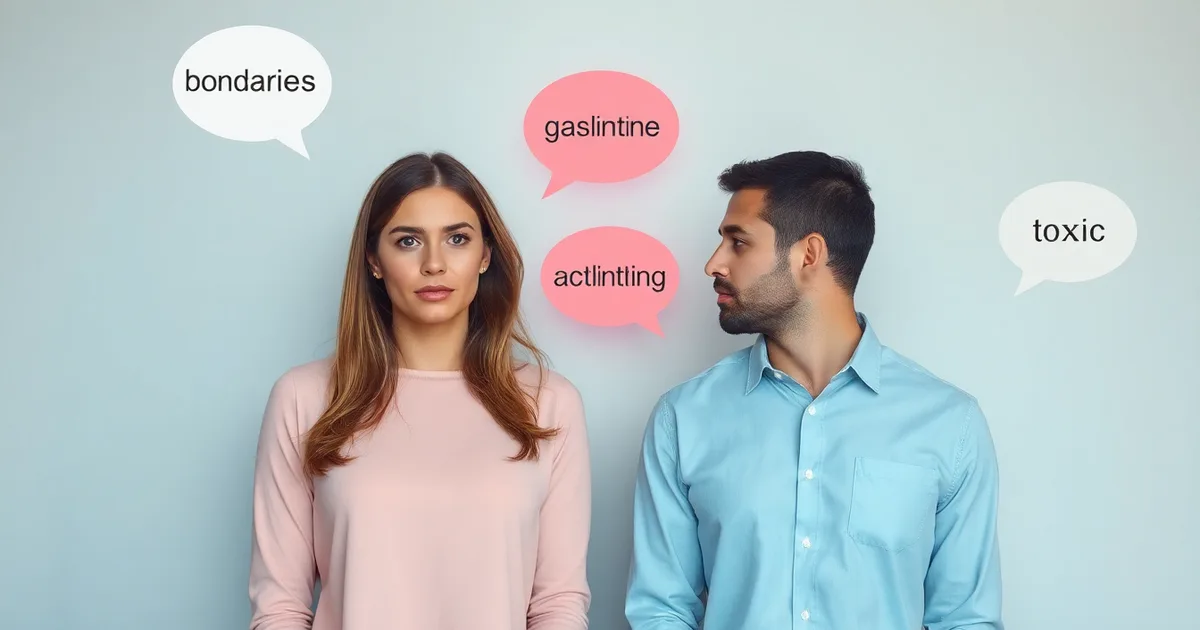
Relationship anxiety attachment style patterns significantly influence how we experience love, trust, and intimacy in romantic partnerships. Research shows that approximately 60% of adults experience relationship anxiety rooted in their early attachment experiences, creating cycles of fear, doubt, and emotional turbulence that can undermine even the strongest connections. Understanding the intricate relationship between attachment styles and relationship anxiety provides the foundation for developing effective, evidence-based coping strategies that promote secure, fulfilling romantic relationships.
What Are Attachment Styles and How Do They Form?
Attachment styles are deeply ingrained patterns of how we connect with others, formed during early childhood through interactions with primary caregivers. Attachment theory, developed by John Bowlby and Mary Ainsworth, identifies four primary attachment styles that continue to influence our adult relationships.
These attachment patterns develop based on the consistency, responsiveness, and emotional availability of early caregivers. Children who receive consistent, nurturing care typically develop secure attachment, while those experiencing inconsistent, neglectful, or harmful caregiving may develop insecure attachment styles.
- Secure attachment (approximately 50-60% of population)
- Anxious-preoccupied attachment (approximately 15-20% of population)
- Dismissive-avoidant attachment (approximately 20-25% of population)
- Disorganized attachment (approximately 5-10% of population)
How Does Anxious Attachment Trigger Relationship Anxiety?
Individuals with anxious attachment styles experience heightened relationship anxiety due to their deep-seated fear of abandonment and rejection. This attachment pattern creates a hypersensitive threat detection system that interprets neutral behaviors as signs of impending relationship loss.
The anxious attachment system activates intense emotional responses when perceived threats to the relationship emerge. These individuals often seek excessive reassurance, monitor their partner's behavior closely, and experience overwhelming anxiety when their partner is unavailable or distant.
Common triggers for anxious attachment include delayed text responses, changes in routine, time spent apart, and any behavior that could be interpreted as rejection. The nervous system responds to these perceived threats as if they were actual emergencies, flooding the body with stress hormones and creating intense emotional distress.
The Anxious Attachment Cycle
- Perceived threat or trigger event occurs
- Anxiety and fear of abandonment intensify
- Protest behaviors emerge (seeking reassurance, clinging)
- Partner may feel overwhelmed and withdraw
- Withdrawal confirms fears and increases anxiety
- Cycle repeats with greater intensity
What Role Does Avoidant Attachment Play in Relationship Anxiety?
While avoidant attachment might seem less anxious on the surface, individuals with this style experience relationship anxiety in different ways. Their anxiety manifests as fear of intimacy, emotional engulfment, and loss of independence rather than fear of abandonment.
Avoidantly attached individuals often develop sophisticated defense mechanisms to protect themselves from vulnerability. They may unconsciously sabotage relationships when they become "too close" or experience anxiety when partners seek deeper emotional connection.
This internal conflict between the natural human need for connection and the learned fear of intimacy creates a unique form of relationship anxiety. Partners of avoidant individuals may develop secondary anxiety responses to the emotional distance and inconsistent availability.
"The paradox of avoidant attachment is that the strategies developed to avoid anxiety often create the very relationship problems they fear most." - Dr. Sue Johnson, Emotionally Focused Therapy founder
How Does Disorganized Attachment Impact Relationship Stability?
Disorganized attachment, also known as fearful-avoidant attachment, creates the most complex relationship anxiety patterns. Individuals with this style simultaneously crave intimacy and fear it, leading to chaotic relationship dynamics and intense internal conflict.
This attachment style often develops from early trauma, neglect, or having caregivers who were both sources of comfort and fear. The resulting internal working model of relationships is fundamentally contradictory, creating ongoing anxiety and unpredictable relationship behaviors.
People with disorganized attachment may cycle between anxious and avoidant behaviors, sometimes within the same interaction. This creates confusion for both partners and often leads to trauma bonding patterns that are difficult to break without professional intervention.
What Are Evidence-Based Strategies for Managing Attachment-Related Anxiety?
Research-backed approaches to managing relationship anxiety focus on developing emotional regulation skills, challenging distorted thought patterns, and gradually building secure relationship behaviors. These strategies require consistent practice and often benefit from professional guidance.
Cognitive-Behavioral Interventions
- Thought challenging: Identifying and questioning catastrophic interpretations
- Behavioral experiments: Testing anxious predictions against reality
- Mindfulness practices: Developing present-moment awareness
- Grounding techniques: Managing overwhelming anxiety symptoms
Attachment-Based Therapeutic Approaches
Emotionally Focused Therapy (EFT) has shown remarkable success in helping couples understand and transform their attachment dynamics. This approach helps individuals recognize their attachment triggers and develop more secure ways of connecting with their partners.
Individual therapy focusing on attachment patterns can help people understand the origins of their relationship anxiety and develop new, healthier relationship templates. Trauma-informed approaches are particularly beneficial for those with disorganized attachment styles.
How Can You Develop More Secure Attachment Patterns?
While attachment styles tend to be stable, research demonstrates that they can change through corrective relationship experiences and intentional personal work. Developing earned security is possible at any age with commitment and appropriate support.
The process of developing security involves challenging old beliefs about relationships, practicing vulnerability in safe contexts, and gradually expanding comfort zones around intimacy and independence. This work often requires patience and self-compassion as deeply ingrained patterns slowly shift.
Daily Practices for Building Security
- Self-reflection: Regular journaling about relationship patterns and triggers
- Emotional regulation: Practicing breathing exercises and mindfulness
- Communication skills: Learning to express needs and boundaries clearly
- Self-soothing: Developing internal resources for managing anxiety
- Reality testing: Checking assumptions before reacting
What Communication Strategies Help Anxious Partners?
Effective communication is crucial for managing relationship anxiety and building security. Partners can learn specific strategies to break negative cycles and create more understanding, supportive interactions.
For anxiously attached individuals, learning to communicate needs without overwhelming their partner requires developing emotional regulation skills and timing awareness. For their partners, understanding the attachment system helps create responses that provide genuine reassurance rather than temporary fixes.
| Instead of This | Try This | Why It Works |
|---|---|---|
| "You never text me back quickly" | "I feel anxious when I don't hear from you. Could we discuss communication expectations?" | Expresses feelings without blame and opens dialogue |
| "Are you mad at me?" (repeatedly) | "I'm feeling insecure right now. Can you help me understand where we stand?" | Takes ownership of feelings and asks for specific support |
| Checking partner's phone/social media | "I'm having trust concerns. Can we talk about what I need to feel secure?" | Addresses root issue rather than symptoms |
| Silent treatment when hurt | "I need some time to process my feelings, then I'd like to talk" | Communicates need for space without punishment |
How Do You Break Anxious-Avoidant Relationship Cycles?
The anxious-avoidant trap is one of the most common and destructive relationship patterns. Breaking this cycle requires both partners to understand their roles and commit to changing their typical responses.
The anxious partner must learn to self-soothe and give space when triggered, while the avoidant partner needs to practice staying present and offering reassurance before withdrawing. This process requires patience, as initial attempts may feel unnatural and uncomfortable.
Professional couples therapy can be invaluable for breaking entrenched patterns, as therapists can help partners recognize cycle triggers and practice new responses in a safe environment. Many couples find that understanding the attachment dynamics removes blame and creates compassion for each other's struggles.
"When couples understand that their conflicts are really protests over disconnection, they can begin to address the real issue: their attachment bond." - Dr. Sue Johnson
Breaking the Cycle: Step-by-Step Process
- Recognition: Identify when the cycle is beginning
- Pause: Take a break before responding automatically
- Self-regulate: Use coping skills to manage intense emotions
- Communicate: Express needs and feelings without blame
- Respond differently: Choose a new behavior instead of the typical pattern
- Repair: Address any disconnection that occurred
What Self-Care Practices Support Relationship Security?
Individual self-care forms the foundation for healthy relationship functioning. People with secure attachment naturally engage in behaviors that maintain their emotional well-being and relationship satisfaction.
For those working to develop more security, establishing consistent self-care practices helps build internal resources for managing relationship challenges. This includes both physical self-care and emotional/psychological practices that strengthen resilience.
Building a life outside the relationship reduces the pressure on romantic partnerships to meet all emotional needs. Developing independence paradoxically improves relationship satisfaction by reducing desperation and increasing genuine choice.
Essential Self-Care Categories
- Physical health: Regular exercise, nutrition, sleep hygiene
- Emotional regulation: Meditation, therapy, journaling
- Social connections: Friendships, family relationships, community involvement
- Personal growth: Learning, hobbies, creative pursuits
- Spiritual practices: Whatever provides meaning and connection to something larger
When Should You Seek Professional Help for Relationship Anxiety?
Professional support becomes crucial when relationship anxiety significantly impacts daily functioning, relationship satisfaction, or overall well-being. Many people benefit from therapy even before reaching crisis points, as prevention is often more effective than intervention.
Signs that professional help would be beneficial include persistent anxiety despite self-help efforts, repeated relationship patterns that cause distress, inability to trust despite evidence of partner's commitment, or recovery from relationship trauma that continues to impact current connections.
Different therapeutic approaches work better for different individuals. Some benefit from individual therapy to address attachment wounds, while others find couples therapy more helpful for working on relationship dynamics. Many find a combination approach most effective.
Therapeutic Approaches for Attachment-Related Issues
- Emotionally Focused Therapy (EFT): Specifically designed for attachment issues
- Cognitive-Behavioral Therapy (CBT): Addresses thought patterns and behaviors
- EMDR: Helpful for trauma-based attachment disruptions
- Internal Family Systems (IFS): Addresses internal conflicts around attachment
- Somatic therapy: Works with the body's stress responses
How Can Partners Support Someone with Attachment Anxiety?
Supporting a partner with attachment-based relationship anxiety requires patience, consistency, and understanding of the attachment system. Partners can learn specific ways to provide reassurance that actually helps rather than enabling anxious behaviors.
Effective support involves validating emotions while encouraging growth, providing consistent reassurance without becoming overwhelmed by constant need for validation, and maintaining healthy boundaries while remaining emotionally available.
Understanding that attachment anxiety isn't a choice or character flaw helps partners respond with compassion rather than frustration. Learning about attachment theory together can create shared understanding and reduce blame in the relationship.
Practical Support Strategies
- Consistent communication: Follow through on promises and maintain predictable contact
- Emotional validation: Acknowledge feelings without trying to "fix" them immediately
- Patience with triggers: Understand that healing takes time and setbacks are normal
- Boundary maintenance: Support growth by not enabling unhealthy behaviors
- Professional support: Encourage and support therapy when needed
What Long-Term Outcomes Can You Expect from Addressing Attachment Issues?
Individuals who actively work on their attachment patterns typically experience significant improvements in relationship satisfaction, emotional regulation, and overall life satisfaction. Research shows that earned security is possible and leads to outcomes similar to those with naturally secure attachment.
The process of healing attachment wounds often takes months to years, depending on the severity of early experiences and commitment to growth. However, even small improvements in security can dramatically impact relationship quality and personal well-being.
Long-term benefits include reduced relationship anxiety, improved communication skills, better emotional regulation, increased capacity for intimacy, and more satisfying relationships overall. Many people also report improved relationships with friends, family members, and colleagues as they develop more secure relating patterns.
"Healing attachment wounds isn't just about fixing relationships—it's about becoming the person you were meant to be before fear taught you to protect yourself from love."
Expected Timeline for Attachment Healing
- Months 1-3: Increased awareness of patterns and triggers
- Months 3-6: Beginning to interrupt automatic responses
- Months 6-12: New behaviors becoming more natural
- Year 1-2: Significant improvements in relationship satisfaction
- Ongoing: Continued growth and refinement of secure behaviors
Key Takeaways for Managing Relationship Anxiety Through Attachment Understanding
Successfully addressing relationship anxiety attachment style patterns requires a comprehensive approach that combines self-awareness, skill development, and often professional support. The journey toward earned security is challenging but profoundly rewarding for both individuals and their relationships.
Remember that attachment styles developed as adaptive responses to early environments and served important protective functions. Healing involves honoring these patterns while gradually developing new, more flexible ways of relating that serve current relationship goals.
With commitment, patience, and appropriate support, individuals can transform their relationship anxiety into deeper capacity for love, trust, and intimacy. The investment in understanding and healing attachment wounds pays dividends not only in romantic relationships but in all areas of life where connection and trust matter.