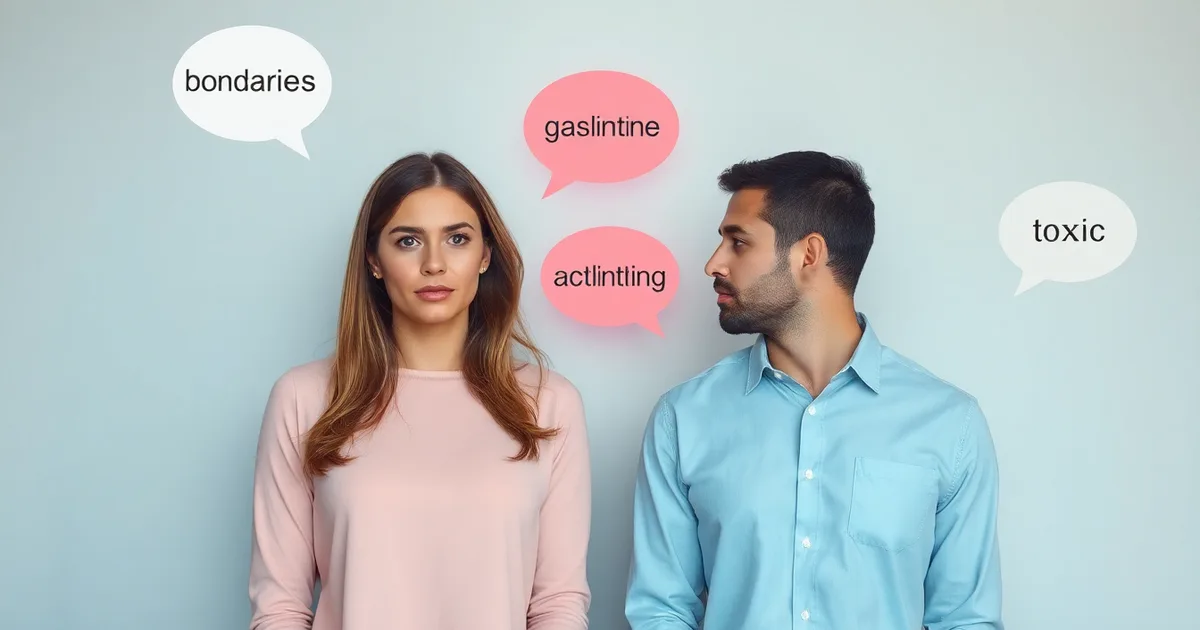
Relationship stonewalling behavior represents one of the most destructive communication patterns in partnerships, characterized by emotional withdrawal, silence, and refusal to engage in meaningful dialogue. This comprehensive guide provides evidence-based strategies for recognizing stonewalling patterns, understanding their psychological roots, and implementing effective solutions to restore healthy communication in your relationship.
What Is Relationship Stonewalling Behavior?
Stonewalling is a defensive communication pattern where one partner emotionally withdraws, refuses to engage in conversation, or becomes completely unresponsive during conflict or discussion. Research by Dr. John Gottman identifies stonewalling as one of the "Four Horsemen" of relationship destruction, making it a critical behavior to address.
This behavior manifests through various actions including silent treatment, physical withdrawal, avoiding eye contact, or giving minimal responses. Unlike healthy boundaries or temporary breaks during heated discussions, stonewalling involves complete emotional shutdown that prevents resolution and connection.
Studies indicate that 85% of stonewallers are men, often due to physiological differences in stress response. However, anyone can engage in this behavior regardless of gender, making awareness crucial for all partners.
How Does Stonewalling Differ From Healthy Communication Breaks?
Understanding the distinction between stonewalling and healthy communication pauses is essential for accurate identification. Healthy breaks involve communicating the need for time, setting a specific return time, and following through on continued discussion.
Stonewalling, conversely, involves no communication about the withdrawal, indefinite silence, and often punishment-oriented behavior. The intent behind healthy breaks focuses on self-regulation and better communication, while stonewalling aims to avoid, control, or punish.
| Healthy Break | Stonewalling |
|---|---|
| "I need 20 minutes to calm down" | Complete silence without explanation |
| Sets specific return time | Indefinite withdrawal |
| Returns to discuss the issue | Avoids the topic entirely |
| Maintains connection | Creates emotional distance |
| Seeks resolution | Avoids resolution |
What Are the Warning Signs of Stonewalling in Relationships?
Recognizing early warning signs of relationship stonewalling behavior enables proactive intervention before patterns become entrenched. These signs often develop gradually, making awareness crucial for relationship health.
Physical and Behavioral Indicators
- Body language changes: Crossed arms, turning away, avoiding eye contact
- Minimal responses: One-word answers, grunts, or shrugs
- Physical withdrawal: Leaving the room, creating physical distance
- Busy work: Engaging in activities to avoid conversation
- Technology barriers: Using phones, computers, or TV to avoid interaction
Emotional and Communication Patterns
- Topic avoidance: Refusing to discuss important relationship issues
- Emotional numbness: Appearing disconnected or indifferent
- Defensive silence: Using quiet as a form of protection or punishment
- Conversation deflection: Changing subjects when difficult topics arise
- Delayed responses: Taking unusually long to respond to questions or concerns
These patterns often interconnect with other relationship challenges, similar to those explored in our guide on relationship communication styles, where understanding different approaches to dialogue becomes crucial.
Why Do People Engage in Stonewalling Behavior?
Understanding the psychological roots of stonewalling helps address the behavior more effectively. Emotional flooding represents the primary trigger, occurring when stress hormones overwhelm the nervous system during conflict.
Research shows that when heart rate exceeds 100 beats per minute during relationship discussions, cognitive function decreases significantly. This physiological response triggers fight, flight, or freeze mechanisms, with stonewalling representing the "freeze" response.
Common Psychological Triggers
- Childhood trauma: Early experiences of emotional overwhelm or unsafe communication
- Attachment insecurity: Fear of abandonment or engulfment leading to protective withdrawal
- Gender socialization: Cultural messages about emotional expression and conflict
- Past relationship trauma: Previous experiences of emotional abuse or manipulation
- Neurodivergent traits: Sensory overwhelm or processing differences
These triggers often relate to deeper patterns discussed in our comprehensive attachment styles guide, where understanding security and avoidance patterns provides additional context.
How Does Stonewalling Impact Relationship Health?
The effects of relationship stonewalling behavior extend far beyond temporary communication breakdowns. Chronic stonewalling creates lasting damage to trust, intimacy, and overall relationship satisfaction.
Studies indicate that relationships with frequent stonewalling show significantly higher divorce rates compared to couples who maintain open communication during conflict. The behavior creates a cycle where one partner withdraws while the other pursues, escalating frustration and distance.
Short-term Consequences
- Increased conflict: Unresolved issues compound and resurface
- Emotional distance: Partners feel disconnected and misunderstood
- Frustration escalation: The pursuing partner may become more aggressive
- Problem avoidance: Important issues remain unaddressed
- Intimacy reduction: Physical and emotional closeness decreases
Long-term Relationship Damage
- Trust erosion: Partners lose faith in the relationship's communication foundation
- Resentment buildup: Accumulated frustration creates lasting negative feelings
- Emotional detachment: Partners may begin emotionally preparing for relationship end
- Communication skills deterioration: Healthy dialogue patterns weaken over time
- Individual mental health impact: Both partners may experience anxiety and depression
These impacts often intersect with other relationship challenges, particularly when combined with issues explored in our relationship anxiety management guide.
What Strategies Can Break Stonewalling Patterns?
Breaking relationship stonewalling behavior requires systematic approaches addressing both immediate responses and long-term pattern change. Successful intervention combines individual self-awareness work with couple communication skill development.
Immediate Response Strategies
- Recognize physiological flooding: Monitor heart rate and stress signals during discussions
- Request specific time-outs: "I need 30 minutes to collect my thoughts"
- Practice grounding techniques: Deep breathing, progressive muscle relaxation, mindfulness
- Use self-soothing activities: Walk, shower, listen to calming music
- Set return commitment: Specify when you'll resume the conversation
Long-term Pattern Interruption
- Identify personal triggers: Keep a journal of situations that lead to withdrawal
- Develop emotional vocabulary: Practice naming feelings beyond "fine" or "upset"
- Create safety agreements: Establish ground rules for difficult conversations
- Build gradual exposure: Start with less threatening topics to practice engagement
- Seek professional support: Consider individual or couples therapy for persistent patterns
How Should Partners Respond to Stonewalling Behavior?
When your partner exhibits relationship stonewalling behavior, your response significantly influences whether the pattern escalates or begins to heal. Compassionate assertiveness proves most effective, balancing empathy with clear communication needs.
Research demonstrates that pursuing stonewalling partners typically worsens the withdrawal response. Instead, creating safety while maintaining connection boundaries encourages eventual engagement.
Effective Response Strategies
- Acknowledge the shutdown: "I notice you seem overwhelmed right now"
- Offer space with connection: "Take the time you need, and let's talk when you're ready"
- Avoid pursuit or criticism: Don't chase or judge the withdrawal
- Express your needs clearly: "I need to understand your perspective on this"
- Set reasonable timeframes: "Can we revisit this within the next day?"
What Not to Do
- Don't pursue aggressively: This increases defensive responses
- Avoid mind-reading: Don't assume you know their thoughts or feelings
- Don't use punishment: Withdrawing affection or giving silent treatment
- Avoid ultimatums: "Talk to me right now or else"
- Don't personalize: Remember this is often about their overwhelm, not rejection
Understanding healthy response patterns connects closely with broader communication principles outlined in our emotional labor distribution guide, where balanced partnership dynamics support healthier communication.
What Professional Help Options Exist for Stonewalling Issues?
Professional intervention often proves necessary for entrenched relationship stonewalling behavior patterns. Multiple therapeutic approaches show effectiveness, with the best choice depending on underlying causes and relationship dynamics.
Individual Therapy Options
- Cognitive Behavioral Therapy (CBT): Addresses thought patterns triggering withdrawal
- Dialectical Behavior Therapy (DBT): Builds emotional regulation and distress tolerance skills
- EMDR Therapy: Processes trauma that may underlie stonewalling responses
- Attachment-based therapy: Explores early relationship patterns affecting current behavior
- Somatic approaches: Addresses physiological aspects of emotional flooding
Couples Therapy Approaches
- Gottman Method: Specifically addresses stonewalling as one of the "Four Horsemen"
- Emotionally Focused Therapy (EFT): Rebuilds emotional connection and secure attachment
- Imago Relationship Therapy: Heals childhood wounds affecting adult relationships
- Solution-Focused Therapy: Builds on existing strengths and successful communication moments
How Can Couples Prevent Stonewalling Before It Starts?
Prevention strategies for relationship stonewalling behavior focus on building emotional safety, communication skills, and stress management techniques. Proactive approaches prove far more effective than reactive interventions after patterns become established.
Relationship Foundation Building
- Establish emotional safety: Create agreements about respectful communication
- Practice regular check-ins: Schedule weekly relationship conversations
- Build conflict resolution skills: Learn healthy disagreement techniques
- Develop stress management: Individual practices for emotional regulation
- Strengthen daily connection: Prioritize positive interactions and appreciation
Communication Skill Development
- Active listening training: Practice reflecting and validating partner's experiences
- "I" statement usage: Express needs without blame or criticism
- Emotional awareness building: Develop vocabulary and recognition of feelings
- Boundary setting skills: Learn to express limits respectfully
- Repair attempt recognition: Identify and respond to de-escalation efforts
What Are the Success Indicators for Overcoming Stonewalling?
Measuring progress in addressing relationship stonewalling behavior requires attention to both behavioral changes and underlying emotional shifts. Sustainable improvement typically develops gradually through consistent effort and practice.
Early Progress Indicators
- Increased self-awareness: Recognition of shutdown triggers before complete withdrawal
- Communication of needs: Expressing need for breaks or processing time
- Shorter withdrawal periods: Reduced duration of silent treatment or avoidance
- Return commitment follow-through: Coming back to discussions as promised
- Acknowledgment of impact: Recognizing how stonewalling affects the relationship
Long-term Success Markers
- Consistent engagement: Participating in difficult conversations without withdrawal
- Emotional vulnerability: Sharing feelings and concerns openly
- Conflict resolution completion: Working through disagreements to resolution
- Increased intimacy: Deeper emotional and physical connection
- Relationship satisfaction improvement: Both partners report greater happiness and fulfillment
"Stonewalling recovery is not about never feeling overwhelmed during conflict, but about maintaining connection even when emotions run high. Success means staying present with your partner even when every instinct tells you to withdraw." - Dr. Sue Johnson, Creator of Emotionally Focused Therapy
Practical Daily Strategies for Managing Stonewalling Tendencies
Implementing daily practices helps prevent relationship stonewalling behavior from developing during stressful periods. These strategies focus on building resilience and maintaining connection even during challenging times.
Morning Connection Practices
- Intentional greeting: Make eye contact and physically connect before starting the day
- Emotional check-in: Share how you're feeling and ask about your partner's state
- Stress level awareness: Communicate anticipated challenges or triggers for the day
- Appreciation expression: Share one thing you appreciate about your partner
Evening Reconnection Rituals
- Device-free time: Create space for undivided attention and conversation
- Daily debriefing: Share experiences, challenges, and highlights from the day
- Physical affection: Maintain touch and closeness regardless of daily stresses
- Gratitude practice: Acknowledge positive moments from the day together
These daily practices align with broader relationship health principles found in our relationship green flags guide, which explores positive partnership indicators.
Emergency Intervention Techniques for Active Stonewalling Episodes
When relationship stonewalling behavior occurs despite preventive efforts, immediate intervention techniques can minimize damage and restore connection. Crisis response strategies focus on safety, de-escalation, and maintaining relationship bond.
For the Stonewalling Partner
- Physiological reset: Use cold water, deep breathing, or progressive muscle relaxation
- Grounding techniques: Name five things you can see, four you can touch, three you can hear
- Brief communication: "I'm overwhelmed and need a few minutes to regulate"
- Time commitment: "I'll return in 20 minutes to continue our conversation"
- Self-compassion: Acknowledge the overwhelm without self-criticism
For the Partner Experiencing Stonewalling
- Recognize the pattern: Acknowledge what's happening without blame
- Create space: Give your partner room without pursuing or pressuring
- Self-soothe: Use your own calming techniques during the break
- Prepare for reconnection: Think about how to approach the conversation differently
- Maintain connection intention: Remember this is temporary overwhelm, not rejection
Understanding relationship stonewalling behavior as a protective mechanism rather than intentional harm helps both partners approach healing with compassion and commitment. Recovery requires patience, consistent effort, and often professional support, but couples can successfully overcome these challenging patterns to build stronger, more connected relationships. The key lies in recognizing that stonewalling represents emotional overwhelm rather than lack of caring, creating pathways for healing through understanding, skill-building, and gradual trust reconstruction.
By implementing these comprehensive strategies and maintaining focus on connection despite difficulties, couples can transform destructive communication patterns into opportunities for deeper understanding and intimacy. Remember that overcoming stonewalling is a process requiring time, patience, and mutual commitment to growth and healing.