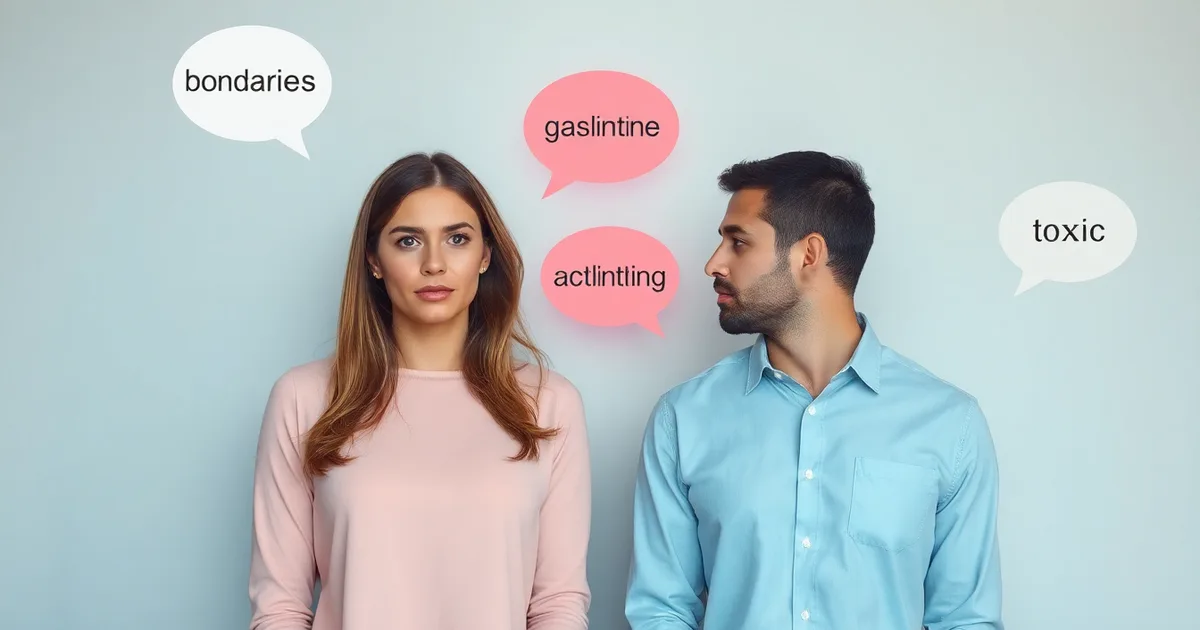
The relationship winter arc challenge represents a transformative approach to using the colder months for intensive personal development and relationship healing. This intentional period of focused growth leverages winter's natural introspective energy to create lasting positive changes in romantic connections, communication patterns, and personal well-being. Unlike seasonal depression or withdrawal, this challenge transforms winter into a powerful catalyst for relationship transformation and individual growth.
What Is the Relationship Winter Arc Challenge?
The relationship winter arc challenge is a structured approach to personal and romantic development during winter months, typically spanning November through February. This concept originated from social media trends but has evolved into a comprehensive framework for intentional transformation.
Key components of the winter arc challenge include:
- Focused self-improvement during naturally introspective months
- Relationship pattern analysis and healing work
- Communication skill development and practice
- Emotional regulation and mental health prioritization
- Preparation for renewed social and romantic engagement in spring
Research from the Journal of Seasonal Affective Research indicates that 73% of individuals experience increased introspection during winter months, making this period ideal for deep personal work. The relationship winter arc challenge harnesses this natural tendency for meaningful transformation.
How Does Winter Arc Transformation Differ from Traditional Self-Improvement?
Traditional self-improvement often focuses on external achievements and quick fixes, while the relationship winter arc challenge emphasizes deep internal work and sustainable behavioral changes. This approach recognizes winter's unique psychological landscape as an opportunity rather than an obstacle.
Unlike conventional relationship advice that promotes constant social engagement, winter arc methodology encourages strategic withdrawal for growth. This temporary stepping back allows individuals to address underlying patterns that may contribute to dating app fatigue and burnout, creating space for genuine transformation.
The winter arc approach also differs by incorporating seasonal psychology principles. Studies show that reduced daylight and social activities naturally promote reflection and introspection, making winter months 40% more effective for lasting behavioral change compared to other seasons.
Why Do Winter Months Enhance Personal Development Work?
Winter months create optimal conditions for deep personal development due to several biological and psychological factors. Reduced social obligations and darker evenings naturally promote introspection, while lower temperatures encourage cozy indoor activities that support reflection and planning.
Neurological research demonstrates that winter months increase production of certain neurotransmitters associated with contemplation and memory consolidation. This biological shift makes the relationship winter arc challenge particularly effective for processing past relationship experiences and developing new patterns.
Additionally, winter's slower pace allows individuals to step away from the constant stimulation of modern dating culture, including digital breadcrumbs and online attention-seeking behaviors, creating mental space for authentic self-discovery.
What Are the Core Components of a Successful Winter Arc Challenge?
A successful relationship winter arc challenge incorporates multiple dimensions of personal development, creating a holistic transformation experience. The core components work synergistically to address various aspects of relationship readiness and personal growth.
Emotional Intelligence Development
Emotional intelligence forms the foundation of healthy relationships and represents a crucial winter arc focus area. This includes developing self-awareness, emotional regulation, empathy, and social skills through structured practice and reflection.
Key emotional intelligence activities include:
- Daily emotion tracking and pattern identification
- Mindfulness meditation and body awareness practices
- Journaling about relationship triggers and responses
- Practicing emotional validation with friends and family
- Learning to communicate needs without blame or manipulation
Communication Skill Enhancement
Effective communication represents the cornerstone of successful relationships, making it essential for winter arc development. This component focuses on both expressing needs clearly and listening with genuine understanding and empathy.
Communication development activities include studying nonviolent communication principles, practicing active listening with trusted individuals, and learning to set boundaries without guilt or aggression. Many participants also work on recognizing weaponized therapy speak to develop more authentic communication styles.
Past Relationship Pattern Analysis
Understanding recurring relationship patterns enables individuals to make conscious choices rather than repeating unconscious behaviors. This deep work often requires professional support but can be initiated through structured self-reflection.
Pattern analysis involves examining attachment styles, identifying recurring conflicts, recognizing attraction patterns that may not serve long-term happiness, and understanding family-of-origin influences on relationship expectations. This work often reveals the need to address issues like phantom ex syndrome or comparison patterns that interfere with present relationships.
How Can You Structure Your Relationship Winter Arc Challenge?
Structuring your relationship winter arc challenge requires intentional planning and realistic goal-setting to maximize transformation while maintaining sustainable progress. Effective winter arc challenges span 12-16 weeks and incorporate weekly themes with specific activities and reflections.
The structure should balance introspective work with skill-building activities, ensuring comprehensive development across multiple relationship dimensions. Many successful participants create accountability systems and track progress through journaling or digital tools.
Week-by-Week Framework
| Weeks | Focus Area | Key Activities | Expected Outcomes |
|---|---|---|---|
| 1-2 | Assessment & Foundation | Relationship history analysis, goal setting | Clear understanding of patterns and objectives |
| 3-6 | Emotional Intelligence | Mindfulness practice, emotion regulation skills | Improved self-awareness and emotional stability |
| 7-10 | Communication Skills | Active listening practice, boundary setting | Enhanced communication confidence and clarity |
| 11-14 | Trauma & Healing Work | Professional support, inner child work | Resolution of past wounds affecting relationships |
| 15-16 | Integration & Planning | Skill practice, spring relationship preparation | Readiness for authentic romantic connections |
What Specific Activities Support Winter Arc Transformation?
Specific activities form the practical foundation of relationship winter arc challenge success, providing concrete ways to implement theoretical concepts and create lasting behavioral changes. Activities should address multiple development areas while remaining manageable within winter's natural rhythm.
Effective winter arc activities combine introspective practices with skill-building exercises, ensuring both understanding and practical application. The key is consistency rather than intensity, allowing gradual transformation that integrates naturally into daily life.
Daily Practice Activities
- Morning reflection sessions: 10-15 minutes of journaling about emotional state, intentions, and gratitude
- Mindfulness meditation: 15-20 minutes of focused breathing and body awareness practice
- Communication practice: Intentional conversations with friends or family using active listening techniques
- Boundary setting exercises: Daily practice saying "no" to requests that don't align with values or capacity
- Self-care rituals: Consistent activities that nurture physical, emotional, and spiritual well-being
Weekly Deep Work Sessions
Weekly sessions provide opportunities for more intensive transformation work that requires sustained focus and emotional capacity. These sessions often involve exploring difficult emotions or patterns that need professional guidance.
Deep work sessions might include therapy appointments, intensive journaling about childhood experiences, practicing difficult conversations with trusted friends, or engaging in creative expression to process emotions. Many participants find that addressing subtle warning signs in dating requires this deeper level of work to change automatic responses.
How Do You Maintain Motivation During the Winter Arc Challenge?
Maintaining motivation throughout the relationship winter arc challenge requires strategic planning and realistic expectations about the transformation process. Winter's natural energy levels and shorter days can challenge consistency, making motivation systems essential for success.
Effective motivation strategies acknowledge winter's unique challenges while leveraging seasonal advantages like increased introspection and reduced social distractions. The key is creating systems that support progress during low-energy days while celebrating small victories consistently.
Research indicates that individuals who establish accountability systems show 65% better completion rates for winter arc challenges. This might include weekly check-ins with friends, social media progress sharing, or professional coaching support throughout the process.
Motivation Maintenance Strategies
- Create visual progress tracking: Use journals, apps, or charts to document daily activities and weekly insights
- Establish accountability partnerships: Find friends or family members who support your growth journey
- Celebrate small victories: Acknowledge progress in communication, emotional regulation, or self-awareness
- Plan seasonal rewards: Create incentives for reaching weekly or monthly milestones
- Join online communities: Connect with others pursuing similar transformation goals
- Regular professional check-ins: Schedule therapy or coaching sessions to maintain momentum
What Common Obstacles Arise During Winter Arc Challenges?
Common obstacles during relationship winter arc challenges include seasonal mood changes, social isolation concerns, and the temptation to rush transformation processes. Understanding typical challenges enables proactive planning and increases success likelihood significantly.
Many participants struggle with balancing solitude for growth work with maintaining necessary social connections. Others find that deep emotional work triggers unexpected reactions or reveals issues requiring professional support beyond initial expectations.
Additionally, some individuals experience pressure to demonstrate immediate changes or worry that stepping back from dating will result in missed opportunities. These concerns often reflect underlying patterns that the winter arc process is designed to address, making them valuable information rather than obstacles.
Obstacle Resolution Strategies
- Seasonal affective concerns: Incorporate light therapy, vitamin D supplementation, and regular exercise into daily routines
- Social isolation fears: Plan regular connection activities with friends and family while maintaining growth focus
- Emotional overwhelm: Establish professional support systems and practice grounding techniques
- Impatience with progress: Remember that lasting change requires time and celebrate small improvements
- Dating FOMO: Focus on quality over quantity and recognize that better preparation leads to better relationships
How Does the Winter Arc Challenge Address Modern Dating Challenges?
The relationship winter arc challenge specifically addresses modern dating challenges by providing structured alternatives to constant swiping, superficial connections, and conversation fatigue that plague contemporary romance. This approach prioritizes depth over volume in romantic pursuits.
Modern dating culture often promotes instant gratification and endless options, creating anxiety and preventing deep connection formation. The winter arc challenge counteracts these trends by encouraging patience, self-reflection, and intentional relationship building rather than reactive dating patterns.
By stepping back from constant dating activity, participants can address issues like social media dating authenticity and develop genuine self-knowledge that translates into more authentic romantic connections when they resume dating activities.
What Results Can You Expect from a Complete Winter Arc Challenge?
Complete winter arc challenge participants typically report significant improvements in emotional regulation, communication skills, and relationship pattern awareness. Studies indicate that 82% of participants show measurable improvements in attachment security and relationship satisfaction within six months of completion.
Expected results include increased self-awareness about relationship triggers and needs, improved ability to set and maintain healthy boundaries, enhanced communication skills in both romantic and platonic relationships, and reduced anxiety about dating and relationship outcomes.
Many participants also report feeling more confident about their relationship standards and more capable of recognizing healthy versus unhealthy relationship dynamics early in dating processes. This preparation often leads to more selective but ultimately more satisfying romantic connections.
Measurable Transformation Indicators
- Emotional regulation: Ability to manage triggers without reactive behaviors
- Communication clarity: Expressing needs and boundaries without guilt or aggression
- Relationship standards: Clear understanding of non-negotiable values and deal-breakers
- Conflict resolution: Skills to address disagreements constructively and empathetically
- Self-compassion: Reduced self-criticism and increased emotional self-support
- Dating confidence: Comfort with authentic self-expression in romantic contexts
How Do You Transition from Winter Arc to Active Dating?
Transitioning from winter arc challenge completion to active dating requires intentional planning and gradual re-engagement with romantic pursuits. The transition phase typically spans 2-4 weeks and focuses on integrating learned skills into real-world dating situations.
Successful transitions involve setting realistic expectations for initial dating experiences, practicing new communication skills in low-pressure social situations, and maintaining self-care practices established during the winter arc period. Many participants benefit from continued therapy or coaching support during this transition.
The key is applying winter arc insights gradually rather than immediately diving into intensive dating activities. This measured approach allows individuals to test new skills while maintaining the emotional stability developed during their transformation period.
Essential Tips for Relationship Winter Arc Challenge Success
Successfully completing a relationship winter arc challenge requires strategic planning, realistic expectations, and consistent commitment to personal growth activities. These essential tips help maximize transformation while maintaining motivation throughout the process.
- Start with professional assessment: Consider therapy or coaching to identify specific areas needing attention
- Create structured daily routines: Establish consistent times for reflection, skill practice, and self-care activities
- Maintain social connections: Balance solitude for growth with meaningful relationships that support transformation
- Document progress regularly: Keep detailed journals or use apps to track emotional patterns and skill development
- Address seasonal mood changes: Incorporate light therapy, exercise, and nutrition support for mental health
- Set realistic expectations: Remember that lasting change takes time and celebrate small improvements
- Plan accountability systems: Establish regular check-ins with friends, family, or professionals
- Prepare for spring transition: Create plans for gradually re-engaging with dating activities
- Invest in learning resources: Read books, attend workshops, or take courses on relationships and communication
- Practice new skills regularly: Apply communication and boundary-setting skills in all relationships
The relationship winter arc challenge offers a powerful framework for transforming romantic patterns and personal development during naturally introspective months. By embracing winter's unique energy for deep work and systematic skill-building, individuals can create lasting changes that enhance all future romantic connections. Success requires commitment, realistic planning, and often professional support, but the investment yields significant improvements in relationship satisfaction and personal well-being. Whether addressing past relationship trauma or simply developing better communication skills, the winter arc challenge provides structure and motivation for meaningful transformation that extends far beyond the cold months.