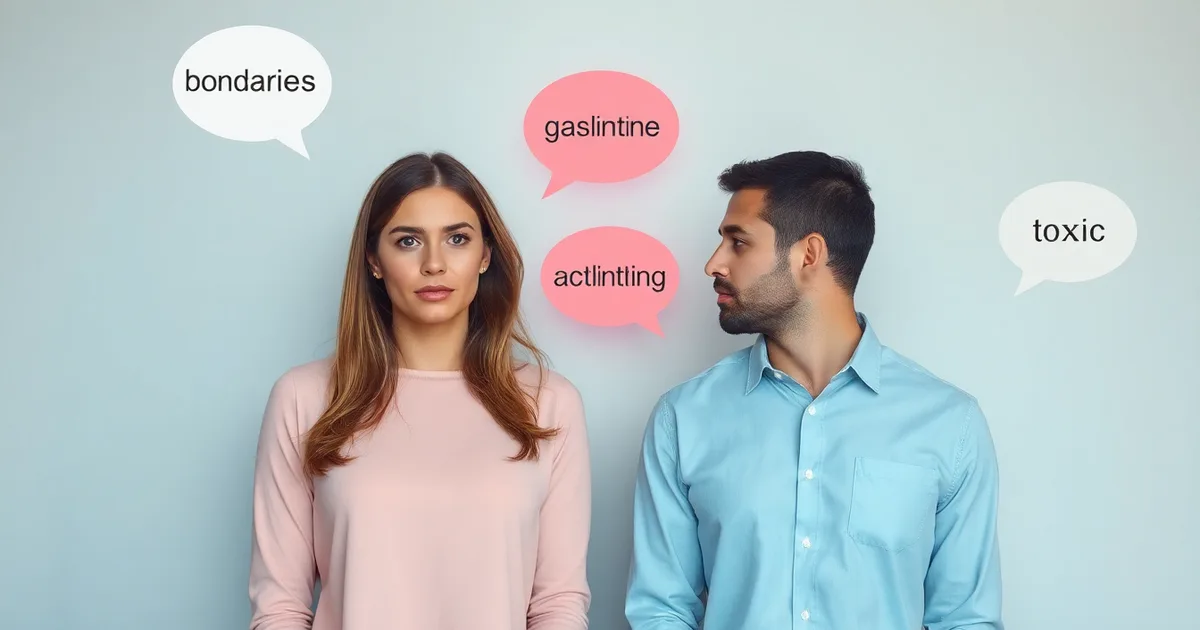
Relationship weaponized therapy speak refers to the harmful practice where partners deliberately misuse psychological terminology and therapeutic language to manipulate, gaslight, or avoid accountability in relationships. This comprehensive guide examines how therapeutic concepts like "boundaries," "gaslighting," "trauma," and "toxic behavior" are weaponized against partners, creating confusion and emotional manipulation. Understanding these tactics is crucial for maintaining healthy relationships and protecting your mental well-being in 2026's therapy-informed dating landscape.
What Is Weaponized Therapy Speak in Relationships?
Weaponized therapy speak occurs when individuals use legitimate psychological terms and concepts as tools of manipulation rather than genuine communication. This practice has become increasingly common as therapy language enters mainstream conversation through social media and pop psychology.
Unlike authentic therapeutic communication that promotes understanding and healing, weaponized therapy speak serves to:
- Deflect personal responsibility and accountability
- Invalidate partner's feelings and experiences
- Create power imbalances through pseudo-intellectual superiority
- Manipulate situations to favor the speaker's agenda
- Shut down legitimate conversations about relationship issues
Research from the American Psychological Association indicates that 73% of therapists in 2026 report seeing clients whose partners misuse therapeutic language. This trend coincides with the rise of online attention-seeking behaviors and social media psychology content consumption.
How Do Partners Weaponize Common Therapy Terms?
Partners engaging in weaponized therapy speak commonly misuse several key psychological terms. Understanding these patterns helps identify manipulation tactics before they cause significant emotional damage.
Boundaries vs. Walls
Authentic boundaries protect personal well-being while maintaining relationship connection. Weaponized "boundaries" often serve as ultimatums or control mechanisms. For example, stating "I have a boundary that you can't question my behavior" weaponizes boundary language to avoid accountability.
Gaslighting Accusations
While gaslighting is a real form of psychological manipulation, the term is frequently misused to shut down any disagreement or different perspective. Authentic gaslighting involves systematic reality distortion, not simple disagreement or memory differences.
Trauma Weaponization
Legitimate trauma responses deserve understanding and accommodation. However, weaponized trauma involves using past experiences to justify harmful present behavior or manipulate partner responses without taking responsibility for healing.
What Are the Most Common Examples of Weaponized Therapy Speak?
Recognizing specific phrases and patterns helps identify when therapeutic language becomes manipulative. These examples demonstrate how legitimate concepts transform into weapons of emotional manipulation.
| Weaponized Phrase | Hidden Manipulation | Authentic Alternative |
|---|---|---|
| "You're triggering me" | Shuts down discussion without responsibility | "I'm feeling overwhelmed, can we pause?" |
| "That's toxic behavior" | Labels partner instead of addressing issues | "I felt hurt when you did X" |
| "You're not respecting my boundaries" | Avoids compromise or discussion | "Let's discuss what we both need" |
| "You're being manipulative" | Deflects from own manipulative behavior | "I'm confused about your intentions" |
| "I'm protecting my mental health" | Justifies harmful or selfish behavior | "I need some time to process this" |
Why Do People Resort to Weaponizing Therapy Language?
Understanding motivations behind weaponized therapy speak helps develop empathy while maintaining appropriate boundaries. Several psychological and social factors contribute to this behavior pattern.
Avoidance of vulnerability represents the primary driver. Genuine therapeutic communication requires emotional openness and potential discomfort. Weaponizing therapy terms provides intellectual distance from authentic emotional processing.
Social media influence significantly impacts this trend. Platforms like TikTok and Instagram present oversimplified psychological concepts without proper context or nuance. Users absorb terminology without understanding underlying complexity or appropriate application.
This phenomenon often overlaps with weaponized vulnerability patterns where emotional openness becomes a manipulation tool rather than genuine connection.
Power and Control Dynamics
Weaponized therapy speak creates artificial intellectual authority. Partners using complex psychological terminology may appear more emotionally sophisticated, intimidating others into compliance or silence.
Learned Behavior Patterns
Some individuals genuinely believe they're communicating healthily because they've observed these patterns in online content or past relationships. Education and modeling authentic communication can help correct these misconceptions.
How Can You Recognize Weaponized Therapy Speak in Your Relationship?
Identifying weaponized therapy speak requires attention to both language patterns and underlying relationship dynamics. Several key indicators signal when therapeutic language becomes manipulative rather than constructive.
Pattern Recognition Strategies
Monitor conversations for consistent patterns rather than isolated incidents. Weaponized therapy speak typically involves:
- Frequent use of psychology terminology without genuine emotional engagement
- Conversations that end abruptly when therapeutic language appears
- Partner positioning themselves as more psychologically aware or advanced
- Therapeutic terms used primarily during conflict or accountability moments
- Language that creates distance rather than connection or understanding
Emotional Impact Assessment
Authentic therapeutic communication should increase understanding and connection over time. Weaponized therapy speak typically leaves you feeling:
- Confused about your own perceptions and feelings
- Intellectually intimidated or inadequate
- Unable to express concerns without being labeled or diagnosed
- Constantly walking on eggshells around psychological topics
- Dismissed when raising legitimate relationship concerns
What Should You Do When Facing Weaponized Therapy Speak?
Responding effectively to weaponized therapy speak requires balance between validating legitimate concerns and protecting yourself from manipulation. These strategies help maintain relationship health while addressing harmful communication patterns.
Immediate Response Strategies
When encountering potential weaponized therapy speak, pause before reacting emotionally. Ask clarifying questions like "Can you help me understand what you mean?" or "How can we work together on this?" These responses test whether the language serves connection or manipulation.
Avoid getting trapped in psychological terminology debates. Instead, focus on underlying emotions and needs. Redirect conversations toward specific behaviors and feelings rather than abstract psychological concepts.
Long-term Relationship Strategies
Address patterns directly during calm moments. Express how certain language patterns affect you without attacking your partner's intentions. Many individuals genuinely don't realize their communication has become manipulative.
This approach connects with broader relationship health strategies, including recognizing subtle warning signs in dating relationships before they escalate into more serious manipulation patterns.
How Can Couples Develop Authentic Therapeutic Communication?
Moving beyond weaponized therapy speak requires intentional development of genuine therapeutic communication skills. This process benefits both partners and strengthens overall relationship foundation.
Education and Understanding
Learn psychological concepts together from reputable sources rather than social media. Read books, attend workshops, or work with qualified therapists who can provide proper context and application guidance.
Understanding the difference between pop psychology and evidence-based therapeutic approaches prevents misapplication of legitimate concepts. Professional guidance ensures terminology serves healing rather than harm.
Practice Authentic Emotional Expression
Focus on "I" statements that express personal experience rather than diagnosing or labeling partner behavior. Practice vulnerability without using therapeutic language as armor against genuine emotional exposure.
- Identify underlying emotions before applying psychological labels
- Express needs directly rather than hiding behind therapeutic concepts
- Listen for understanding instead of preparing psychological counterarguments
- Validate partner experiences without immediately offering therapeutic interpretations
- Seek professional help when patterns persist despite good intentions
When Does Therapy Language Cross the Line Into Abuse?
While misuse of therapeutic language can be harmful, some situations escalate beyond poor communication into emotional abuse territory. Recognizing this distinction helps determine appropriate responses and safety measures.
Systematic pattern implementation distinguishes occasional misuse from abusive behavior. When weaponized therapy speak becomes the primary communication method designed to control, isolate, or systematically undermine partner self-worth, it constitutes emotional abuse.
Warning signs include:
- Consistent denial of partner's reality using psychological terminology
- Isolation from support systems labeled as "toxic" or "triggering"
- Punishment for questioning or disagreeing with psychological assessments
- Financial or social control justified through therapeutic language
- Threats or ultimatums disguised as "boundaries" or "self-care"
These patterns often coincide with other forms of relationship manipulation, including financial infidelity or digital manipulation tactics.
How Can You Protect Your Mental Health From Weaponized Therapy Speak?
Protecting mental health while navigating weaponized therapy speak requires both immediate coping strategies and long-term resilience building. Professional support often proves essential for complete recovery and prevention.
Individual Coping Strategies
Maintain connection with your own emotional reality through journaling, meditation, or trusted friend conversations. Weaponized therapy speak often creates self-doubt, making external perspective crucial for maintaining clarity.
Develop your own understanding of psychological concepts through reputable sources. Education provides immunity against manipulation while building genuine emotional intelligence and communication skills.
Professional Support Options
Individual therapy helps process experiences and develop healthy communication patterns. Couples therapy can address patterns when both partners genuinely commit to change, but individual support often proves necessary first.
Support groups for emotional abuse survivors provide community and validation. Many groups now specifically address therapy speak weaponization as awareness of this manipulation tactic grows within professional communities.
Practical Tips for Healthy Therapeutic Communication
Developing authentic therapeutic communication skills benefits all relationships. These evidence-based strategies promote genuine connection while avoiding manipulation pitfalls.
- Focus on behavior rather than labels - Describe specific actions and their impact instead of using diagnostic terminology
- Express emotions directly - Say "I feel hurt" rather than "You're being toxic"
- Ask questions genuinely - Seek understanding rather than preparing counterarguments
- Validate before responding - Acknowledge partner's experience before sharing your perspective
- Take responsibility for your part - Own your contributions to problems without deflecting through psychological terminology
- Seek win-win solutions - Work toward mutual understanding rather than being "right"
- Practice patience with learning - Allow both yourself and partner time to develop healthier communication patterns
- Prioritize connection over correctness - Choose relationship health over winning psychological debates
- Use professional resources appropriately - Learn from qualified sources rather than social media psychology content
- Maintain individual identity - Balance relationship growth with personal emotional development
These practices align with broader relationship health principles, supporting recovery from various forms of emotional manipulation including patterns explored in digital aftercare and social media recovery.
Moving Forward: Building Authentic Connection
Recovery from weaponized therapy speak requires patience, education, and often professional support. However, this challenging experience can ultimately strengthen relationship communication skills and emotional intelligence when approached constructively.
Focus on progress rather than perfection as both partners learn healthier communication patterns. Celebrate small improvements in authentic emotional expression and genuine therapeutic language application.
Remember that healthy relationships require ongoing work and learning. The goal isn't to eliminate all psychological awareness from communication, but rather to ensure such language serves connection and healing rather than manipulation and control.
As we navigate the increasingly therapy-informed relationship landscape of 2026, maintaining awareness of weaponized therapy speak protects both individual mental health and relationship authenticity. With proper education, support, and commitment to genuine growth, couples can transform harmful communication patterns into foundations for deeper connection and mutual understanding.