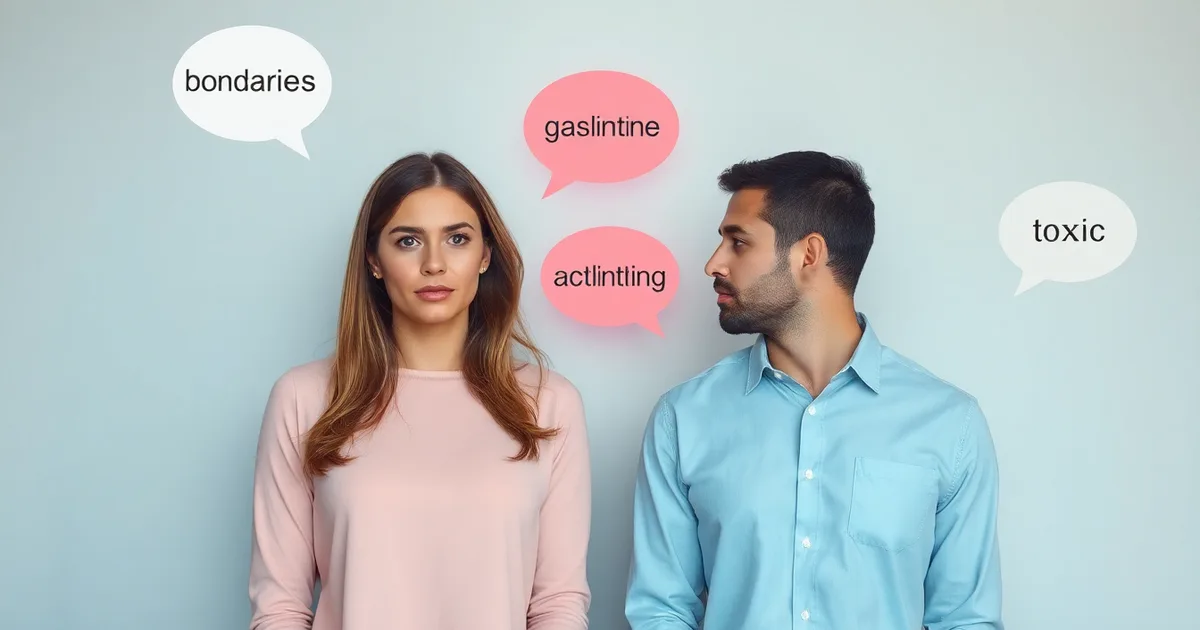
Relationship trauma informed dating represents a revolutionary approach to romantic connections that prioritizes healing, emotional safety, and mutual understanding. This comprehensive guide explores how trauma affects dating patterns, provides evidence-based strategies for building healthier relationships, and offers practical tools for creating healing-focused partnerships that acknowledge past wounds while fostering genuine intimacy and growth.
What Is Relationship Trauma Informed Dating?
Trauma-informed dating is an approach to romantic relationships that recognizes how past traumatic experiences influence current dating behaviors, attachment styles, and relationship dynamics. This methodology emphasizes creating emotionally safe spaces, establishing clear boundaries, and fostering healing-centered connections.
Research from the National Center for PTSD indicates that approximately 70% of adults have experienced at least one traumatic event in their lifetime. These experiences significantly impact how individuals approach romantic relationships, often creating patterns of avoidance, hypervigilance, or unhealthy attachment behaviors.
Key principles of trauma-informed dating include:
- Recognizing trauma's impact on relationship patterns
- Prioritizing emotional safety and consent
- Practicing transparent communication
- Establishing and respecting boundaries
- Focusing on healing rather than fixing
- Developing secure attachment behaviors
How Does Trauma Affect Dating Patterns and Relationship Choices?
Trauma significantly influences how individuals approach romantic connections, often creating unconscious patterns that can either protect or sabotage relationship success. Understanding these patterns is crucial for developing healthier dating strategies.
Common Trauma-Related Dating Behaviors
Individuals with unresolved trauma may exhibit various dating behaviors that reflect their past experiences:
- Hypervigilance: Constantly scanning for potential threats or red flags
- Emotional walls: Difficulty opening up or trusting new partners
- People-pleasing: Sacrificing personal needs to avoid conflict
- Avoidance patterns: Sabotaging relationships when intimacy increases
- Anxious attachment: Excessive need for reassurance and validation
- Rushed intimacy: Moving too quickly to feel secure or connected
These patterns often stem from survival mechanisms developed during traumatic experiences. While they served protective functions in the past, they may hinder healthy relationship development in the present. Understanding how trauma bonding affects relationships can provide additional insight into these complex dynamics.
Impact on Partner Selection
Trauma survivors may unconsciously gravitate toward familiar relationship dynamics, even when they're unhealthy. This phenomenon, known as repetition compulsion, can lead to choosing partners who recreate familiar patterns of dysfunction or emotional unavailability.
What Are the Core Principles of Healing-Focused Relationships?
Healing-focused relationships prioritize mutual growth, emotional safety, and supportive connection. These partnerships recognize that both individuals bring their own healing journeys into the relationship and commit to supporting each other's growth.
Foundation Elements
Successful healing-focused relationships are built on several key foundations:
- Emotional Safety: Creating an environment where both partners feel secure expressing vulnerability
- Mutual Respect: Honoring each other's boundaries, experiences, and healing processes
- Open Communication: Practicing honest, compassionate dialogue about needs, triggers, and concerns
- Individual Growth: Supporting each other's personal development and healing work
- Patience and Understanding: Recognizing that healing is non-linear and requires time
Healthy Relationship Dynamics
Unlike traditional dating approaches that may overlook emotional wounds, healing-focused relationships actively address trauma's impact through:
- Regular check-ins about emotional well-being
- Collaborative problem-solving during triggered moments
- Celebrating progress and growth milestones
- Maintaining individual identity within the partnership
- Seeking professional support when needed
How to Identify Your Trauma Responses in Dating?
Self-awareness is the cornerstone of trauma-informed dating. Recognizing personal trauma responses enables individuals to make conscious choices rather than react from wounded places. This process requires honest self-reflection and often professional support.
Common Trauma Response Patterns
Trauma responses in dating typically fall into four categories, based on the nervous system's fight, flight, freeze, and fawn responses:
| Response Type | Dating Behaviors | Underlying Fear |
|---|---|---|
| Fight | Argumentative, controlling, critical of partners | Being hurt or betrayed again |
| Flight | Avoiding commitment, ending relationships prematurely | Being trapped or abandoned |
| Freeze | Difficulty making decisions, becoming emotionally numb | Making the wrong choice |
| Fawn | People-pleasing, losing personal identity | Rejection or disapproval |
Self-Assessment Questions
Consider these reflective questions to identify personal trauma responses:
- What patterns do I notice in my past relationships?
- How do I typically respond when feeling emotionally triggered?
- What behaviors do I exhibit when feeling unsafe in relationships?
- Which attachment style best describes my relationship patterns?
- What fears consistently arise in romantic connections?
Understanding these patterns helps prevent reactive behaviors and enables more conscious relationship choices. For those struggling with love addiction patterns, this self-awareness becomes even more crucial.
What Boundaries Are Essential in Trauma-Informed Dating?
Boundaries serve as protective guidelines that help trauma survivors feel safe while dating. These limits aren't walls designed to keep people out, but rather frameworks that create emotional safety and promote healthy relationship development.
Types of Dating Boundaries
Effective trauma-informed dating requires establishing multiple types of boundaries:
- Emotional Boundaries: Limits on emotional sharing and vulnerability timelines
- Physical Boundaries: Guidelines for physical intimacy and consent
- Communication Boundaries: Rules about discussion topics and communication frequency
- Time Boundaries: Limits on availability and relationship progression speed
- Social Boundaries: Guidelines about social media and friend/family introductions
Boundary Setting Strategies
Implementing boundaries effectively requires clear communication and consistent enforcement:
- Communicate boundaries clearly and early in relationships
- Explain the reasoning behind boundaries when appropriate
- Remain flexible as trust and safety develop
- Enforce boundaries consistently without exception
- Regular boundary check-ins with partners
- Adjust boundaries based on relationship growth
Learning to establish healthy boundaries in romantic relationships parallels the skills needed for setting boundaries in situationships and other undefined romantic connections.
How to Communicate About Trauma in New Relationships?
Discussing trauma with new partners requires careful timing, clear communication, and mutual respect. The goal isn't to trauma dump or seek therapeutic support from partners, but rather to provide context for behaviors and needs while maintaining appropriate boundaries.
Timing Considerations
Determining when to share trauma history depends on several factors:
- Level of trust and emotional safety established
- Relevance to current relationship dynamics
- Personal readiness and healing progress
- Partner's emotional capacity and maturity
- Relationship commitment level and future potential
Communication Strategies
When discussing trauma with partners, consider these approaches:
- Start with general context: Share broad themes rather than specific details
- Focus on present impact: Explain how past experiences affect current behaviors
- Communicate needs clearly: Specify what support looks like
- Maintain boundaries: Avoid overwhelming partners with excessive details
- Emphasize growth: Share healing progress and positive changes
It's important to distinguish between healthy sharing and trauma dumping behaviors that can overwhelm new partners and damage developing relationships.
What Red Flags Should Trauma Survivors Watch For?
Trauma survivors may be particularly vulnerable to certain relationship red flags due to their healing journey and past experiences. Developing awareness of these warning signs helps protect against further harm and promotes healthier relationship choices.
Manipulation Tactics to Recognize
Certain individuals may target trauma survivors with specific manipulation tactics:
- Love bombing: Overwhelming attention and affection early in relationships
- Gaslighting: Questioning your reality or memory of events
- Future faking: Making promises about future commitment without follow-through
- Breadcrumbing: Providing minimal attention to maintain interest
- Stonewalling: Refusing to communicate during conflicts
Understanding these tactics helps trauma survivors recognize unhealthy patterns early. Learning about future faking manipulation and other deceptive behaviors provides additional protection.
Behavioral Warning Signs
Be cautious of partners who display these concerning behaviors:
- Rushing physical or emotional intimacy
- Dismissing or minimizing your trauma experiences
- Pressuring you to "get over" past experiences
- Violating established boundaries repeatedly
- Using your vulnerabilities against you during conflicts
- Isolating you from support systems
- Exhibiting controlling or possessive behaviors
How to Build Secure Attachment in Trauma-Informed Relationships?
Developing secure attachment represents one of the most powerful healing outcomes of trauma-informed dating. This attachment style, characterized by emotional regulation, trust, and healthy interdependence, can be cultivated through intentional relationship practices.
Secure Attachment Characteristics
Individuals with secure attachment typically demonstrate:
- Comfort with intimacy and independence
- Effective emotional regulation during conflicts
- Clear communication of needs and boundaries
- Trust in partner's reliability and commitment
- Ability to seek and provide support appropriately
- Resilience in face of relationship challenges
Building Secure Attachment Strategies
Couples can actively work toward secure attachment through:
- Consistent reliability: Following through on commitments and promises
- Emotional attunement: Recognizing and responding to each other's emotional states
- Repair attempts: Addressing conflicts constructively and making amends
- Vulnerability practice: Gradually sharing deeper emotions and experiences
- Co-regulation: Supporting each other through emotional dysregulation
- Celebrating connection: Acknowledging relationship growth and positive moments
What Role Does Professional Support Play in Trauma-Informed Dating?
Professional support often proves invaluable for individuals navigating trauma-informed dating. Therapists, counselors, and support groups provide essential tools, perspectives, and healing resources that enhance relationship success.
Types of Professional Support
Various professional resources can support trauma-informed dating:
- Individual therapy: Processing trauma and developing coping strategies
- Couples counseling: Improving communication and relationship dynamics
- Support groups: Connecting with others who share similar experiences
- Trauma-informed coaching: Practical guidance for dating and relationships
- Somatic therapies: Addressing trauma stored in the body
When to Seek Support
Consider professional support when experiencing:
- Recurring relationship patterns causing distress
- Difficulty managing triggers or emotional reactions
- Challenges establishing or maintaining boundaries
- Persistent fear or anxiety about romantic connections
- Conflicts that feel unresolvable without assistance
Professional support becomes particularly important when dealing with complex issues like codependency recovery or other deeply ingrained relationship patterns.
Practical Tips for Successful Trauma-Informed Dating
Implementing trauma-informed dating principles requires practical strategies and consistent application. These evidence-based tips help create safer, more healing-focused romantic connections.
Pre-Dating Preparation
- Complete a thorough self-assessment of trauma responses and triggers
- Establish clear personal values and relationship goals
- Develop a strong support network outside of romantic relationships
- Practice emotional regulation techniques and coping strategies
- Create a list of non-negotiable boundaries and deal-breakers
- Engage in therapy or healing work before entering serious relationships
Early Dating Strategies
- Take dating slowly and honor your own timeline
- Practice grounding techniques when feeling triggered
- Communicate boundaries clearly and kindly
- Pay attention to how potential partners respond to boundaries
- Trust your instincts and body's wisdom about safety
- Maintain individual interests and social connections
- Regular check-ins with yourself about emotional well-being
Relationship Development
- Establish regular communication practices with partners
- Create safety protocols for managing triggered moments
- Celebrate small victories and progress in healing
- Maintain individual therapy or support throughout relationship
- Practice gratitude and appreciation regularly
- Address conflicts quickly and constructively
- Balance together time with individual space
Long-term Relationship Maintenance
- Schedule regular relationship check-ins and assessments
- Continue individual growth and healing work
- Adapt boundaries and strategies as relationships evolve
- Seek couples counseling during challenging periods
- Support each other's healing journeys without fixing
- Maintain connections with broader support communities
Creating Emotional Safety in Relationships
Emotional safety forms the cornerstone of trauma-informed relationships. This sense of security enables partners to share vulnerabilities, work through triggers, and build deeper intimacy over time.
Elements of Emotional Safety
Emotionally safe relationships demonstrate:
- Predictable and reliable partner behavior
- Respect for emotional boundaries and sensitivities
- Non-judgmental responses to vulnerability
- Support during difficult emotional moments
- Commitment to working through challenges together
- Validation of feelings and experiences
Building Safety Together
Couples can actively create emotional safety through:
- Establishing safety agreements: Creating mutual commitments to emotional care
- Developing communication rituals: Regular check-ins and sharing practices
- Creating repair processes: Agreed-upon steps for addressing hurt feelings
- Practicing patience: Allowing time for trust to develop naturally
- Celebrating progress: Acknowledging growth and positive changes
Building emotional safety requires understanding how various factors affect relationships, including seasonal changes and other external stressors that may impact emotional well-being.
Comparison: Traditional Dating vs. Trauma-Informed Dating
Understanding the differences between traditional and trauma-informed dating approaches helps clarify the benefits of this healing-focused methodology.
| Aspect | Traditional Dating | Trauma-Informed Dating |
|---|---|---|
| Timeline | Society-driven pace expectations | Individual healing timeline respected |
| Vulnerability | Expected to share freely | Gradual, boundaried sharing |
| Conflict | Avoid or power through | Address with trauma awareness |
| Boundaries | Often unclear or flexible | Clear, respected, and essential |
| Support | Partner expected to meet all needs | Multiple support sources maintained |
| Red Flags | May be overlooked or rationalized | Actively recognized and addressed |
| Growth Focus | Relationship success primary goal | Individual healing prioritized |
Maintaining Individual Healing While in Relationships
One of the greatest challenges in trauma-informed dating involves balancing individual healing work with relationship development. This balance requires ongoing attention and intentional practices.
Individual Healing Practices
Maintain personal healing through:
- Regular therapy or counseling sessions
- Daily self-care and emotional regulation practices
- Journaling and self-reflection activities
- Physical exercise and body-based healing
- Creative expression and artistic activities
- Spiritual or mindfulness practices
- Connection with supportive friends and community
Balancing Independence and Connection
Healthy trauma-informed relationships require maintaining individual identity while building partnership. This involves:
- Scheduling regular alone time for processing and reflection
- Maintaining individual interests and friendships
- Communicating personal needs clearly to partners
- Supporting each other's individual growth goals
- Recognizing that healing isn't a partner's responsibility
Understanding the importance of individual healing helps prevent emotional labor imbalances that can strain relationships and hinder healing progress.
Conclusion
Relationship trauma informed dating represents a paradigm shift toward healing-centered romantic connections that honor individual journeys while fostering genuine intimacy. This approach acknowledges that past wounds influence present relationships while providing practical tools for creating emotionally safe, growth-oriented partnerships. By implementing trauma-informed principles, establishing clear boundaries, and maintaining professional support, individuals can develop secure attachments and build relationships that promote healing rather than perpetuate old wounds. Success in trauma-informed dating requires patience, self-awareness, and commitment to both individual healing and mutual growth, ultimately leading to more fulfilling and sustainable romantic connections in 2026 and beyond.