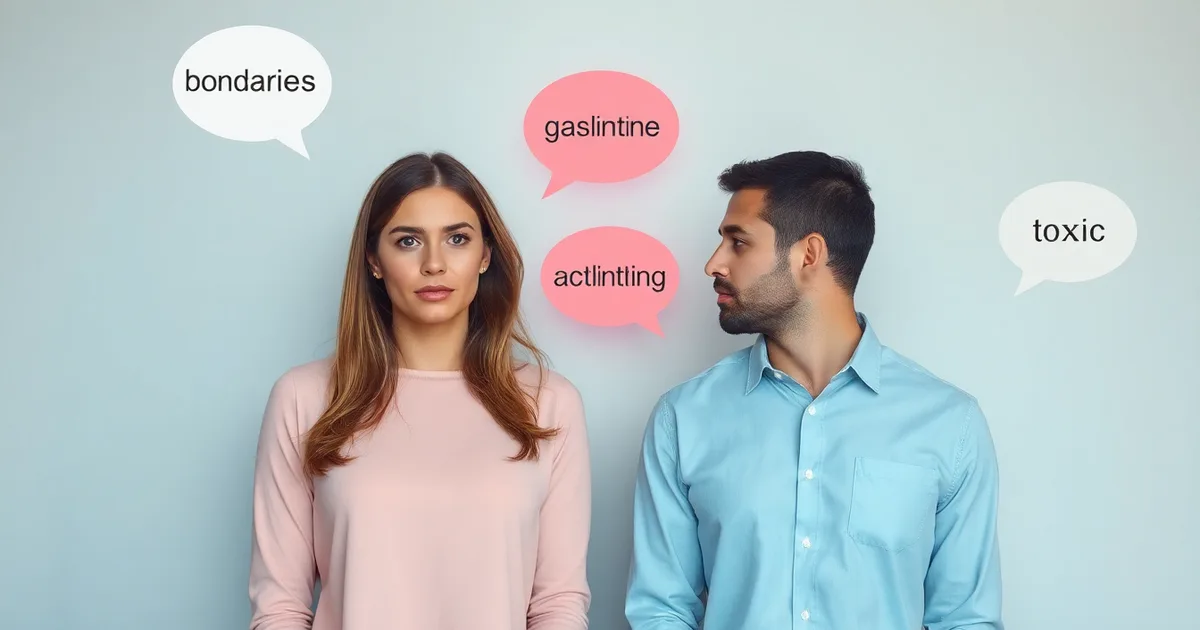
Relationship gaslighting recovery is a comprehensive healing journey that involves recognizing manipulation tactics, rebuilding self-trust, and developing protective strategies against future psychological abuse. This guide provides evidence-based recovery methods, therapeutic approaches, and practical tools to help gaslighting survivors reclaim their mental health and establish healthy relationship patterns. Recovery from gaslighting typically involves multiple phases including acknowledgment, healing, rebuilding confidence, and implementing prevention strategies.
What Is Gaslighting and How Does It Impact Victims?
Gaslighting is a form of psychological manipulation where an abuser makes their victim question their own reality, memory, and perceptions. This insidious form of emotional abuse creates profound psychological damage that can persist long after the relationship ends.
The impact of gaslighting on victims includes:
- Chronic self-doubt and confusion about personal experiences
- Memory problems and difficulty trusting recollections
- Anxiety and depression stemming from constant invalidation
- Codependency patterns and fear of making decisions
- Isolation from friends and family members
- Hypervigilance and emotional dysregulation
Research from 2026 indicates that gaslighting affects approximately 74% of individuals in emotionally abusive relationships, with recovery timelines varying from 6 months to several years depending on the duration and severity of abuse.
How to Recognize Signs of Gaslighting Recovery Needs?
Identifying the need for relationship gaslighting recovery begins with recognizing specific symptoms and behavioral patterns that indicate psychological manipulation has occurred.
Immediate Post-Gaslighting Symptoms
Victims often experience a range of symptoms that signal the need for structured recovery:
- Constant second-guessing of personal judgment
- Difficulty making simple decisions without external validation
- Apologizing excessively for normal behaviors
- Fear of expressing opinions or emotions
- Chronic confusion about past events
- Feeling "crazy" or emotionally unstable
Understanding these signs is crucial for beginning the healing process. Many survivors also experience relationship anxiety triggers that require specialized management techniques.
What Are the Essential Phases of Gaslighting Recovery?
Recovery from gaslighting follows distinct phases, each requiring specific strategies and timeframes for optimal healing outcomes.
Phase 1: Recognition and Validation (Weeks 1-4)
The first phase focuses on acknowledging the abuse and validating personal experiences:
- Documentation: Write down memories and experiences without self-censorship
- Education: Learn about gaslighting tactics and manipulation techniques
- Validation seeking: Connect with trusted friends, family, or support groups
- Professional support: Consider therapy with trauma-informed practitioners
Phase 2: Emotional Processing (Months 2-6)
This phase involves working through complex emotions and trauma responses:
- Processing anger, grief, and betrayal safely
- Developing emotional regulation techniques
- Addressing trauma bonding patterns
- Building distress tolerance skills
During this phase, many survivors discover they've experienced trauma bonding, which requires additional specialized healing approaches.
Phase 3: Rebuilding Self-Trust (Months 6-12)
The rebuilding phase focuses on restoring confidence in personal judgment and decision-making abilities.
How to Rebuild Self-Trust After Gaslighting?
Rebuilding self-trust represents one of the most critical aspects of relationship gaslighting recovery. This process requires patience, consistency, and specific therapeutic techniques.
Core Self-Trust Rebuilding Strategies
Effective self-trust restoration involves multiple interconnected approaches:
| Strategy | Technique | Timeline | Success Indicator |
|---|---|---|---|
| Reality Testing | Cross-referencing memories with trusted sources | 3-6 months | Increased confidence in recollections |
| Decision Practice | Starting with small, low-stakes choices | 2-4 months | Reduced decision anxiety |
| Intuition Development | Body awareness and gut feeling exercises | 6-12 months | Trusting internal signals |
| Boundary Setting | Practicing saying no and asserting needs | 4-8 months | Comfortable limit-setting |
Daily Self-Trust Building Exercises
Consistent daily practices accelerate the self-trust rebuilding process:
- Morning intention setting: Begin each day by identifying personal goals
- Emotion checking: Regular mood and feeling assessments
- Decision logging: Recording choices and their outcomes
- Gratitude journaling: Acknowledging personal strengths and successes
- Body scan meditation: Reconnecting with physical sensations
What Therapeutic Approaches Work Best for Gaslighting Recovery?
Professional therapeutic intervention significantly improves recovery outcomes for gaslighting survivors. Research from 2026 shows that specific modalities demonstrate superior effectiveness for this form of psychological trauma.
Evidence-Based Therapeutic Modalities
Cognitive Behavioral Therapy (CBT) helps survivors identify and challenge distorted thought patterns created by gaslighting. This approach focuses on rebuilding accurate self-perception and developing healthy coping mechanisms.
Dialectical Behavior Therapy (DBT) provides essential skills for emotional regulation, distress tolerance, and interpersonal effectiveness. These skills directly counter the psychological damage caused by chronic invalidation.
Eye Movement Desensitization and Reprocessing (EMDR) effectively processes traumatic memories and reduces their emotional intensity. This approach particularly benefits survivors with severe trauma responses.
Specialized Gaslighting Recovery Techniques
Therapeutic approaches specifically designed for gaslighting recovery include:
- Reality orientation therapy: Systematic memory validation and fact-checking
- Self-advocacy training: Building confidence in personal perspective
- Narrative therapy: Reclaiming personal story and identity
- Somatic experiencing: Reconnecting with body wisdom and intuition
How to Develop Effective Coping Strategies?
Developing robust coping strategies forms the foundation of sustainable relationship gaslighting recovery. These strategies must address both immediate crisis management and long-term emotional resilience.
Crisis Management Techniques
When experiencing acute distress or confusion, specific techniques provide immediate relief:
- Grounding exercises: 5-4-3-2-1 sensory technique for present-moment awareness
- Breath work: Box breathing and progressive muscle relaxation
- Safe person contact: Predetermined list of trusted individuals for reality checking
- Affirmation cards: Written reminders of personal truth and worth
Long-term Resilience Building
Sustainable recovery requires developing comprehensive resilience across multiple life domains:
- Emotional resilience: Regular therapy, support groups, and self-care practices
- Social resilience: Building healthy relationships and community connections
- Cognitive resilience: Critical thinking skills and reality testing abilities
- Physical resilience: Exercise, nutrition, and stress management
Many survivors find that understanding healthy communication styles helps them recognize and respond to manipulation attempts more effectively.
What Prevention Methods Protect Against Future Gaslighting?
Prevention strategies are essential for maintaining recovery progress and avoiding revictimization. These methods focus on early recognition, boundary maintenance, and relationship skill development.
Red Flag Recognition System
Developing sensitivity to early warning signs prevents deeper involvement with potential manipulators:
- Excessive flattery or love bombing behaviors
- Attempts to isolate from friends and family
- Dismissive responses to concerns or emotions
- Inconsistencies between words and actions
- Pressure to make quick relationship decisions
Boundary Development Framework
Strong personal boundaries serve as the primary defense against manipulation:
"Healthy boundaries are not walls that keep people out, but gates that allow you to control what comes into your life." - Dr. Sarah Chen, Relationship Trauma Specialist, 2026
Essential boundary categories include:
- Emotional boundaries: Protecting feelings and self-worth
- Communication boundaries: Maintaining respectful dialogue standards
- Time boundaries: Controlling access to personal schedule
- Physical boundaries: Ensuring bodily autonomy and safety
How to Build a Support Network During Recovery?
A strong support network accelerates healing and provides essential validation during the recovery process. Research indicates that survivors with robust support systems recover 40% faster than those attempting recovery in isolation.
Professional Support Team
Building a comprehensive professional support team ensures access to specialized expertise:
- Primary therapist: Individual trauma-informed counseling
- Support group facilitator: Group therapy for shared experiences
- Medical provider: Addressing physical health impacts
- Legal counsel: If safety or custody issues arise
Personal Support Network
Cultivating personal relationships that support recovery requires careful selection and nurturing:
- Identify individuals who validate your experiences
- Communicate your recovery needs clearly
- Practice reciprocal support when possible
- Gradually expand your social circle
Understanding healthy relationship indicators helps survivors recognize supportive versus harmful connections.
What Role Does Self-Care Play in Gaslighting Recovery?
Self-care practices form the foundation of sustainable relationship gaslighting recovery. These practices rebuild the self-nurturing capacity often destroyed by chronic invalidation and emotional abuse.
Essential Self-Care Categories
Comprehensive self-care addresses multiple aspects of wellbeing:
- Physical self-care: Nutrition, exercise, sleep hygiene, medical care
- Emotional self-care: Therapy, journaling, creative expression, emotional release
- Mental self-care: Learning, reading, puzzle-solving, meditation
- Social self-care: Healthy relationships, community involvement, boundary setting
- Spiritual self-care: Meaning-making, nature connection, values exploration
Daily Self-Care Implementation
Consistent daily practices create sustainable healing momentum:
- Morning routine: Gentle wake-up practices and intention setting
- Midday check-in: Emotional state assessment and needs evaluation
- Evening reflection: Gratitude practice and day processing
- Weekly planning: Scheduling enjoyable and nurturing activities
How Long Does Complete Recovery Take?
Recovery timelines vary significantly based on individual factors, but research provides general frameworks for understanding the healing process. Complete recovery typically ranges from 18 months to 3 years for most survivors.
Factors Affecting Recovery Timeline
Several variables influence the speed and completeness of recovery:
- Duration of abuse: Longer exposure requires extended healing time
- Severity of manipulation: Intensive gaslighting creates deeper trauma
- Pre-existing mental health: Prior resilience affects recovery capacity
- Support system strength: Robust support accelerates healing
- Treatment consistency: Regular therapy improves outcomes
Recovery Milestones
Key indicators of progress include:
- 3 months: Reduced daily confusion and increased reality orientation
- 6 months: Improved decision-making confidence and emotional stability
- 12 months: Stronger self-trust and healthier relationship patterns
- 18+ months: Sustained confidence and effective prevention strategies
Practical Recovery Action Steps
Implementing structured action steps creates momentum and measurable progress in relationship gaslighting recovery:
Immediate Actions (Week 1-2)
- Create a safety plan if still in contact with the abuser
- Begin documenting your experiences and memories
- Reach out to at least one trusted friend or family member
- Research local therapy options and support groups
- Start basic self-care routines focusing on sleep and nutrition
Short-term Goals (Month 1-3)
- Establish regular therapy sessions with a trauma-informed practitioner
- Join a support group for abuse survivors
- Implement daily mindfulness or meditation practice
- Begin gentle exercise routine for stress management
- Practice reality testing with trusted individuals
Medium-term Objectives (Month 3-12)
- Develop and practice boundary-setting skills
- Work on rebuilding self-trust through graduated decision-making
- Address any co-occurring mental health conditions
- Strengthen social connections and build new friendships
- Explore creative or meaningful activities for identity rebuilding
Long-term Maintenance (12+ months)
- Continue therapy as needed for ongoing support
- Mentor other survivors or engage in advocacy work
- Maintain strong personal boundaries in all relationships
- Regular self-assessment for red flags in new relationships
- Ongoing education about healthy relationship dynamics
Prevention Strategies for Future Relationships
Preventing future victimization requires developing sophisticated awareness and protective strategies that become second nature over time.
Relationship Screening Process
Implementing a systematic approach to evaluating new relationships:
- Slow relationship progression: Take time to observe patterns over months
- Consistency evaluation: Monitor alignment between words and actions
- Respect assessment: Evaluate how they handle disagreements and boundaries
- Social integration: Notice their attitude toward your other relationships
- Personal growth support: Assess whether they encourage your individual development
Ongoing Vigilance Strategies
Maintaining awareness without becoming hypervigilant requires balanced approaches:
- Regular check-ins with trusted friends about relationship observations
- Maintaining independent interests and friendships
- Periodic self-assessment of decision-making confidence
- Continued education about manipulation tactics and unhealthy communication patterns
Relationship gaslighting recovery is a comprehensive journey that requires patience, professional support, and consistent self-advocacy. While the healing process can be challenging, survivors consistently report profound personal growth, stronger self-awareness, and more fulfilling relationships following their recovery journey. The key lies in recognizing that recovery is not just about healing from past trauma, but building resilience and wisdom for future relationships. With proper support, therapeutic intervention, and commitment to the process, complete recovery is not only possible but can lead to a more authentic and empowered way of living.