Ecommerce live commerce streaming has emerged as one of the most powerful selling channels in 2026, combining the engagement of live video with the convenience of online shopping. This comprehensive guide covers everything you need to implement successful live streaming shopping experiences, from technical setup to interactive sales strategies. Live commerce enables real-time product demonstrations, instant customer interaction, and immediate purchasing decisions, creating a dynamic shopping environment that drives significantly higher conversion rates than traditional ecommerce methods.
What Is Ecommerce Live Commerce Streaming?
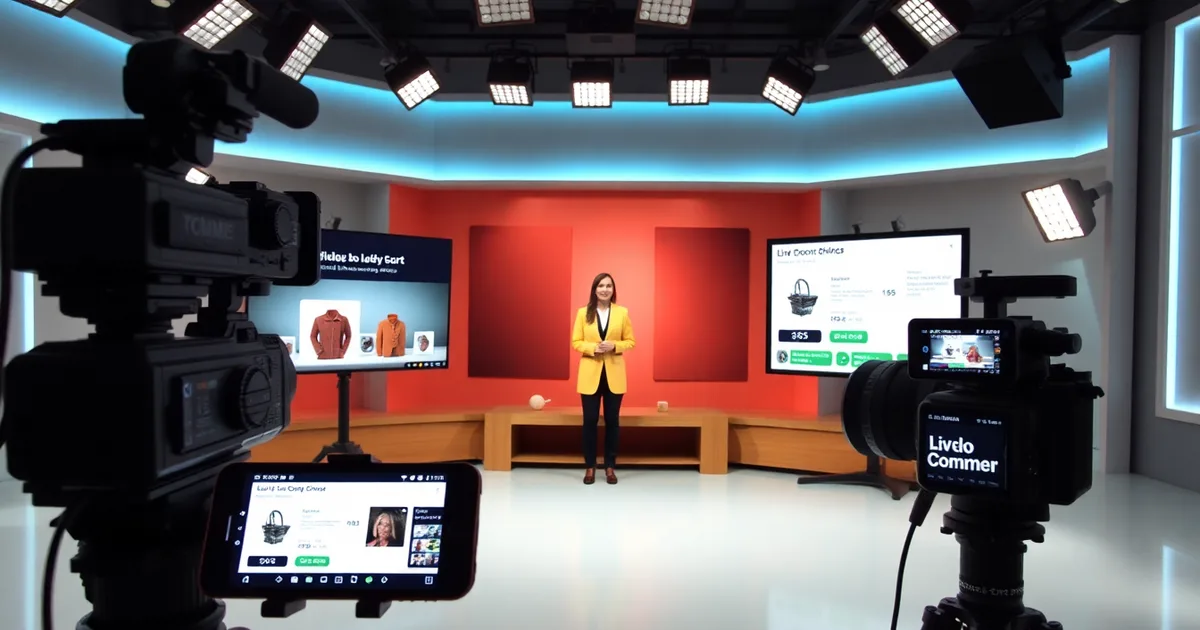
Live commerce streaming is an interactive shopping format that combines live video broadcasting with ecommerce functionality, allowing customers to watch product demonstrations in real-time while making instant purchases. This format bridges the gap between online and offline retail experiences by providing immediate interaction, authentic product showcases, and social shopping elements.
The live commerce market has grown exponentially, with global live streaming ecommerce sales reaching $480 billion in 2025 and projected to exceed $720 billion by 2027. This growth is driven by increased consumer demand for authentic, interactive shopping experiences and the proven effectiveness of real-time engagement in driving purchase decisions.
Key characteristics of successful live commerce streaming include:
- Real-time product demonstrations and tutorials
- Interactive chat functionality for immediate customer questions
- Seamless in-stream purchasing capabilities
- Limited-time offers and exclusive deals during broadcasts
- Host-led product education and storytelling
- Social proof through viewer comments and purchases
How to Choose the Right Live Commerce Platform?
Selecting the appropriate platform is crucial for successful ecommerce live commerce streaming implementation. The choice depends on your target audience, technical requirements, budget, and integration capabilities with existing ecommerce systems.
Major live commerce platforms offer different features and audience reach:
| Platform | Best For | Key Features | Integration Complexity |
|---|---|---|---|
| Instagram Live Shopping | Fashion, Beauty, Lifestyle | Product tags, checkout, 1B+ users | Low |
| Facebook Live Shopping | Broad demographics | Collection ads, messenger integration | Low |
| TikTok Live Shopping | Gen Z, Millennials | Native checkout, viral potential | Medium |
| YouTube Live Commerce | Educational content | Super Chat, merchandise shelf | Medium |
| Custom Live Commerce | Enterprise brands | Full customization, data ownership | High |
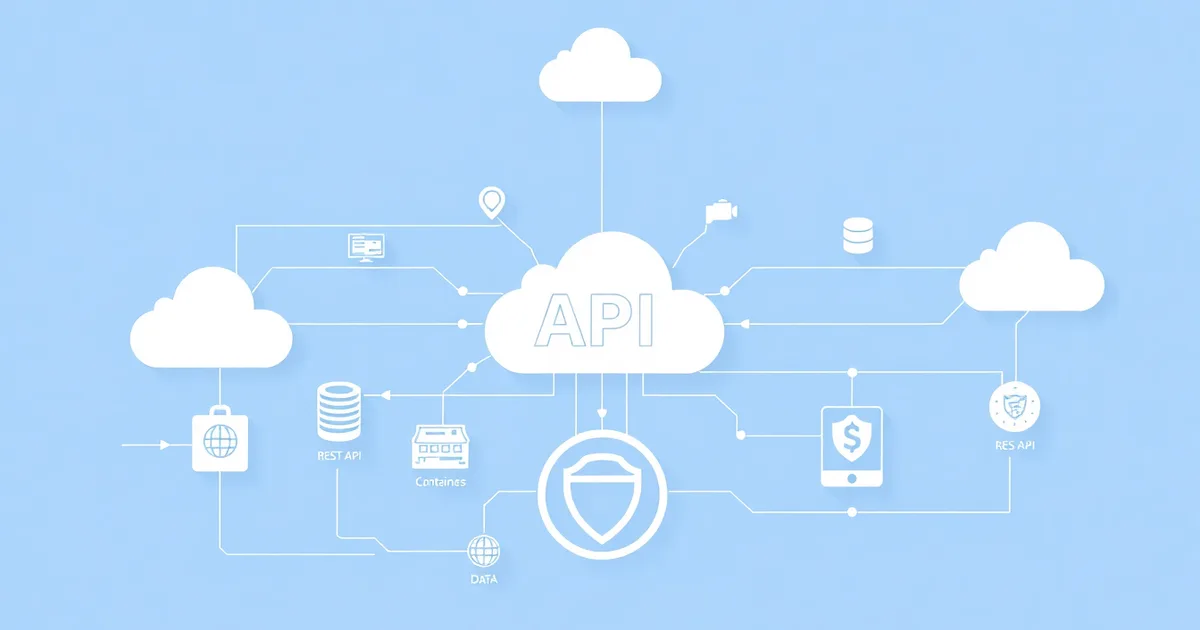
When evaluating platforms, consider technical requirements such as streaming quality, mobile optimization, payment processing capabilities, and analytics depth. The integration with your existing ecommerce personalization engine is also critical for delivering relevant product recommendations during live streams.
What Technical Infrastructure Do You Need for Live Commerce?
Implementing successful live commerce streaming requires robust technical infrastructure to handle real-time video delivery, concurrent user interactions, and seamless purchase processing. The technical foundation directly impacts stream quality, user experience, and conversion rates.
Essential technical components include:
- High-Quality Streaming Setup
- Professional cameras (minimum 1080p, preferably 4K)
- Multiple camera angles for dynamic product showcasing
- Professional lighting equipment for clear product visibility
- High-quality audio equipment and wireless microphones
- Stable internet connection (minimum 10 Mbps upload speed)
- Streaming Software and Encoding
- Professional streaming software (OBS Studio, Streamlabs, XSplit)
- Hardware encoders for enterprise-level streaming
- Content delivery network (CDN) integration
- Adaptive bitrate streaming for varying connection speeds
- Ecommerce Integration Systems
- Real-time inventory management integration
- Secure payment processing systems
- Customer authentication and profile management
- Order fulfillment automation
The technical infrastructure should also support scalability, as successful live commerce events can attract thousands of concurrent viewers. Consider implementing progressive web app technology to ensure optimal mobile performance during live shopping sessions.
How to Plan and Execute Effective Live Commerce Content?
Content planning is the cornerstone of successful live commerce streaming, requiring strategic preparation, engaging presentation formats, and clear value propositions for viewers. Effective content combines entertainment, education, and sales in a seamless experience that keeps audiences engaged and motivated to purchase.
Pre-event planning strategies include:
- Audience Research and Segmentation: Analyze customer data to understand preferences, shopping behaviors, and optimal streaming times
- Product Selection and Positioning: Choose products that demonstrate well on camera and offer clear visual benefits
- Script Development: Create flexible scripts that include key product information, pricing, and call-to-actions
- Technical Rehearsals: Test all equipment, integrations, and backup systems before going live
- Promotional Strategy: Develop multi-channel marketing campaigns to drive stream attendance
During live streams, successful content follows proven engagement patterns:
- Opening Hook (First 30 seconds): Present exclusive offers or preview exciting products to retain viewers
- Product Demonstrations (Main Content): Show products in use, highlight key features, and address common customer questions
- Interactive Segments: Respond to chat questions, conduct polls, and encourage viewer participation
- Urgency Creation: Use limited-time offers, flash sales, and inventory countdowns
- Clear Call-to-Actions: Regularly direct viewers to purchase with simple, obvious instructions
What Are the Best Interactive Features for Live Shopping?
Interactive features transform passive viewing into active participation, significantly increasing engagement rates and purchase conversions. The most effective live commerce streams incorporate multiple interactive elements that create a dynamic, social shopping experience.
Essential interactive features include:
- Real-Time Chat and Q&A: Enable immediate customer questions and host responses, creating authentic dialogue about products
- Live Polls and Surveys: Gather audience preferences for product variations, colors, or features in real-time
- Virtual Shopping Cart: Display running totals and recently added items to create social proof and urgency
- Gamification Elements: Implement spin wheels, contests, and rewards for engagement activities
- Guest Appearances: Feature customer testimonials, influencer collaborations, or expert demonstrations
- Augmented Reality Try-Ons: Integrate AR technology for virtual product testing during streams
Advanced interactive features leverage artificial intelligence and data analytics:
"Interactive live commerce features increase average session duration by 400% and conversion rates by 280% compared to traditional product pages." - Live Commerce Analytics Report 2026
These features work particularly well when combined with augmented reality ecommerce solutions that allow customers to virtually try products during live demonstrations.
How to Optimize Live Commerce for Mobile Devices?
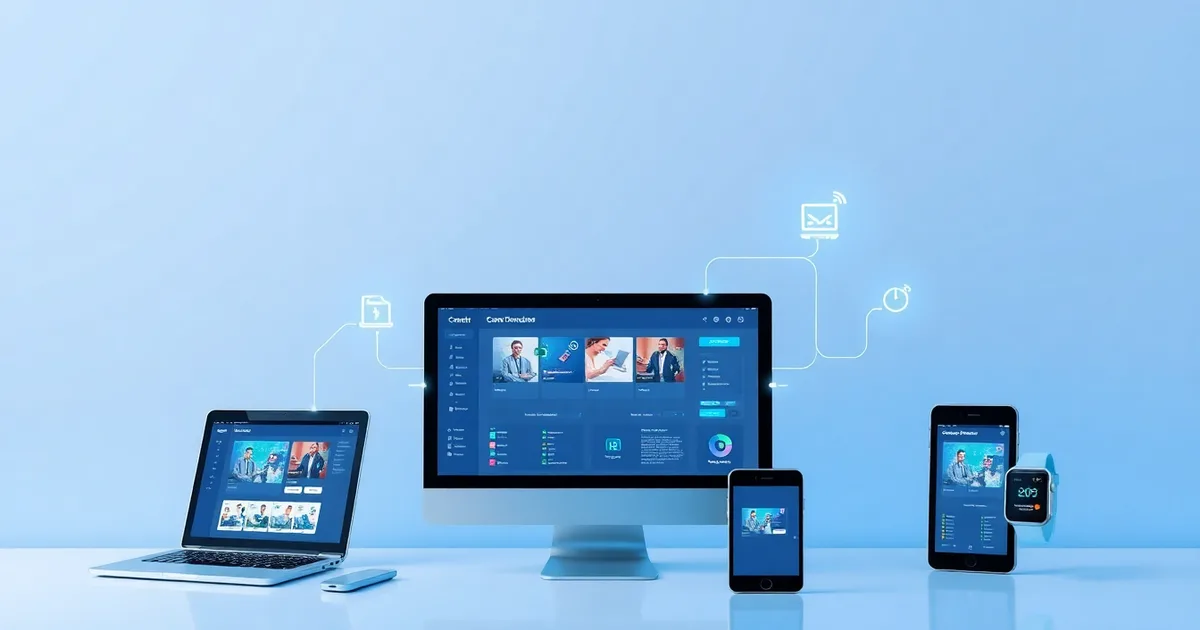
Mobile optimization is critical for live commerce success, as over 78% of live shopping sessions occur on mobile devices in 2026. Mobile-first design ensures seamless user experiences across all screen sizes and maintains high engagement throughout the streaming experience.
Key mobile optimization strategies include:
- Responsive Stream Layout
- Vertical video format for mobile-first viewing
- Touch-optimized interface elements
- Simplified navigation and reduced tap targets
- Fast-loading product images and information
- Mobile Payment Integration
- One-tap checkout processes
- Digital wallet integration (Apple Pay, Google Pay)
- Biometric authentication for security
- Guest checkout options for new customers
- Performance Optimization
- Adaptive streaming quality based on connection speed
- Minimized data usage without quality loss
- Offline capability for product information
- Fast loading times under 3 seconds
Mobile live commerce also benefits from location-based features such as local inventory availability, nearby store pickup options, and region-specific promotions that enhance the shopping experience.
How to Measure and Analyze Live Commerce Performance?
Comprehensive analytics and measurement systems are essential for optimizing live commerce performance and demonstrating ROI. Effective measurement goes beyond basic metrics to analyze customer behavior, engagement patterns, and sales attribution throughout the customer journey.
Key performance indicators (KPIs) for live commerce include:
| Metric Category | Key Metrics | Industry Benchmark (2026) |
|---|---|---|
| Engagement | Average watch time, chat interactions, poll participation | 8-12 minutes average, 25% chat participation |
| Conversion | Purchase rate, cart abandonment, average order value | 12-18% conversion rate, $45-78 AOV |
| Audience | Concurrent viewers, retention rate, return viewers | 500-2000 peak viewers, 65% retention |
| Revenue | Revenue per viewer, cost per acquisition, lifetime value | $8-15 RPV, $12-25 CPA |
Advanced analytics should track customer behavior across multiple touchpoints, integrating live commerce data with overall customer lifetime value calculations to understand long-term impact.
Post-stream analysis includes:
- Heat mapping of viewer engagement throughout the stream
- Product performance analysis and inventory impact
- Customer feedback and satisfaction surveys
- Attribution analysis for assisted conversions
- ROI calculation including production costs and time investment
What Are the Common Challenges in Live Commerce Implementation?
Implementing live commerce streaming presents several technical, operational, and strategic challenges that businesses must address for successful deployment. Understanding these challenges enables better preparation and risk mitigation strategies.
Technical challenges include:
- Scalability Issues: Managing sudden traffic spikes during popular streams without performance degradation
- Integration Complexity: Connecting live streaming platforms with existing ecommerce systems and inventory management
- Payment Processing: Handling high-volume transactions during peak moments while maintaining security
- Multi-Platform Synchronization: Broadcasting simultaneously across multiple channels with consistent quality
Operational challenges involve:
- Content Quality Consistency: Maintaining engaging, professional presentations across regular streaming schedules
- Inventory Coordination: Ensuring real-time stock levels and preventing overselling during live events
- Staff Training: Developing hosting skills and technical competencies for live streaming teams
- Customer Service: Managing real-time inquiries and post-purchase support for live commerce customers
Strategic solutions for common challenges:
- Implement robust testing procedures and backup systems
- Develop comprehensive staff training programs
- Create detailed contingency plans for technical failures
- Establish clear customer service protocols for live commerce
- Use automated inventory management systems for real-time stock updates
How to Scale Live Commerce Operations Effectively?
Scaling live commerce operations requires systematic expansion of technical infrastructure, content production capabilities, and operational processes. Successful scaling maintains quality standards while increasing reach and revenue potential across multiple channels and markets.
Scaling strategies include:
- Technology Infrastructure Scaling
- Cloud-based streaming solutions for elastic capacity
- Automated content distribution across multiple platforms
- AI-powered personalization for different audience segments
- Advanced analytics for performance optimization
- Content Production Scaling
- Multiple streaming studios for concurrent broadcasts
- Content calendar optimization for global time zones
- Specialized hosts for different product categories
- Automated content creation and scheduling tools
- Operational Scaling
- Standardized processes and quality control systems
- Cross-trained staff for flexibility and redundancy
- Performance monitoring and continuous improvement protocols
- Vendor partnerships for specialized services
International expansion requires additional considerations such as localization, payment method variations, and regulatory compliance. Successful global live commerce operations often partner with local influencers and marketing automation systems to build trust and relevance in new markets.
What Are the Future Trends in Live Commerce Streaming?
The live commerce landscape continues evolving rapidly, with emerging technologies and changing consumer behaviors shaping future developments. Understanding these trends enables businesses to prepare for upcoming opportunities and maintain competitive advantages.
Emerging trends for 2026-2027 include:
- AI-Enhanced Personalization: Machine learning algorithms that customize product recommendations and pricing in real-time during streams
- Virtual and Augmented Reality Integration: Immersive shopping experiences that allow virtual product interaction during live streams
- Voice Commerce Integration: Hands-free purchasing through voice commands during live shopping sessions
- Blockchain and NFT Integration: Limited edition digital products and ownership verification for exclusive items
- Social Commerce Expansion: Deeper integration with social media platforms and user-generated content
Technology convergence is creating new possibilities:
"By 2027, 65% of live commerce sessions will incorporate AI-powered features, and 40% will include some form of AR/VR interaction." - Digital Commerce Research Institute
Preparation strategies for future trends include investing in flexible technology architectures, developing AI and data analytics capabilities, and building partnerships with emerging technology providers.
Practical Implementation Steps for Live Commerce Success
Successfully implementing live commerce streaming requires systematic execution across multiple phases. These practical steps provide a roadmap for businesses launching their first live commerce initiatives.
- Phase 1: Foundation Setup (Weeks 1-4)
- Conduct market research and audience analysis
- Select appropriate streaming platforms and technology stack
- Invest in essential equipment and software
- Develop content strategy and production workflows
- Set up analytics and measurement systems
- Phase 2: Content Development (Weeks 5-8)
- Create content calendars and production schedules
- Develop scripts and presentation templates
- Train hosts and production team members
- Conduct technical testing and rehearsals
- Build promotional campaigns for launch
- Phase 3: Launch and Optimization (Weeks 9-16)
- Execute soft launch with limited audience
- Gather feedback and iterate on format
- Scale to full production schedule
- Monitor performance metrics and optimize
- Expand to additional platforms and formats
- Phase 4: Growth and Expansion (Ongoing)
- Analyze performance data and refine strategy
- Implement advanced features and integrations
- Explore international expansion opportunities
- Develop strategic partnerships and collaborations
- Invest in emerging technologies and trends
Cost-Benefit Analysis and ROI Considerations
Understanding the financial implications of live commerce implementation helps businesses make informed decisions about resource allocation and expected returns. Comprehensive cost-benefit analysis includes both direct costs and opportunity costs of various implementation approaches.
Implementation costs typically include:
- Equipment and technology infrastructure ($5,000-$50,000 initial investment)
- Platform fees and software subscriptions ($500-$5,000 monthly)
- Staff training and development ($2,000-$10,000 per team member)
- Content production and marketing ($3,000-$15,000 per month)
- Ongoing optimization and maintenance (10-20% of initial investment annually)
Expected benefits and returns:
- Increased conversion rates (150-300% improvement over traditional product pages)
- Higher average order values (40-80% increase during live events)
- Improved customer engagement and loyalty (25-50% increase in repeat purchases)
- Enhanced brand visibility and social media presence
- Valuable customer data and behavioral insights
ROI typically becomes positive within 6-12 months for businesses with existing ecommerce operations and established customer bases. The integration with social proof automation systems can accelerate these returns by building trust and credibility more quickly.
Successful ecommerce live commerce streaming implementation requires strategic planning, technical expertise, and continuous optimization. By following comprehensive implementation guidelines, investing in appropriate technology infrastructure, and focusing on engaging content creation, businesses can build profitable live shopping experiences that drive customer engagement and sales growth. The key to success lies in understanding your audience, selecting suitable platforms, maintaining high-quality productions, and continuously adapting to emerging trends and customer feedback.