An ecommerce personalization engine is a sophisticated AI-powered system that analyzes customer data, behavior patterns, and preferences to deliver individualized shopping experiences across digital touchpoints. In 2026, these advanced platforms combine machine learning algorithms, real-time data processing, and predictive analytics to automatically customize product recommendations, content, pricing, and user interfaces for each visitor. Modern personalization engines process millions of data points including browsing history, purchase patterns, demographic information, and contextual factors to increase conversion rates by up to 19% and boost customer lifetime value by 15-25%.
What Is an Ecommerce Personalization Engine and How Does It Work?
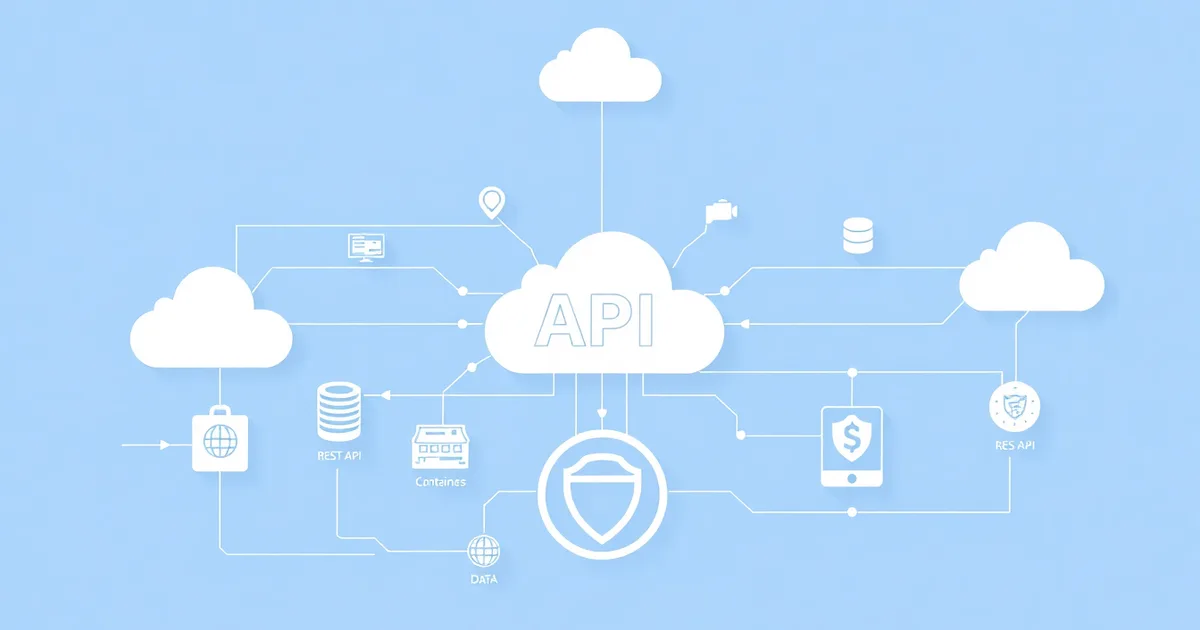
An ecommerce personalization engine is a comprehensive AI-driven platform that transforms raw customer data into actionable insights for creating unique shopping experiences. These systems operate through multiple interconnected components that work together to deliver real-time personalization.
The core architecture includes data collection layers that gather information from various touchpoints including website interactions, mobile app usage, email engagement, and social media activity. Machine learning algorithms then process this data to identify patterns and predict customer preferences with remarkable accuracy.
Modern personalization engines utilize several key technologies:
- Collaborative filtering - Analyzes similar customer behaviors to recommend products
- Content-based filtering - Matches product attributes with customer preferences
- Deep learning neural networks - Processes complex data relationships
- Real-time decision engines - Delivers instant personalization responses
- A/B testing frameworks - Continuously optimizes personalization strategies
Why Do Ecommerce Businesses Need AI-Powered Personalization in 2026?
The digital commerce landscape has become increasingly competitive, with customers expecting tailored experiences that match their individual needs and preferences. Research indicates that 80% of consumers are more likely to purchase from brands that provide personalized experiences, making personalization a critical business imperative.
Customer acquisition costs have risen by 60% over the past five years, making customer retention and lifetime value optimization essential for sustainable growth. Email marketing automation combined with personalization engines can increase retention rates by up to 25%.
Key market drivers for personalization adoption include:
- Rising customer expectations - 73% of consumers expect brands to understand their needs
- Increased competition - Differentiation through personalized experiences
- Data abundance - More customer touchpoints generate actionable insights
- Technology advancement - AI capabilities have become more accessible and affordable
- Proven ROI - Personalization delivers measurable business results
Business Impact of Personalization Engines
Leading ecommerce brands utilizing advanced personalization engines report significant performance improvements across key metrics. Revenue per visitor increases by 19% on average, while cart abandonment rates decrease by 4.6%. Customer engagement metrics also show substantial improvements, with personalized product recommendations generating 35% of Amazon's revenue.
How to Choose the Right Ecommerce Personalization Engine for Your Business?
Selecting an appropriate personalization engine requires careful evaluation of your business requirements, technical capabilities, and growth objectives. The decision process should consider factors including data integration capabilities, scalability, implementation complexity, and total cost of ownership.
Technical requirements assessment forms the foundation of your selection process. Evaluate your current technology stack, data infrastructure, and development resources to determine compatibility requirements. Consider whether you need cloud-based or on-premise solutions, API availability, and integration complexity.
Key evaluation criteria include:
- Data processing capabilities - Real-time vs. batch processing requirements
- Algorithm sophistication - Machine learning model complexity and accuracy
- Customization flexibility - Ability to tailor algorithms to your specific industry
- Scalability potential - Performance under high traffic and data volumes
- Integration ecosystem - Compatibility with existing tools and platforms
- Analytics and reporting - Comprehensive performance tracking capabilities
Budget Considerations and ROI Planning
Personalization engine costs vary significantly based on features, scale, and implementation approach. Enterprise solutions typically range from $10,000 to $100,000+ annually, while mid-market options start around $1,000-5,000 monthly. Calculate potential ROI by estimating conversion rate improvements, average order value increases, and customer lifetime value enhancements.
What Are the Key Features of Modern Personalization Engines?
Contemporary ecommerce personalization engines offer comprehensive feature sets designed to address diverse business needs and customer touchpoints. Understanding these capabilities helps businesses maximize their personalization investments and achieve optimal results.
Real-time recommendation systems represent the core functionality of most personalization engines. These systems analyze customer behavior instantly to suggest relevant products, content, or actions. Advanced engines can process thousands of data points within milliseconds to deliver contextually appropriate recommendations.
| Feature Category | Key Capabilities | Business Impact |
|---|---|---|
| Product Recommendations | AI-powered suggestions, cross-selling, upselling | 15-35% revenue increase |
| Dynamic Content | Personalized landing pages, banners, messaging | 12-25% engagement improvement |
| Behavioral Triggers | Abandonment recovery, re-engagement campaigns | 8-15% conversion recovery |
| Segmentation | Automated customer grouping, targeted campaigns | 20-30% campaign effectiveness |
| Predictive Analytics | Future behavior prediction, inventory optimization | 10-20% operational efficiency |
Advanced Personalization Capabilities
Next-generation personalization engines incorporate sophisticated features like contextual personalization that considers factors such as weather, location, time of day, and device type. Visual AI capabilities can analyze image preferences to recommend products with similar aesthetic characteristics.
How to Implement an Ecommerce Personalization Engine Successfully?
Successful personalization engine implementation requires systematic planning, phased execution, and continuous optimization. The process typically spans 3-6 months depending on complexity and customization requirements.
Begin with data audit and preparation to ensure your customer data is clean, comprehensive, and properly structured. Most personalization engines require historical data spanning at least 6-12 months to generate accurate insights and recommendations. Data quality directly impacts personalization effectiveness, making this preparation phase critical.
Implementation phases include:
- Discovery and planning - Requirements analysis, technical architecture design
- Data integration - Connect data sources, establish data pipelines
- Algorithm configuration - Set up machine learning models and rules
- Testing and validation - A/B testing, performance verification
- Gradual rollout - Phased deployment to minimize risks
- Optimization and scaling - Continuous improvement and expansion
Common Implementation Challenges and Solutions
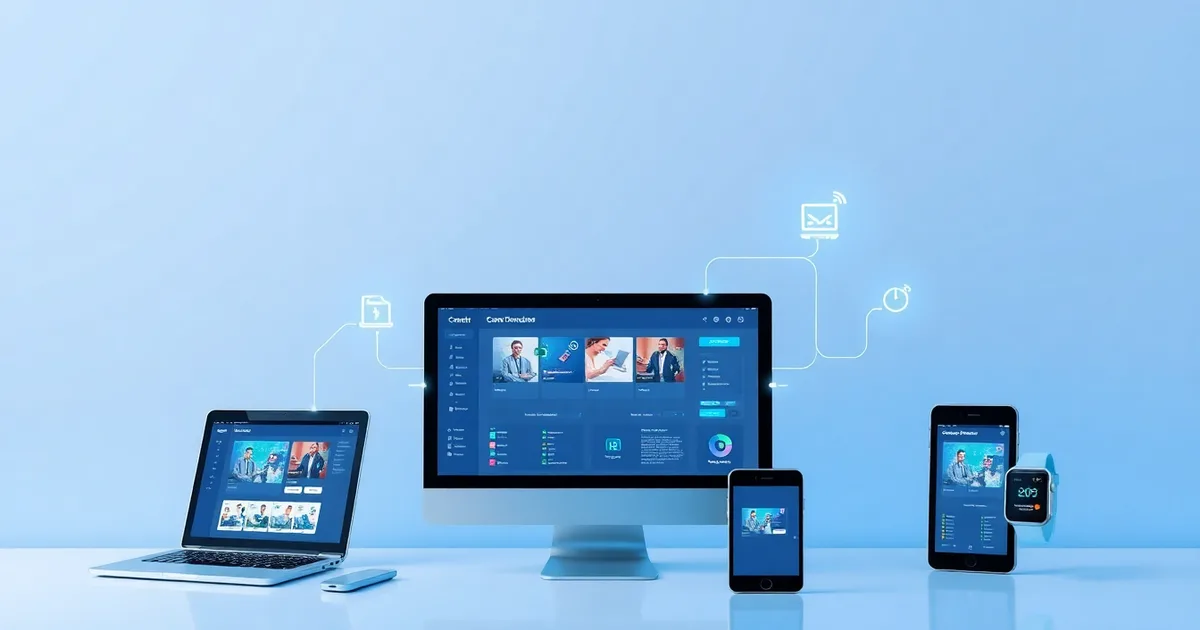
Technical integration complexity often presents the biggest implementation hurdle. Work closely with your development team and personalization vendor to address API limitations, data synchronization issues, and performance optimization requirements. Mobile optimization strategies should be considered throughout the implementation process to ensure consistent personalization across devices.
Which Personalization Strategies Drive the Highest ROI?
Data-driven personalization strategies consistently outperform generic approaches across all ecommerce verticals. The most effective strategies combine multiple personalization techniques to create comprehensive customer experiences that drive engagement and conversions.
Product recommendation optimization generates the highest immediate ROI for most ecommerce businesses. Implementing intelligent recommendation algorithms on product pages, checkout processes, and post-purchase communications can increase revenue per visitor by 15-30%. The key lies in presenting relevant alternatives and complementary products at optimal moments in the customer journey.
High-impact personalization strategies include:
- Dynamic homepage personalization - Customized landing experiences based on visitor segments
- Behavioral retargeting campaigns - Re-engaging customers with personalized messaging
- Cross-channel personalization - Consistent experiences across email, web, and mobile
- Predictive inventory management - Stocking products based on personalized demand forecasts
- Personalized pricing strategies - Dynamic pricing based on customer segments and behavior
Measuring Personalization Success
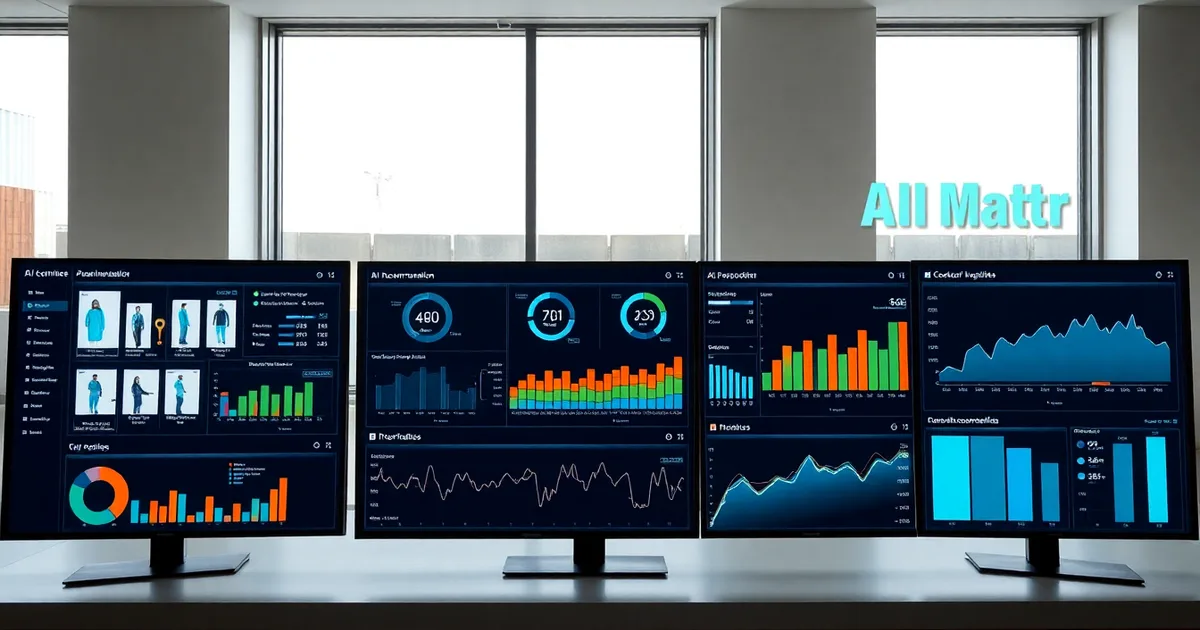
Establish comprehensive KPI frameworks to track personalization performance across multiple dimensions. Primary metrics include conversion rate improvements, average order value changes, customer lifetime value increases, and engagement rate enhancements. Advanced analytics should also monitor algorithm performance, recommendation click-through rates, and personalization coverage metrics.
What Are the Top Ecommerce Personalization Platforms in 2026?
The personalization technology landscape features diverse solutions ranging from enterprise-grade platforms to specialized niche tools. Leading platforms have evolved to offer comprehensive suites that integrate seamlessly with existing ecommerce infrastructures.
Enterprise personalization leaders include Adobe Target, Salesforce Interaction Studio, and Dynamic Yield, offering sophisticated machine learning capabilities and extensive integration options. These platforms typically serve large retailers with complex requirements and substantial budgets.
Mid-market and growing businesses often choose solutions like:
- Klaviyo - Email and SMS personalization with strong analytics
- Yotpo - Review-based personalization and customer advocacy
- Barilliance - Real-time personalization for ecommerce platforms
- Recombee - API-first recommendation engine for developers
- Optimizely - Experimentation-focused personalization platform
Emerging Personalization Technologies
Artificial intelligence continues driving innovation in personalization technology. Computer vision enables visual similarity recommendations, while natural language processing powers conversational commerce experiences. AI-powered chatbots increasingly incorporate personalization engines to deliver contextually relevant customer support and product recommendations.
How Does Personalization Impact Customer Experience and Loyalty?
Personalization fundamentally transforms customer relationships by demonstrating understanding and value for individual preferences. Customers who experience relevant personalization are 40% more likely to become repeat purchasers and spend 20% more per transaction on average.
The psychological impact of personalization creates emotional connections between customers and brands. When customers feel understood and valued through personalized experiences, they develop stronger brand affinity and increased willingness to recommend products to others. Net Promoter Scores typically improve by 10-15 points following personalization implementation.
Customer experience improvements include:
- Reduced cognitive load - Simplified decision-making through relevant options
- Increased discovery - Exposure to products customers might not have found independently
- Time savings - Faster product discovery and purchase processes
- Relevance enhancement - Content and offers matched to individual interests
- Consistency - Unified experiences across all touchpoints and devices
Building Long-term Customer Relationships
Personalization engines enable brands to evolve relationships over time by learning from each interaction. As customer preferences change, sophisticated systems adapt recommendations and experiences accordingly. This dynamic personalization maintains relevance and prevents customer experience stagnation.
What Privacy Considerations Should Businesses Address with Personalization?
Privacy regulations and consumer concerns require careful balance between personalization benefits and data protection requirements. GDPR, CCPA, and emerging privacy laws mandate transparent data collection practices and provide consumers with control over personal information usage.
Consent management becomes critical for personalization success while maintaining compliance. Implement clear opt-in processes that explain personalization benefits and allow granular control over data usage. Transparency builds trust and often increases customer willingness to share information for improved experiences.
Privacy-compliant personalization strategies include:
- Anonymized data processing - Personalizing without storing personally identifiable information
- First-party data focus - Reducing reliance on third-party data sources
- Progressive profiling - Gradually collecting information through value exchanges
- Data minimization - Collecting only necessary information for personalization goals
- Transparent communication - Clear explanations of data usage and benefits
Future Privacy Trends
Cookie deprecation and increased privacy regulations are driving innovation in privacy-preserving personalization technologies. Federated learning and differential privacy techniques enable personalization while maintaining individual privacy protection. Businesses should prepare for continued privacy landscape evolution by building flexible, compliant personalization architectures.
Practical Implementation Tips for Ecommerce Personalization Success
Successful personalization implementation requires attention to technical details, strategic planning, and continuous optimization. These practical guidelines help businesses avoid common pitfalls and maximize personalization investments.
- Start with high-impact, low-complexity implementations - Begin with product recommendations on key pages
- Ensure mobile optimization - Mobile-first personalization strategies are essential as mobile commerce continues growing
- Integrate with existing marketing tools - Connect personalization engines with email marketing, social commerce, and advertising platforms
- Focus on data quality - Clean, comprehensive data produces better personalization results
- Test everything - Use A/B testing to validate personalization effectiveness
- Monitor performance continuously - Track key metrics and optimize algorithms regularly
- Train customer service teams - Ensure support staff understand personalization features and customer benefits
- Plan for scalability - Choose solutions that grow with your business needs
- Consider cross-border implications - Global expansion strategies should account for localized personalization requirements
- Develop fallback strategies - Ensure graceful degradation when personalization systems encounter issues
Personalization ROI Measurement and Optimization Framework
Measuring personalization return on investment requires comprehensive tracking across multiple dimensions and timeframes. Short-term metrics like conversion rate improvements provide immediate feedback, while long-term measurements such as customer lifetime value changes demonstrate sustained impact.
Establish baseline measurements before personalization implementation to accurately assess improvements. Key performance indicators should align with business objectives and provide actionable insights for optimization decisions.
| Metric Category | Primary KPIs | Measurement Frequency | Target Improvement |
|---|---|---|---|
| Conversion Metrics | Conversion rate, revenue per visitor | Daily | 10-25% increase |
| Engagement Metrics | Time on site, pages per session | Weekly | 15-30% increase |
| Customer Value | Average order value, lifetime value | Monthly | 5-20% increase |
| Retention Metrics | Repeat purchase rate, churn reduction | Quarterly | 8-15% improvement |
Advanced Analytics and Attribution
Sophisticated attribution modeling helps identify personalization's contribution to customer acquisition, retention, and revenue growth. Multi-touch attribution provides clearer pictures of personalization impact across complex customer journeys involving multiple touchpoints and interactions.
The future of ecommerce personalization lies in increasingly sophisticated AI capabilities and seamless cross-channel experiences. As machine learning algorithms become more advanced and data integration improves, personalization engines will deliver even more accurate and valuable customer experiences. Businesses investing in comprehensive personalization strategies today position themselves for sustained competitive advantages and customer loyalty in the evolving digital commerce landscape. Success requires careful platform selection, thoughtful implementation, continuous optimization, and unwavering focus on customer value creation through relevant, timely, and respectful personalized experiences.