Ecommerce influencer marketing automation has revolutionized how brands manage partnerships, streamline campaigns, and measure ROI at scale. This comprehensive guide covers automated influencer discovery, partnership management, campaign optimization, and advanced ROI tracking techniques that enable ecommerce businesses to efficiently manage hundreds of influencer relationships while maximizing return on investment and reducing manual workload.
What Is Ecommerce Influencer Marketing Automation?
Ecommerce influencer marketing automation refers to the systematic use of software tools and platforms to streamline influencer discovery, outreach, campaign management, content approval, and performance tracking processes. This approach enables brands to scale their influencer programs efficiently while maintaining quality control and measurable results.
Modern automation platforms integrate multiple functions including influencer database management, contract automation, content scheduling, payment processing, and comprehensive analytics. These systems reduce manual tasks by up to 80% while improving campaign performance through data-driven optimization.
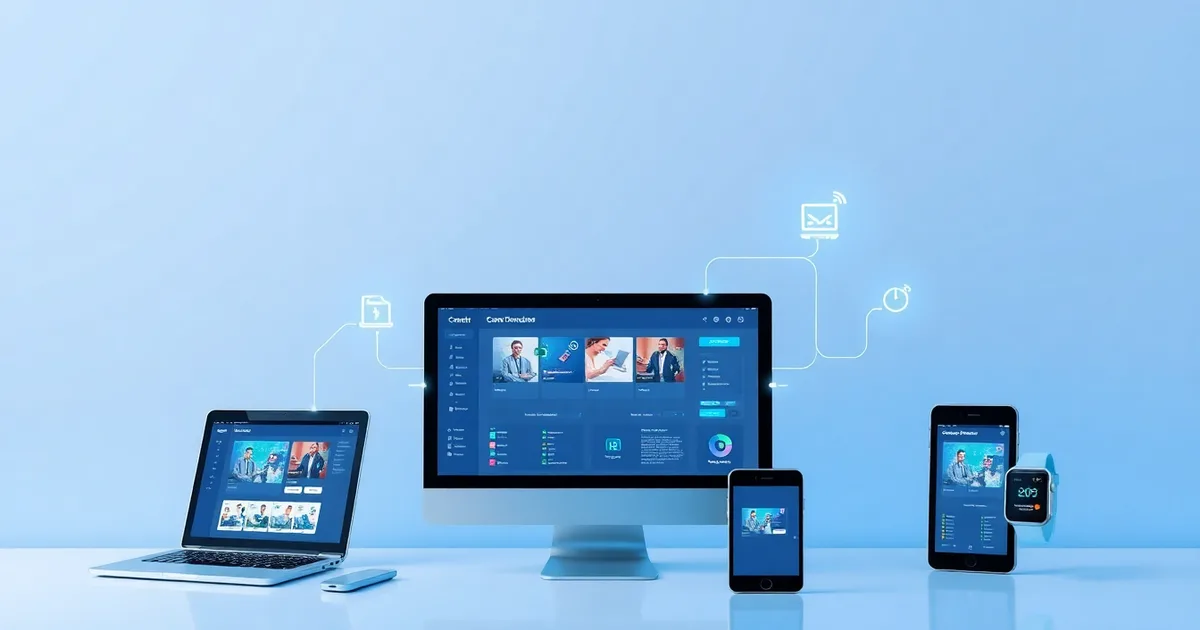
The automation ecosystem typically includes CRM-style influencer management, automated outreach sequences, content approval workflows, performance dashboards, and integrated payment systems. This holistic approach ensures consistent brand messaging while scaling partnership programs effectively.
How Does Automated Influencer Discovery Work?
Automated influencer discovery leverages advanced algorithms and data analytics to identify potential brand partners based on specific criteria. These systems analyze millions of social media profiles, engagement rates, audience demographics, and content quality to match brands with suitable influencers.
Key discovery automation features include:
- AI-powered audience analysis - Examines follower demographics, interests, and purchasing behavior
- Engagement rate algorithms - Identifies authentic engagement versus fake followers
- Brand safety screening - Automatically flags potentially problematic content or associations
- Competitor analysis - Identifies influencers working with competing brands
- Content style matching - Analyzes visual and messaging alignment with brand aesthetics
Advanced platforms use machine learning to continuously refine discovery algorithms based on campaign performance data, improving match quality over time. This creates a feedback loop that enhances future influencer recommendations.
What Are the Essential Components of Automated Campaign Management?
Effective automated campaign management encompasses multiple interconnected systems that handle different aspects of influencer partnerships from initial outreach through final reporting.
Outreach and Communication Automation
Automated outreach systems personalize initial contact messages using influencer-specific data points such as recent content, engagement metrics, and audience demographics. These platforms maintain communication histories and automatically follow up based on predetermined sequences.
Email templates adapt dynamically based on influencer tier, content type, and campaign objectives. Advanced systems integrate with social media platforms to send direct messages across multiple channels simultaneously.
Contract and Legal Automation
Digital contract platforms generate customized agreements based on campaign parameters, automatically including relevant clauses for content rights, exclusivity periods, and performance requirements. Electronic signature integration streamlines the approval process.
Automated systems track contract compliance, sending alerts for content deadlines, exclusivity violations, and performance milestones. This reduces legal risks while ensuring campaign deliverables are met consistently.
How to Set Up Effective ROI Tracking Systems?
Comprehensive ROI tracking requires integrating multiple data sources to accurately attribute sales, engagement, and brand awareness metrics to specific influencer activities. Modern tracking systems provide real-time performance insights and predictive analytics.
Attribution Modeling
Multi-touch attribution models track customer journeys from initial influencer exposure through final purchase. These systems assign conversion credit across touchpoints, providing accurate ROI calculations for influencer contributions.
| Attribution Model | Description | Best For |
|---|---|---|
| First-Touch | Full credit to first influencer interaction | Brand awareness campaigns |
| Last-Touch | Full credit to final influencer touchpoint | Direct response campaigns |
| Linear | Equal credit across all touchpoints | Multi-channel campaigns |
| Time-Decay | More credit to recent interactions | Shorter sales cycles |
| Data-Driven | Algorithm-based credit assignment | Complex customer journeys |
Performance Metrics Integration
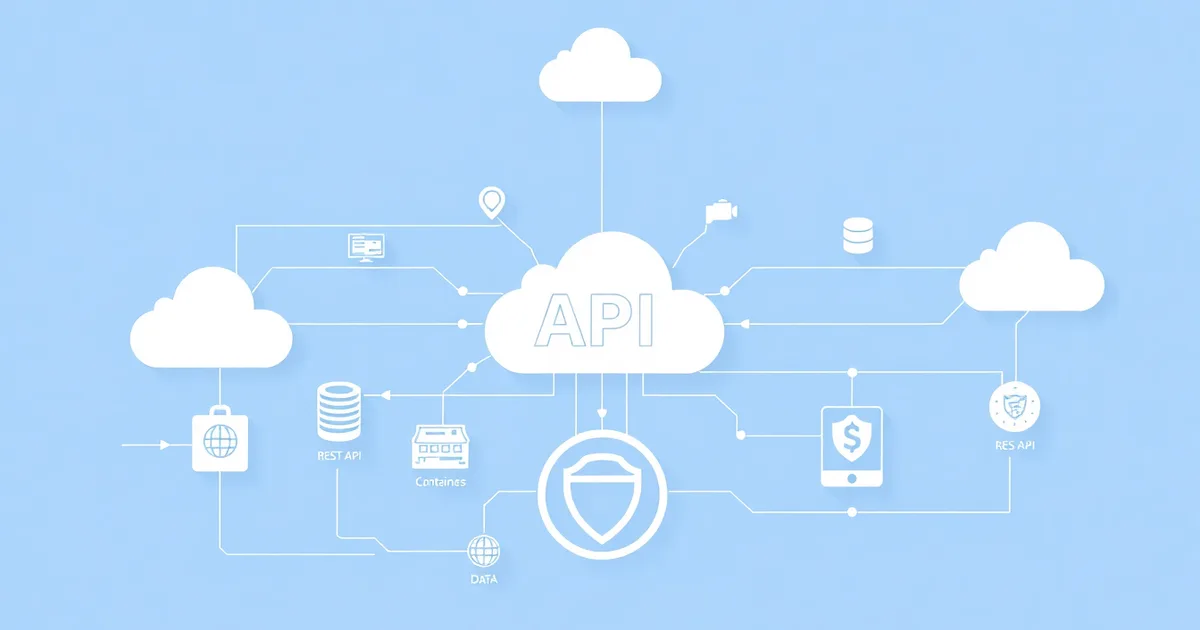
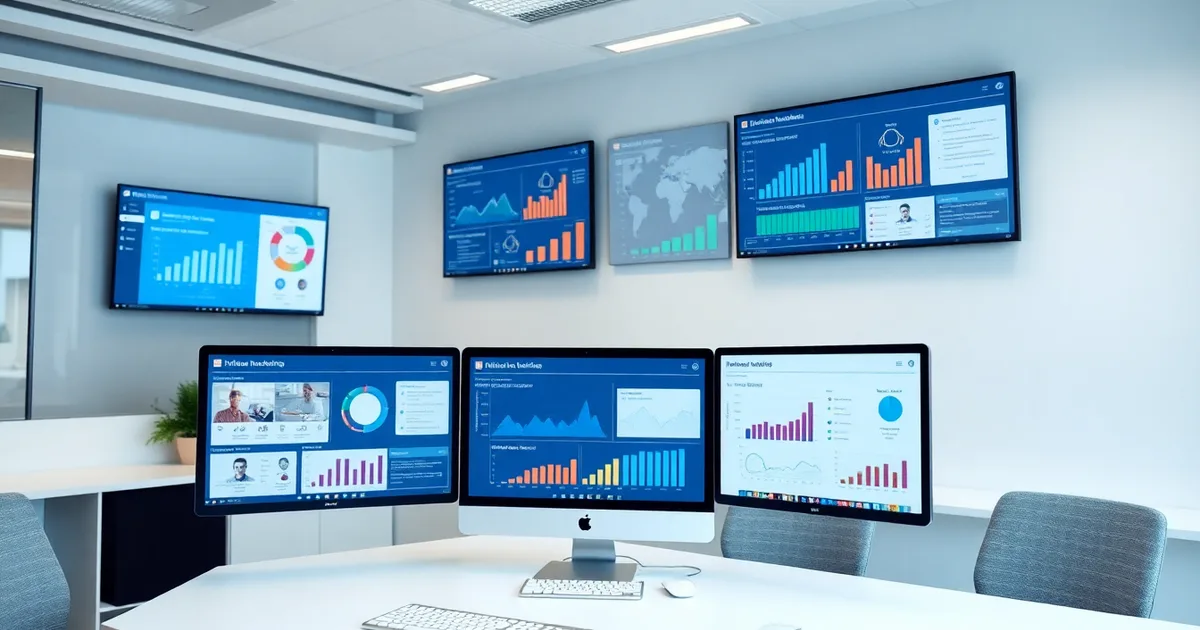
Automated tracking systems integrate with ecommerce platforms, social media APIs, and analytics tools to provide comprehensive performance dashboards. Key metrics include conversion rates, customer lifetime value calculations, engagement rates, and brand sentiment analysis.
Real-time data feeds enable campaign optimization during active periods, allowing brands to reallocate budgets toward top-performing partnerships and adjust content strategies based on audience response.
What Tools Are Essential for Influencer Marketing Automation?
Selecting appropriate automation tools depends on campaign scale, budget constraints, and specific business requirements. Enterprise-level platforms offer comprehensive solutions while specialized tools excel in particular areas.
All-in-One Platforms
Comprehensive platforms like AspireIQ, Upfluence, and Creator.co provide end-to-end automation including discovery, outreach, campaign management, and analytics. These solutions work best for brands managing large influencer programs across multiple channels.
Integration capabilities with existing email marketing automation systems and ecommerce platforms ensure seamless data flow and unified reporting across marketing channels.
Specialized Automation Tools
Niche tools focus on specific automation aspects:
- Discovery tools - HypeAuditor, Modash for influencer identification
- Content management - Later Influence, Hootsuite for scheduling and approval
- Analytics platforms - Socialbakers, Brandwatch for performance measurement
- Payment automation - PayPal Mass Pay, Tipalti for influencer compensation
How to Optimize Automated Campaign Performance?
Continuous optimization ensures automated campaigns deliver maximum ROI while maintaining brand quality standards. Data-driven optimization relies on performance analytics, A/B testing, and predictive modeling.
Key optimization strategies include:
- Segmented targeting - Create influencer tiers based on performance history and audience quality
- Dynamic budget allocation - Automatically shift spending toward high-performing partnerships
- Content testing - A/B test messaging, creative formats, and posting times
- Seasonal adjustments - Adapt campaigns based on historical seasonal performance data
- Audience overlap analysis - Minimize redundant spending on similar audience segments
Predictive Analytics Implementation
Machine learning algorithms analyze historical campaign data to predict future performance, optimal posting times, and audience response patterns. These insights enable proactive campaign adjustments before performance issues occur.
Predictive models consider factors including influencer engagement trends, seasonal purchasing patterns, competitive activity, and broader market conditions to forecast campaign outcomes and recommend optimization strategies.
What Are Common Automation Challenges and Solutions?
While automation offers significant benefits, implementation challenges require careful planning and ongoing management to ensure successful outcomes.
Authenticity Concerns
Over-automation can reduce authenticity in influencer relationships and content creation. Balancing efficiency with genuine partnership building requires maintaining personal touchpoints throughout automated processes.
Solutions include personalized outreach messages, regular check-ins with top-performing influencers, and flexible content guidelines that allow creative freedom within brand parameters.
Data Quality Issues
Automated systems rely heavily on accurate data for effective decision-making. Poor data quality can lead to inappropriate influencer matches and inaccurate performance measurement.
Implementing data validation processes, regular system audits, and multiple verification sources ensures automation tools operate with reliable information. Fraud prevention measures help identify fake followers and engagement manipulation.
How to Measure Long-Term Automation Success?
Long-term success measurement extends beyond immediate campaign metrics to include brand building, customer acquisition efficiency, and program scalability indicators.
Comprehensive success metrics include:
- Cost per acquisition trends - Tracking CPA improvements over time
- Brand awareness lift - Measuring organic mention increases and sentiment improvements
- Partner relationship quality - Monitoring influencer satisfaction and retention rates
- Operational efficiency gains - Calculating time savings and resource optimization
- Revenue attribution growth - Tracking increasing contribution to overall sales
Integration with Broader Marketing Ecosystem
Successful automation integrates with other marketing channels including social commerce platforms and personalization engines to create cohesive customer experiences across touchpoints.
Cross-channel attribution ensures influencer marketing automation contributes effectively to overall marketing objectives while avoiding channel conflicts and budget inefficiencies.
Essential Implementation Tips for Ecommerce Brands
- Start with clear objectives - Define specific goals before selecting automation tools
- Invest in data infrastructure - Ensure proper tracking and analytics capabilities
- Maintain human oversight - Balance automation with personal relationship management
- Test incrementally - Implement automation features gradually to minimize disruption
- Focus on quality metrics - Prioritize engagement quality over quantity in automation rules
- Regular system audits - Continuously review and optimize automation performance
- Compliance monitoring - Ensure automated processes meet advertising regulations
- Backup manual processes - Maintain alternative approaches for high-value partnerships
Automation Platform Comparison
| Platform | Discovery | Campaign Management | ROI Tracking | Best For |
|---|---|---|---|---|
| AspireIQ | Advanced AI | Full automation | Comprehensive | Enterprise brands |
| Upfluence | Database access | Workflow automation | Multi-platform | Mid-market brands |
| Creator.co | Creator network | Streamlined process | Basic analytics | Small businesses |
| Grin | Social listening | Relationship CRM | Ecommerce integration | Direct-to-consumer |
| Klear | Audience insights | Campaign optimization | Advanced attribution | Data-driven brands |
Future Trends in Influencer Marketing Automation
Emerging technologies and changing consumer behaviors continue shaping influencer marketing automation capabilities. Artificial intelligence, blockchain verification, and privacy-focused attribution models represent key development areas.
Advanced AI will enable more sophisticated content creation assistance, real-time sentiment analysis, and predictive audience behavior modeling. Blockchain technology may provide transparent influencer verification and automated smart contract execution.
Privacy regulations will drive development of first-party data integration and cookieless attribution methods, requiring automation platforms to adapt tracking methodologies while maintaining measurement accuracy.
Ecommerce influencer marketing automation represents a fundamental shift toward scalable, data-driven partnership management that enables brands to efficiently manage large influencer networks while maintaining quality standards and maximizing ROI. Success requires careful platform selection, proper implementation, and continuous optimization based on performance data. As automation technology continues evolving, brands that effectively integrate these systems with broader marketing strategies will gain significant competitive advantages in customer acquisition and brand building efforts.