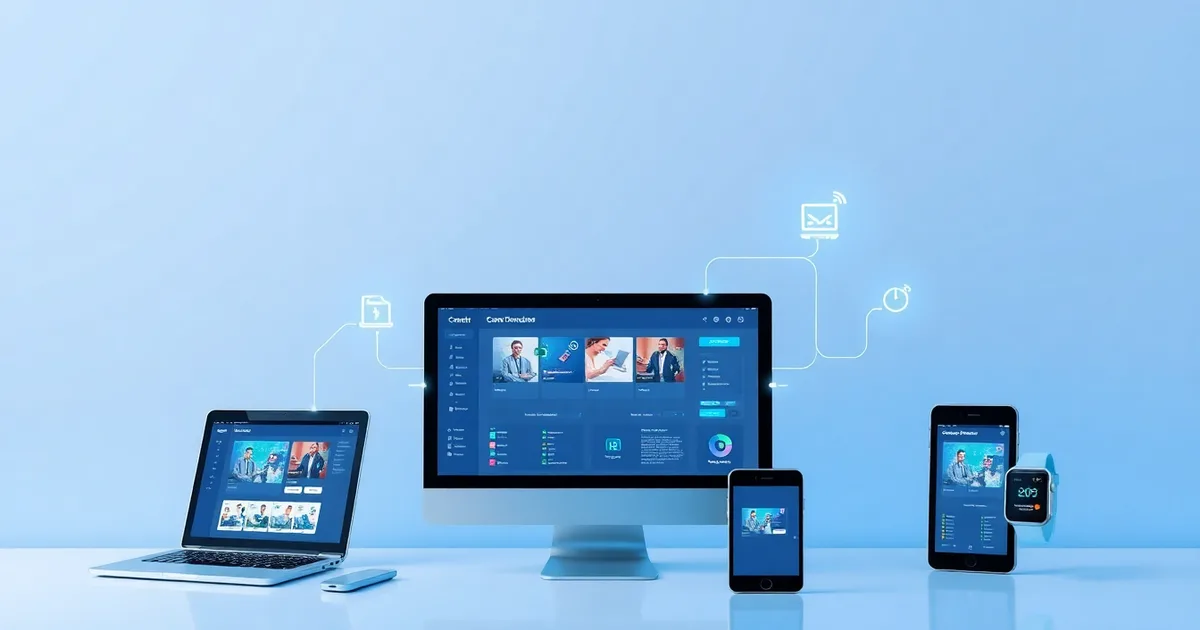
An ecommerce headless CMS is a content management system that separates content creation from content presentation, enabling flexible omnichannel delivery across multiple touchpoints while maximizing developer efficiency. This comprehensive implementation guide covers everything from architecture selection to deployment strategies, helping businesses achieve scalable, future-proof content management solutions that deliver consistent brand experiences across web, mobile, IoT devices, and emerging platforms in 2026.
What Is an Ecommerce Headless CMS and Why Does It Matter?
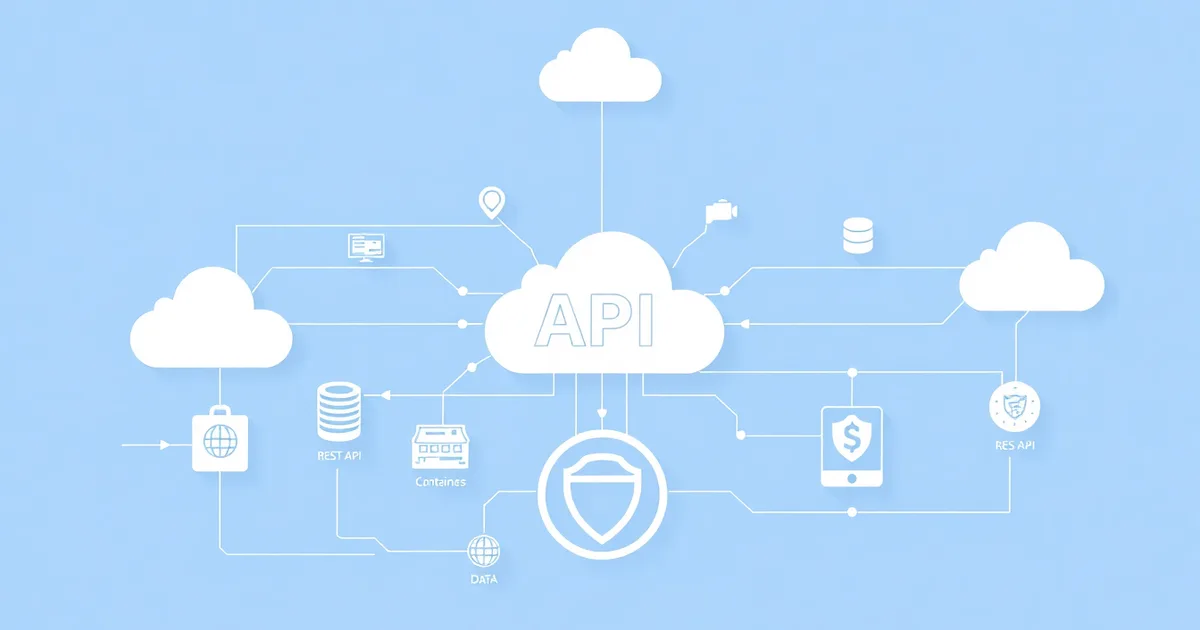
A headless content management system fundamentally transforms how ecommerce businesses manage and deliver content by decoupling the content repository from the presentation layer. Unlike traditional monolithic CMS platforms, headless architecture provides content through APIs, allowing developers to build custom frontend experiences while content creators work independently.
The global headless CMS market is projected to reach $3.5 billion by 2027, with ecommerce adoption driving 67% of this growth. This surge reflects businesses' need for omnichannel content delivery that can seamlessly serve web stores, mobile apps, smart devices, and future platforms.
Key benefits of implementing an ecommerce headless CMS include:
- Omnichannel consistency: Deliver unified brand messaging across all customer touchpoints
- Developer efficiency: Use preferred frameworks and technologies without CMS constraints
- Performance optimization: Achieve faster load times through API-driven architecture
- Scalability: Handle traffic spikes and content volume growth seamlessly
- Future-proofing: Adapt to new channels and technologies without platform migration
How Does Headless CMS Architecture Benefit Ecommerce Operations?
The headless CMS architecture provides significant operational advantages for ecommerce businesses through its API-first approach. Traditional ecommerce platforms often create bottlenecks when content teams need to update product descriptions, promotional content, or seasonal campaigns across multiple channels.
With headless architecture, content creators can update information once, and it automatically propagates across all connected touchpoints. This eliminates the manual work of updating content separately for websites, mobile apps, email campaigns, and social media platforms.
The separation of concerns also enables:
- Parallel development: Frontend and backend teams work independently, reducing development time by up to 40%
- Technology flexibility: Choose the best tools for each function rather than being locked into a single platform's limitations
- Faster time-to-market: Launch new experiences quickly without rebuilding entire systems
- Improved security: Reduce attack surface by separating content management from public-facing interfaces
Integration with Modern Ecommerce Stack
Modern ecommerce operations benefit significantly when headless CMS integrates with customer data platforms and predictive analytics systems. This integration enables dynamic content personalization based on customer behavior patterns and purchase history.
What Are the Essential Components of Headless CMS Implementation?
Successful headless CMS implementation requires careful planning of several core components that work together to deliver seamless content experiences. Understanding these components helps businesses make informed decisions about their content architecture.
Content Management Layer
The content management layer serves as the central hub where content creators, marketers, and merchandisers manage all digital assets. This layer should provide intuitive interfaces for non-technical users while maintaining powerful functionality for complex content operations.
Essential features include:
- Visual content editing: WYSIWYG editors for easy content creation
- Asset management: Centralized storage for images, videos, and documents
- Workflow automation: Content approval processes and publishing schedules
- Version control: Track changes and rollback capabilities
- Multi-language support: Manage content across different locales
API Layer Architecture
The API layer represents the heart of headless architecture, determining how efficiently content flows between the management system and various presentation channels. Modern implementations typically use RESTful APIs or GraphQL for optimal performance.
Key API considerations include:
- Response time optimization: Target sub-100ms response times for content queries
- Caching strategies: Implement CDN and application-level caching
- Rate limiting: Protect against API abuse and ensure fair usage
- Authentication: Secure API access with proper token management
Frontend Presentation Layer
The presentation layer encompasses all customer-facing interfaces that consume content from the headless CMS. This includes ecommerce websites, mobile applications, IoT devices, and emerging platforms like augmented reality experiences.
Modern ecommerce businesses often implement progressive web applications as their primary presentation layer, combining the performance benefits of native apps with the accessibility of web platforms.
Which Headless CMS Platforms Are Best for Ecommerce?
Selecting the right headless CMS platform depends on specific business requirements, technical capabilities, and growth projections. The ecommerce headless CMS landscape in 2026 offers diverse options ranging from enterprise-grade solutions to developer-friendly platforms.
| Platform | Best For | Key Strengths | Pricing Model |
|---|---|---|---|
| Contentful | Enterprise ecommerce | Robust API, extensive integrations | Usage-based |
| Strapi | Developer-focused teams | Open source, highly customizable | Freemium |
| Sanity | Content-heavy brands | Real-time collaboration, flexible schema | Pay-as-you-go |
| Directus | Data-driven businesses | Database flexibility, REST & GraphQL | Open source |
| Prismic | Marketing-led organizations | Slice machine, developer experience | Per-user pricing |
Evaluation Criteria for Platform Selection
When evaluating headless CMS platforms for ecommerce implementation, consider these critical factors:
- API performance: Response times under various load conditions
- Content modeling flexibility: Ability to structure complex product and marketing content
- Integration ecosystem: Pre-built connectors for ecommerce platforms and marketing tools
- Scalability limits: Traffic handling capabilities and content volume restrictions
- Developer experience: Documentation quality, SDK availability, and community support
How to Implement Headless CMS for Omnichannel Content Delivery?
Omnichannel content delivery requires strategic planning to ensure consistent brand experiences across all customer touchpoints. The implementation process involves careful consideration of content structure, delivery mechanisms, and performance optimization.
Content Architecture Planning
Successful omnichannel delivery begins with designing flexible content models that can adapt to different presentation contexts. This involves creating reusable content components that maintain their meaning and impact whether displayed on a desktop website, mobile app, or smart speaker interface.
Key planning considerations include:
- Content atomization: Break content into smallest meaningful units for maximum reusability
- Metadata standardization: Ensure consistent tagging and categorization across content types
- Responsive design principles: Structure content to adapt gracefully to different screen sizes and interaction methods
- Localization frameworks: Plan for multi-language and multi-regional content variations
Channel-Specific Optimization
Each channel in an omnichannel strategy has unique requirements and constraints. Mobile apps require lightweight, fast-loading content, while social commerce platforms need content optimized for social sharing and engagement.
Effective channel optimization strategies include:
- Adaptive content delivery: Serve appropriately sized images and media based on device capabilities
- Context-aware personalization: Adjust content tone and format based on the interaction context
- Progressive enhancement: Provide baseline experiences that enhance with additional capabilities
Integration with conversational commerce systems becomes particularly important for delivering consistent brand voice across chat interfaces and voice assistants.
What Are the Developer Efficiency Benefits of Headless CMS?
Developer efficiency represents one of the most compelling reasons to adopt headless CMS architecture for ecommerce operations. Traditional monolithic CMS platforms often force developers to work within restrictive frameworks that limit creativity and slow development cycles.
Headless architecture eliminates these constraints by allowing developers to:
- Choose optimal technologies: Select the best frameworks, libraries, and tools for each specific use case
- Implement modern development practices: Use CI/CD pipelines, automated testing, and version control effectively
- Reduce technical debt: Avoid legacy code constraints that accumulate in monolithic systems
- Scale development teams: Allow multiple teams to work on different aspects simultaneously
Performance Optimization Capabilities
Developer efficiency extends beyond coding convenience to encompass performance optimization capabilities that directly impact user experience and business outcomes. Headless architecture enables developers to implement advanced performance techniques that would be difficult or impossible with traditional CMS platforms.
Advanced optimization techniques include:
- Static site generation: Pre-build pages for lightning-fast load times
- Edge computing: Distribute content processing closer to users globally
- Lazy loading: Load content components only when needed
- Service worker implementation: Enable offline functionality and background synchronization
Integration Flexibility
The API-first nature of headless CMS platforms provides unprecedented integration flexibility, allowing developers to connect with any service or platform through standardized interfaces. This flexibility becomes particularly valuable when implementing complex ecommerce ecosystems that span multiple vendors and services.
Common integration scenarios include connecting with automated return management systems and post-purchase optimization platforms to create seamless customer experiences.
How to Optimize Content Performance in Headless Architecture?
Content performance optimization in headless CMS environments requires a multi-layered approach that addresses network latency, server processing time, and client-side rendering efficiency. Performance optimization directly impacts user experience, search engine rankings, and conversion rates.
Caching Strategies
Effective caching represents the foundation of high-performance headless CMS implementations. Modern caching strategies operate at multiple levels to minimize response times and reduce server load.
Comprehensive caching approaches include:
- CDN-level caching: Distribute static content globally for reduced latency
- Application-level caching: Cache frequently requested API responses
- Database query caching: Store common query results to reduce processing time
- Browser caching: Leverage client-side storage for returning visitors
Content Delivery Optimization
Optimizing content delivery involves more than just fast servers and CDNs. It requires understanding user behavior patterns, content consumption habits, and device capabilities to deliver appropriately optimized content.
Key optimization techniques include:
- Image optimization: Serve next-generation formats like WebP and AVIF
- Content compression: Use Brotli or Gzip compression for text-based content
- Prefetching: Anticipate user needs and preload likely next requests
- Critical path optimization: Prioritize above-the-fold content loading
What Security Considerations Apply to Ecommerce Headless CMS?
Security in headless CMS implementations requires attention to both traditional web security practices and API-specific vulnerabilities. The distributed nature of headless architecture creates multiple potential attack vectors that must be addressed comprehensively.
Essential security measures include:
- API authentication: Implement robust token-based authentication systems
- Rate limiting: Prevent abuse through intelligent request throttling
- Input validation: Sanitize all content inputs to prevent injection attacks
- HTTPS enforcement: Encrypt all data transmission between services
- Access control: Implement role-based permissions for content management
Data Protection and Privacy
Ecommerce businesses must consider data protection regulations when implementing headless CMS solutions. This includes GDPR compliance, CCPA requirements, and industry-specific privacy standards.
Privacy protection strategies encompass:
- Data minimization: Collect and store only necessary content metadata
- Consent management: Integrate with privacy compliance platforms
- Data portability: Enable content export and migration capabilities
- Audit logging: Track all content access and modification activities
How to Measure Success and ROI of Headless CMS Implementation?
Measuring the success of headless CMS implementation requires tracking both technical performance metrics and business impact indicators. Successful implementations typically show improvements across multiple dimensions of ecommerce operations.
Key performance indicators include:
| Metric Category | Specific Metrics | Target Improvement |
|---|---|---|
| Performance | Page load time, API response time | 30-50% faster |
| Development | Feature delivery time, deployment frequency | 40-60% reduction |
| Business | Conversion rate, time to market | 15-25% improvement |
| Operational | Content update efficiency, error rates | 50-70% improvement |
Long-term Value Assessment
Beyond immediate performance gains, headless CMS implementations provide long-term strategic value through increased agility and future-proofing capabilities. This value often becomes most apparent when businesses need to adapt to new market conditions or customer expectations.
Long-term benefits include:
- Reduced technical debt: Avoid costly platform migrations and legacy system maintenance
- Faster innovation cycles: Implement new features and experiences more rapidly
- Improved scalability: Handle growth without fundamental architecture changes
- Enhanced competitiveness: Respond quickly to market opportunities and threats
Practical Implementation Tips for Ecommerce Headless CMS
Successful headless CMS implementation requires careful planning and execution across technical, organizational, and strategic dimensions. These practical tips help ensure smooth deployment and maximum value realization.
- Start with content audit: Catalog existing content and identify reusability opportunities
- Design flexible content models: Create schemas that can evolve with business needs
- Implement progressive migration: Phase implementation to minimize disruption
- Establish governance frameworks: Define content creation, approval, and publishing workflows
- Plan for mobile-first delivery: Optimize content structure for mobile consumption
- Integrate analytics early: Implement tracking to measure content performance across channels
- Train content teams: Ensure non-technical users can effectively use new tools
- Document API specifications: Maintain comprehensive documentation for developers
- Implement monitoring systems: Track performance, errors, and usage patterns
- Plan disaster recovery: Establish backup and recovery procedures for content and configurations
Common Implementation Pitfalls to Avoid
Learning from common mistakes helps accelerate successful implementation:
- Over-engineering initially: Start simple and add complexity as needs become clear
- Ignoring content creator needs: Ensure non-technical users can work effectively
- Inadequate testing: Test thoroughly across all intended channels and devices
- Poor change management: Prepare teams for new workflows and processes
- Insufficient performance monitoring: Implement comprehensive observability from day one
Future-Proofing Your Ecommerce Content Strategy
The rapidly evolving digital landscape requires content strategies that can adapt to emerging technologies and changing consumer behaviors. Future-proofing your ecommerce content strategy through headless CMS implementation positions your business to capitalize on new opportunities while maintaining operational efficiency.
Emerging trends to consider in your headless CMS strategy include:
- AI-powered content generation: Integration with large language models for automated content creation
- Voice commerce optimization: Content structured for voice search and audio interfaces
- Immersive experiences: Support for AR/VR content delivery and interaction
- Edge computing integration: Distributed content processing for ultra-low latency
- Sustainability reporting: Content management for environmental impact disclosure
The headless CMS landscape continues evolving rapidly, with new platforms, features, and integration possibilities emerging regularly. Businesses that establish flexible, well-architected headless content systems today position themselves to adapt quickly to future market demands and technological innovations. Success requires balancing current operational needs with strategic flexibility, ensuring that content management systems support both immediate business objectives and long-term growth aspirations.