The cold brew concentrate ratio is the foundation of exceptional home-brewed cold coffee, determining both flavor intensity and brewing efficiency. Cold brew concentrate typically uses a 1:4 to 1:8 coffee-to-water ratio during brewing, creating a potent base that can be diluted to taste preferences. This concentrated approach allows coffee enthusiasts to prepare large batches that stay fresh for up to two weeks when properly stored, making it an economical and convenient brewing method for daily coffee consumption.
What Is Cold Brew Concentrate and How Does It Differ from Regular Cold Brew?
Cold brew concentrate is a highly concentrated coffee extract created by steeping coarsely ground coffee in cold water for 12-24 hours using a stronger coffee-to-water ratio than traditional cold brew. While regular cold brew uses approximately a 1:8 to 1:12 ratio and is consumed directly, concentrate employs a 1:4 to 1:6 ratio and requires dilution before drinking.
The concentrate method offers several advantages over ready-to-drink cold brew. It maximizes storage efficiency, allowing you to store weeks' worth of coffee in minimal refrigerator space. Additionally, concentrate provides flexibility in strength customization, enabling each cup to be tailored to individual taste preferences.
Understanding the fundamental difference between these methods is crucial for selecting the right brewing approach for your lifestyle and consumption patterns.
What Are the Best Cold Brew Concentrate Ratios for Different Brewing Methods?
The optimal cold brew concentrate ratio varies depending on your brewing equipment, desired strength, and intended dilution methods. Professional baristas and home brewing experts typically recommend starting with a 1:5 ratio as the ideal balance between extraction efficiency and flavor concentration.
Immersion Method Ratios
- Standard Concentrate: 1:5 ratio (1 cup coffee to 5 cups water)
- Extra Strong Concentrate: 1:4 ratio for maximum intensity
- Mild Concentrate: 1:6 ratio for subtle flavor profiles
- Beginner-Friendly: 1:7 ratio for first-time brewers
Slow-Drip Method Ratios
Slow-drip cold brew systems, including Japanese-style ice drippers, typically require adjusted ratios due to their unique extraction process. These methods generally use 1:10 to 1:12 ratios but produce naturally concentrated results due to the extended contact time and controlled extraction rate.
The grind consistency significantly impacts these ratios, with coarser grinds requiring stronger ratios to achieve equivalent extraction levels.
How Do You Properly Dilute Cold Brew Concentrate?
Proper dilution transforms bitter, overpowering concentrate into smooth, flavorful cold brew coffee. The standard dilution ratio for most concentrates ranges from 1:1 (concentrate to water) for strong coffee to 1:3 for milder preferences, though individual taste preferences should guide final adjustments.
Dilution Liquid Options
- Cold Water: Classic dilution maintaining pure coffee flavors
- Hot Water: Creates warm coffee while preserving cold brew's smooth characteristics
- Milk or Cream: Adds richness and reduces acidity naturally
- Plant-Based Milks: Oat, almond, or soy milk for dietary preferences
- Flavored Waters: Sparkling water for refreshing variations
Dilution Strength Guidelines
Start with equal parts concentrate and dilution liquid, then adjust according to taste preferences. Strong coffee drinkers often prefer 2:1 concentrate-to-water ratios, while those sensitive to caffeine may use 1:2 or 1:3 ratios. Remember that caffeine content scales proportionally with concentration levels.
Professional tip: Always taste-test small portions before diluting entire batches, as concentrate strength can vary based on brewing time, temperature, and coffee bean characteristics.
What Are the Essential Storage Techniques for Cold Brew Concentrate?
Proper storage techniques are crucial for maintaining cold brew concentrate's quality, flavor, and safety. When stored correctly, concentrate remains fresh and flavorful for 10-14 days, significantly longer than regular brewed coffee's 3-4 day window.
Temperature and Container Requirements
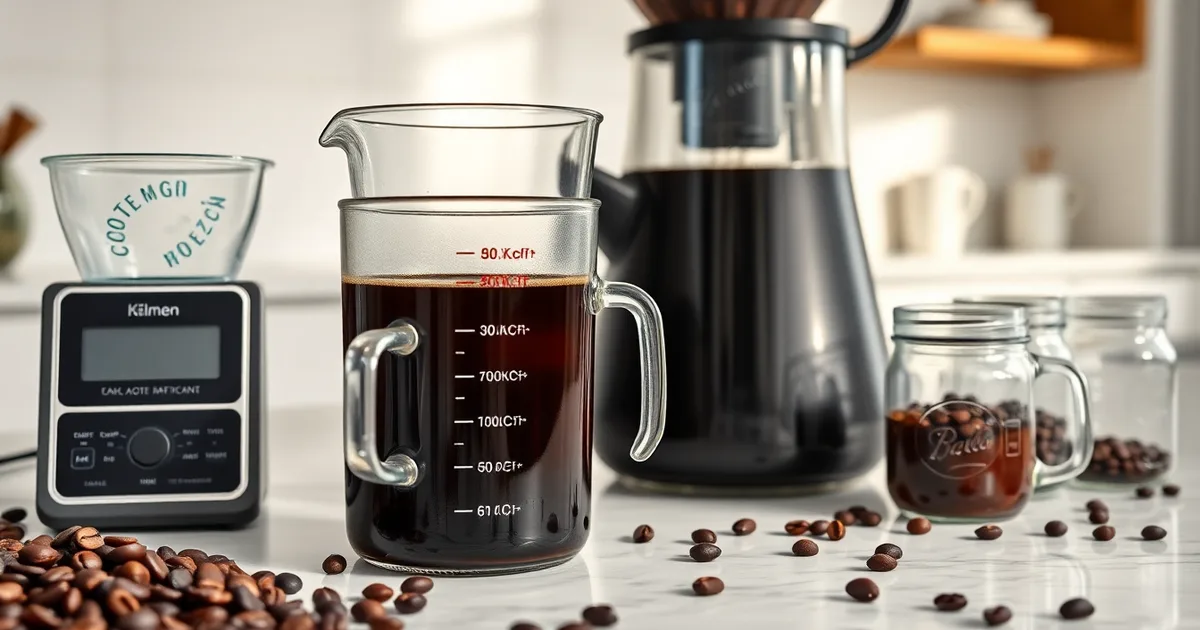
Refrigeration is mandatory for cold brew concentrate storage, with optimal temperatures between 35-40°F (1.7-4.4°C). Glass containers are preferred over plastic due to their non-porous nature and inability to absorb flavors or odors that might contaminate the concentrate.
- Glass Mason Jars: Excellent for portion control and easy pouring
- Glass Carafes: Ideal for serving and storage combination
- Stainless Steel Containers: Durable alternative with excellent temperature retention
- Food-Grade Plastic: Acceptable short-term option, though flavor retention may suffer
Airtight Sealing Importance
Oxygen exposure causes flavor degradation and potential bacterial growth in cold brew concentrate. Airtight sealing prevents oxidation and maintains the smooth, low-acid characteristics that make cold brew appealing. Vacuum-sealed containers can extend freshness by an additional 2-3 days.
Following proper coffee storage principles ensures your concentrate maintains optimal flavor throughout its shelf life.
How Long Does Cold Brew Concentrate Last and How Can You Tell When It's Gone Bad?
Cold brew concentrate typically maintains peak quality for 10-14 days when refrigerated properly, though it may remain safe to consume for up to 3 weeks. The extended shelf life compared to hot-brewed coffee results from the cold extraction process, which produces fewer volatile compounds and maintains more stable chemical compositions.
Freshness Indicators
Fresh cold brew concentrate exhibits consistent dark color, smooth aroma, and balanced flavor without sharp acidic or bitter notes. Quality concentrate should pour smoothly without visible particles or separation, indicating proper filtration and storage conditions.
Signs of Spoilage
- Sour or off-putting odors: Indicating bacterial growth or fermentation
- Mold growth: Visible fuzzy growths on surface or container walls
- Unusual taste: Sharp acidity, metallic flavors, or fermented characteristics
- Color changes: Significant lightening or unusual tinting
- Texture changes: Slimy consistency or unusual thickness
When in doubt, discard questionable concentrate rather than risking foodborne illness. The cost of replacing concentrate is minimal compared to potential health consequences.
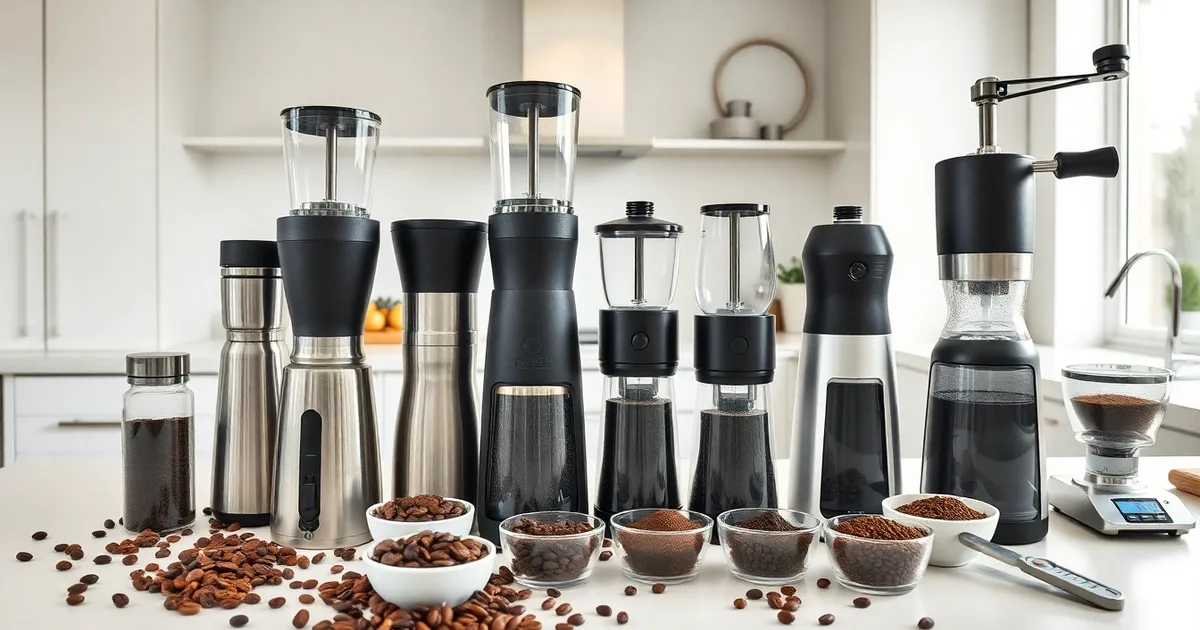
What Equipment Do You Need for Perfect Cold Brew Concentrate?
Creating exceptional cold brew concentrate requires minimal but specific equipment to ensure consistent results and efficient workflow. Unlike complex espresso equipment, cold brew concentrate systems are relatively simple and affordable.
Essential Equipment List
- Large Glass Jar or Container: 32-64 oz capacity for batch brewing
- Fine-Mesh Strainer: Initial filtration to remove large particles
- Coffee Filters or Cheesecloth: Final filtration for smooth concentrate
- Digital Scale: Precise coffee-to-water ratio measurements
- Wooden Spoon: Non-reactive stirring without flavor contamination
- Storage Containers: Glass bottles or jars with airtight lids
Optional Upgrades
Dedicated cold brew makers, including immersion systems and slow-drip towers, can streamline the process and improve consistency. However, these specialized tools aren't necessary for producing excellent concentrate at home.
The most important factor is using high-quality, properly roasted coffee beans that match your flavor preferences and brewing style.
Which Coffee Beans Work Best for Cold Brew Concentrate?
Coffee bean selection significantly impacts cold brew concentrate quality, with certain origins and roast levels producing superior results. The cold extraction process emphasizes different flavor compounds than hot brewing, making bean choice crucial for optimal concentrate production.
Roast Level Recommendations
Medium to dark roasts generally perform best for cold brew concentrate, as they provide robust flavors that maintain intensity after dilution. Light roasts can produce excellent concentrate but require careful ratio adjustments to avoid weak, sour results.
- Medium Roast: Balanced sweetness and acidity, versatile for various dilution methods
- Medium-Dark Roast: Rich chocolate and caramel notes, ideal for milk-based drinks
- Dark Roast: Bold, smoky flavors that create intense concentrate
- Light Roast: Bright, fruity characteristics requiring expert brewing techniques
Origin Characteristics
Different coffee origins contribute unique flavor profiles to cold brew concentrate. Brazilian beans offer nutty, chocolate notes perfect for everyday drinking, while Ethiopian beans provide floral, fruity complexity ideal for specialty preparations.
Central American origins like Guatemala and Costa Rica balance brightness and body exceptionally well in cold brew applications, making them excellent choices for concentrate production.
| Concentrate Strength | Coffee-to-Water Ratio | Brewing Time | Dilution Ratio | Best For |
|---|---|---|---|---|
| Extra Strong | 1:4 | 18-24 hours | 1:2 to 1:3 | Iced lattes, multiple servings |
| Standard | 1:5 | 12-18 hours | 1:1 to 1:2 | Daily drinking, versatile use |
| Mild | 1:6 | 12-16 hours | 1:1 | Sensitive palates, afternoon coffee |
| Light | 1:7 | 10-14 hours | 1:1 | Beginners, low caffeine preference |
Professional Tips for Perfecting Your Cold Brew Concentrate
Achieving consistently excellent cold brew concentrate requires attention to detail and understanding of extraction principles. These professional techniques ensure optimal results every batch.
Brewing Process Optimization
- Water Quality: Use filtered water with balanced mineral content for best extraction
- Grind Timing: Grind beans immediately before brewing to preserve flavor compounds
- Stirring Technique: Stir gently after combining coffee and water, then avoid agitation
- Temperature Control: Maintain consistent refrigerator temperature throughout brewing
- Filtration Method: Double-filter through fine mesh then coffee filters for clarity
Troubleshooting Common Issues
- Weak Concentrate: Increase coffee ratio or extend brewing time by 2-4 hours
- Bitter Results: Reduce brewing time or use coarser grind settings
- Cloudy Appearance: Improve filtration with finer mesh or additional filter passes
- Inconsistent Batches: Standardize measurements using digital scales rather than volume
- Short Shelf Life: Ensure complete filtration and sterile container preparation
Cost-Effective Cold Brew Concentrate Production
Cold brew concentrate offers significant cost savings compared to purchasing ready-made cold brew or daily coffee shop visits. A single batch costing $3-5 in coffee beans produces equivalent value to $20-30 in commercial cold brew purchases.
Budget-Friendly Strategies
- Bulk Bean Purchases: Buy 2-5 pound bags for substantial per-pound savings
- Seasonal Coffee Sales: Stock up during promotional periods for year-round savings
- Equipment Longevity: Invest in quality basic equipment rather than frequent replacements
- Batch Size Optimization: Brew maximum quantities your storage allows
- Waste Reduction: Compost used grounds or repurpose for garden applications
The concentrate method maximizes coffee utilization efficiency while minimizing preparation time per serving, making it ideal for busy lifestyles and budget-conscious coffee enthusiasts.
Advanced Cold Brew Concentrate Variations
Once you've mastered basic cold brew concentrate techniques, experimenting with variations can create unique flavor profiles and seasonal specialties. These advanced methods expand your cold brew repertoire beyond standard preparations.
Flavored Concentrate Options
- Vanilla Bean Infusion: Add split vanilla beans during brewing for natural sweetness
- Cinnamon Spice: Include whole cinnamon sticks for warm, aromatic notes
- Orange Peel Addition: Fresh citrus zest brightens concentrate naturally
- Chocolate Integration: Cacao nibs create rich, complex flavor layers
- Mint Enhancement: Fresh mint leaves provide refreshing summer variations
Strength and Serving Customization
Different occasions and preferences call for varying concentrate preparations. Morning concentrate might emphasize strength and efficiency, while afternoon versions focus on smoothness and lower caffeine content.
Understanding these variations allows you to create personalized coffee experiences that rival professional coffee shop offerings while maintaining the convenience and economy of home brewing.
Expert Tip: Keep detailed brewing notes including ratios, timing, and results to replicate successful batches and avoid repeating unsuccessful experiments. Consistency comes from systematic approach and careful documentation.
Mastering cold brew concentrate ratios, dilution methods, and storage techniques transforms home coffee brewing from routine task to craft expertise. The 1:5 coffee-to-water ratio serves as an excellent starting point, with adjustments based on personal preferences and intended use. Proper storage extends concentrate life to two weeks, while understanding dilution principles ensures every cup meets individual taste preferences. With quality beans, proper equipment, and consistent technique, home-brewed cold brew concentrate rivals commercial alternatives while providing significant cost savings and customization flexibility for 2026's discerning coffee enthusiasts.