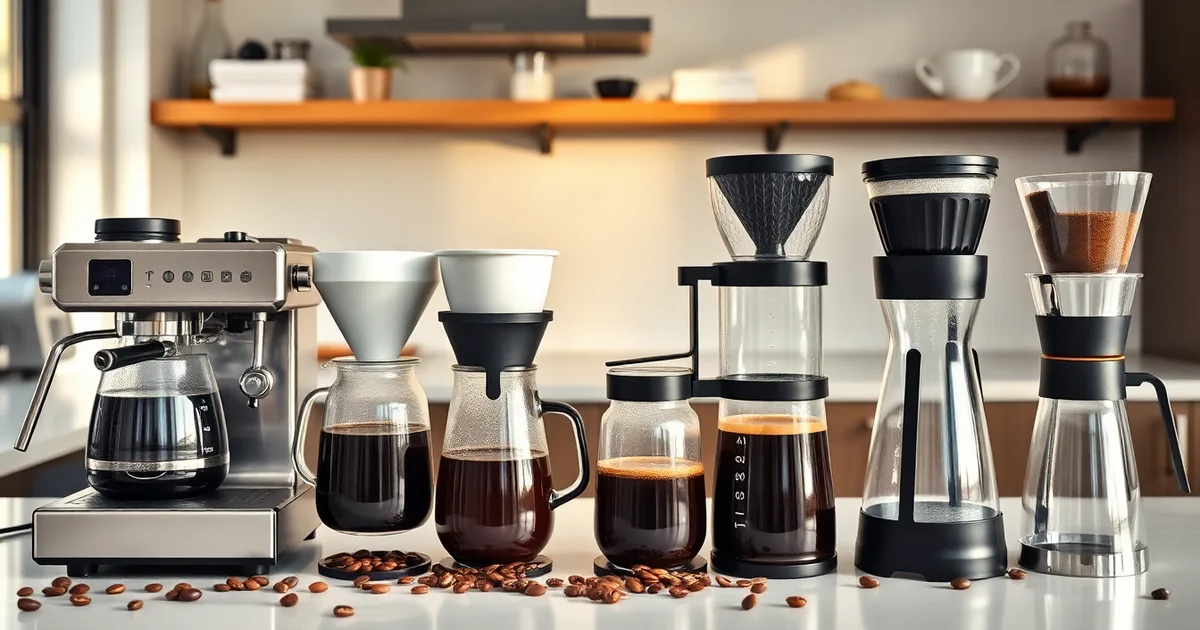
Choosing the right coffee brewing method significantly impacts flavor, aroma, and overall coffee experience. This comprehensive coffee brewing methods comparison examines popular techniques including pour-over, espresso, French press, cold brew, and specialty methods, analyzing their equipment requirements, brewing parameters, and distinctive taste profiles. Whether you're a coffee enthusiast seeking to refine your brewing skills or a beginner exploring different extraction methods, understanding these fundamental brewing techniques will elevate your daily coffee ritual in 2026.
What Are the Most Popular Coffee Brewing Methods in 2026?
The coffee industry continues to evolve with both traditional and innovative brewing techniques gaining popularity among enthusiasts worldwide. Modern coffee brewing methods range from quick espresso shots to slow cold extraction processes, each offering unique flavor characteristics and brewing experiences.
The most widely adopted brewing methods include:
- Espresso-based methods - High-pressure extraction creating concentrated coffee
- Pour-over techniques - Manual brewing allowing precise control over variables
- Immersion brewing - Full contact extraction methods like French press
- Cold brewing - Extended low-temperature extraction processes
- Pressure brewing - Methods utilizing air pressure like AeroPress
How Does Espresso Brewing Compare to Other Methods?
Espresso brewing represents the foundation of café culture, utilizing high pressure (9 bars) and finely ground coffee to extract concentrated shots in 25-30 seconds. This method produces a full-bodied coffee with distinctive crema, serving as the base for cappuccinos, lattes, and other milk-based beverages.
Key characteristics of espresso brewing include:
- Extraction time: 25-30 seconds
- Grind size: Extra fine
- Water temperature: 190-196°F (88-91°C)
- Pressure: 9 bars
- Coffee-to-water ratio: 1:2 (18g coffee to 36g liquid)
Compared to other brewing methods, espresso delivers intense flavor concentration and complexity, though it requires significant equipment investment and technical skill development. The learning curve is steeper than pour-over or French press methods, but the versatility for creating various coffee drinks makes it valuable for serious coffee enthusiasts.
What Makes Pour-Over Coffee Brewing Unique?
Pour-over coffee brewing emphasizes manual control over extraction variables, allowing brewers to adjust water flow, timing, and temperature for optimal flavor development. Popular pour-over devices include V60, Chemex, and Kalita Wave, each offering distinct filtration characteristics and brewing experiences.
The pour-over process involves several critical steps:
- Pre-wet the filter and warm the brewing vessel
- Add medium-fine ground coffee (typically 1:15-1:17 ratio)
- Bloom the coffee with twice the coffee weight in water
- Pour water in circular motions, maintaining consistent flow
- Complete brewing within 4-6 minutes total time
Pour-over methods produce clean, bright coffee with excellent clarity of flavors, particularly highlighting origin characteristics and subtle tasting notes. This brewing approach appeals to coffee enthusiasts who enjoy the meditative process and precise control over extraction parameters.
How Does French Press Compare to Other Immersion Methods?
French press brewing utilizes full immersion extraction, allowing coffee grounds to steep in hot water for 4 minutes before separation through a metal mesh filter. This method produces full-bodied coffee with more oils and sediment compared to paper-filtered brewing techniques.
French press brewing parameters:
- Grind size: Coarse
- Steeping time: 4 minutes
- Water temperature: 200°F (93°C)
- Coffee-to-water ratio: 1:12-1:15
- Filter type: Metal mesh
Compared to other immersion methods like AeroPress or Clever Dripper, French press requires minimal technique while delivering consistent results. The metal filter allows oils and fine particles to pass through, creating a heavier body and more intense mouthfeel than paper-filtered methods.
What Are the Benefits of Cold Brew Coffee Methods?
Cold brew coffee utilizes extended extraction at room temperature or cold water, typically requiring 12-24 hours for complete brewing. This method produces smooth, low-acidity coffee concentrate that can be diluted with water, milk, or served over ice.
Cold brew offers several advantages:
- Lower acidity compared to hot brewing methods
- Smooth, mellow flavor profile without bitterness
- Extended shelf life (up to 2 weeks refrigerated)
- Versatility for iced coffee drinks and cocktails
- Minimal equipment requirements
The cold extraction process emphasizes different flavor compounds compared to hot brewing, resulting in naturally sweet, chocolatey notes while minimizing acidic and bitter elements. This makes cold brew particularly appealing to coffee drinkers with acid sensitivity or those preferring smoother flavor profiles.
Which Brewing Method Produces the Best Flavor Profile?
Flavor preference in coffee brewing methods depends on individual taste preferences, coffee bean characteristics, and desired strength levels. Each brewing technique emphasizes different aspects of coffee's complex flavor compounds through varying extraction methods, temperatures, and filtration systems.
Flavor characteristics by brewing method:
- Espresso: Intense, concentrated, complex with full body and crema
- Pour-over: Clean, bright, origin-forward with excellent clarity
- French press: Full-bodied, rich oils, heavier mouthfeel
- Cold brew: Smooth, low acid, naturally sweet
- AeroPress: Clean body, versatile strength, minimal bitterness
The "best" flavor profile ultimately depends on personal preferences, but many coffee professionals recommend trying multiple brewing methods to understand how extraction techniques affect taste. This exploration helps identify preferred flavor characteristics and optimal brewing parameters for individual palates.
Coffee Brewing Equipment Requirements and Costs
Different coffee brewing methods require varying levels of equipment investment, from simple pour-over setups to sophisticated espresso machines. Understanding equipment requirements helps coffee enthusiasts make informed decisions based on budget, space constraints, and brewing frequency.
| Brewing Method | Equipment Cost | Complexity Level | Maintenance |
|---|---|---|---|
| French Press | $20-80 | Low | Minimal |
| Pour-over (V60/Chemex) | $30-150 | Medium | Low |
| AeroPress | $40-60 | Low-Medium | Low |
| Cold Brew | $25-100 | Low | Minimal |
| Espresso Machine | $200-3000+ | High | High |
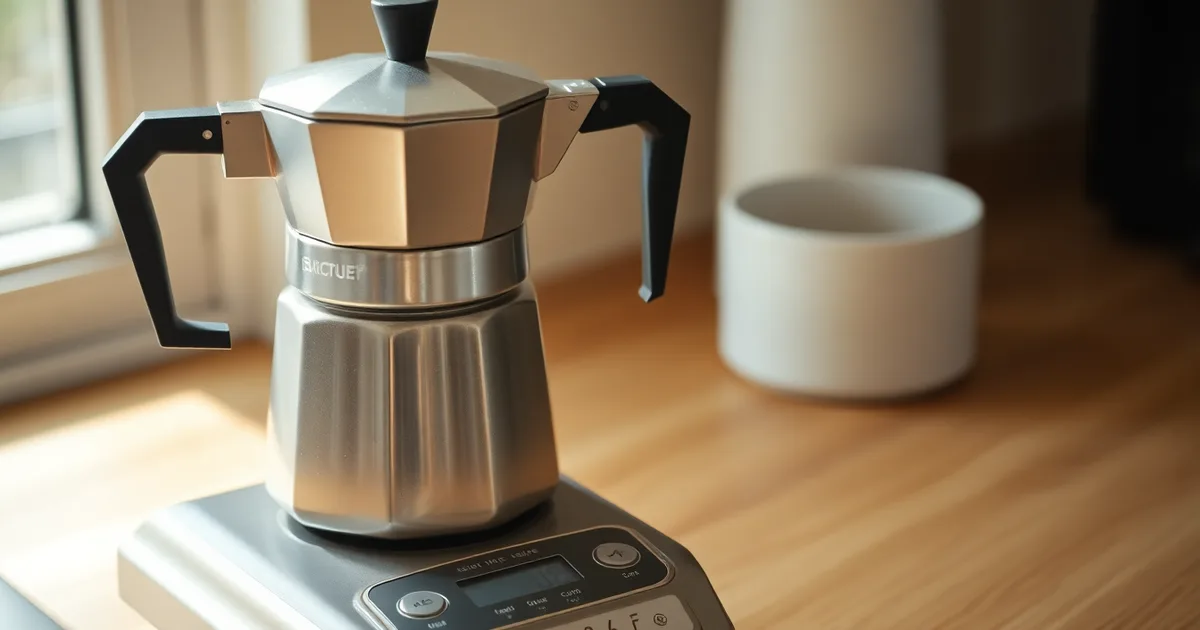
| Moka Pot | $20-60 | Low-Medium | Low |
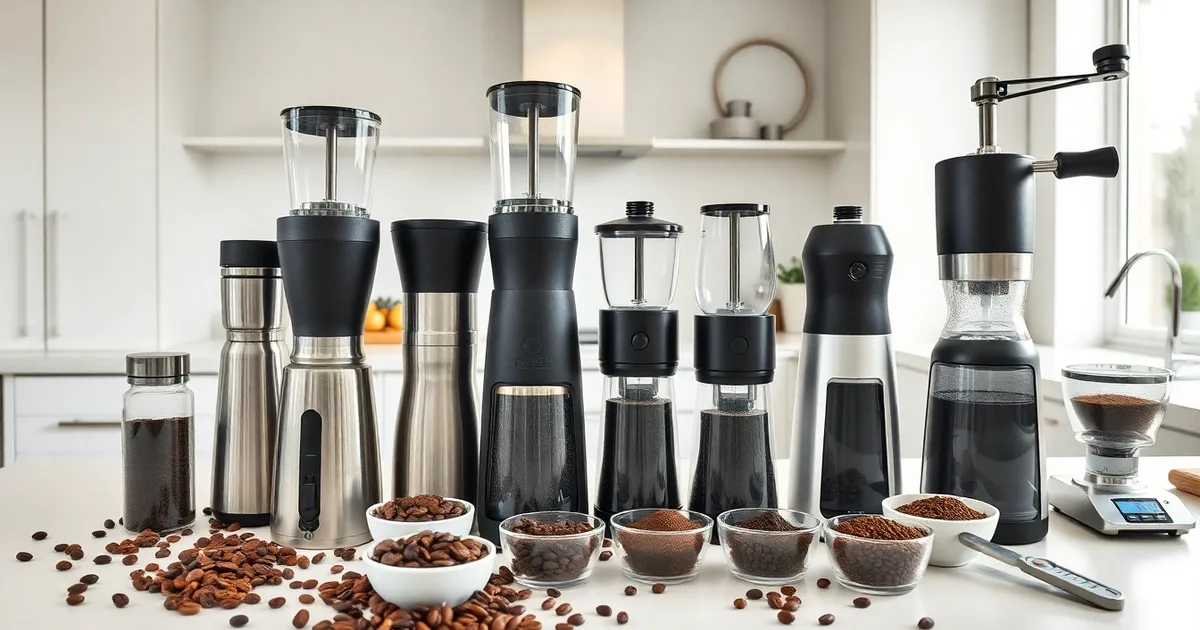
Additional equipment considerations include coffee grinders, which significantly impact extraction quality regardless of brewing method. Burr grinders produce more consistent particle sizes than blade grinders, improving extraction evenness and flavor development across all brewing techniques.
How to Choose the Right Brewing Method for Your Lifestyle?
Selecting the optimal coffee brewing method requires evaluating personal preferences, available time, budget constraints, and desired coffee characteristics. Lifestyle compatibility plays a crucial role in determining which brewing technique will become a sustainable daily routine.
Consider these factors when choosing brewing methods:
- Time availability: Espresso (2-3 minutes) vs. cold brew (12-24 hours)
- Skill level preference: French press simplicity vs. espresso complexity
- Quantity needs: Single servings vs. batch brewing capabilities
- Flavor preferences: Clean/bright vs. full-bodied/rich profiles
- Equipment space: Compact pour-over vs. large espresso setups
Many coffee enthusiasts adopt multiple brewing methods for different situations, such as quick espresso for morning routines and pour-over for weekend brewing experiences. This approach provides variety while accommodating different time constraints and flavor preferences throughout the week.
Advanced Coffee Brewing Techniques and Innovations
The coffee industry continues evolving with innovative brewing techniques and equipment designs emerging regularly. Advanced brewing methods incorporate scientific principles, precision equipment, and novel extraction approaches to push flavor boundaries beyond traditional techniques.
Notable advanced brewing innovations include:
- Vacuum brewing: Siphon methods using vapor pressure and vacuum extraction
- Pressure profiling: Espresso machines with programmable pressure curves
- Ultrasonic extraction: Sound wave-assisted brewing for enhanced extraction
- Nitrogen infusion: Cold brew served with nitrogen gas for creamy texture
- Bypass brewing: Combining extraction and dilution for strength control
These advanced techniques often require specialized equipment and deeper understanding of extraction science, but they offer unique flavor profiles and brewing experiences for dedicated coffee enthusiasts seeking cutting-edge methods.
Troubleshooting Common Coffee Brewing Problems
Regardless of chosen brewing method, common extraction problems can affect coffee quality and flavor development. Understanding how to identify and correct these issues improves consistency and overall brewing success across different techniques.
Common brewing problems and solutions:
- Over-extraction (bitter taste): Coarsen grind, reduce brewing time, lower water temperature
- Under-extraction (sour taste): Finer grind, increase brewing time, raise water temperature
- Weak coffee: Increase coffee-to-water ratio, adjust grind size
- Inconsistent flavors: Improve grinder quality, standardize brewing parameters
- Astringent taste: Check water quality, avoid over-agitation
Systematic troubleshooting involves changing one variable at a time while keeping detailed brewing notes. This methodical approach helps identify specific factors affecting flavor quality and develops better understanding of extraction principles across different brewing methods.
Practical Coffee Brewing Tips for Better Results
Achieving consistent, high-quality coffee requires attention to fundamental brewing principles regardless of chosen method. These practical tips apply across multiple brewing techniques and significantly impact extraction quality and flavor development.
- Use fresh, quality coffee beans - Purchase beans roasted within 2-4 weeks and grind just before brewing
- Maintain proper water quality - Use filtered water with balanced mineral content (150-300 TDS)
- Measure accurately - Use digital scales for precise coffee-to-water ratios and consistent results
- Control water temperature - Maintain 195-205°F (90-96°C) for optimal extraction
- Time your extraction - Follow recommended brewing times for each method
- Clean equipment regularly - Remove coffee oils and mineral buildup that affect taste
- Adjust grind size systematically - Fine-tune extraction by modifying particle size
- Pre-warm brewing equipment - Maintain stable temperatures throughout brewing process
- Store coffee properly - Keep beans in airtight containers away from light and heat
- Keep detailed brewing notes - Track variables and results to improve consistency
Implementing these fundamental practices creates a strong foundation for coffee brewing success, regardless of chosen method or equipment investment level. Consistency in these basics often produces more dramatic improvements than expensive equipment upgrades.
Coffee Brewing Methods Comparison Summary Table
This comprehensive comparison table summarizes key characteristics, requirements, and outcomes for major coffee brewing methods, helping readers make informed decisions based on their preferences and constraints.
| Method | Brew Time | Grind Size | Body | Clarity | Difficulty | Best For |
|---|---|---|---|---|---|---|
| Espresso | 25-30 sec | Extra Fine | Full | Medium | High | Milk drinks, intensity |
| Pour-over (V60) | 3-4 min | Medium-fine | Light-medium | High | Medium | Origin flavors, clarity |
| French Press | 4 min | Coarse | Full | Low | Low | Rich body, simplicity |
| AeroPress | 1-2 min | Medium-fine | Medium | Medium-high | Low-medium | Versatility, travel |
| Cold Brew | 12-24 hours | Coarse | Medium | Medium | Low | Smooth, low acid |
| Chemex | 4-6 min | Medium-coarse | Light | Very high | Medium | Clean, bright coffee |
Understanding these fundamental differences helps coffee enthusiasts select brewing methods that align with their taste preferences, lifestyle requirements, and skill development goals. Many successful coffee routines incorporate multiple methods for different occasions and flavor experiences.
The world of coffee brewing methods offers endless exploration opportunities, from traditional techniques perfected over centuries to innovative approaches pushing extraction boundaries. Whether seeking the intense complexity of espresso, the clean clarity of pour-over, or the smooth comfort of cold brew, each method provides unique pathways to exceptional coffee experiences. Success in coffee brewing ultimately comes from understanding extraction principles, maintaining consistency in fundamental practices, and remaining curious about the endless variables that influence flavor development in every cup.