Proper coffee storage methods freshness preservation is essential for maintaining the quality, flavor, and aroma of your coffee beans and grounds. Understanding how to store coffee correctly can extend its shelf life from weeks to months while preserving the complex flavor compounds that make each cup exceptional. This comprehensive guide covers everything from optimal storage containers to environmental factors, helping you maximize your coffee investment and enjoy consistently fresh brews throughout 2026.
What Are the Key Factors That Affect Coffee Freshness?
Coffee freshness depends on protecting beans and grounds from four primary enemies: oxygen, light, heat, and moisture. Each of these elements accelerates the degradation of coffee's volatile compounds, leading to stale, flat-tasting coffee.
Oxygen exposure causes oxidation, which breaks down the oils and aromatic compounds that give coffee its distinctive flavor profile. Light, particularly UV rays, accelerates chemical reactions that deteriorate coffee quality. Heat speeds up all degradation processes, while moisture can lead to mold growth and rapid spoilage.
Understanding these factors is crucial for implementing effective coffee storage methods freshness strategies. The goal is to create an environment that minimizes exposure to these elements while maintaining easy access for daily brewing.
How Long Does Coffee Stay Fresh Under Different Storage Conditions?
The freshness timeline varies significantly based on coffee form and storage methods. Whole beans maintain their quality longer than ground coffee due to reduced surface area exposure to air.
Whole coffee beans stored properly can maintain peak freshness for 2-4 weeks after roasting, with acceptable quality lasting up to 6 months when stored in optimal conditions. Ground coffee, however, begins losing freshness within hours of grinding and should ideally be used within 1-2 weeks.
- Whole beans (optimal storage): 2-4 weeks peak freshness, 6 months acceptable
- Ground coffee (optimal storage): 1-2 weeks peak freshness, 1 month acceptable
- Whole beans (poor storage): 1-2 weeks before noticeable degradation
- Ground coffee (poor storage): 3-7 days before significant quality loss
What Are the Best Coffee Storage Container Types?
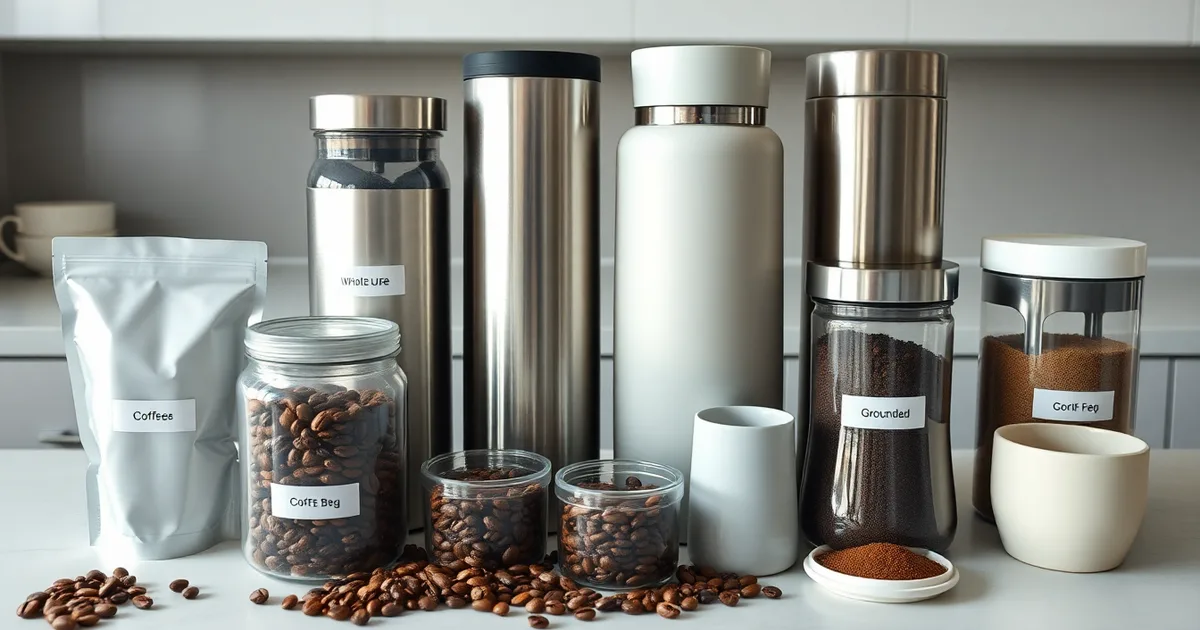
Selecting the right storage container is fundamental to preserving coffee freshness. The ideal container should be airtight, opaque, and made from non-reactive materials.
Vacuum-sealed containers represent the gold standard for coffee storage, removing oxygen that causes oxidation. These containers can extend coffee freshness by 50-70% compared to standard storage methods.
Recommended Container Materials
- Stainless steel: Non-reactive, durable, excellent air-tight sealing
- Ceramic with rubber gasket: Excellent for maintaining stable temperature
- Glass with air-tight lid: Must be stored in dark locations
- Food-grade plastic: Acceptable for short-term storage
Avoid containers made from materials that can absorb or impart odors, such as regular plastic bags or containers without proper sealing mechanisms.
Should Coffee Be Stored in the Refrigerator or Freezer?
The refrigerator and freezer storage debate remains contentious among coffee experts. Generally, refrigerator storage is not recommended for opened coffee due to moisture and odor absorption risks.
Freezer storage can be effective for long-term storage of unopened, whole bean coffee when done correctly. Coffee should be divided into weekly portions, vacuum-sealed, and only removed when ready for use. Never refreeze coffee once thawed.
Freezer Storage Best Practices
- Divide coffee into single-use portions (1-2 weeks' worth)
- Vacuum-seal each portion or use heavy-duty freezer bags
- Label with roast date and freezing date
- Allow frozen coffee to reach room temperature before opening package
- Use thawed coffee within 2 weeks
What Is the Optimal Storage Environment for Coffee?
The ideal coffee storage environment maintains consistent temperature, low humidity, and protection from light. Room temperature storage in a dark, dry location typically provides the best results for daily-use coffee.
Temperature fluctuations cause condensation, which introduces moisture and accelerates degradation. The optimal storage temperature ranges from 60-70°F (15-21°C) with relative humidity below 60%.
- Temperature: 60-70°F (15-21°C), consistent
- Humidity: Below 60% relative humidity
- Light: Complete darkness or minimal exposure
- Air circulation: Minimal, contained environment
How Does Coffee Bean Roast Level Affect Storage Requirements?
Different roast levels have varying storage needs due to structural changes during the roasting process. Understanding roast levels helps optimize storage strategies for maximum freshness preservation.
Light roasts retain more moisture and density, making them slightly more stable during storage but requiring protection from light to preserve delicate flavor compounds. Dark roasts are more porous and contain oils on the surface, making them more susceptible to oxidation but less sensitive to light.
Medium to dark roasts should be consumed within 2-3 weeks of roasting for optimal flavor, while light roasts can maintain quality for 3-4 weeks when stored properly.
What Are the Signs That Coffee Has Lost Its Freshness?
Recognizing stale coffee prevents disappointing brewing experiences and helps optimize storage practices. Fresh coffee exhibits strong aroma, visible CO2 degassing, and vibrant flavor profiles.
Visual indicators include lack of visible oils on dark roast beans, absence of CO2 bubbling when brewing, and dull, matte appearance. Aromatic signs include weak or absent coffee smell, stale or cardboard-like odors, and lack of complex scent notes.
Freshness Assessment Checklist
- Aroma test: Strong, complex coffee fragrance when bag is opened
- Visual inspection: Glossy surface oils (dark roasts), uniform color
- CO2 test: Visible bubbling during brewing (pour-over methods)
- Taste evaluation: Full flavor profile, absence of flat or stale notes
How Should Ground Coffee Be Stored Differently Than Whole Beans?
Ground coffee requires more aggressive protection due to increased surface area exposure. The grinding process breaks down cellular structure, exposing oils and aromatic compounds to accelerated oxidation.
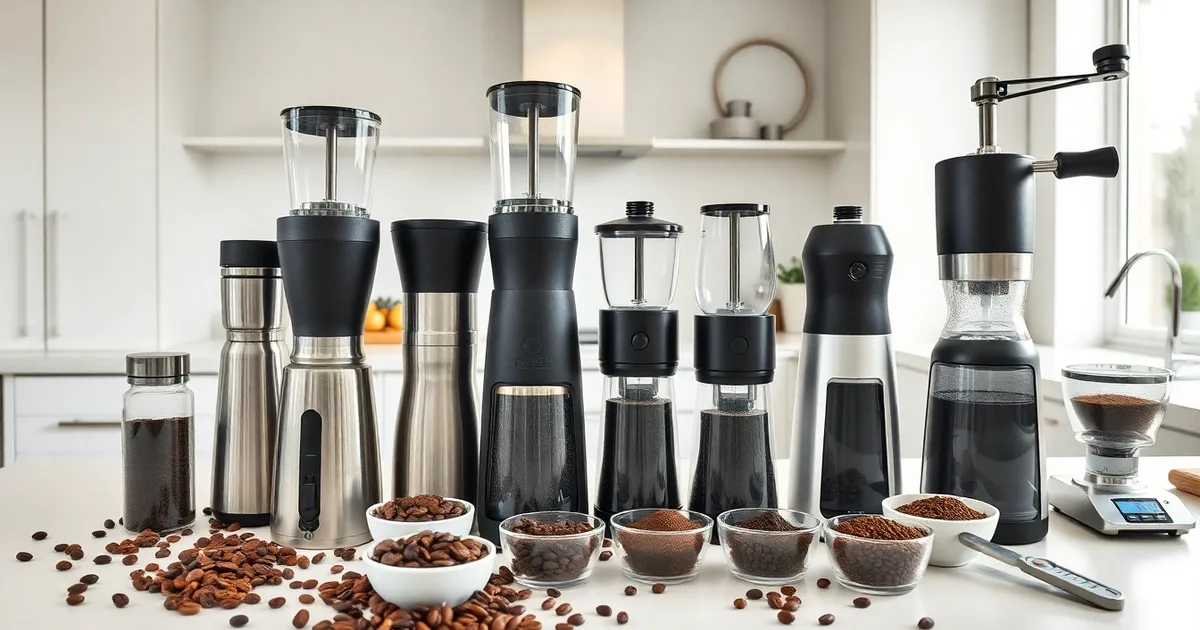
Store ground coffee in smaller, completely airtight containers and consume within 1-2 weeks of grinding. Consider investing in quality coffee grinders to grind beans fresh before each brewing session.
For pre-ground coffee storage, use vacuum-sealed containers or nitrogen-flushed packaging when possible. Divide large quantities into smaller portions to minimize air exposure each time the container is opened.
What Role Does Coffee Packaging Play in Freshness Preservation?
Original coffee packaging varies significantly in its ability to preserve freshness. One-way valve bags represent the industry standard for whole bean packaging, allowing CO2 to escape while preventing oxygen entry.
Foil-lined bags with heat sealing provide excellent short-term protection, while paper bags offer minimal protection and should be transferred to appropriate storage containers immediately.
When purchasing coffee, look for packages with roast dates within 2-3 weeks, one-way degassing valves, and opaque or foil-lined materials that block light penetration.
Complete Coffee Storage Techniques and Best Practices
Implementing comprehensive storage techniques ensures maximum coffee freshness and optimal brewing results. These practices apply regardless of your preferred coffee brewing methods.
Daily Storage Routine
- Keep coffee in original packaging until opening
- Transfer opened coffee to airtight container within 24 hours
- Store container in cool, dark location
- Use oldest coffee first (first-in, first-out principle)
- Clean storage containers monthly with mild soap
- Record roast dates for freshness tracking
Long-term Storage Strategy
- Purchase coffee in quantities consumable within 2-4 weeks
- Store backup supplies in freezer using proper techniques
- Maintain storage area temperature and humidity control
- Rotate stock regularly to prevent over-aging
- Monitor storage containers for seal integrity
| Storage Method | Whole Bean Freshness | Ground Coffee Freshness | Best Use Case |
|---|---|---|---|
| Room Temperature Airtight | 2-4 weeks | 1-2 weeks | Daily consumption |
| Vacuum Sealed Room Temp | 4-6 weeks | 2-3 weeks | Regular use, extended freshness |
| Freezer (proper technique) | 6-12 months | 3-6 months | Long-term storage, bulk purchases |
| Original Packaging | 1-2 weeks | 3-7 days | Immediate consumption only |
How Does Proper Storage Impact Coffee Health Benefits?
Proper storage not only preserves flavor but also maintains the beneficial compounds that contribute to coffee's health benefits. Antioxidants, particularly chlorogenic acids, degrade rapidly when coffee is improperly stored.
Studies indicate that properly stored coffee retains 85-95% of its antioxidant content for 4-6 weeks, while poorly stored coffee can lose 40-60% of these compounds within the same timeframe.
Maintaining optimal storage conditions ensures you receive maximum nutritional benefits along with superior taste quality.
Mastering coffee storage methods freshness preservation transforms your daily coffee experience from mediocre to exceptional. By implementing proper storage techniques, selecting appropriate containers, and understanding environmental factors, you can consistently enjoy coffee at its peak quality. Remember that fresh coffee storage is an investment in both flavor and the valuable compounds that make coffee a beneficial part of your daily routine. Start with these fundamental practices and adjust based on your consumption patterns and storage environment for optimal results throughout 2026.