Understanding coffee bean roast levels is essential for brewing the perfect cup of coffee in 2026. This comprehensive guide explores the science behind coffee roasting, detailed flavor characteristics of each roast level, and optimal brewing recommendations to maximize your coffee experience. Whether you're a home barista or coffee enthusiast, mastering roast levels will transform how you appreciate and brew coffee.
What Are Coffee Bean Roast Levels and Why Do They Matter?
Coffee bean roast levels refer to the degree of heat treatment applied to green coffee beans during the roasting process. The roasting duration and temperature fundamentally alter the bean's chemical composition, affecting flavor, aroma, caffeine content, and brewing characteristics.
Roasting transforms green coffee beans through complex chemical reactions called the Maillard reaction and caramelization. These processes develop the flavors we associate with coffee while reducing acidity and creating oils that contribute to body and mouthfeel.
The roast level significantly impacts your brewing experience. Lighter roasts preserve more origin characteristics and acidity, while darker roasts develop roasted flavors and reduce perceived acidity. Understanding these differences helps you select the perfect beans for your preferred brewing methods and techniques.
How Many Main Coffee Roast Categories Exist?
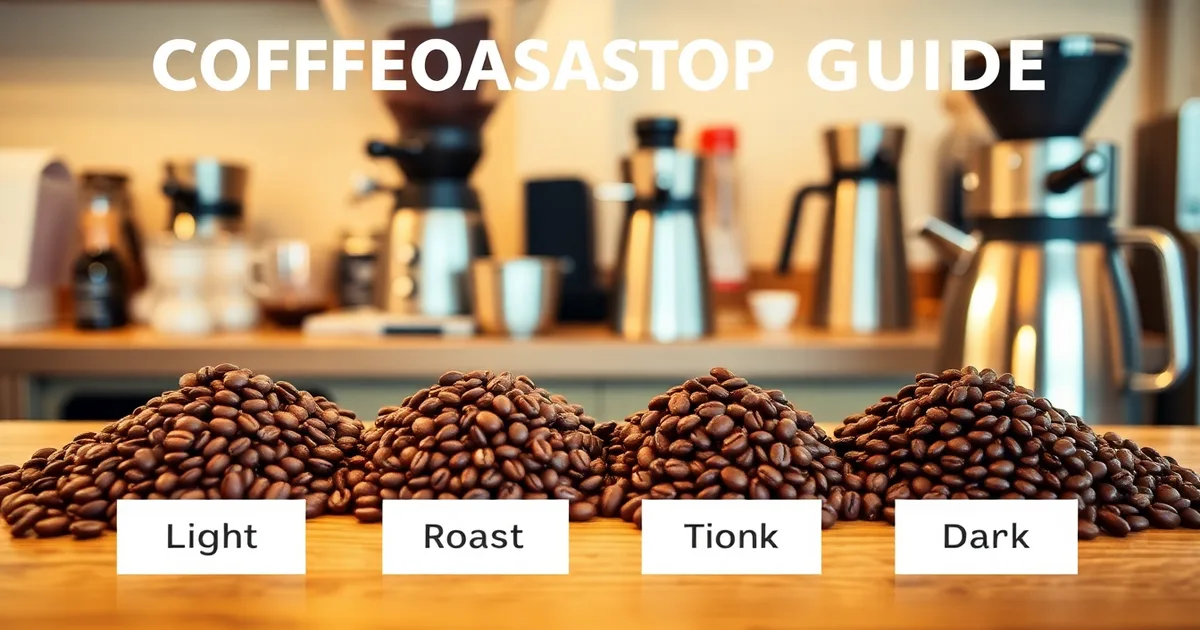
Coffee professionals typically classify roasts into four main categories: light, medium, medium-dark, and dark. Each category encompasses specific temperature ranges and roasting times that produce distinct flavor profiles.
- Light Roast: 356°F to 401°F (180°C to 205°C)
- Medium Roast: 410°F to 428°F (210°C to 220°C)
- Medium-Dark Roast: 437°F to 446°F (225°C to 230°C)
- Dark Roast: 464°F to 482°F (240°C to 250°C)
These temperature ranges correspond to specific visual and audible cues during roasting, including the famous "first crack" and "second crack" that roasters use to determine doneness.
What Defines Light Roast Coffee and Its Characteristics?
Light roast coffee is roasted until just after the first crack, typically reaching internal temperatures between 356°F and 401°F. These beans retain most of their origin characteristics and exhibit bright, complex flavor profiles.
Light Roast Visual Characteristics
- Light brown color with no visible oil on surface
- Dry appearance with minimal shine
- Higher density due to less moisture loss
- Preserved bean structure with minimal expansion
Flavor Profile of Light Roast
Light roasts showcase the coffee's terroir and processing method more than any other roast level. They typically feature:
- Bright, pronounced acidity
- Floral, fruity, or herbal notes
- Clean, tea-like body
- Higher caffeine content (approximately 60mg per shot)
- Complex flavor notes specific to origin
How Does Medium Roast Balance Flavor and Body?
Medium roast coffee represents the sweet spot between origin character and roasted flavor development. Roasted to temperatures between 410°F and 428°F, these beans offer balanced acidity and body.
Medium roasts develop caramelization while preserving many origin characteristics. This balance makes medium roast the most popular choice among American coffee drinkers, accounting for approximately 65% of specialty coffee sales in 2026.
Medium Roast Characteristics
- Medium brown color with minimal surface oils
- Balanced sweetness and acidity
- Fuller body than light roast
- Moderate caffeine content (approximately 55mg per shot)
- Chocolate, caramel, and nutty flavor notes
What Makes Dark Roast Coffee Distinctive?
Dark roast coffee undergoes extended roasting beyond the second crack, reaching temperatures of 464°F to 482°F. This intensive roasting process creates bold, robust flavors while minimizing origin characteristics.
Dark roasting develops oils that migrate to the bean surface, creating the characteristic shiny appearance. These oils contribute to body and mouthfeel but can become rancid more quickly, affecting shelf life.
Dark Roast Profile
- Dark brown to nearly black color
- Visible surface oils and shine
- Lower density due to moisture loss
- Reduced caffeine content (approximately 45mg per shot)
- Smoky, bitter, and roasted flavor dominance
Which Brewing Methods Work Best for Each Roast Level?
Optimal brewing methods vary significantly based on roast level due to differences in density, solubility, and flavor compounds. Understanding these relationships ensures proper extraction and flavor balance.
| Roast Level | Best Brewing Methods | Grind Size | Water Temperature | Extraction Time |
|---|---|---|---|---|
| Light Roast | Pour-over, V60, Chemex | Medium-fine | 200-205°F | 4-6 minutes |
| Medium Roast | Drip, French Press, AeroPress | Medium | 195-200°F | 3-5 minutes |
| Medium-Dark | Espresso, Moka Pot | Fine | 190-195°F | 25-30 seconds |
| Dark Roast | Espresso, Cold Brew | Fine to Coarse | 185-190°F | 20-25 seconds |
How Does Roast Level Affect Caffeine Content?
Contrary to popular belief, roast level minimally affects caffeine content. The difference between light and dark roast caffeine levels is approximately 5-10%, with light roasts containing slightly more caffeine.
However, dark roasted beans are less dense due to moisture loss during extended roasting. When measuring coffee by scoops rather than weight, you might use more dark roast beans, potentially equalizing caffeine content between roast levels.
Caffeine Content by Roast Level
- Light Roast: 60-65mg per shot (1oz)
- Medium Roast: 55-60mg per shot
- Medium-Dark Roast: 50-55mg per shot
- Dark Roast: 45-50mg per shot
What Are the Key Flavor Development Stages During Roasting?
Coffee roasting involves several critical stages that determine final flavor characteristics. Understanding these stages helps explain why different roast levels produce distinct taste profiles.
Roasting Stages and Flavor Development
- Drying Stage (0-5 minutes): Moisture evaporation, no flavor development
- Maillard Reaction (5-8 minutes): Amino acids and sugars react, developing brown color
- First Crack (8-10 minutes): Cellular structure breaks, releasing steam and developing roasted flavors
- Development Phase (10-12 minutes): Caramelization occurs, balancing acidity and sweetness
- Second Crack (12+ minutes): Further structure breakdown, oil development, smoky flavors emerge
How Should You Store Different Roast Levels?
Proper storage techniques vary based on roast level due to differences in oil content and porosity. Dark roasts require more careful handling due to surface oils that can become rancid.
Storage Best Practices by Roast Level
- Light Roasts: Store in airtight containers, consume within 2-4 weeks
- Medium Roasts: Use within 1-3 weeks, avoid direct sunlight
- Dark Roasts: Consume within 1-2 weeks, refrigerate if storing longer
- All Roasts: Keep away from heat, light, and moisture
Which Roast Level Should Beginners Choose?
For coffee newcomers, medium roast provides the most approachable introduction to specialty coffee. Medium roasts offer balanced flavors without overwhelming acidity or bitterness, making them ideal for developing your palate.
Start with medium roast single-origin coffees from different regions to understand how terroir influences flavor. Once comfortable with medium roasts, experiment with lighter roasts to appreciate origin characteristics or darker roasts for bolder flavors.
Practical Tips for Choosing and Brewing Coffee Roast Levels
- Match roast to brewing method: Use light roasts for pour-over methods and dark roasts for espresso
- Consider your taste preferences: Choose light roasts for bright, acidic flavors or dark roasts for bold, bitter notes
- Buy whole beans: Pre-ground coffee loses flavor quickly regardless of roast level
- Check roast dates: Purchase coffee roasted within the last 1-2 weeks for optimal freshness
- Adjust grind size accordingly: Light roasts need finer grinds, dark roasts work better with coarser grinds
- Experiment with ratios: Light roasts may require higher coffee-to-water ratios for full flavor extraction
- Monitor water temperature: Lighter roasts need hotter water for proper extraction
- Start with reputable roasters: Quality roasting makes a significant difference in flavor development
Coffee Roast Level Comparison Summary
Understanding coffee bean roast levels empowers you to make informed decisions about your coffee purchases and brewing methods. Each roast level offers unique characteristics that appeal to different taste preferences and brewing applications.
Light roasts showcase origin characteristics with bright acidity and complex flavors. Medium roasts provide balanced sweetness and body, making them versatile for various brewing methods. Dark roasts deliver bold, roasted flavors with full body and reduced acidity.
The key to enjoying coffee lies in matching roast levels to your taste preferences and chosen brewing methods. Experiment with different roast levels from quality roasters to discover your personal preferences and expand your coffee knowledge throughout 2026.