Zero-party data ecommerce represents the gold standard of customer data collection in 2026, where businesses gather information directly from customers through intentional, transparent interactions. This comprehensive approach to data collection enables profound personalization while respecting privacy regulations and building customer trust. Unlike traditional data collection methods, zero-party data empowers customers to control exactly what information they share, creating a foundation for meaningful, consent-based relationships that drive both customer satisfaction and business growth.
What Is Zero-Party Data and Why Does It Matter for Ecommerce?
Zero-party data is information that customers intentionally and proactively share with brands, including preferences, purchase intentions, personal context, and how they want to be recognized by the brand. This data type differs fundamentally from first-party, second-party, and third-party data because it's explicitly provided by customers through direct engagement.
In the ecommerce landscape of 2026, zero-party data has become increasingly valuable due to stricter privacy regulations, the deprecation of third-party cookies, and growing consumer awareness about data usage. Businesses leveraging zero-party data report 73% higher customer satisfaction rates and 68% improvement in personalization accuracy compared to traditional data collection methods.
The importance of zero-party data extends beyond compliance. It creates authentic customer relationships built on transparency and mutual value exchange. When customers voluntarily share their preferences, they're more likely to engage with personalized experiences, leading to higher conversion rates and customer lifetime value.
How to Collect Zero-Party Data Effectively in Ecommerce?
Effective zero-party data collection requires strategic touchpoints throughout the customer journey. The key is providing clear value in exchange for customer information while making the process seamless and enjoyable.
Primary collection methods include:
- Interactive surveys and quizzes: Engaging questionnaires that help customers discover products while revealing preferences
- Preference centers: Dedicated areas where customers can specify communication preferences, interests, and product categories
- Progressive profiling: Gradual information collection across multiple interactions to avoid overwhelming customers
- Gamified experiences: Interactive games, contests, and challenges that encourage voluntary data sharing
- Product configurators: Tools allowing customers to customize products while revealing style preferences
- Review and rating systems: Structured feedback mechanisms that capture detailed product preferences
The most successful implementations focus on timing and context. Advanced personalization engines can identify optimal moments for data collection requests, such as after positive interactions or when customers are actively browsing specific categories.
What Are the Best Strategies for Zero-Party Data Utilization?
Utilizing zero-party data effectively requires sophisticated data processing and application strategies that transform raw customer input into actionable insights for personalization.
Key utilization strategies include:
- Real-time personalization: Immediately applying customer preferences to customize website experiences, product recommendations, and content
- Predictive modeling: Using declared preferences to predict future behavior and optimize inventory and marketing strategies
- Segmentation enhancement: Creating highly specific customer segments based on declared interests and preferences
- Content customization: Tailoring marketing messages, email campaigns, and product descriptions to match customer communication preferences
- Product development insights: Leveraging aggregated preference data to inform new product development and feature prioritization
Modern ecommerce platforms integrate zero-party data with dynamic pricing algorithms to offer personalized pricing strategies that reflect individual customer value perceptions and purchase likelihood.
How Does Zero-Party Data Ensure Privacy Compliance?
Zero-party data inherently supports privacy compliance because it's based on explicit customer consent and transparency. However, proper implementation requires adherence to specific privacy principles and regulatory requirements.
Privacy compliance framework:
- Explicit consent: Clear, unambiguous agreement from customers before collecting any data
- Purpose limitation: Using data only for explicitly stated purposes communicated during collection
- Data minimization: Collecting only information necessary for stated purposes
- Transparency: Providing clear information about data usage, storage, and sharing practices
- Customer control: Enabling easy data access, modification, and deletion through user-friendly interfaces
- Security measures: Implementing robust data protection and encryption protocols
Leading ecommerce businesses implement comprehensive privacy management systems that automate compliance tasks while maintaining detailed audit trails. This approach ensures ongoing compliance with GDPR, CCPA, and other emerging privacy regulations.
What Tools and Technologies Enable Zero-Party Data Collection?
Successful zero-party data collection requires sophisticated technological infrastructure that seamlessly integrates data capture, processing, and application capabilities.
Essential technology stack components:
| Technology Category | Primary Function | Key Features |
|---|---|---|
| Customer Data Platforms (CDP) | Data unification and management | Real-time data processing, identity resolution, privacy controls |
| Survey and Quiz Platforms | Interactive data collection | Conditional logic, integration APIs, analytics dashboards |
| Preference Management Systems | Customer preference control | Granular consent management, preference portability, compliance automation |
| Personalization Engines | Real-time experience customization | Machine learning algorithms, A/B testing, omnichannel deployment |
| Analytics Platforms | Data insight generation | Predictive analytics, segmentation tools, ROI measurement |
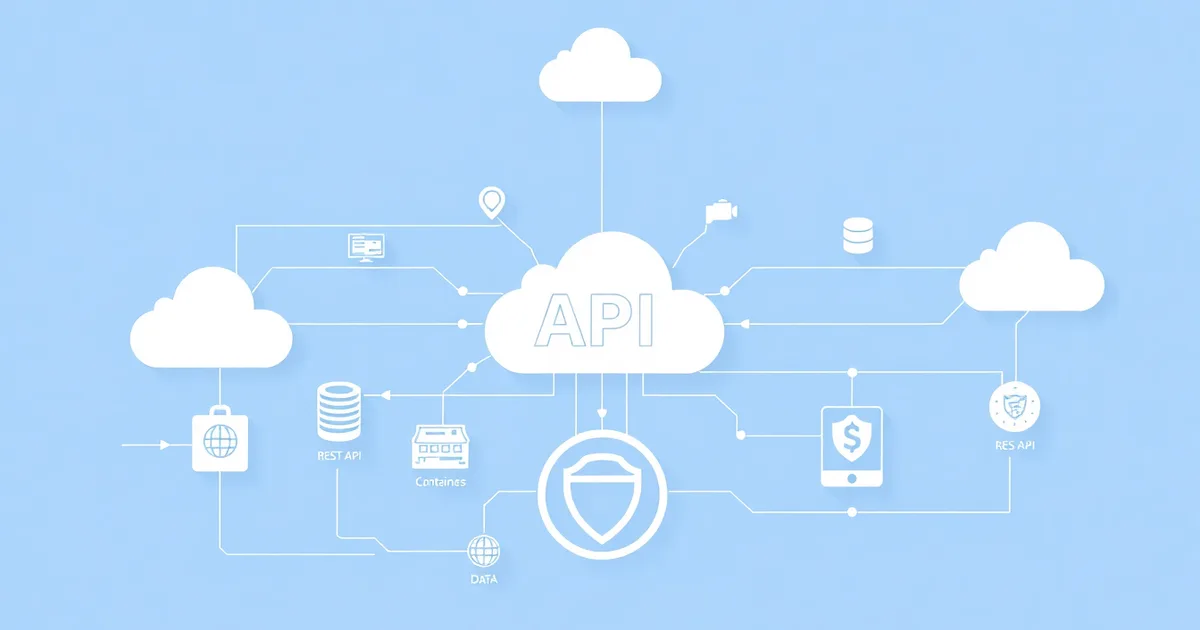
Integration capabilities are crucial for maximizing zero-party data value. Modern implementations leverage headless commerce architectures to ensure seamless data flow between collection points and application systems.
How to Measure Zero-Party Data Collection Success?
Measuring the success of zero-party data initiatives requires comprehensive metrics that evaluate both collection effectiveness and business impact.
Key performance indicators include:
- Collection rate: Percentage of visitors who provide zero-party data
- Data quality score: Completeness and accuracy of collected information
- Engagement improvement: Increased interaction rates with personalized experiences
- Conversion lift: Higher conversion rates for customers who provided zero-party data
- Customer satisfaction: Improved satisfaction scores related to personalization relevance
- Retention rates: Enhanced customer loyalty and repeat purchase behavior
- Privacy compliance score: Adherence to data protection regulations and best practices
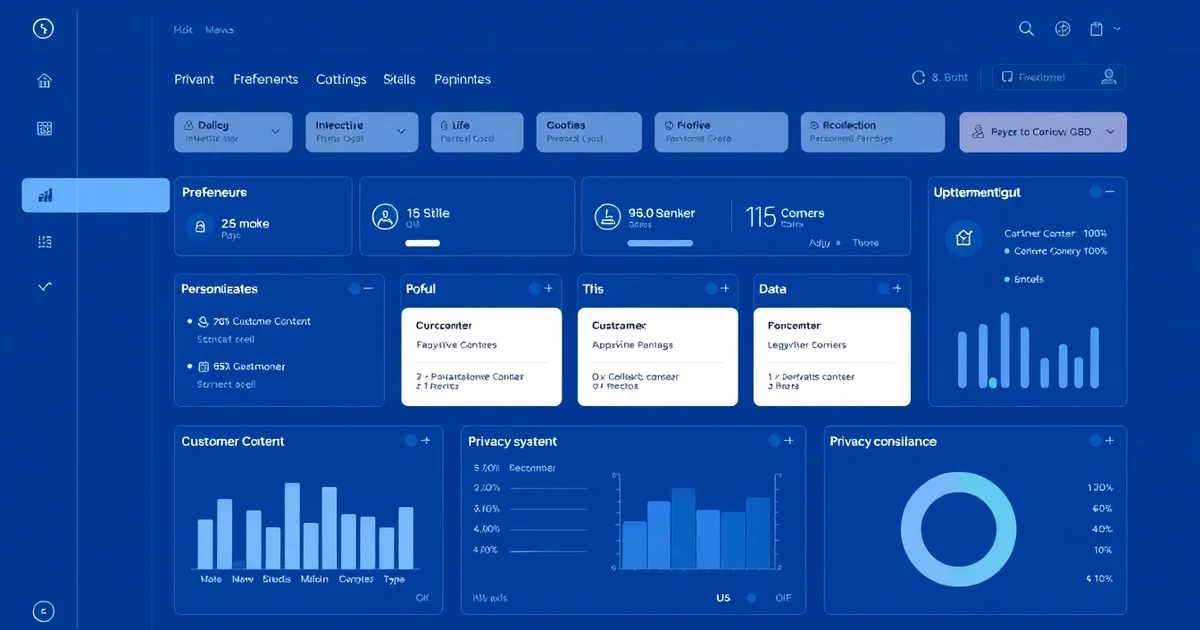
Advanced analytics platforms provide real-time dashboards that track these metrics and identify optimization opportunities. The most successful implementations achieve collection rates exceeding 45% while maintaining high data quality and customer satisfaction scores.
What Are Common Challenges in Zero-Party Data Implementation?
Implementing zero-party data strategies presents several challenges that require careful planning and execution to overcome effectively.
Primary implementation challenges:
- Customer participation reluctance: Overcoming initial hesitation to share personal information
- Technical integration complexity: Connecting disparate systems and ensuring data consistency
- Data quality management: Maintaining accurate and up-to-date customer information
- Personalization scalability: Delivering relevant experiences across large customer bases
- Privacy regulation compliance: Navigating complex and evolving legal requirements
- Resource allocation: Investing sufficient time and budget for proper implementation
Successful organizations address these challenges through phased implementation approaches, starting with high-value use cases and gradually expanding scope. They also invest heavily in customer education and transparency to build trust and encourage participation.
How to Create Compelling Value Exchanges for Zero-Party Data?
The foundation of successful zero-party data collection lies in creating compelling value exchanges that motivate customers to voluntarily share their information.
Effective value propositions include:
- Personalized product recommendations: Curated selections based on stated preferences and needs
- Exclusive access and early previews: Priority access to new products, sales, and special events
- Customized content and education: Tailored guides, tutorials, and industry insights
- Preference-based communication: Relevant marketing messages delivered through preferred channels
- Loyalty program enhancements: Personalized rewards and recognition based on individual preferences
- Problem-solving tools: Personalized solutions and support based on specific challenges
The most successful value exchanges align closely with customer goals and demonstrate immediate benefit. Social proof automation can enhance these value propositions by showing how other customers benefit from sharing their preferences.
What Role Does Artificial Intelligence Play in Zero-Party Data?
Artificial intelligence transforms zero-party data from static information into dynamic, actionable insights that drive sophisticated personalization experiences.
AI applications in zero-party data include:
- Intelligent data collection timing: Predicting optimal moments for preference gathering requests
- Preference inference: Deriving additional insights from explicitly stated preferences
- Dynamic personalization: Real-time experience adaptation based on declared preferences
- Predictive recommendations: Combining stated preferences with behavioral patterns for enhanced accuracy
- Natural language processing: Extracting insights from open-text customer feedback and preferences
- Automated segmentation: Creating sophisticated customer segments based on declared attributes
AI-powered systems can process zero-party data in real-time, enabling immediate personalization responses that enhance customer experiences. AI chatbots serve as particularly effective zero-party data collection tools, engaging customers in natural conversations that reveal preferences and needs.
Practical Implementation Tips for Zero-Party Data Success
Implementing zero-party data strategies requires careful attention to execution details and customer experience optimization.
- Start with high-impact touchpoints: Focus initial efforts on moments when customers are most likely to share information, such as account creation and post-purchase interactions
- Design mobile-first collection experiences: Ensure all data collection interfaces work seamlessly across devices and platforms
- Implement progressive disclosure: Request information gradually over time rather than overwhelming customers with lengthy forms
- Provide immediate value demonstration: Show personalization benefits immediately after customers share preferences
- Create preference update mechanisms: Enable easy preference modification as customer needs evolve
- Test collection timing and methods: Continuously optimize when and how preference requests are presented
- Maintain data freshness: Regularly verify and update customer preferences to ensure continued relevance
- Monitor collection performance: Track participation rates and adjust strategies based on customer response patterns
- Integrate with existing systems: Ensure zero-party data flows seamlessly into CRM, email marketing, and personalization platforms
- Train customer service teams: Equip support staff to collect and update customer preferences during service interactions
Zero-Party Data Collection Methods Comparison
Different collection methods offer varying levels of engagement, data quality, and implementation complexity. Understanding these trade-offs helps optimize collection strategies.
| Collection Method | Engagement Level | Data Quality | Implementation Complexity | Best Use Cases |
|---|---|---|---|---|
| Interactive Quizzes | High | High | Medium | Product discovery, style preferences |
| Preference Centers | Medium | Very High | Low | Communication preferences, interests |
| Progressive Profiling | Medium | High | High | Comprehensive customer understanding |
| Surveys | Low-Medium | High | Low | Feedback collection, satisfaction measurement |
| Gamified Experiences | Very High | Medium | High | Brand engagement, viral marketing |
| Product Configurators | High | Very High | High | Customizable products, style preferences |
Zero-party data ecommerce represents the future of customer-centric business relationships, enabling unprecedented personalization while maintaining privacy compliance and customer trust. As privacy regulations continue evolving and customer expectations for relevant experiences increase, businesses that master zero-party data collection and utilization will gain significant competitive advantages. The key lies in creating genuine value exchanges that motivate voluntary data sharing while implementing sophisticated systems that transform customer input into meaningful personalization experiences. Success requires ongoing optimization, technological investment, and unwavering commitment to transparency and customer benefit.