Headless commerce architecture represents a revolutionary approach to ecommerce development that separates the frontend presentation layer from the backend commerce functionality. This comprehensive guide explores how headless commerce enables businesses to create flexible, scalable, and personalized shopping experiences through API-first design principles. By decoupling the user interface from core commerce operations, organizations can deliver consistent experiences across multiple touchpoints while maintaining the agility to adapt to changing market demands in 2026.
What Is Headless Commerce Architecture?
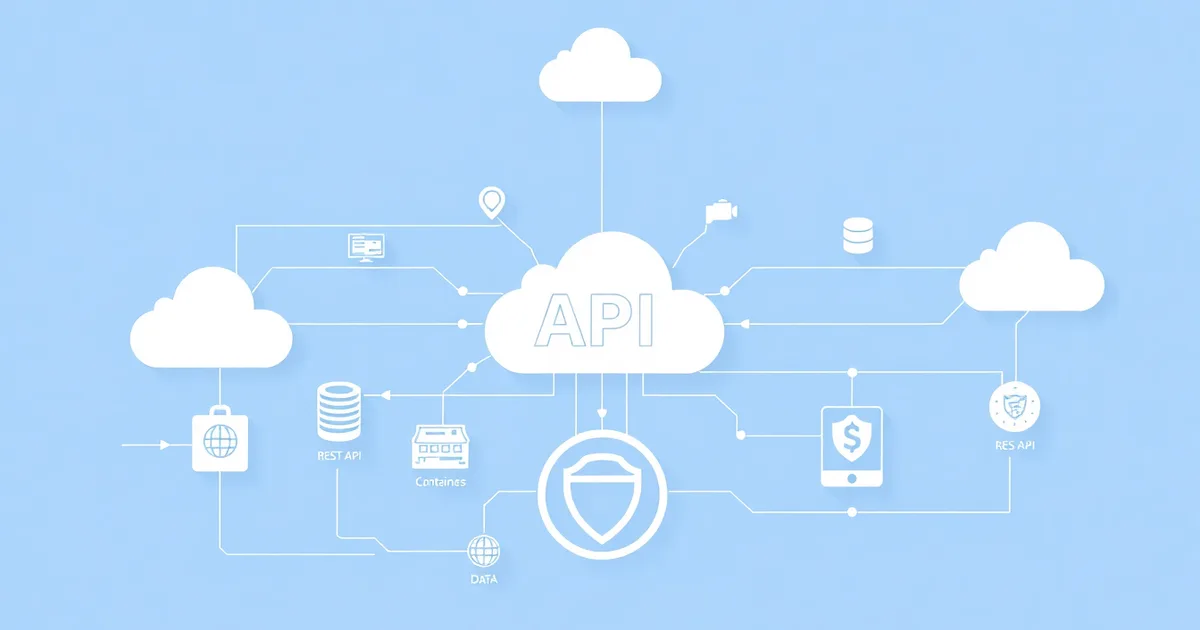
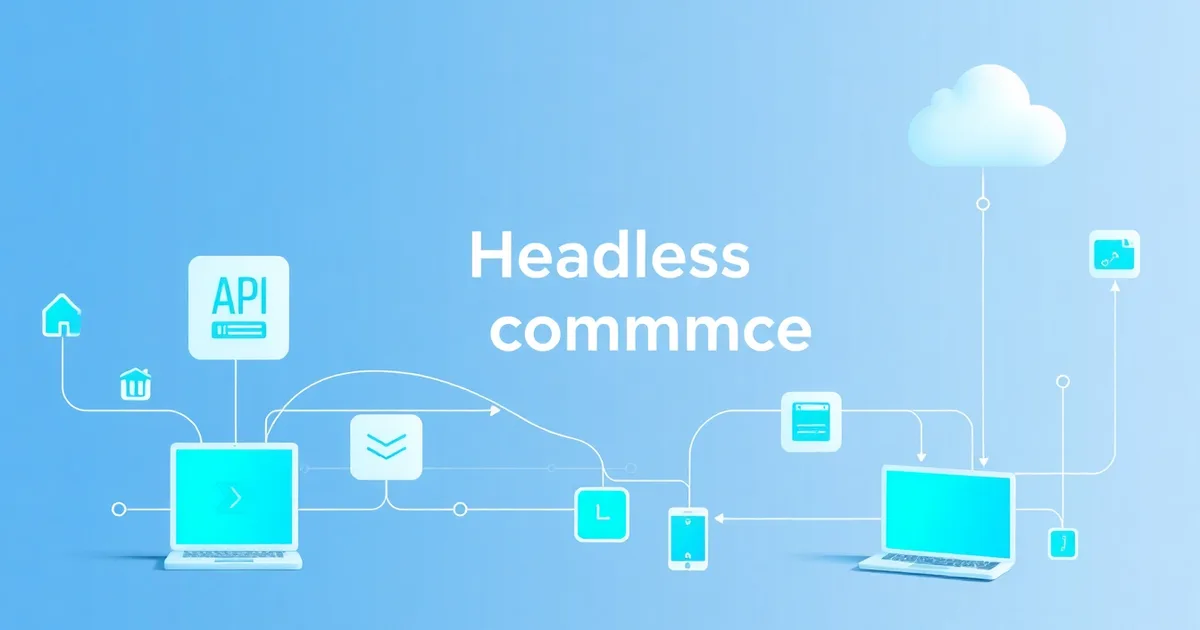
Headless commerce architecture is a modern ecommerce approach that separates the frontend user experience from the backend commerce engine through API connections. Unlike traditional monolithic ecommerce platforms, headless solutions allow developers to choose the best technologies for each layer independently.
The term "headless" refers to the removal of the presentation layer (the "head") from the commerce functionality. This separation enables businesses to deliver content and commerce experiences across multiple channels without being constrained by a single frontend framework.
Key characteristics of headless commerce include:
- API-first design: All functionality is exposed through RESTful or GraphQL APIs
- Technology flexibility: Frontend and backend can use different programming languages and frameworks
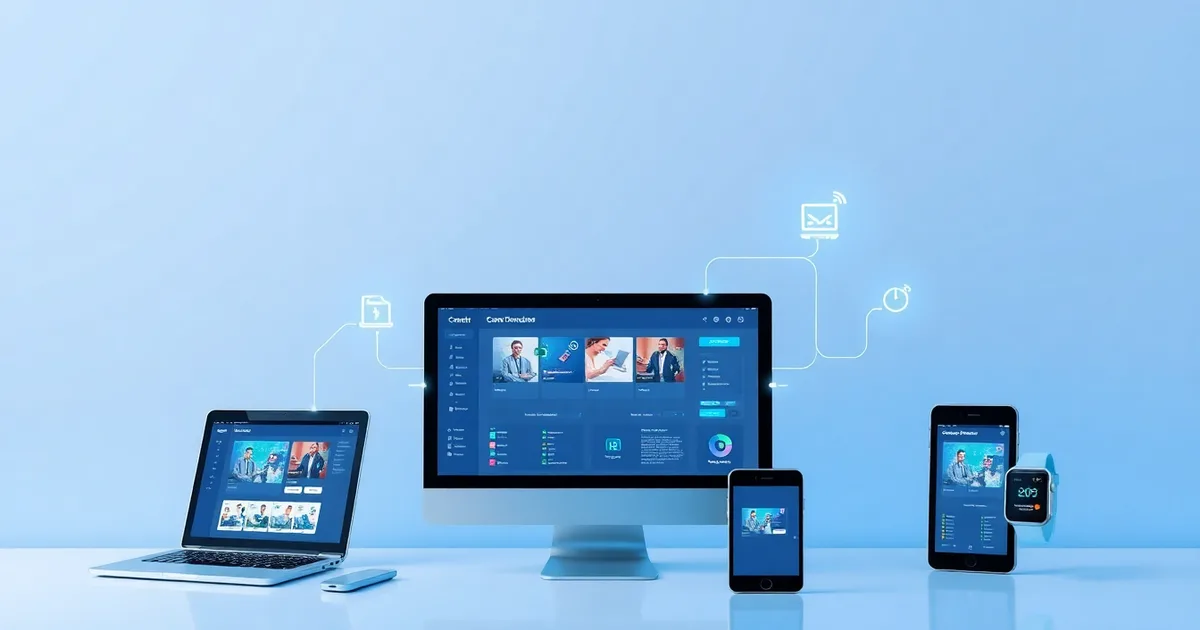
- Omnichannel capabilities: Single backend serves multiple frontend applications
- Scalability: Individual components can be scaled independently
- Developer experience: Teams can work on frontend and backend simultaneously
How Does Headless Commerce Differ from Traditional Ecommerce?
Traditional ecommerce platforms follow a monolithic architecture where the frontend and backend are tightly coupled. This approach has served businesses well for decades but presents limitations in today's digital landscape.
| Aspect | Traditional Commerce | Headless Commerce |
|---|---|---|
| Architecture | Monolithic, tightly coupled | Decoupled, API-driven |
| Frontend Flexibility | Limited to platform templates | Complete frontend freedom |
| Development Speed | Slower due to dependencies | Faster parallel development |
| Customization | Platform-specific constraints | Unlimited customization options |
| Scalability | Entire system scales together | Independent component scaling |
| Technology Stack | Fixed platform technologies | Best-of-breed technology choices |
The shift to headless commerce architecture allows businesses to overcome the limitations of traditional platforms while maintaining robust backend functionality. This approach particularly benefits companies requiring unique user experiences or serving multiple channels simultaneously.
What Are the Key Benefits of Implementing Headless Commerce?
Organizations adopting headless commerce architecture experience significant advantages across multiple dimensions of their digital operations. These benefits directly impact business performance, customer satisfaction, and operational efficiency.
Enhanced Performance and Speed
Headless commerce delivers superior performance through optimized frontend implementations that can leverage modern web technologies like static site generation and content delivery networks. Without the overhead of monolithic platforms, headless solutions typically achieve faster page load times and improved user experiences.
- Average page load time improvements of 40-60%
- Better Core Web Vitals scores
- Reduced server response times
- Optimized mobile performance
Unlimited Customization Possibilities
The separation of concerns in headless commerce enables complete frontend customization without backend constraints. Development teams can implement any design system, user interface framework, or interaction pattern that aligns with business requirements.
This flexibility proves especially valuable when implementing advanced personalization engines that require custom user interface components and dynamic content rendering capabilities.
Omnichannel Excellence
Headless architecture naturally supports omnichannel commerce by providing a single source of truth for product data, inventory, and customer information. This unified approach ensures consistency across all touchpoints while enabling channel-specific optimizations.
Future-Proof Technology Stack
By decoupling frontend and backend systems, businesses can adopt new technologies incrementally without complete system overhauls. This approach reduces technical debt and enables continuous modernization of the technology stack.
How to Plan Your Headless Commerce Implementation Strategy?
Successful headless commerce implementation requires careful planning and strategic decision-making across multiple dimensions. Organizations must evaluate their current systems, define objectives, and create detailed implementation roadmaps.
Assessment and Requirements Gathering
Begin by conducting a comprehensive audit of existing systems and identifying specific requirements for the headless implementation. This assessment should cover technical, business, and user experience considerations.
- Current system evaluation: Document existing platform capabilities and limitations
- Business objective definition: Establish clear goals for the headless transformation
- Technical requirement specification: Define API requirements, integration needs, and performance targets
- Resource assessment: Evaluate development team capabilities and budget constraints
- Timeline planning: Create realistic implementation schedules with milestone definitions
Technology Stack Selection
Choose appropriate technologies for both frontend and backend components based on specific requirements and team expertise. Consider factors like scalability, maintainability, and ecosystem support when making selections.
Popular headless commerce technology combinations include:
- Frontend: React, Vue.js, Angular, Next.js, Gatsby
- Backend: Shopify Plus, commercetools, Elastic Path, Salesforce Commerce Cloud
- APIs: RESTful services, GraphQL endpoints
- Infrastructure: Cloud platforms, CDNs, containerization
What Are the Essential Components of Headless Commerce Architecture?
Understanding the core components of headless commerce architecture enables better implementation planning and system design. Each component serves specific functions while maintaining loose coupling with other system elements.
API Gateway and Management
The API gateway serves as the central hub for all communication between frontend applications and backend services. This component handles authentication, rate limiting, request routing, and response formatting.
Essential API gateway features include:
- Authentication and authorization management
- Request/response transformation
- Rate limiting and throttling
- Analytics and monitoring
- Caching mechanisms
Commerce Engine
The commerce engine provides core ecommerce functionality including product catalog management, inventory tracking, order processing, and payment handling. This backend component operates independently of presentation layers.
Content Management System
Modern headless commerce implementations often include headless CMS solutions for content management. This separation allows content creators to work independently while maintaining consistency across channels.
Frontend Applications
Multiple frontend applications can connect to the same headless commerce backend, enabling consistent experiences across web, mobile, IoT devices, and emerging channels.
Which Headless Commerce Platforms Should You Consider in 2026?
The headless commerce platform landscape has evolved significantly, with established players and innovative newcomers offering robust solutions. Platform selection should align with business requirements, technical capabilities, and growth projections.
Enterprise Solutions
Enterprise headless commerce platforms provide comprehensive functionality with extensive customization capabilities suitable for large-scale operations with complex requirements.
- Salesforce Commerce Cloud: Comprehensive B2B and B2C capabilities with AI-powered features
- SAP Commerce Cloud: Enterprise-grade solution with extensive integration options
- commercetools: Modern API-first platform with microservices architecture
- Elastic Path: Flexible commerce engine designed for complex business models
Mid-Market Solutions
Mid-market platforms balance functionality with ease of implementation, making them suitable for growing businesses with moderate complexity requirements.
- Shopify Plus: Scalable solution with extensive app ecosystem
- BigCommerce Enterprise: API-first platform with built-in optimization features
- Magento Commerce: Open-source flexibility with enterprise support
When implementing headless commerce, consider how it integrates with other modern ecommerce strategies like mobile-first optimization and social commerce platforms.
How to Implement Headless Commerce Architecture Successfully?
Successful headless commerce implementation follows a structured approach that minimizes risks while maximizing the benefits of the new architecture. This process requires coordination between development teams, stakeholders, and external partners.
Phase 1: Foundation Setup
Establish the core infrastructure and backend systems before beginning frontend development. This approach ensures stable APIs and data sources for frontend teams.
- Commerce platform setup: Configure the headless commerce engine with necessary integrations
- API development: Create or configure APIs for all required functionality
- Authentication system: Implement secure authentication and authorization mechanisms
- Data migration: Transfer existing product, customer, and order data to the new system
- Testing infrastructure: Establish testing environments and automated testing procedures
Phase 2: Frontend Development
Develop frontend applications that consume the backend APIs while delivering optimized user experiences across different channels and devices.
Key frontend development considerations:
- Progressive web application (PWA) implementation
- Search engine optimization (SEO) strategies
- Performance optimization techniques
- Accessibility compliance
- Cross-browser compatibility
Phase 3: Integration and Testing
Comprehensive testing ensures all system components work together effectively while meeting performance and functionality requirements.
Testing scope should include:
- API functionality and performance testing
- Frontend user interface and user experience testing
- Integration testing across all system components
- Load testing and scalability verification
- Security testing and vulnerability assessments
What Challenges Might You Face During Implementation?
While headless commerce offers significant benefits, implementation can present challenges that require careful planning and mitigation strategies. Understanding these potential obstacles enables better preparation and risk management.
Technical Complexity
Headless commerce introduces additional technical complexity compared to traditional platforms. Teams must manage multiple systems, APIs, and integration points while maintaining system reliability and performance.
Common technical challenges include:
- API versioning and backward compatibility
- Cross-system data synchronization
- Error handling and system resilience
- Performance monitoring across distributed systems
- Security coordination between multiple components
Resource Requirements
Headless implementations typically require more specialized development resources and ongoing maintenance compared to traditional platforms. Organizations must invest in appropriate talent and tools to support the new architecture.
SEO and Marketing Considerations
Frontend applications in headless architectures require careful implementation to maintain search engine optimization and marketing tool compatibility. Server-side rendering or static site generation may be necessary for optimal SEO performance.
Marketing teams should also consider how headless architecture affects email marketing automation and customer data collection processes.
How Much Does Headless Commerce Implementation Cost?
Understanding the total cost of ownership for headless commerce helps organizations budget appropriately and make informed decisions about implementation approaches.
Initial Implementation Costs
Initial headless commerce implementation costs vary significantly based on complexity, platform selection, and customization requirements. Organizations should budget for both one-time setup costs and ongoing operational expenses.
Typical cost components include:
- Platform licensing: $10,000 - $500,000+ annually depending on platform and usage
- Development costs: $50,000 - $1,000,000+ for custom implementation
- Infrastructure: $1,000 - $50,000+ monthly for hosting and services
- Integration costs: $10,000 - $200,000+ for third-party system connections
- Testing and QA: 15-25% of total development costs
Ongoing Operational Costs
Headless commerce requires ongoing investment in maintenance, updates, and system optimization. These costs should be factored into long-term planning and budgeting processes.
Best Practices for Headless Commerce Success
Following established best practices increases the likelihood of successful headless commerce implementation while avoiding common pitfalls and optimization opportunities.
- API design excellence: Create well-documented, versioned APIs with consistent naming conventions and error handling
- Performance monitoring: Implement comprehensive monitoring across all system components to identify and resolve issues quickly
- Security first approach: Apply security best practices at every layer including API authentication, data encryption, and regular security audits
- Scalability planning: Design systems to handle growth in traffic, data volume, and functionality requirements
- Documentation maintenance: Keep comprehensive documentation for APIs, integrations, and custom implementations
- Team training: Invest in team education and skill development for headless technologies and practices
- Gradual migration: Consider phased implementation approaches that minimize disruption to ongoing operations
- Vendor relationships: Maintain strong relationships with platform vendors and integration partners for ongoing support
What Does the Future Hold for Headless Commerce?
The headless commerce landscape continues evolving with new technologies and approaches emerging regularly. Staying informed about trends and innovations helps organizations make strategic decisions about platform investments and implementation approaches.
Emerging Technologies
Several technologies are shaping the future of headless commerce, including artificial intelligence, edge computing, and progressive web applications. These innovations enable new capabilities and improved performance for headless implementations.
Key technology trends include:
- AI-powered personalization and recommendation engines
- Edge computing for improved global performance
- Voice commerce and conversational interfaces
- Augmented reality shopping experiences
- Blockchain-based supply chain transparency
Organizations can leverage AI-powered chatbots and other emerging technologies to enhance their headless commerce implementations.
Market Evolution
The headless commerce market is expected to grow significantly through 2026 and beyond, with increased adoption across industries and business sizes. This growth drives platform innovation and reduces implementation costs through improved tools and services.
Measuring Success in Headless Commerce Implementation
Establishing clear success metrics enables organizations to evaluate the effectiveness of their headless commerce implementation and identify areas for optimization.
Key performance indicators for headless commerce include:
- Technical metrics: Page load times, API response times, system uptime, error rates
- Business metrics: Conversion rates, average order value, customer acquisition cost, revenue growth
- User experience metrics: Bounce rates, session duration, customer satisfaction scores, mobile performance
- Development metrics: Deployment frequency, time to market for new features, developer productivity
- Operational metrics: Infrastructure costs, maintenance overhead, scaling efficiency
Regular monitoring and analysis of these metrics help organizations optimize their headless commerce implementation and demonstrate return on investment to stakeholders.
Headless commerce architecture represents the future of ecommerce development, offering unprecedented flexibility, performance, and scalability for modern digital commerce operations. By understanding the principles, benefits, and implementation strategies outlined in this guide, organizations can successfully transition to headless commerce and realize the competitive advantages it provides. The key to success lies in careful planning, appropriate technology selection, and commitment to best practices throughout the implementation process. As the ecommerce landscape continues evolving, headless architecture provides the foundation for adapting to new channels, technologies, and customer expectations while maintaining robust backend functionality and optimal user experiences.