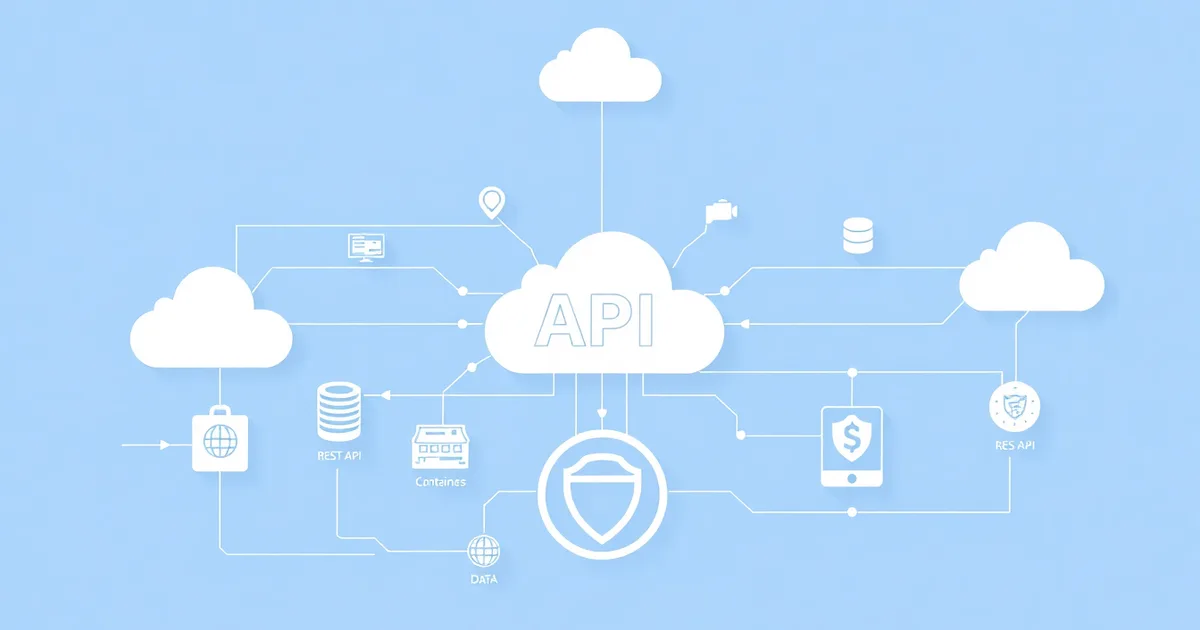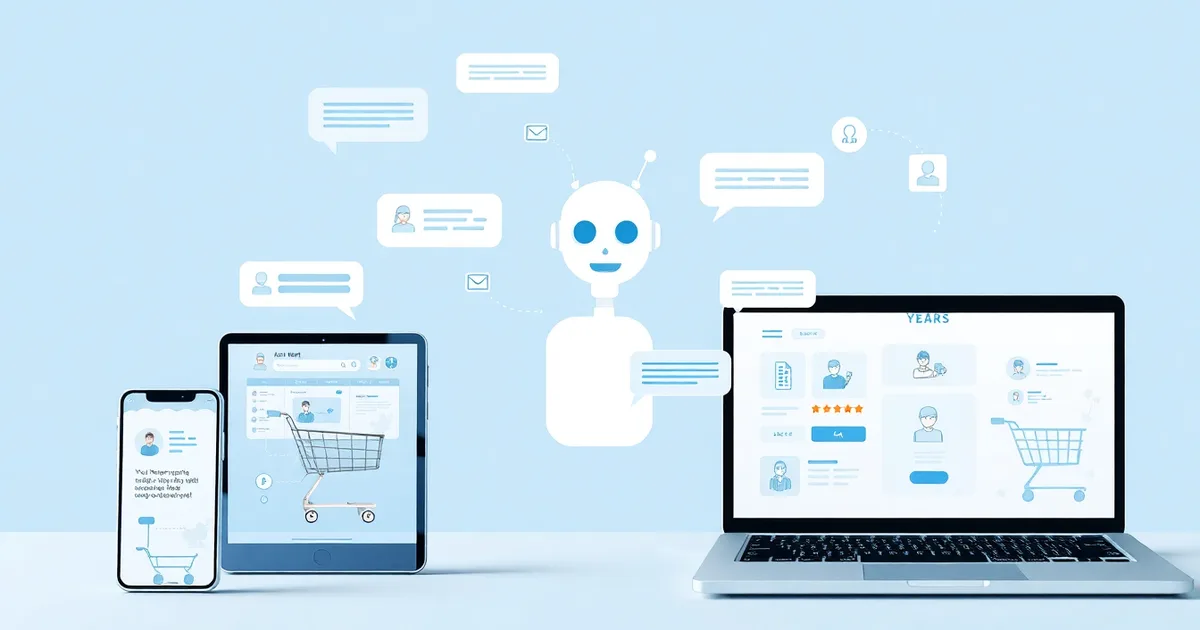
Ecommerce chatbot AI represents a transformative technology that enables online retailers to provide 24/7 customer support, automate sales processes, and deliver personalized shopping experiences at scale. In 2026, AI-powered chatbots have evolved beyond simple rule-based responses to sophisticated conversational agents that understand context, predict customer needs, and drive meaningful engagement across every touchpoint of the customer journey. These intelligent systems combine natural language processing, machine learning, and predictive analytics to create seamless interactions that boost conversion rates, reduce operational costs, and enhance customer satisfaction.
What Is Ecommerce Chatbot AI and How Does It Transform Online Retail?
Ecommerce chatbot AI is an artificial intelligence-powered conversational interface designed specifically for online retail environments. These sophisticated systems leverage natural language processing (NLP), machine learning algorithms, and contextual understanding to engage customers in meaningful conversations that drive sales and resolve inquiries.
Modern ecommerce chatbots operate across multiple channels including websites, mobile apps, social media platforms, and messaging services. They integrate seamlessly with existing ecommerce platforms, customer relationship management (CRM) systems, and inventory management tools to provide real-time, accurate responses.
The technology has advanced significantly in 2026, with chatbots now capable of understanding complex customer queries, interpreting emotional context, and providing personalized recommendations based on browsing history, purchase patterns, and demographic data. This evolution has made them indispensable tools for online retailers seeking to scale their operations while maintaining high-quality customer experiences.
How Do AI Chatbots Enhance Customer Support in Ecommerce?
AI chatbots revolutionize customer support by providing instant, consistent, and comprehensive assistance around the clock. Unlike traditional support channels, these systems never experience fatigue, maintain unlimited patience, and can handle multiple conversations simultaneously without compromising quality.
Key customer support capabilities include:
- Instant response to frequently asked questions about products, shipping, and policies
- Order tracking and status updates with real-time integration to fulfillment systems
- Return and exchange processing with automated workflow initiation
- Technical support for product usage and troubleshooting
- Account management assistance including password resets and profile updates
- Escalation to human agents for complex issues requiring personal attention
The integration of sentiment analysis allows modern chatbots to detect customer frustration or satisfaction levels, automatically adjusting their communication style or prioritizing escalations accordingly. This emotional intelligence significantly improves resolution rates and customer satisfaction scores.
What Sales Assistance Features Make Ecommerce Chatbots Effective?
Sales-focused ecommerce chatbots act as virtual sales representatives, guiding customers through the entire purchase journey from discovery to conversion. These AI systems leverage sophisticated recommendation engines and behavioral analytics to provide personalized shopping assistance that often outperforms traditional sales methods.
Advanced sales assistance features include:
- Product recommendation based on browsing behavior and purchase history
- Comparative analysis between similar products with detailed feature breakdowns
- Personalized discount offers and promotional code distribution
- Inventory availability checks with alternative product suggestions
- Size and compatibility guidance with interactive fitting tools
- Cross-selling and upselling opportunities at optimal conversation moments
- Abandoned cart recovery with personalized incentives
The most effective sales chatbots utilize predictive analytics to anticipate customer needs before they're explicitly expressed. For instance, if a customer browses winter coats, the chatbot might proactively suggest matching accessories or care instructions, increasing average order value while providing genuine value to the customer.
How Does Automated Customer Engagement Drive Business Growth?
Automated customer engagement through AI chatbots creates continuous touchpoints that nurture customer relationships and drive repeat business. These systems operate beyond reactive support, proactively engaging customers with relevant information, promotions, and assistance at strategic moments throughout their journey.
Engagement automation strategies include:
- Welcome sequences: Greeting new visitors with personalized introductions and navigation assistance
- Browse abandonment recovery: Re-engaging customers who leave without making a purchase
- Post-purchase follow-up: Confirming orders, providing shipping updates, and gathering feedback
- Loyalty program integration: Informing customers about points, rewards, and exclusive offers
- Educational content delivery: Sharing product tutorials, styling tips, and usage recommendations
- Seasonal and event-based outreach: Promoting relevant products during holidays and special occasions
This automated engagement significantly reduces customer acquisition costs while increasing lifetime value. Studies from 2026 indicate that businesses using comprehensive chatbot engagement strategies see 35% higher customer retention rates compared to those relying solely on traditional communication methods.
What Are the Key Benefits of Implementing Ecommerce Chatbot AI?
The implementation of ecommerce chatbot AI delivers measurable benefits across multiple business dimensions, from operational efficiency to customer satisfaction and revenue generation. These advantages have become increasingly pronounced as AI technology has matured and integration capabilities have expanded.
Operational benefits include:
- Cost reduction: Decreasing customer service expenses by up to 60% through automation
- Scalability: Handling unlimited simultaneous conversations without additional staffing
- Consistency: Providing uniform responses and service quality across all interactions
- Data collection: Gathering valuable customer insights and behavioral data automatically
- 24/7 availability: Offering continuous support across global time zones
Revenue-focused benefits include:
- Increased conversion rates: Average improvements of 20-30% through personalized assistance
- Higher average order values: Successful upselling and cross-selling recommendations
- Reduced cart abandonment: Proactive intervention and assistance during checkout
- Improved customer lifetime value: Enhanced satisfaction leading to repeat purchases
- Faster sales cycles: Immediate product information and purchase facilitation
The integration with email marketing automation systems further amplifies these benefits by creating cohesive, multi-channel customer experiences that drive sustained engagement and loyalty.
How to Choose the Right Ecommerce Chatbot Platform in 2026?
Selecting the optimal ecommerce chatbot platform requires careful evaluation of technical capabilities, integration options, and scalability potential. The decision significantly impacts both immediate performance and long-term growth capacity, making thorough assessment crucial for success.
Essential evaluation criteria include:
- Natural Language Processing Quality: Advanced understanding of customer intent and context
- Integration Capabilities: Seamless connection with existing ecommerce platforms and tools
- Customization Options: Ability to tailor responses, workflows, and branding elements
- Analytics and Reporting: Comprehensive performance tracking and optimization insights
- Multilingual Support: Capability to serve diverse customer bases effectively
- Machine Learning Advancement: Continuous improvement through interaction data
- Security and Compliance: Protection of customer data and regulatory adherence
Leading platforms in 2026 offer sophisticated features such as voice integration, visual product search, and augmented reality compatibility. The choice should align with specific business needs, technical resources, and growth objectives while considering the total cost of ownership over time.
What Implementation Best Practices Ensure Chatbot Success?
Successful ecommerce chatbot implementation requires strategic planning, careful execution, and continuous optimization. The most effective deployments follow established best practices that maximize user adoption and business impact while minimizing potential friction points.
Pre-implementation planning:
- Define clear objectives and key performance indicators (KPIs)
- Map customer journey touchpoints and identify optimal intervention moments
- Audit existing customer service data to identify common queries and pain points
- Establish brand voice and tone guidelines for consistent communication
- Plan integration architecture with existing systems and databases
During implementation:
- Start with a limited scope and gradually expand functionality
- Conduct thorough testing across devices, browsers, and user scenarios
- Train the AI system with high-quality, representative conversation data
- Implement clear escalation pathways to human agents
- Establish monitoring and alert systems for performance tracking
Post-launch optimization:
- Regularly analyze conversation logs to identify improvement opportunities
- Update knowledge bases with new products, policies, and seasonal information
- A/B test different response variations and conversation flows
- Gather user feedback through surveys and direct questioning
- Monitor conversion rates and adjust strategies accordingly
The integration with mobile optimization strategies is particularly crucial, as mobile commerce continues to dominate online retail interactions in 2026.
How to Measure Ecommerce Chatbot Performance and ROI?
Measuring chatbot performance requires a comprehensive approach that evaluates both operational metrics and business impact indicators. Effective measurement enables continuous optimization and demonstrates value to stakeholders while identifying areas for enhancement.
Key performance metrics include:
| Metric Category | Key Indicators | Target Benchmarks |
|---|---|---|
| Engagement | Response time, Conversation completion rate, User satisfaction scores | <3 seconds, >80%, >4.0/5.0 |
| Sales Impact | Conversion rate, Average order value, Revenue attribution | 20-30% improvement, 15-25% increase, Trackable contribution |
| Operational | Resolution rate, Escalation rate, Cost per interaction | >75%, <20%, Significant cost reduction |
| Technical | Uptime, Accuracy rate, Integration stability | >99.5%, >90%, Minimal errors |
ROI calculation considerations:
- Direct cost savings from reduced human support requirements
- Revenue increases from improved conversion rates and average order values
- Customer lifetime value improvements through enhanced satisfaction
- Operational efficiency gains from automated processes
- Time savings for human agents to focus on complex, high-value interactions
Advanced analytics platforms now provide real-time dashboards that track these metrics continuously, enabling rapid response to performance changes and optimization opportunities.
What Common Challenges Should Businesses Avoid?
While ecommerce chatbot AI offers significant benefits, implementation challenges can undermine success if not properly addressed. Understanding common pitfalls enables businesses to proactively avoid obstacles and ensure smooth deployment and operation.
Technical challenges:
- Poor integration: Inadequate connection with existing systems leading to data inconsistencies
- Limited training data: Insufficient conversation examples resulting in poor response quality
- Scalability issues: Systems that perform well in testing but fail under production load
- Security vulnerabilities: Inadequate protection of customer data and payment information
User experience challenges:
- Overly complex interactions: Chatbots that confuse users with too many options or unclear navigation
- Lack of human backup: No clear path for customers requiring human assistance
- Inconsistent brand voice: Responses that don't align with established brand communication style
- Mobile incompatibility: Poor performance on mobile devices where most customers interact
The key to avoiding these challenges lies in thorough planning, gradual implementation, and continuous monitoring. Successful businesses often start with focused use cases and expand functionality based on user feedback and performance data.
Advanced Features and Future Trends in Ecommerce Chatbot AI
The ecommerce chatbot landscape continues evolving rapidly, with emerging technologies enhancing capabilities and creating new opportunities for customer engagement. Understanding these trends helps businesses prepare for future developments and maintain competitive advantages.
Cutting-edge features in 2026 include:
- Visual AI integration: Image recognition for product identification and visual search capabilities
- Voice commerce support: Natural speech processing for hands-free shopping experiences
- Augmented reality integration: Virtual try-on experiences and product visualization
- Predictive analytics: Anticipating customer needs before they're expressed
- Emotional intelligence: Understanding and responding to customer emotional states
- Multi-modal interactions: Seamless transitions between text, voice, and visual interfaces
Emerging trends shaping the future:
- Hyper-personalization: AI systems that create unique experiences for each individual customer
- Omnichannel orchestration: Coordinated experiences across all customer touchpoints
- Autonomous decision-making: Chatbots that can approve returns, process refunds, and make complex decisions
- Social commerce integration: Native chatbot functionality within social media platforms
- Sustainability guidance: AI that helps customers make environmentally conscious purchasing decisions
These advanced capabilities align perfectly with social commerce trends and conversion optimization strategies that define successful ecommerce operations in 2026.
Integration Strategies for Maximum Impact
Effective ecommerce chatbot AI implementation extends beyond standalone functionality to comprehensive integration with existing business systems and processes. This holistic approach maximizes value creation and ensures seamless customer experiences across all touchpoints.
Critical integration points include:
- Customer Relationship Management (CRM): Synchronizing customer data, interaction history, and preferences
- Inventory Management Systems: Real-time product availability and automated restock notifications
- Payment Processing: Secure transaction handling and order completion
- Marketing Automation: Coordinated campaigns and personalized messaging
- Analytics Platforms: Comprehensive data collection and performance analysis
- Help Desk Systems: Seamless escalation and ticket management
The integration with marketing automation systems enables sophisticated nurturing campaigns that combine chatbot interactions with email sequences, creating cohesive customer journeys that drive engagement and conversions.
Advanced integration strategies:
- API-first architecture: Building flexible, scalable connections between systems
- Real-time data synchronization: Ensuring consistent information across all platforms
- Cross-platform user identification: Recognizing customers across devices and channels
- Unified customer profiles: Comprehensive view of customer interactions and preferences
- Automated workflow triggers: Initiating processes based on chatbot interactions
This comprehensive integration approach supports complex business models including subscription services and international operations requiring cross-border functionality.
Practical Implementation Tips for Immediate Results
Implementing ecommerce chatbot AI effectively requires attention to practical details that ensure smooth deployment and rapid value realization. These actionable tips help businesses avoid common pitfalls and achieve positive results quickly.
Quick-win implementation strategies:
- Start with FAQ automation to handle the most common customer inquiries
- Implement order tracking functionality for immediate customer value
- Create product recommendation engines based on browsing behavior
- Set up abandoned cart recovery sequences with personalized messaging
- Enable basic customer service functions like password resets and account updates
- Establish clear escalation triggers for complex issues requiring human intervention
Optimization techniques for sustained success:
- Regular content updates: Keep product information, policies, and seasonal content current
- Conversation flow testing: Regularly test all possible user paths and scenarios
- Performance monitoring: Track key metrics and respond quickly to performance changes
- User feedback collection: Actively gather and implement customer suggestions
- A/B testing: Experiment with different response styles, timing, and offers
- Staff training: Ensure human agents understand chatbot capabilities and limitations
Common success factors:
- Clear communication about chatbot capabilities and limitations
- Consistent brand voice and personality throughout interactions
- Mobile-optimized interface design and functionality
- Fast response times and reliable performance
- Easy escalation to human support when needed
- Regular updates and improvements based on user data
Cost-Benefit Analysis and Investment Considerations
Understanding the financial implications of ecommerce chatbot AI implementation helps businesses make informed decisions and set realistic expectations for return on investment. The cost structure varies significantly based on platform choice, customization requirements, and integration complexity.
| Cost Category | Typical Range | Key Factors |
|---|---|---|
| Platform Licensing | $50-$500/month | Features, usage volume, support level |
| Development/Setup | $5,000-$50,000 | Customization, integration complexity |
| Maintenance | $1,000-$5,000/month | Updates, monitoring, optimization |
| Training Data | $2,000-$10,000 | Data quality, volume, specialization |
Expected returns typically include:
- Customer service cost reduction: 40-60% decrease in support expenses
- Sales increase: 15-25% improvement in conversion rates
- Operational efficiency: 30-50% reduction in response times
- Customer satisfaction: 20-40% improvement in satisfaction scores
- Scalability benefits: Ability to handle growth without proportional cost increases
Most businesses achieve positive ROI within 6-12 months of implementation, with ongoing benefits continuing to compound over time. The key to maximizing return lies in selecting appropriate use cases, ensuring quality implementation, and maintaining continuous optimization efforts.
"The most successful ecommerce chatbot implementations focus on solving real customer problems while delivering measurable business value. Start small, measure everything, and scale based on proven results." - Industry expert insight from 2026 ecommerce AI research
Ecommerce chatbot AI represents a fundamental shift in how online retailers engage customers, provide support, and drive sales. The technology has matured significantly by 2026, offering sophisticated capabilities that deliver measurable business results while enhancing customer experiences. Success requires strategic planning, careful implementation, and ongoing optimization, but the benefits - including reduced costs, increased sales, and improved customer satisfaction - make the investment compelling for businesses of all sizes. As AI continues advancing, early adopters gain competitive advantages that become increasingly difficult for competitors to match, making now the optimal time to implement comprehensive chatbot strategies.