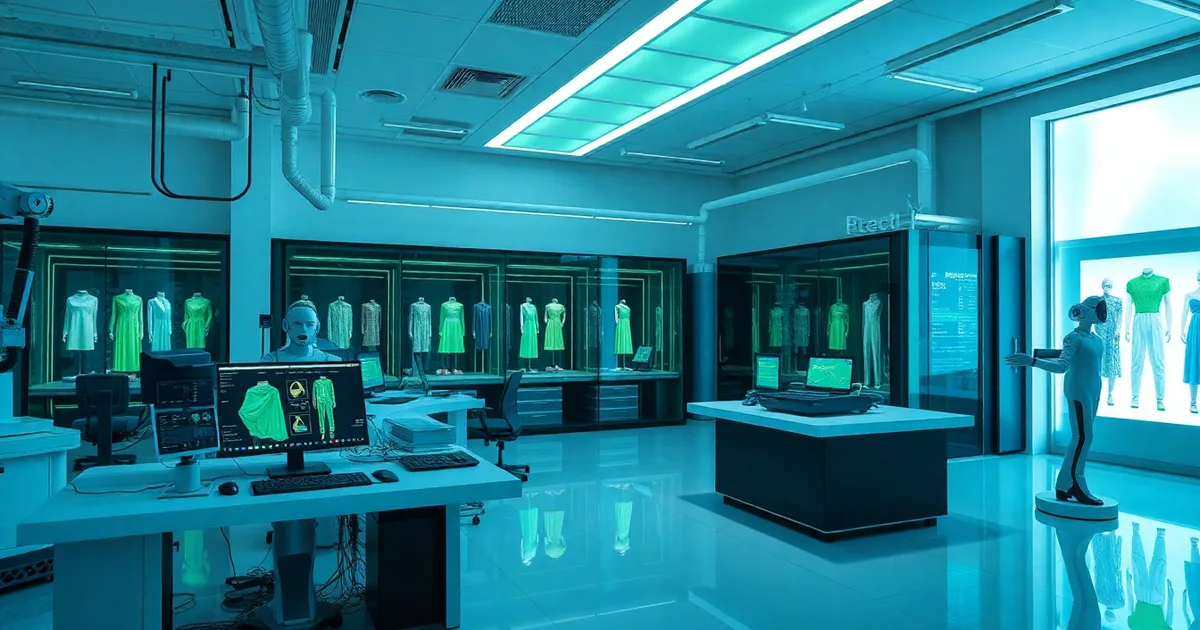
Sustainable fashion technology is revolutionizing the clothing industry through AI-powered solutions, circular economy innovations, and eco-friendly manufacturing processes. As of 2026, advanced technologies including machine learning algorithms, blockchain tracking systems, and automated recycling processes are transforming how fashion brands design, produce, and distribute clothing while minimizing environmental impact. These innovations encompass digital pattern optimization, waste reduction systems, supply chain transparency tools, and consumer engagement platforms that collectively address the fashion industry's sustainability challenges.
What Is Sustainable Fashion Technology and Why Does It Matter?
Sustainable fashion technology refers to the integration of digital solutions, artificial intelligence, and innovative manufacturing processes designed to reduce the environmental footprint of clothing production and consumption. This comprehensive approach addresses multiple aspects of the fashion value chain, from raw material sourcing to end-of-life garment processing.
The global fashion industry produces over 92 million tons of textile waste annually, making it the second-most polluting industry worldwide. Sustainable fashion technology directly tackles these challenges through:
- AI-driven design optimization that reduces material waste by up to 30%
- Automated quality control systems that minimize defective products
- Smart supply chain management reducing transportation emissions
- Digital try-on technologies decreasing return rates by 40%
- Circular economy platforms enabling garment reuse and recycling
Major fashion brands like H&M, Adidas, and Patagonia have invested over $2.3 billion in sustainable technology initiatives in 2026, demonstrating the industry's commitment to environmental responsibility.
How Are AI-Powered Solutions Transforming Fashion Design and Production?
Artificial intelligence is fundamentally changing how fashion companies approach design, manufacturing, and inventory management. AI-powered sustainable fashion technology leverages machine learning algorithms to optimize every aspect of the production process.
Intelligent Design and Pattern Optimization
AI algorithms analyze fabric properties, consumer preferences, and environmental factors to create optimized garment designs. These systems can reduce fabric waste by 25-35% through intelligent pattern nesting and cutting optimization. Companies like CLO Virtual Fashion and Optitex use AI to simulate fabric behavior digitally, eliminating the need for physical prototypes.
Demand Forecasting and Inventory Management
Machine learning models analyze historical sales data, social media trends, and weather patterns to predict consumer demand with 85% accuracy. This precision reduces overproduction, one of the fashion industry's most significant sustainability challenges. Advanced predictive analytics systems help brands optimize inventory levels and reduce unsold stock.
Automated Quality Control Systems
Computer vision technology powered by AI detects fabric defects, color inconsistencies, and stitching errors with 99.2% accuracy. This automation reduces waste from quality issues and ensures consistent product standards without human intervention.
| AI Application | Waste Reduction | Cost Savings | Implementation Timeline |
|---|---|---|---|
| Design Optimization | 30-35% | $2.1M annually | 6-8 months |
| Demand Forecasting | 40-50% | $3.8M annually | 4-6 months |
| Quality Control | 15-20% | $1.6M annually | 3-4 months |
| Supply Chain Optimization | 25-30% | $2.9M annually | 8-12 months |
What Circular Economy Solutions Are Revolutionizing Fashion?
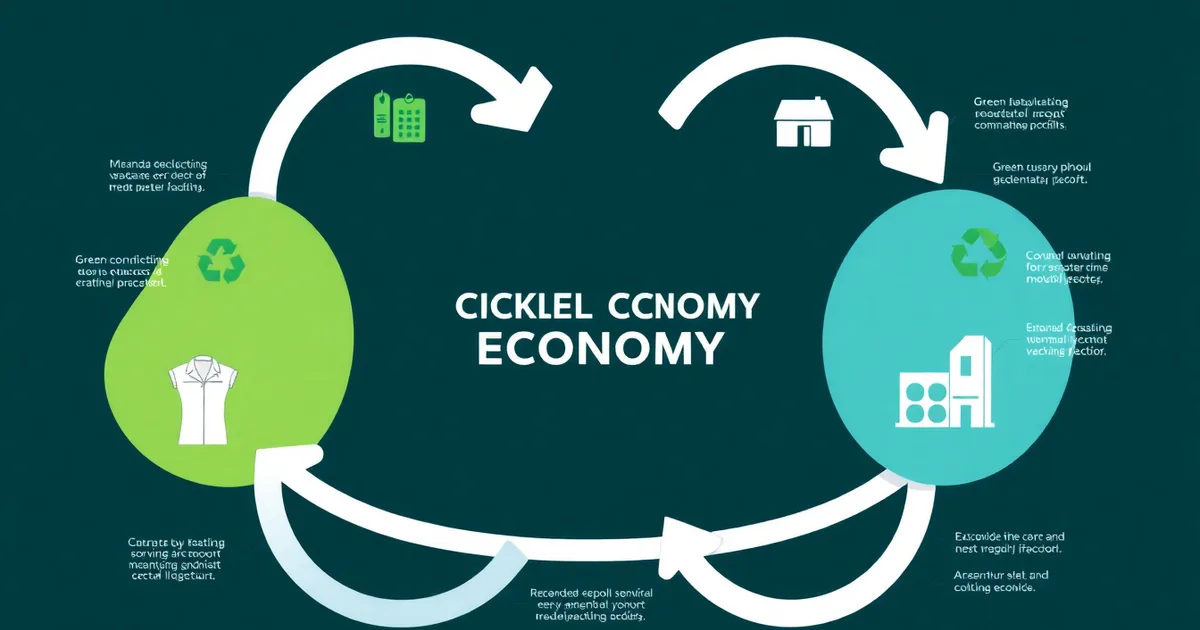
The circular economy model in fashion focuses on designing out waste, keeping products in use, and regenerating natural systems. Sustainable fashion technology enables this transition through innovative digital platforms and automated processes.
Digital Clothing Passports and Blockchain Tracking
Blockchain-based digital passports track each garment's lifecycle, from raw materials to disposal. These systems provide transparency about production conditions, material composition, and environmental impact. Companies like Everledger and TextileGenesis offer blockchain solutions that enable complete supply chain visibility.
Automated Sorting and Recycling Systems
AI-powered sorting facilities use near-infrared spectroscopy and machine learning to identify fabric types and separate textiles for recycling. These systems process up to 1,000 kg of textiles per hour with 95% accuracy, significantly improving recycling efficiency.
Peer-to-Peer Resale Platforms
Digital marketplaces powered by AI matching algorithms connect consumers for clothing resale and exchange. Platforms like Vestiaire Collective and The RealReal use machine learning to authenticate products, price items optimally, and match buyers with sellers, extending garment lifecycles by an average of 2.3 years.
How Do Eco-Friendly Manufacturing Innovations Work?
Manufacturing innovations focus on reducing water consumption, eliminating harmful chemicals, and minimizing energy usage throughout the production process. These technologies represent the most significant opportunities for environmental impact reduction.
Waterless Dyeing Technologies
Traditional textile dyeing consumes 79 billion cubic meters of water annually. New technologies like CO2 dyeing, air dyeing, and digital printing reduce water usage by up to 95%. Companies like DyeCoo and ColorZen have commercialized these technologies, with major brands adopting them across production facilities.
Bio-Based Material Production
Biotechnology enables the production of sustainable materials from agricultural waste, fungi, and lab-grown fibers. Biofabricate technologies create leather alternatives from mushroom mycelium and produce silk proteins through fermentation processes. These materials reduce environmental impact while maintaining performance characteristics.
3D Knitting and Additive Manufacturing
Three-dimensional knitting technologies produce seamless garments with zero waste, while 3D printing creates accessories and footwear components on-demand. These processes eliminate cutting waste and enable mass customization, reducing overproduction and improving fit.
Which Smart Supply Chain Technologies Improve Sustainability?
Supply chain optimization represents a critical component of sustainable fashion technology, addressing transportation efficiency, supplier transparency, and ethical sourcing practices.
IoT sensors and tracking devices monitor shipments in real-time, optimizing routes and reducing transportation emissions by 18-25%. These systems integrate with advanced API management platforms to provide seamless data integration across supply chain partners.
Supplier Verification and Compliance Systems
AI-powered due diligence platforms analyze supplier data, certifications, and compliance records to ensure ethical sourcing. These systems use natural language processing to monitor news reports and social media for potential supply chain risks, enabling proactive management of sustainability compliance.
Carbon Footprint Tracking and Optimization
Advanced carbon accounting software calculates emissions at each supply chain stage, identifying optimization opportunities. Machine learning algorithms suggest alternative suppliers, transportation methods, and production processes to minimize environmental impact while maintaining cost efficiency.
What Consumer-Facing Technologies Drive Sustainable Shopping?
Consumer engagement technologies educate shoppers about sustainability impacts and encourage responsible purchasing decisions through personalized recommendations and impact visualization.
Virtual Try-On and Digital Sampling
Augmented reality and virtual reality technologies enable customers to try on clothing digitally, reducing return rates by up to 40%. These systems use computer vision and 3D modeling to provide accurate fit predictions and style visualization, similar to technologies used in conversational commerce platforms.
Sustainability Impact Calculators
Digital tools calculate and display the environmental impact of each garment, including water usage, carbon emissions, and waste generation. These calculators help consumers make informed decisions and understand the environmental consequences of their purchases.
Personalized Sustainability Recommendations
AI algorithms analyze individual shopping patterns and preferences to recommend sustainable alternatives and complementary pieces that extend wardrobe versatility. These systems promote conscious consumption by suggesting quality items that align with personal style and sustainability goals.
How Can Fashion Brands Implement Sustainable Technology Solutions?
Implementation of sustainable fashion technology requires strategic planning, technology integration, and stakeholder alignment. Successful adoption follows a structured approach that balances environmental benefits with business objectives.
- Sustainability Assessment and Goal Setting: Conduct comprehensive environmental impact assessments and establish measurable sustainability targets
- Technology Evaluation and Selection: Research and evaluate sustainable technology solutions based on impact potential, cost-effectiveness, and integration requirements
- Pilot Program Development: Implement small-scale pilot programs to test technologies and measure results before full-scale deployment
- Supply Chain Integration: Collaborate with suppliers and partners to implement sustainable technologies throughout the value chain
- Employee Training and Change Management: Provide comprehensive training programs to ensure successful technology adoption and cultural change
- Performance Monitoring and Optimization: Establish KPIs and monitoring systems to track progress and continuously improve sustainability performance
What Are the Key Benefits of Sustainable Fashion Technology?
The adoption of sustainable fashion technology delivers multiple benefits across environmental, economic, and social dimensions. These advantages create compelling business cases for technology investment and implementation.
Environmental Benefits
- Reduced Water Consumption: Advanced dyeing and finishing technologies reduce water usage by 70-95%
- Decreased Chemical Usage: Bio-based processes eliminate harmful chemicals and reduce pollution by 60-80%
- Lower Carbon Emissions: Optimized supply chains and manufacturing processes reduce greenhouse gas emissions by 35-45%
- Waste Minimization: Circular economy solutions divert 80-90% of textile waste from landfills
Economic Advantages
- Cost Reduction: Efficiency improvements reduce manufacturing costs by 20-30%
- Risk Mitigation: Supply chain transparency reduces regulatory and reputational risks
- Market Differentiation: Sustainable practices attract environmentally conscious consumers and premium pricing
- Innovation Opportunities: Technology investments create new product categories and business models
Social Impact
- Improved Working Conditions: Automated systems reduce worker exposure to harmful chemicals and dangerous processes
- Transparency and Accountability: Blockchain tracking ensures ethical sourcing and fair labor practices
- Consumer Education: Digital platforms increase awareness about sustainability issues and responsible consumption
What Challenges and Limitations Exist in Sustainable Fashion Technology?
Despite significant potential, sustainable fashion technology faces several implementation challenges that must be addressed for successful adoption.
High Initial Investment Costs represent the primary barrier for many companies, particularly smaller brands. Advanced AI systems and manufacturing equipment require substantial capital investments, with payback periods of 3-5 years.
Technology Integration Complexity challenges organizations with legacy systems and established processes. Many sustainable technologies require significant infrastructure changes and workforce retraining.
Consumer Behavior and Adoption remain inconsistent, as sustainability awareness doesn't always translate to purchasing decisions. Price sensitivity and convenience factors often override environmental considerations.
Scalability and Performance limitations affect some emerging technologies, particularly bio-based materials and recycling processes that may not yet match conventional alternatives in terms of quality, durability, or cost-effectiveness.
What Does the Future Hold for Sustainable Fashion Technology?
The sustainable fashion technology landscape continues evolving rapidly, with emerging innovations promising even greater environmental benefits and business opportunities. Industry experts predict several key developments through 2030.
Advanced AI and Machine Learning will enable real-time optimization across entire supply chains, with autonomous systems managing inventory, production scheduling, and logistics with minimal human intervention. These systems will integrate with sophisticated customer data platforms to personalize sustainability recommendations.
Molecular Recycling Technologies will break down textiles to their basic molecular components, enabling infinite recycling loops for synthetic materials. This technology could eliminate textile waste entirely by 2030.
Nanotechnology Applications will create smart fabrics with self-cleaning properties, temperature regulation, and extended durability, reducing replacement frequency and maintenance requirements.
Decentralized Manufacturing Networks will enable local production through distributed 3D printing and micro-factories, reducing transportation emissions and enabling mass customization at scale.
Essential Implementation Guidelines for Sustainable Fashion Technology
Organizations planning to implement sustainable fashion technology should follow these essential guidelines to ensure successful adoption and maximum impact:
- Start with comprehensive sustainability audits to identify the highest-impact improvement opportunities
- Prioritize technologies with measurable ROI and clear environmental benefits
- Develop strategic partnerships with technology providers and sustainability consultants
- Invest in employee training and change management to ensure successful technology adoption
- Establish clear KPIs and monitoring systems to track progress and demonstrate impact
- Communicate sustainability initiatives transparently to consumers and stakeholders
- Plan for scalability and future technology integration to avoid obsolescence
- Collaborate with industry peers and standards organizations to drive collective progress
Similar to how renewable energy technologies are transforming power generation, sustainable fashion technology represents a fundamental shift toward environmental responsibility and long-term viability.
Sustainable fashion technology is reshaping the clothing industry through AI-powered solutions, circular economy innovations, and eco-friendly manufacturing processes. As these technologies mature and costs decrease, adoption will accelerate across all market segments, from luxury brands to fast fashion retailers. The integration of artificial intelligence, blockchain tracking, automated recycling, and consumer engagement platforms creates a comprehensive ecosystem that addresses sustainability challenges while maintaining business viability. Companies that embrace these innovations early will gain competitive advantages through cost reductions, risk mitigation, and market differentiation, while contributing to the global transition toward sustainable consumption patterns. The future of fashion depends on the successful implementation of these transformative technologies, making 2026 a pivotal year for industry-wide sustainable technology adoption.