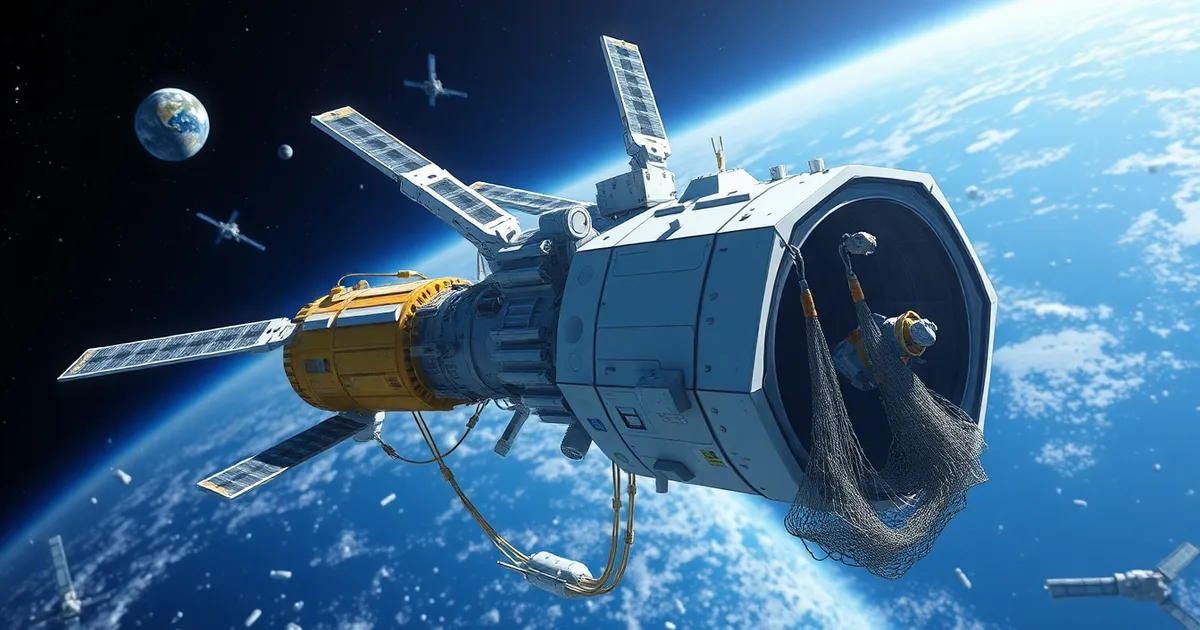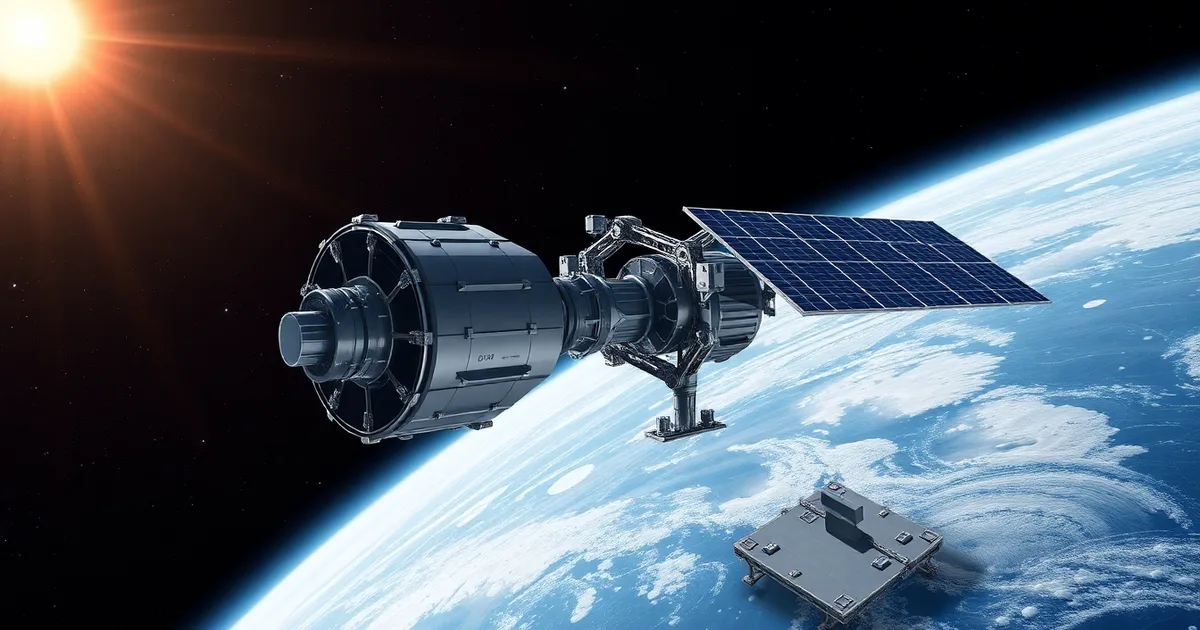
Space solar power satellites represent one of the most promising solutions for clean, unlimited energy generation in 2026. These orbital power stations collect solar energy in space—where sunlight is constant and eight times more intense than on Earth—and transmit it wirelessly to ground-based receivers. This comprehensive guide explores the technology, economics, and implementation strategies of space-based solar power systems that could revolutionize global energy infrastructure.
What Are Space Solar Power Satellites?
Space solar power satellites (SSPS) are large orbital structures equipped with photovoltaic arrays that convert sunlight into electrical energy in space. Unlike terrestrial solar panels, these satellites operate in the vacuum of space where solar radiation is unfiltered by atmospheric interference.
The fundamental advantage of space solar power satellites lies in their ability to generate power continuously. In geostationary orbit, these systems can collect solar energy 24 hours a day, 365 days a year, with only brief interruptions during eclipse periods.
Key components of space solar power satellites include:
- Large-scale photovoltaic arrays for energy collection
- Wireless power transmission systems using microwaves or optical beams
- Attitude control systems for precise Earth-pointing
- Ground-based receiving stations (rectennas)
- Power conversion and distribution infrastructure
How Does Orbital Solar Power Generation Work?
Orbital solar power generation operates through a sophisticated four-stage process that transforms space-collected sunlight into usable terrestrial electricity. The system begins with massive solar arrays deployed in geostationary orbit approximately 35,786 kilometers above Earth's equator.
Stage 1: Solar Energy Collection
Space-based photovoltaic panels convert concentrated solar radiation into direct current electricity. In space, solar irradiance reaches 1,367 watts per square meter—significantly higher than Earth's surface maximum of 1,000 watts per square meter.
Stage 2: Power Conditioning and Conversion
Onboard power management systems convert DC electricity into radio frequency (RF) energy, typically operating at 2.45 GHz or 5.8 GHz frequencies. This conversion enables efficient wireless power transmission across vast distances.
Stage 3: Wireless Power Transmission
High-gain antennas focus RF energy into narrow beams directed toward Earth-based receiving stations. Advanced beam-forming technology ensures power transmission accuracy within a few kilometers of the target receiver.
Stage 4: Ground-Based Power Reception
Rectifying antennas (rectennas) on Earth capture transmitted RF energy and convert it back to DC electricity for grid integration. Modern rectenna designs achieve conversion efficiencies exceeding 85%.
What Are the Key Technologies Behind Space Solar Power?
Several breakthrough technologies make space solar power satellites viable in 2026. These innovations address historical challenges related to mass, efficiency, and cost-effectiveness of orbital power generation systems.
Advanced Photovoltaic Technology
Next-generation solar cells utilize multi-junction designs with efficiency rates exceeding 40%. These cells incorporate gallium arsenide and indium gallium phosphide materials optimized for space environments and radiation resistance.
Lightweight Structural Materials
Carbon fiber composites and ultra-lightweight metallic structures reduce satellite mass by up to 70% compared to traditional designs. This mass reduction significantly decreases launch costs and enables larger power generation arrays.
Wireless Power Transmission Systems
Modern space solar power satellites employ two primary transmission methods:
- Microwave transmission: Uses 2.45 GHz or 5.8 GHz frequencies with transmission efficiencies reaching 90%
- Optical power transmission: Employs near-infrared laser beams with higher power density but weather-dependent performance
Robotic Assembly and Maintenance
Autonomous robotic systems enable in-space construction and ongoing maintenance of large-scale solar arrays. These systems reduce human spaceflight requirements and operational costs while improving system reliability.
How Is Power Transmitted from Satellites to Earth?
Power transmission from space solar power satellites to Earth relies on carefully engineered wireless energy transfer systems that maintain safety standards while maximizing efficiency. The transmission process involves precise beam control and sophisticated ground-based reception infrastructure.
Microwave Power Transmission Process
Space-based transmitters convert satellite-generated electricity into focused microwave beams using phased array antennas. These antennas, spanning several kilometers in diameter, create highly directional energy beams with power densities typically ranging from 200-1,000 watts per square meter.
The microwave frequency selection balances atmospheric absorption, hardware complexity, and safety considerations. The 2.45 GHz frequency offers optimal atmospheric transparency, while 5.8 GHz provides improved beam focus characteristics.
Ground Reception Infrastructure
Rectenna fields on Earth capture transmitted microwave energy across areas measuring 5-10 square kilometers. These facilities incorporate thousands of individual receiving elements that convert RF energy back to usable electricity.
Modern rectenna designs feature:
- Conversion efficiencies exceeding 85% under optimal conditions
- Multiple-use land compatibility (agriculture, grazing)
- Modular construction enabling phased deployment
- Integrated safety monitoring systems
Safety and Environmental Considerations
Power beam intensity remains well below harmful levels for humans and wildlife. International safety standards limit power density to 10 milliwatts per square centimeter—significantly lower than microwave oven emissions.
What Are the Economic Benefits of Space Solar Power?
The economic case for space solar power satellites has strengthened considerably in 2026, driven by declining launch costs, improved manufacturing efficiency, and increasing terrestrial energy demands. Financial analysis indicates these systems could achieve grid parity with conventional power sources within the next decade.
Cost Analysis and Projections
Current estimates suggest space solar power systems could generate electricity at $0.08-0.12 per kilowatt-hour by 2035. This projection assumes continued reductions in launch costs and economies of scale in satellite manufacturing.
Key economic advantages include:
- Capacity Factor: 90-95% compared to terrestrial solar's 20-25%
- Land Use Efficiency: Minimal ground-based infrastructure requirements
- Weather Independence: Consistent power generation regardless of atmospheric conditions
- Scalability: Modular expansion capabilities without geographical constraints
Market Size and Growth Potential
Industry analysts project the space solar power market could reach $400 billion by 2040. This growth reflects increasing energy security concerns and the need for carbon-neutral power generation solutions.
The technology also enables power delivery to remote locations and developing regions where traditional grid infrastructure proves economically unfeasible. This capability expands the total addressable market significantly beyond conventional power generation scenarios.
What Challenges Face Space Solar Power Implementation?
Despite promising technological advances, space solar power satellites face several implementation challenges that require continued innovation and investment. These obstacles span technical, economic, and regulatory domains.
Technical Challenges
System complexity remains the primary technical hurdle for widespread deployment. Space solar power satellites require integration of multiple advanced technologies, each presenting unique engineering challenges.
Critical technical issues include:
- Thermal management: Managing extreme temperature variations in space environments
- Radiation resistance: Protecting sensitive electronics from cosmic radiation and solar particles
- Precision beam control: Maintaining accurate power transmission to ground receivers across orbital mechanics variations
- System maintenance: Developing cost-effective repair and replacement procedures for orbital infrastructure
Economic and Financial Barriers
High initial capital requirements present significant financial challenges. Individual space solar power satellites may cost $10-20 billion to develop, manufacture, and deploy, requiring substantial long-term investment commitments.
Launch costs, while declining, still represent 30-40% of total system expenses. Further reductions in space access costs are essential for commercial viability. The development of space manufacturing capabilities could help address these cost challenges through in-orbit assembly and production.
Regulatory and Safety Concerns
International coordination requirements complicate deployment timelines. Space solar power satellites must comply with space law, telecommunications regulations, and environmental safety standards across multiple jurisdictions.
How Do Space Solar Power Satellites Compare to Other Energy Sources?
Comparative analysis reveals distinct advantages and trade-offs between space solar power satellites and conventional energy generation methods. This comparison considers performance metrics, environmental impact, and long-term sustainability factors.
| Energy Source | Capacity Factor (%) | CO2 Emissions (g/kWh) | Land Use (m²/GWh/year) | Lifecycle Cost ($/MWh) |
|---|---|---|---|---|
| Space Solar Power | 90-95 | 0-10 | 1-5 | 80-120 |
| Terrestrial Solar | 20-25 | 40-50 | 3,500-4,000 | 40-80 |
| Wind Power | 25-35 | 10-15 | 1,500-2,000 | 50-90 |
| Natural Gas | 50-60 | 350-400 | 200-300 | 60-100 |
| Nuclear | 85-95 | 10-20 | 100-200 | 100-180 |
Performance Advantages
Space solar power satellites demonstrate superior capacity factors and minimal environmental footprint compared to terrestrial renewable sources. The consistent power generation eliminates intermittency issues that plague ground-based solar and wind systems.
Unlike nuclear power, space solar systems avoid radioactive waste concerns and lengthy decommissioning processes. The technology also eliminates fuel supply chain dependencies that affect fossil fuel and nuclear power generation.
Integration with Existing Infrastructure
Space solar power complements rather than replaces existing renewable energy infrastructure. The technology provides baseload power generation capabilities that support grid stability while other renewable sources handle peak demand variations.
This integration approach enables gradual transition pathways that minimize stranded asset risks while maximizing clean energy deployment. The combination of space and terrestrial renewable systems creates resilient, carbon-neutral power grids.
What Are the Latest Developments in Space Solar Power in 2026?
2026 has witnessed significant milestones in space solar power development, with multiple organizations advancing from theoretical concepts to practical demonstrations. These developments indicate accelerating progress toward commercial deployment within the current decade.
Current Demonstration Projects
Several space agencies and private companies have launched orbital power transmission demonstrations throughout 2026. The European Space Agency's SOLARIS program successfully transmitted 10 kilowatts from a small satellite to ground receivers, demonstrating end-to-end system functionality.
Japan's space agency (JAXA) has deployed a 100-kilowatt demonstration satellite that has operated continuously for six months, validating long-term performance predictions. China's space program has announced plans for a 1-megawatt demonstration system scheduled for 2027 deployment.
Private Sector Initiatives
Multiple private companies have secured funding for commercial space solar power development. These initiatives leverage reduced launch costs and improved manufacturing techniques to accelerate deployment timelines.
Key private sector developments include:
- Partnerships with satellite constellation operators to share orbital infrastructure
- Development of standardized satellite bus designs for mass production
- Integration with existing space logistics and maintenance capabilities
- Collaboration with terrestrial renewable energy developers
The growth of satellite constellation networks has created shared infrastructure opportunities that reduce individual project costs and risks.
How Can Organizations Prepare for Space Solar Power Adoption?
Organizations considering space solar power adoption should develop comprehensive preparation strategies that address technical integration, financial planning, and regulatory compliance requirements. Early preparation enables advantageous positioning as commercial systems become available.
Strategic Planning Considerations
Energy-intensive industries should evaluate space solar power integration potential within their long-term sustainability strategies. This evaluation includes power demand forecasting, grid integration requirements, and cost-benefit analysis compared to alternative energy sources.
Organizations should also consider geographical advantages for rectenna facility development. Locations with stable weather patterns, minimal air traffic, and existing electrical grid infrastructure offer optimal deployment conditions.
Technical Preparation Steps
- Grid compatibility assessment: Evaluate existing electrical infrastructure's capacity for high-power RF to DC conversion systems
- Site selection analysis: Identify suitable locations for ground-based receiving infrastructure
- Power management system upgrades: Plan integration with smart grid technologies and energy storage systems
- Safety protocol development: Establish procedures for RF exposure monitoring and system maintenance
Partnership and Investment Opportunities
Early-stage partnerships with space solar power developers can provide competitive advantages and reduced deployment costs. These relationships enable access to emerging technologies and preferential pricing arrangements.
Investment in supporting technologies also creates preparation benefits. Areas such as space debris removal and orbital maintenance services will become increasingly important as space solar power systems proliferate.
What Is the Future Outlook for Space Solar Power Satellites?
The future of space solar power satellites appears increasingly promising as technological barriers diminish and economic incentives strengthen. Industry projections suggest commercial systems could begin operations within 8-12 years, with widespread adoption possible by the 2040s.
Technology Roadmap Through 2035
Near-term developments will focus on demonstration system scaling and cost reduction initiatives. By 2030, initial commercial systems generating 10-50 megawatts are expected to enter operation, primarily serving specialized markets and remote locations.
The 2030-2035 timeframe should witness deployment of gigawatt-class space solar power satellites capable of providing baseload power to major metropolitan areas. These systems will benefit from economies of scale and improved manufacturing processes.
Integration with Space Economy
Space solar power development will catalyze broader space economy growth through infrastructure sharing and technological spillovers. The industry will benefit from advances in asteroid mining operations that could provide raw materials for orbital construction.
Additionally, Mars colonization efforts will drive development of long-distance wireless power transmission technologies applicable to Earth-based systems.
Global Energy System Transformation
Successful space solar power deployment could fundamentally alter global energy geopolitics by providing abundant, location-independent clean energy. This transformation would reduce dependence on fossil fuel imports and enable energy access for underserved populations worldwide.
Practical Implementation Tips for Space Solar Power Adoption
- Start with pilot projects: Begin with small-scale demonstrations to validate system integration and performance
- Develop regulatory relationships: Engage early with relevant regulatory bodies to understand compliance requirements
- Invest in workforce development: Train technical personnel in RF power systems and space-based energy technologies
- Plan for grid integration: Upgrade electrical infrastructure to accommodate high-power wireless energy reception
- Consider environmental factors: Evaluate local wildlife and electromagnetic interference concerns
- Establish safety protocols: Develop comprehensive procedures for RF exposure monitoring and emergency response
- Build strategic partnerships: Collaborate with space solar power developers and other early adopters
- Monitor technology developments: Stay informed about advances in wireless power transmission and satellite manufacturing
Economic Comparison: Space Solar Power vs. Alternative Energy Sources
| Factor | Space Solar Power | Terrestrial Solar + Storage | Offshore Wind | Nuclear |
|---|---|---|---|---|
| Initial Investment | Very High | High | High | Very High |
| Operating Costs | Low | Low | Medium | Medium |
| Reliability | Very High | Medium | Medium | Very High |
| Environmental Impact | Very Low | Low | Low | Low |
| Scalability | Very High | High | Medium | Medium |
Space solar power satellites represent a transformative technology poised to revolutionize global energy infrastructure in the coming decades. While significant technical and economic challenges remain, recent advances in wireless power transmission, lightweight materials, and space access have brought these systems closer to commercial viability than ever before. Organizations that begin preparing now for space solar power adoption will be best positioned to capitalize on this emerging clean energy revolution. The technology's potential for providing abundant, reliable, and environmentally sustainable power makes it a critical component of humanity's transition to a carbon-neutral energy future.