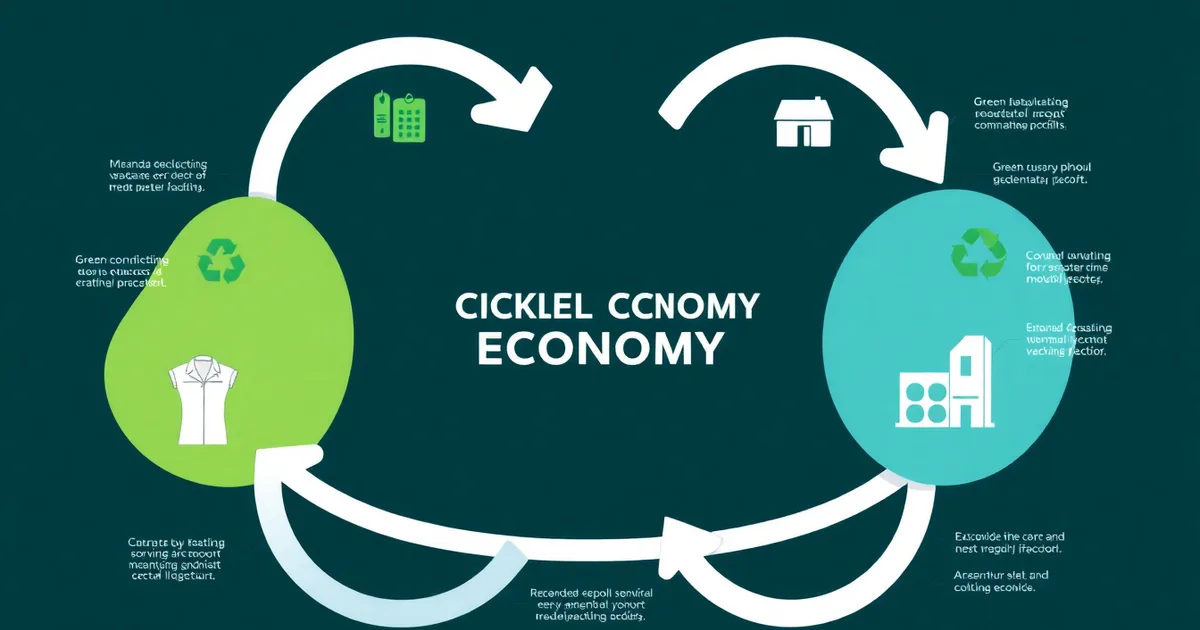
Fashion sustainability circular economy represents the most transformative approach to reshaping the fashion industry in 2026, addressing the urgent need for environmental responsibility and resource optimization. This comprehensive guide explores how fashion retailers and manufacturers can successfully implement circular economy principles, moving away from the traditional linear "take-make-waste" model toward a regenerative system where materials flow continuously through production cycles. By adopting these principles, fashion businesses can reduce waste by up to 80%, cut carbon emissions by 65%, and create new revenue streams worth billions globally.
What Is the Circular Economy in Fashion?
The circular economy in fashion is a systemic approach that eliminates waste and maximizes resource utilization through design innovation, material recovery, and regenerative practices. Unlike the linear model where garments end up in landfills, circular fashion keeps materials in use for as long as possible.
Key principles of fashion circular economy include:
- Design for longevity: Creating durable, timeless pieces that withstand multiple wear cycles
- Material circularity: Using recycled, renewable, or biodegradable materials
- Product life extension: Implementing repair, refurbishment, and upcycling services
- Sharing economy integration: Enabling rental, subscription, and resale platforms
- End-of-life recovery: Establishing take-back programs and material recycling systems
According to the Ellen MacArthur Foundation's 2026 report, fashion brands implementing comprehensive circular strategies achieve 40% higher profit margins compared to traditional linear models.
How Does Circular Economy Transform Fashion Manufacturing?
Circular economy principles fundamentally reshape manufacturing processes by prioritizing resource efficiency, waste elimination, and closed-loop production systems. Modern sustainable fashion technology enables manufacturers to achieve unprecedented levels of material optimization.
Manufacturing Process Transformation
Traditional manufacturing follows a linear path from raw materials to finished products, generating substantial waste at each stage. Circular manufacturing creates interconnected loops where waste from one process becomes input for another.
Key transformation areas include:
- Zero-waste pattern making: Using AI-powered design software to minimize fabric waste
- Closed-loop dyeing systems: Recycling water and chemicals in textile coloring processes
- Modular design approaches: Creating garments with replaceable components
- Cradle-to-cradle materials: Selecting inputs designed for infinite recyclability
Technology Integration in Circular Manufacturing
Advanced technologies enable precision in circular manufacturing. Virtual fashion design software allows designers to test circular principles digitally before physical production, reducing material waste by up to 60%.
| Technology | Circular Application | Waste Reduction | Cost Impact |
|---|---|---|---|
| AI Pattern Optimization | Zero-waste cutting | 35-50% | -15% material costs |
| 3D Design Simulation | Virtual prototyping | 70-80% | -40% development costs |
| Blockchain Tracking | Material provenance | 25-30% | +10% premium value |
| IoT Sensors | Process optimization | 20-35% | -25% energy costs |
What Are the Core Business Models for Circular Fashion Retail?
Circular fashion retail encompasses multiple business models that extend product lifecycles, maximize utilization, and create new value streams. These models transform traditional retail relationships into ongoing customer partnerships.
Rental and Subscription Services
Fashion rental platforms have grown 300% since 2024, with customers increasingly valuing access over ownership. Subscription models provide continuous revenue while maximizing garment utilization rates.
Successful rental model components:
- Inventory optimization: Using predictive analytics to manage demand
- Quality maintenance: Professional cleaning and repair services
- Customer segmentation: Tailoring offerings to usage patterns
- Logistics efficiency: Streamlined delivery and return systems
Resale and Recommerce Platforms
The resale market reached $350 billion globally in 2026, driven by consumer demand for sustainable alternatives. Personalized fashion recommendation engines enhance resale platforms by matching pre-owned items with ideal buyers.
How Can Fashion Brands Implement Supply Chain Transparency?
Supply chain transparency is fundamental to circular economy implementation, enabling brands to track materials, monitor environmental impact, and ensure ethical practices throughout production networks. Fashion supply chain transparency technologies provide real-time visibility into manufacturing processes.
Blockchain Integration for Material Tracking
Blockchain technology creates immutable records of material journeys from fiber production through multiple lifecycle phases. This transparency enables accurate impact measurement and facilitates material recovery programs.
Implementation steps for blockchain transparency:
- Partner network integration: Onboarding suppliers to blockchain platforms
- Data standardization: Establishing common tracking protocols
- Consumer accessibility: Creating user-friendly transparency interfaces
- Verification systems: Implementing third-party auditing processes
What Technologies Enable Circular Fashion Innovation?
Cutting-edge technologies are driving circular fashion innovation, from AI-powered design optimization to advanced recycling systems that break down textiles at the molecular level. These technologies make circular practices economically viable and scalable.
Artificial Intelligence Applications
AI transforms multiple aspects of circular fashion, from demand forecasting that reduces overproduction to quality assessment systems that extend product lifecycles.
Key AI applications include:
- Predictive demand modeling: Reducing overstock by 40-60%
- Quality monitoring: Automated defect detection and sorting
- Customer behavior analysis: Optimizing circular service offerings
- Material optimization: AI-driven sustainable material selection
Advanced Recycling Technologies
Next-generation recycling technologies enable true material circularity by breaking down complex textile blends and regenerating high-quality fibers. Chemical recycling processes can now handle polyester-cotton blends with 95% efficiency.
How Do You Measure Circular Economy Success in Fashion?
Measuring circular economy success requires comprehensive metrics that capture environmental impact, resource efficiency, and business performance. Traditional financial metrics alone cannot adequately assess circular transformation progress.
Key Performance Indicators
Essential metrics for circular fashion assessment:
- Material circularity rate: Percentage of materials kept in productive use
- Waste diversion percentage: Amount of waste redirected from landfills
- Product lifespan extension: Average increase in garment usage periods
- Carbon footprint reduction: Emissions decrease compared to linear models
- Revenue diversification: Income generated from circular services
- Customer lifetime value: Extended relationships through circular offerings
Impact Measurement Tools
Digital platforms now provide real-time circular economy impact tracking, integrating data from supply chains, customer usage patterns, and end-of-life processing. These tools enable continuous optimization and stakeholder reporting.
What Are the Economic Benefits of Circular Fashion Implementation?
Circular fashion implementation generates substantial economic benefits beyond environmental improvements. Companies report average cost savings of 25-35% within two years of circular transformation, driven by material efficiency and new revenue streams.
Primary economic advantages include:
- Reduced material costs: Through recycling and waste minimization
- New revenue streams: From rental, repair, and resale services
- Premium pricing opportunities: For sustainable and transparent products
- Risk mitigation: Reduced dependence on volatile raw material markets
- Operational efficiency: Optimized processes and reduced waste handling
How Can Small Fashion Brands Start Their Circular Journey?
Small fashion brands can begin circular economy implementation through focused, cost-effective strategies that build foundation capabilities before scaling comprehensive programs. Starting small allows for learning and refinement without overwhelming resource requirements.
Entry-Level Circular Strategies
Practical first steps for small brands:
- Design for durability: Focus on quality construction and timeless aesthetics
- Material selection: Choose recycled, organic, or biodegradable inputs
- Take-back programs: Offer customer incentives for garment returns
- Repair services: Provide alteration and maintenance offerings
- Partnership networks: Collaborate with circular service providers
What Role Does Consumer Behavior Play in Circular Fashion?
Consumer behavior drives circular fashion success, with purchasing decisions, usage patterns, and end-of-life choices determining system effectiveness. Education and engagement programs are essential for shifting consumer mindsets from ownership to stewardship.
Effective consumer engagement strategies include:
- Transparency communication: Sharing impact data and improvement stories
- Incentive programs: Rewarding circular behaviors with discounts or credits
- Educational content: Teaching care, repair, and styling techniques
- Community building: Creating platforms for sustainable fashion enthusiasts
Practical Implementation Steps for Fashion Circular Economy
Successfully implementing circular economy principles requires systematic planning and phased execution. These practical steps provide a roadmap for fashion businesses beginning their circular transformation:
- Conduct circular readiness assessment: Evaluate current practices, identify gaps, and set baseline metrics
- Develop circular strategy framework: Define objectives, target markets, and implementation timeline
- Engage stakeholder network: Build partnerships with suppliers, service providers, and customers
- Implement pilot programs: Test circular models with limited product lines or customer segments
- Invest in enabling technologies: Deploy tracking, optimization, and customer engagement platforms
- Establish measurement systems: Create KPIs and monitoring processes for continuous improvement
- Scale successful initiatives: Expand proven circular practices across broader operations
- Communicate impact achievements: Share results with stakeholders and market positioning
Future Trends in Fashion Circular Economy
The fashion circular economy continues evolving rapidly, with emerging technologies and business models creating new possibilities for sustainable innovation. Fashion NFT digital ownership represents one frontier where circular principles merge with digital innovation.
Key trends shaping the future include:
- Digital product passports: Comprehensive lifecycle tracking through QR codes and NFC tags
- Automated sorting systems: AI-powered facilities for efficient material recovery
- Biofabricated materials: Lab-grown alternatives replacing traditional textiles
- Circular design software: Tools optimizing products for multiple lifecycle phases
- On-demand manufacturing: Localized production reducing transportation impacts
The convergence of these trends suggests that by 2030, circular practices will become standard rather than exceptional in fashion industry operations. Companies beginning their circular journey in 2026 position themselves advantageously for this transformation.
"The circular economy in fashion is not just an environmental imperative—it's becoming the most economically viable approach to sustainable business growth in our industry." - Fashion Revolution Global Policy Director, 2026
Fashion sustainability circular economy implementation represents both a responsibility and an opportunity for fashion businesses in 2026. By following the comprehensive strategies outlined in this guide, retailers and manufacturers can build resilient, profitable operations while contributing to global sustainability goals. The transformation requires commitment, investment, and patience, but the long-term benefits—environmental, economic, and social—make circular economy adoption essential for fashion industry leadership in the coming decade. Success depends on systematic implementation, stakeholder engagement, and continuous innovation toward truly circular business models.