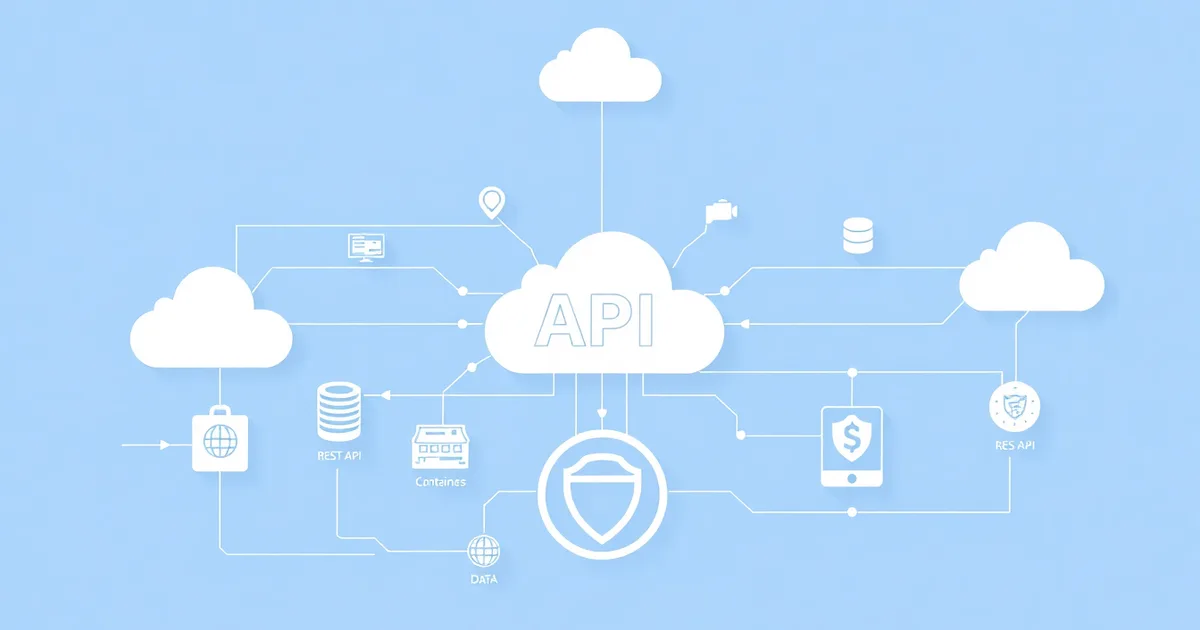
An ecommerce customer data platform serves as the foundational technology infrastructure that unifies customer data from multiple touchpoints, enabling businesses to create personalized experiences and drive data-driven decision making. This comprehensive implementation guide covers everything from platform selection and integration strategies to advanced personalization techniques and ROI optimization for 2026.
What Is an Ecommerce Customer Data Platform and Why Do You Need One?
A customer data platform (CDP) is a unified software system that collects, organizes, and activates customer data from various sources to create comprehensive customer profiles. Unlike traditional data management systems, CDPs provide real-time data processing and instant accessibility across all marketing and sales channels.
Modern ecommerce businesses generate data from numerous touchpoints including websites, mobile apps, email campaigns, social media, and offline interactions. Without a centralized system, this valuable information remains siloed, preventing businesses from understanding their customers' complete journey.
The primary benefits of implementing an ecommerce customer data platform include:
- 360-degree customer view: Complete visibility into customer behavior across all channels
- Real-time personalization: Dynamic content and product recommendations based on current behavior
- Improved customer retention: Targeted campaigns based on comprehensive customer insights
- Enhanced marketing ROI: Data-driven campaign optimization and audience segmentation
- Compliance management: Centralized data governance for GDPR, CCPA, and other privacy regulations
According to recent industry research, businesses using CDPs report an average 19% increase in customer lifetime value and 27% improvement in marketing campaign effectiveness within the first year of implementation.
How to Choose the Right Customer Data Platform for Your Ecommerce Business?
Selecting the appropriate ecommerce customer data platform requires careful evaluation of your business requirements, technical infrastructure, and growth objectives. The decision process should begin with a comprehensive assessment of your current data ecosystem and desired outcomes.
Key Evaluation Criteria
Data Integration Capabilities: Evaluate how well the platform connects with your existing ecommerce stack, including your online store, email marketing tools, social media platforms, and analytics systems. The CDP should offer pre-built connectors for your current tools and APIs for custom integrations.
Real-time Processing: Modern customers expect immediate personalization. Choose a platform that processes data in real-time, enabling instant personalization and automated campaign triggers based on current customer behavior.
Scalability and Performance: Consider your data volume growth projections and ensure the platform can handle increasing customer interactions without performance degradation. Look for cloud-native solutions that automatically scale with your business needs.
Popular CDP Solutions Comparison
| Platform | Best For | Key Strengths | Pricing Model |
|---|---|---|---|
| Segment | Mid-market businesses | Easy integration, developer-friendly | Usage-based |
| Adobe Experience Platform | Enterprise retailers | Advanced AI capabilities, comprehensive suite | Custom pricing |
| Klaviyo | Email-focused ecommerce | Built-in marketing automation | Contact-based |
| Bloomreach | Product discovery | AI-powered personalization | Revenue-based |
What Are the Essential Steps for CDP Implementation?
Successful ecommerce customer data platform implementation requires a structured approach that ensures proper data flow, accurate customer profiling, and measurable business outcomes. The implementation process typically spans 3-6 months depending on complexity and organizational readiness.
Phase 1: Data Audit and Strategy Development
Begin by conducting a comprehensive audit of your current data sources, quality, and accessibility. Document all customer touchpoints, existing data storage systems, and integration requirements. This foundation enables accurate project scoping and timeline estimation.
- Inventory data sources: Catalog all systems collecting customer data
- Assess data quality: Identify inconsistencies, duplicates, and missing information
- Define success metrics: Establish KPIs for measuring implementation success
- Create governance framework: Develop data management policies and procedures
Phase 2: Technical Integration
The technical integration phase involves connecting your ecommerce customer data platform with existing systems and establishing data pipelines. Priority should be given to high-impact integrations that immediately improve customer experience.
Start with your primary ecommerce platform, payment processing systems, and email marketing tools. These integrations typically provide the highest data volume and immediate personalization opportunities. Advanced predictive analytics capabilities can be layered on top of this foundation to enhance customer behavior prediction.
Phase 3: Data Unification and Profile Creation
Once data flows are established, focus on creating unified customer profiles that merge information from multiple sources. This process involves identity resolution, data deduplication, and profile enrichment to create comprehensive customer views.
Implement progressive profiling strategies that gradually build customer understanding over time. This approach reduces initial data collection friction while continuously improving personalization capabilities.
How to Optimize Customer Data for Maximum Personalization Impact?
Effective personalization requires strategic data utilization that goes beyond basic demographic information. The most impactful personalization strategies combine behavioral data, purchase history, and real-time interactions to deliver relevant experiences at every customer touchpoint.
Behavioral Data Analysis
Website interaction patterns provide valuable insights into customer preferences and purchase intent. Track page views, time spent on product categories, search queries, and cart abandonment patterns to understand customer interests and potential friction points.
Email engagement metrics reveal content preferences and optimal communication timing. Analyze open rates, click-through patterns, and conversion data to refine email personalization strategies and improve campaign effectiveness.
Purchase behavior analysis enables sophisticated segmentation and product recommendation strategies. Consider purchase frequency, average order value, seasonal patterns, and product category preferences when developing personalization algorithms.
Real-time Personalization Strategies
Implement dynamic content optimization that adapts website elements based on current customer behavior and historical data. This includes personalized product recommendations, customized homepage layouts, and targeted promotional messages.
Develop trigger-based automation workflows that respond to specific customer actions. Examples include cart abandonment sequences, post-purchase upsell campaigns, and re-engagement programs for inactive customers. Zero-party data collection strategies can enhance these personalization efforts by incorporating direct customer preferences and intentions.
What Privacy and Compliance Considerations Should You Address?
Data privacy regulations significantly impact how ecommerce businesses collect, store, and utilize customer information. Your CDP implementation must incorporate privacy-by-design principles and comprehensive compliance management to avoid regulatory violations and maintain customer trust.
GDPR and CCPA compliance requires explicit consent management, data portability capabilities, and deletion workflows. Your ecommerce customer data platform should provide built-in consent tracking, automated data subject request processing, and audit trails for all data activities.
Cookie deprecation and increasing privacy restrictions are reshaping data collection strategies. Focus on first-party data collection through customer accounts, surveys, preference centers, and direct interactions rather than relying solely on third-party tracking.
Privacy-First Data Collection Strategies
- Value exchange programs: Offer incentives for voluntary data sharing
- Progressive profiling: Gradually collect information over multiple interactions
- Preference centers: Allow customers to control their data sharing and communication preferences
- Transparent data usage: Clearly communicate how customer data improves their experience
How to Measure CDP ROI and Performance?
Measuring the return on investment for your ecommerce customer data platform requires tracking both direct revenue impact and operational efficiency improvements. Establish baseline metrics before implementation to accurately assess performance gains.
Key Performance Indicators
Revenue metrics provide the clearest indication of CDP value. Track increases in average order value, customer lifetime value, and conversion rates across different customer segments and marketing channels.
Personalization effectiveness can be measured through click-through rates on personalized recommendations, engagement rates with targeted content, and conversion rates for personalized campaigns compared to generic alternatives.
Operational efficiency gains include reduced manual data processing time, faster campaign deployment, and improved marketing team productivity. These benefits often provide significant cost savings that contribute to overall ROI.
| Metric Category | Key Indicators | Measurement Timeline |
|---|---|---|
| Revenue Impact | AOV increase, CLV growth, conversion rate lift | Quarterly assessment |
| Personalization | Recommendation CTR, email engagement, content relevance | Monthly tracking |
| Operational | Campaign setup time, data processing efficiency, team productivity | Ongoing monitoring |
| Customer Experience | NPS scores, retention rates, support ticket reduction | Quarterly survey |
What Advanced Features Should You Implement After Basic Setup?
Once your foundational ecommerce customer data platform is operational, advanced features can significantly enhance personalization capabilities and business outcomes. These enhancements should be prioritized based on your specific business goals and customer needs.
Machine Learning Integration
Predictive analytics models can forecast customer behavior, identify churn risks, and optimize inventory management. Implement algorithms that predict purchase likelihood, optimal pricing strategies, and customer lifetime value to inform strategic decision-making.
AI-powered segmentation automatically identifies customer groups based on complex behavioral patterns and preferences. These dynamic segments enable more precise targeting and personalization compared to traditional demographic-based approaches.
Consider integrating dynamic pricing algorithms that utilize customer data to optimize pricing strategies and maximize revenue while maintaining competitiveness.
Omnichannel Orchestration
Implement cross-channel campaign coordination that ensures consistent messaging and experiences across all customer touchpoints. This includes synchronized email, SMS, push notification, and advertising campaigns based on unified customer profiles.
Develop attribution models that accurately track customer journeys across multiple channels and devices. This comprehensive view enables better budget allocation and marketing optimization decisions.
Common Implementation Challenges and Solutions
Ecommerce customer data platform implementations often encounter predictable challenges that can be mitigated through proper planning and preparation. Understanding these common issues enables proactive problem-solving and smoother project execution.
Data Quality and Integration Issues
Data inconsistency across different systems can create inaccurate customer profiles and poor personalization outcomes. Implement data validation rules, standardization processes, and regular quality audits to maintain profile accuracy.
API limitations and integration complexities may require custom development or middleware solutions. Work closely with technical teams to identify integration challenges early and develop appropriate solutions.
Change Management and Adoption
Successful CDP implementation requires organizational change management to ensure team adoption and effective utilization. Provide comprehensive training, clear documentation, and ongoing support to maximize platform value.
Develop role-specific training programs that demonstrate how different team members can leverage CDP capabilities for their specific responsibilities. Marketing teams need different skills than customer service or sales teams.
Practical Implementation Tips for Success
Following these proven strategies will significantly improve your ecommerce customer data platform implementation success and accelerate time-to-value:
- Start with high-impact use cases: Focus initial efforts on personalization opportunities that directly impact revenue
- Implement gradually: Phase rollout to manage complexity and allow team adaptation
- Prioritize data quality: Clean, accurate data is essential for effective personalization
- Establish governance early: Create clear policies for data management and access
- Monitor performance continuously: Regular assessment enables ongoing optimization
- Invest in team training: Proper education ensures maximum platform utilization
- Plan for scalability: Choose solutions that grow with your business needs
- Maintain customer privacy focus: Transparent data practices build trust and compliance
Future-Proofing Your Customer Data Platform Strategy
The ecommerce landscape continues evolving rapidly, requiring adaptable CDP strategies that accommodate emerging technologies and changing customer expectations. Future-ready implementations consider upcoming trends and technological developments.
Artificial intelligence advancement will continue enhancing personalization capabilities through more sophisticated prediction models and automated decision-making systems. Ensure your CDP can integrate with emerging AI technologies and machine learning platforms.
Privacy regulation evolution requires flexible consent management and data governance capabilities. Choose platforms that can adapt to changing compliance requirements without major system overhauls.
Consider how social commerce optimization and live commerce streaming capabilities might integrate with your customer data platform to create seamless omnichannel experiences.
The investment in a comprehensive ecommerce customer data platform pays dividends through improved customer experiences, increased revenue, and operational efficiency gains. Success requires careful planning, phased implementation, and ongoing optimization based on performance data and evolving business needs. By following this complete implementation guide, businesses can build unified customer experiences that drive sustainable growth and competitive advantage in 2026 and beyond.