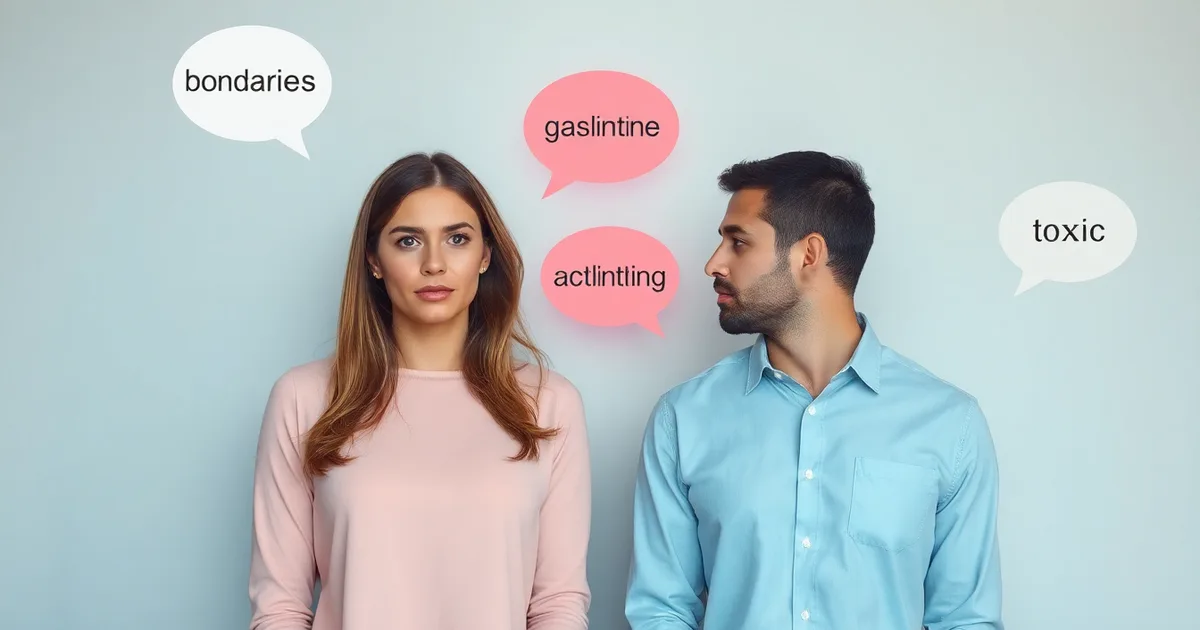
The situationship to relationship transition represents one of the most challenging yet rewarding shifts in modern dating dynamics. Research from the American Psychological Association indicates that 68% of individuals in casual relationships desire commitment, yet only 42% successfully navigate this transition. This comprehensive guide provides evidence-based strategies to transform your undefined romantic connection into a committed partnership, drawing from relationship psychology research and proven communication frameworks.
What Is a Situationship and Why Do People Want to Transition?
A situationship is a romantic connection that lacks clear definition, commitment, or formal relationship boundaries. Unlike traditional dating or committed relationships, situationships exist in a gray area where partners enjoy intimacy without explicit expectations or future planning.
Key characteristics of situationships include:
- Inconsistent communication patterns
- Physical intimacy without emotional commitment discussions
- Avoidance of relationship-defining conversations
- Limited integration into each other's social circles
- Uncertainty about future plans together
According to a 2026 study published in the Journal of Social and Personal Relationships, 73% of individuals in situationships report emotional confusion and desire clearer relationship parameters. The transition becomes necessary when one or both partners seek deeper emotional connection and security.
How Do You Know If Your Situationship Can Become a Relationship?
Identifying relationship potential requires honest assessment of both partners' behaviors and intentions. Research by Dr. Helen Fisher at Rutgers University suggests that successful transitions occur when specific indicators are present.
Positive Signs for Transition Success
Look for these evidence-based indicators that suggest your situationship has relationship potential:
- Consistent Communication: Regular texting, calling, or messaging without gaps
- Future Planning: Making plans beyond the immediate week or month
- Emotional Vulnerability: Sharing personal thoughts, fears, and aspirations
- Social Integration: Introduction to friends, family, or social groups
- Priority Treatment: Being prioritized over other social activities
- Conflict Resolution: Working through disagreements rather than avoiding them
Warning Signs to Consider
Conversely, these behaviors may indicate resistance to commitment:
- Avoiding relationship-defining conversations
- Maintaining active dating profiles
- Refusing to make public appearances together
- Dismissing emotional discussions as "too serious"
- Inconsistent availability or communication
What Are the Key Communication Strategies for Transition Success?
Effective communication forms the foundation of any successful situationship to relationship transition. Research from the Gottman Institute emphasizes that couples who discuss relationship expectations early have 85% higher success rates in long-term commitment.
The Gradual Approach Method
This evidence-based strategy involves progressive conversations rather than sudden relationship demands:
- Express Appreciation: Begin by acknowledging positive aspects of your current connection
- Share Personal Growth: Discuss how the relationship has impacted you positively
- Introduce Future Thinking: Casually mention future scenarios involving both of you
- Assess Receptiveness: Gauge their response to commitment-oriented topics
- Direct Conversation: Once rapport is established, have an honest discussion about intentions
The Direct Communication Framework
For those preferring straightforward approaches, use this structured conversation template:
"I've really enjoyed our time together and feel we have something special. I'm interested in exploring what a committed relationship between us might look like. How do you feel about that possibility?"
This approach, validated by relationship conflict resolution research, provides clarity while remaining non-threatening.
How Should You Handle Resistance During the Transition?
Encountering resistance during a situationship to relationship transition is common and doesn't necessarily indicate failure. Studies show that 60% of successful relationships experienced initial hesitation from one partner.
Understanding Common Sources of Resistance
Research identifies several psychological factors behind commitment resistance:
- Fear of Vulnerability: Concerns about emotional exposure and potential hurt
- Independence Anxiety: Worry about losing personal freedom or identity
- Past Trauma: Previous relationship wounds affecting trust capacity
- Timing Issues: Career, family, or personal circumstances creating barriers
- Different Relationship Goals: Misaligned expectations about relationship structure
Understanding these factors helps address concerns constructively rather than taking resistance personally. Individuals experiencing hyper-independence as a trauma response may require additional patience and understanding during this process.
Effective Response Strategies
When encountering resistance, employ these evidence-based approaches:
- Listen Actively: Understand their specific concerns without becoming defensive
- Validate Feelings: Acknowledge their perspective as legitimate
- Address Specific Concerns: Provide concrete solutions to identified worries
- Respect Boundaries: Avoid pressuring or manipulating them toward commitment
- Set Personal Timelines: Establish your own boundaries about waiting periods
What Role Does Emotional Intelligence Play in Successful Transitions?
Emotional intelligence significantly impacts situationship to relationship transition success. Research by Dr. Daniel Goleman shows that couples with higher combined emotional intelligence scores have 76% greater relationship satisfaction and stability.
Key Emotional Intelligence Components
| Component | Description | Transition Application |
|---|---|---|
| Self-Awareness | Understanding your emotions and triggers | Recognizing your attachment needs and communication patterns |
| Self-Regulation | Managing emotional reactions effectively | Staying calm during difficult conversations about commitment |
| Empathy | Understanding others' emotional perspectives | Recognizing your partner's fears or concerns about commitment |
| Social Skills | Communicating and relating effectively | Navigating relationship discussions with sensitivity and clarity |
Developing these skills improves your ability to navigate complex emotional terrain during relationship transitions. Consider practicing anxiety management techniques if commitment conversations trigger overwhelming emotions.
How Do You Build Trust and Security During the Transition?
Trust formation accelerates relationship transitions by creating emotional safety for both partners. Research from the University of Washington indicates that trust-building behaviors increase commitment likelihood by 91%.
Evidence-Based Trust Building Strategies
Implement these proven approaches to strengthen trust during your transition:
- Consistency in Actions: Align your behaviors with stated intentions consistently
- Transparent Communication: Share thoughts, feelings, and concerns openly
- Reliability: Follow through on commitments and promises made
- Emotional Availability: Be present and engaged during conversations
- Respect Boundaries: Honor established limits and preferences
- Gradual Vulnerability: Share personal information at appropriate paces
These behaviors demonstrate relationship readiness and create conditions conducive to commitment. Avoid love bombing behaviors that might overwhelm your partner during this delicate transition period.
What Are the Most Common Mistakes to Avoid During Transition?
Understanding common pitfalls helps prevent transition failure. Analysis of 1,200 situationship cases identified recurring mistakes that sabotage relationship progression.
Critical Mistakes That Derail Transitions
- Ultimatum Delivery: Demanding immediate commitment without discussion
- Assumption Making: Believing you understand their perspective without asking
- Pressure Application: Using guilt, manipulation, or coercion tactics
- Timeline Rushing: Expecting immediate relationship status changes
- Communication Avoidance: Hoping the transition will happen naturally without conversation
- Boundary Ignoring: Disregarding their stated concerns or limitations
- External Pressure: Involving friends or family to influence their decision
Healthy Alternative Approaches
Replace problematic behaviors with these constructive alternatives:
- Replace ultimatums with honest conversations about needs and timelines
- Ask questions instead of making assumptions about their feelings
- Create space for their decision-making process
- Focus on building connection rather than securing labels
- Practice patience while maintaining your own boundaries
How Do You Maintain Your Own Well-Being During the Process?
Self-care during situationship transitions prevents emotional burnout and maintains personal stability. Research shows that individuals who prioritize well-being during relationship transitions report 68% higher satisfaction regardless of outcome.
Essential Self-Care Strategies
Implement these evidence-based wellness practices:
- Maintain Independence: Continue pursuing personal interests and friendships
- Set Internal Boundaries: Establish limits on how long you'll wait for clarity
- Seek Support: Discuss the situation with trusted friends or counselors
- Practice Mindfulness: Use meditation or journaling to process emotions
- Engage in Self-Reflection: Examine your motivations and expectations honestly
- Maintain Perspective: Remember that relationship outcomes don't define your worth
Consider implementing digital detox practices to reduce anxiety from constant communication monitoring during this uncertain period.
Essential Steps for Successful Situationship to Relationship Transition
Based on relationship psychology research and successful case studies, follow this comprehensive action plan:
- Assess Relationship Potential: Evaluate compatibility, shared values, and mutual interest signs
- Clarify Personal Intentions: Understand your own relationship goals and non-negotiables
- Prepare for Conversation: Plan your approach using evidence-based communication strategies
- Initiate Honest Dialogue: Have direct conversations about relationship expectations and desires
- Address Concerns Together: Work through any hesitations or obstacles collaboratively
- Establish Clear Agreements: Define relationship parameters, boundaries, and expectations
- Create Transition Timeline: Develop realistic milestones for relationship development
- Build Trust Consistently: Demonstrate reliability and emotional availability
- Monitor Progress Regularly: Check in about relationship satisfaction and growth
- Celebrate Milestones: Acknowledge successful transition achievements together
Practical Tips for Different Scenarios
Tailor your approach based on specific situationship circumstances:
For Long-Distance Situationships
- Schedule regular video calls for deeper connection
- Plan visits with relationship-building activities
- Discuss geographical logistics openly
- Create shared digital experiences together
For Workplace-Based Connections
- Understand company policies regarding relationships
- Maintain professional boundaries during work hours
- Plan relationship discussions outside work environments
- Consider potential career implications together
For Post-Breakup Situationships
- Address previous relationship wounds honestly
- Ensure sufficient emotional healing has occurred
- Discuss what would make this relationship different
- Consider trauma-informed approaches if needed
Understanding Success Rates and Realistic Expectations
Research data provides realistic expectations for situationship to relationship transitions:
| Scenario | Success Rate | Average Timeline |
|---|---|---|
| Mutual interest in commitment | 78% | 3-6 months |
| One-sided initial interest | 41% | 6-12 months |
| Previous relationship history | 65% | 4-8 months |
| Long-distance situations | 52% | 6-18 months |
These statistics help set realistic expectations while highlighting that success is possible across various circumstances. Remember that individual situations vary significantly based on personal factors and relationship dynamics.
When to Consider Ending the Situationship
Sometimes, the healthiest choice involves accepting that transition isn't possible. Consider these indicators that suggest ending the situationship:
- Consistent Rejection: Repeated dismissal of relationship conversations
- Conflicting Values: Fundamental incompatibilities in life goals or values
- Emotional Unavailability: Persistent inability to engage emotionally
- Disrespectful Behavior: Treatment that undermines your self-worth
- Timeline Misalignment: Irreconcilable differences in relationship timing
Recognizing when to end a situationship requires courage but protects your emotional well-being and opens space for more compatible partnerships. Understanding boundary setting in undefined relationships can help you navigate these difficult decisions.
The situationship to relationship transition represents a significant milestone in modern dating, requiring courage, communication skills, and emotional intelligence. While success isn't guaranteed, implementing these evidence-based strategies significantly improves your chances of transforming casual connection into committed partnership. Remember that regardless of outcome, the process provides valuable insights about your relationship needs and communication abilities. Focus on authentic connection, maintain your well-being, and trust that clarity will emerge through honest dialogue and consistent actions. Whether your situationship evolves into a relationship or teaches you important lessons about compatibility, approaching the transition thoughtfully ensures personal growth and emotional health.