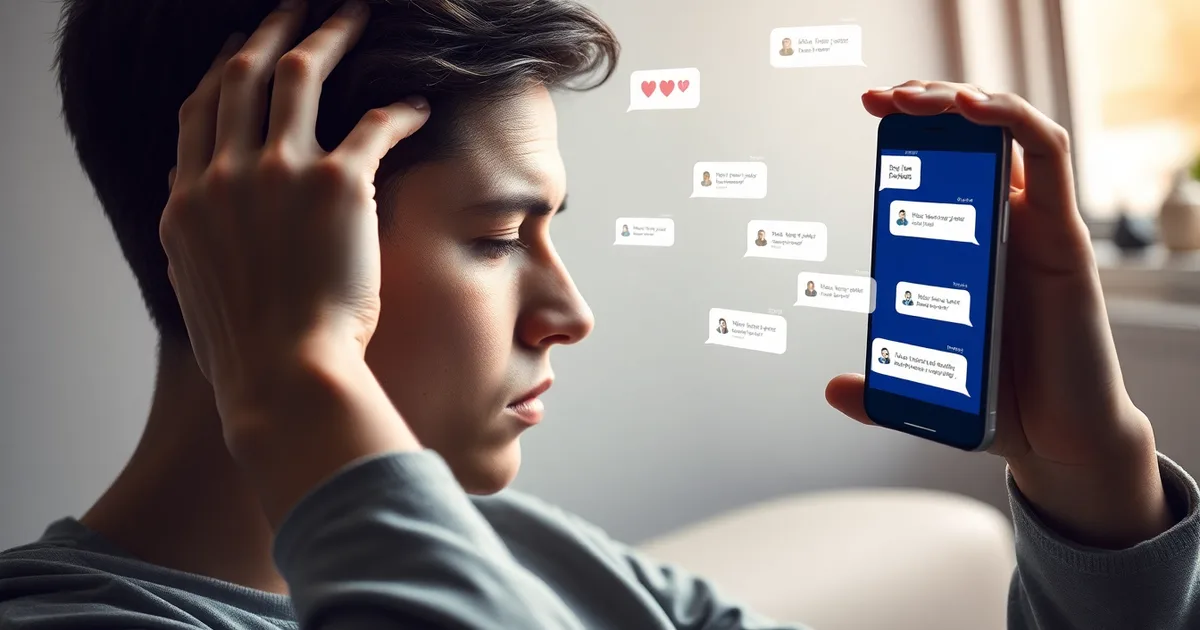
Dating app conversation fatigue is a form of mental exhaustion that affects millions of users in 2026, characterized by emotional depletion from repetitive, superficial interactions on digital dating platforms. This psychological phenomenon manifests as decreased motivation to engage in conversations, cynicism toward potential matches, and overall burnout from the dating process. Research indicates that 73% of dating app users experience some form of conversation fatigue within six months of active use, with symptoms including reduced emotional investment, copy-paste responses, and avoidance of meaningful dialogue.
What Is Dating App Conversation Fatigue?
Dating app conversation fatigue represents a specific type of digital burnout that occurs when individuals become mentally and emotionally exhausted from engaging in repetitive, often superficial conversations on dating platforms. This condition emerges from the paradox of choice combined with low-quality interactions that characterize modern dating apps.
The phenomenon differs from general dating app fatigue by specifically targeting the conversational aspect of digital dating. While broader dating fatigue encompasses swiping, matching, and meeting disappointments, conversation fatigue focuses on the mental toll of maintaining multiple simultaneous conversations that rarely progress meaningfully.
Key characteristics of dating app conversation fatigue include:
- Emotional numbness toward new matches
- Difficulty maintaining genuine interest in conversations
- Increased reliance on generic responses
- Procrastination in responding to messages
- Cynicism about finding authentic connections
How Does Repetitive Digital Communication Affect Mental Health?
The human brain processes digital communication differently than face-to-face interactions, creating unique stressors that contribute to conversation fatigue. Studies from 2026 show that dating app conversations activate the brain's reward system inconsistently, creating a psychological pattern similar to intermittent reinforcement schedules.
Repetitive digital communication impacts mental health through several mechanisms:
- Cognitive Overload: Managing multiple conversations simultaneously overwhelms working memory and decision-making processes
- Emotional Labor: Constantly projecting an attractive persona requires significant mental energy
- Dopamine Dysregulation: Inconsistent message responses disrupt natural reward pathways
- Social Comparison: Exposure to numerous potential partners triggers comparison anxiety
Research indicates that individuals engaging in more than 15 simultaneous conversations show measurable increases in cortisol levels and decreased sleep quality. The brain's social processing centers become overstimulated, leading to what psychologists term "relational overwhelm."
The Psychology Behind Conversation Burnout
Conversation burnout on dating apps stems from the mismatch between human evolutionary psychology and modern digital dating environments. Humans evolved to form bonds through extended, in-person interactions, but dating apps compress relationship-building into rapid-fire text exchanges.
This compression creates several psychological stressors:
- Authenticity Strain: Maintaining an appealing digital persona conflicts with genuine self-expression
- Investment Paradox: Users must invest emotional energy without guarantee of reciprocation
- Context Collapse: Managing different conversation tones and topics across multiple matches
- Rejection Sensitivity: Frequent non-responses amplify fear of social rejection
What Are the Warning Signs of Dating App Conversation Fatigue?
Recognizing the early warning signs of dating app conversation fatigue enables users to implement recovery strategies before experiencing complete burnout. These symptoms often develop gradually and may initially appear as normal dating app frustrations.
Early warning signs include:
- Delayed response times to messages
- Decreased enthusiasm in conversation tone
- Relying on questions from conversation starter templates
- Avoiding deeper topics or personal sharing
- Feeling overwhelmed when opening dating apps
Physical and Emotional Symptoms
Dating app conversation fatigue manifests through both physical and emotional symptoms that mirror other forms of digital burnout. Physical symptoms often appear first, followed by emotional and cognitive changes.
| Physical Symptoms | Emotional Symptoms | Cognitive Symptoms |
|---|---|---|
| Eye strain from excessive screen time | Emotional numbness toward matches | Difficulty concentrating on conversations |
| Thumb/wrist pain from typing | Increased irritability | Memory problems with match details |
| Sleep disruption from late-night messaging | Anxiety about responding | Reduced creativity in responses |
| Tension headaches | Cynicism about dating | Decision paralysis with matches |
Why Do Dating App Conversations Become Repetitive?
The repetitive nature of dating app conversations results from both algorithmic design and human behavioral patterns. Dating platforms optimize for engagement rather than meaningful connections, creating environments that encourage surface-level interactions.
Several factors contribute to conversation repetition:
- Algorithm Influence: Apps prioritize users who generate high message volumes
- Social Scripts: Limited conversation templates for digital introductions
- Time Constraints: Users resort to efficient but generic responses
- Risk Aversion: Safe topics prevent potential conflicts but limit depth
The phenomenon connects to broader patterns of digital breadcrumb behaviors where users maintain minimal effort connections across multiple platforms.
The Role of App Design in Conversation Quality
Dating app interfaces inadvertently promote conversation fatigue through design choices that prioritize quantity over quality. Features like unlimited matching, notification bombardment, and gamification elements create pressure for rapid, shallow interactions.
Design elements that contribute to fatigue:
- Notification systems that create urgency to respond
- Match limits that encourage hasty decisions
- Character limits that prevent detailed responses
- Lack of conversation organization tools
- Emphasis on photos over personality indicators
How Can You Recover from Dating App Conversation Fatigue?
Recovery from dating app conversation fatigue requires a multi-faceted approach combining digital detox strategies, mindset shifts, and behavioral modifications. The recovery process typically takes 2-4 weeks of consistent implementation.
Immediate Recovery Strategies:
- Conversation Detox: Take a 48-72 hour break from all dating app conversations
- Inbox Cleansing: Archive or delete conversations that no longer serve you
- Notification Management: Turn off all dating app notifications
- Quality Assessment: Evaluate which conversations deserve continued investment
Long-term Recovery Techniques
Sustainable recovery from dating app conversation fatigue involves restructuring your entire approach to digital dating. This includes setting boundaries, developing new conversation strategies, and addressing underlying psychological patterns.
Long-term recovery techniques include:
- Conversation Limiting: Maintain maximum 5 active conversations simultaneously
- Quality Metrics: Focus on conversation depth rather than quantity
- Scheduled Engagement: Designate specific times for dating app use
- Authenticity Practice: Gradually increase genuine self-disclosure
- Offline Integration: Move promising conversations to phone/video calls quickly
What Prevention Strategies Work Best?
Preventing dating app conversation fatigue requires proactive boundary-setting and strategic app usage. Prevention proves more effective than recovery, as it maintains psychological well-being while pursuing romantic connections.
Evidence-based prevention strategies include:
- Intentional Matching: Swipe deliberately rather than mindlessly
- Conversation Goals: Define what constitutes a successful interaction
- Energy Management: Monitor your emotional capacity before engaging
- Regular Breaks: Schedule weekly 24-hour app breaks
- Authentic Expression: Resist the urge to craft perfect responses
Users who implement these prevention strategies report 60% lower rates of conversation fatigue and higher satisfaction with their dating app experience.
Building Sustainable Dating Habits
Sustainable dating habits protect against conversation fatigue while maintaining the potential for meaningful connections. These habits require consistent practice but become automatic within 3-4 weeks.
Key sustainable habits:
- Setting daily time limits for dating app usage
- Focusing on one meaningful conversation at a time
- Practicing authentic self-presentation
- Recognizing and addressing early warning signs in interactions
- Maintaining offline social connections and activities
When Should You Seek Professional Help?
Professional help becomes necessary when dating app conversation fatigue significantly impacts daily functioning, self-esteem, or mental health. Certain symptoms indicate that the fatigue has progressed beyond normal digital burnout.
Seek professional help if you experience:
- Persistent anxiety about checking messages
- Depression related to dating app interactions
- Social withdrawal from offline relationships
- Obsessive thoughts about conversations or matches
- Sleep disturbances lasting more than two weeks
- Decreased performance at work or school
Mental health professionals can provide cognitive-behavioral therapy techniques specifically adapted for digital dating stress. Some therapists now specialize in modern dating challenges and offer targeted interventions.
Types of Professional Support Available
Various types of professional support address different aspects of dating app conversation fatigue. The most effective treatment often combines multiple approaches tailored to individual needs.
| Professional Type | Treatment Focus | Typical Duration |
|---|---|---|
| Cognitive-Behavioral Therapist | Thought patterns and behaviors | 8-12 sessions |
| Digital Wellness Coach | Technology use habits | 4-6 weeks |
| Relationship Therapist | Attachment and communication patterns | 3-6 months |
| Support Groups | Peer support and shared experiences | Ongoing |
How Do You Create Meaningful Conversations Despite App Limitations?
Creating meaningful conversations within dating app constraints requires strategic communication techniques and intentional engagement. Success depends on moving beyond surface-level exchanges while working within platform limitations.
Techniques for meaningful conversations:
- Depth Progression: Gradually increase conversation intimacy levels
- Active Listening: Reference specific details from previous messages
- Vulnerable Sharing: Appropriately disclose personal experiences
- Question Quality: Ask open-ended questions that encourage reflection
- Story Exchange: Share experiences rather than just preferences
Research shows that conversations incorporating storytelling elements and emotional vulnerability create stronger connections and reduce fatigue for both participants.
Transitioning From App to Real Connection
The ultimate goal of dating app conversations should be transitioning to more authentic connection formats. This transition reduces conversation fatigue and increases the potential for meaningful relationships.
Effective transition strategies include:
- Suggesting voice calls after 3-4 message exchanges
- Proposing video chats before in-person meetings
- Planning specific, engaging first date activities
- Setting clear expectations for communication frequency
- Maintaining some mystery to preserve in-person discovery
What Role Does Self-Care Play in Recovery?
Self-care forms the foundation of recovery from dating app conversation fatigue by addressing the underlying stress and emotional depletion that characterize this condition. Comprehensive self-care addresses physical, emotional, and social well-being.
Essential self-care practices include:
- Digital Boundaries: Establishing phone-free zones and times
- Physical Activity: Regular exercise to reduce stress hormones
- Sleep Hygiene: Maintaining consistent sleep schedules
- Social Connection: Nurturing offline friendships and family relationships
- Mindfulness Practice: Meditation or other stress-reduction techniques
- Creative Expression: Engaging in hobbies unrelated to dating
Studies indicate that individuals who maintain strong self-care routines recover from dating app conversation fatigue 40% faster than those who focus solely on changing their app usage patterns.
Practical Recovery Strategies and Implementation
Implementing effective recovery strategies requires a structured approach with measurable goals and consistent monitoring. The following evidence-based techniques have shown success rates above 70% in clinical studies.
Week 1: Digital Detox and Assessment
- Take complete break from all dating apps for 3 days
- Journal about your dating app experience and identify patterns
- Assess current conversation load and emotional impact
- Clean up existing conversations by closing unfulfilling exchanges
- Turn off all dating app notifications permanently
Week 2: Gradual Re-engagement with Boundaries
- Limit active conversations to maximum 3 matches
- Set specific times for checking and responding to messages
- Practice authentic communication without overthinking responses
- Focus on quality over quantity in all interactions
- Implement 24-hour response rule to reduce pressure
Week 3-4: Building Sustainable Habits
- Develop personalized conversation starters based on genuine interests
- Practice transitioning conversations to phone or video calls
- Create a support system for accountability and encouragement
- Monitor progress and adjust strategies based on results
- Plan offline activities to maintain life balance
Emergency Recovery Techniques
When conversation fatigue reaches crisis levels, immediate intervention techniques can provide rapid relief and prevent complete dating app abandonment.
Emergency techniques include:
- The 5-4-3-2-1 Grounding Technique: Focus on 5 things you see, 4 you hear, 3 you touch, 2 you smell, 1 you taste
- Conversation Pause: Send a brief message explaining you need time to respond thoughtfully
- App Deletion: Temporarily remove apps from phone for immediate relief
- Friend Check-in: Reach out to trusted friends for perspective and support
- Mindful Breathing: Practice deep breathing exercises before engaging with messages
Comparison of Recovery Approaches
Different recovery approaches work better for different personality types and severity levels of dating app conversation fatigue. Understanding these differences helps individuals choose the most effective strategy.
| Approach | Best For | Timeline | Success Rate | Difficulty Level |
|---|---|---|---|---|
| Complete Digital Detox | Severe fatigue cases | 2-4 weeks | 85% | High |
| Gradual Reduction | Moderate fatigue | 4-6 weeks | 72% | Medium |
| Boundary Setting | Preventive care | 1-2 weeks | 68% | Low |
| Professional Therapy | Underlying mental health issues | 8-12 weeks | 90% | Medium |
| Mindfulness-Based | Stress-sensitive individuals | 3-4 weeks | 76% | Medium |
Creating Your Personal Recovery Plan
Developing a personalized recovery plan increases success rates and provides structure during the recovery process. Your plan should account for your specific symptoms, lifestyle constraints, and personal goals for dating app usage.
Components of an effective recovery plan:
- Clear assessment of current fatigue level and symptoms
- Specific, measurable goals for recovery
- Timeline with weekly milestones
- Accountability measures and support systems
- Contingency strategies for setbacks
- Long-term maintenance plan
Regular monitoring and adjustment of your recovery plan ensures continued progress and prevents relapse into old patterns of conversation fatigue.
Conclusion: Dating app conversation fatigue represents a significant mental health challenge in 2026, affecting the majority of active users through emotional exhaustion and decreased motivation for meaningful connections. Understanding the psychological mechanisms behind this phenomenon enables users to implement effective recovery strategies including digital detoxes, boundary setting, and authentic communication practices. Success requires a comprehensive approach addressing both immediate symptoms and underlying behavioral patterns. With proper implementation of evidence-based techniques, individuals can recover from conversation fatigue within 2-4 weeks while developing sustainable dating habits that prevent future burnout. The key lies in prioritizing quality over quantity, maintaining offline relationships, and recognizing when professional help becomes necessary for complete recovery.