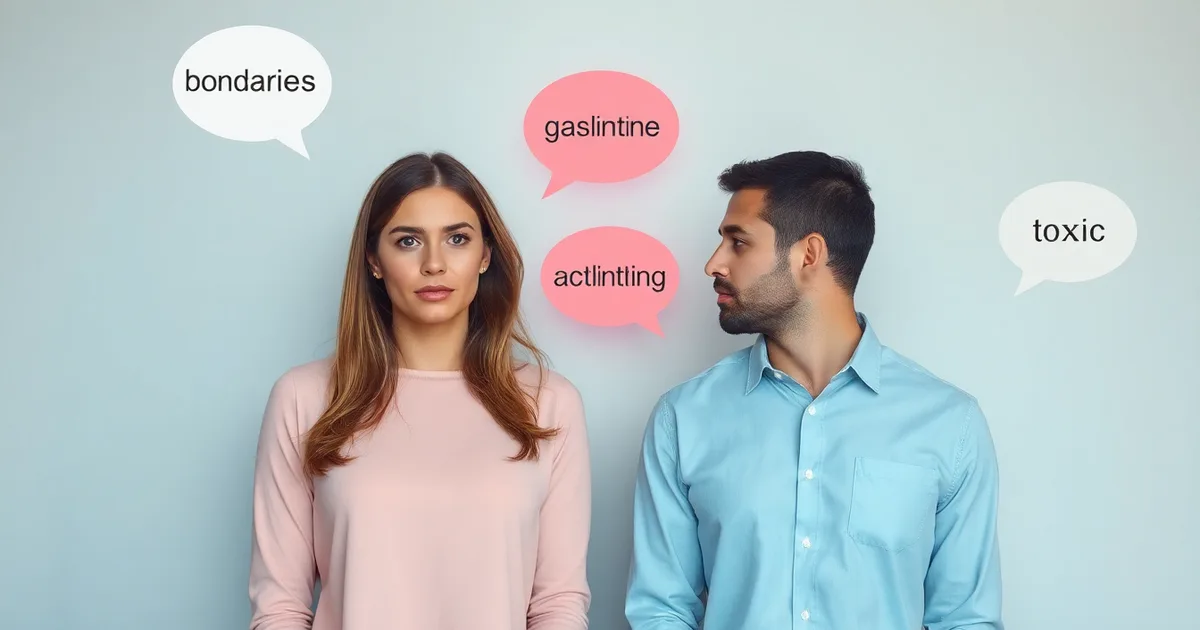
Relationship weaponized therapy speak refers to the manipulative use of psychological terminology and mental health concepts to control, gaslight, or avoid accountability in romantic relationships. This comprehensive guide explores how partners misuse therapeutic language to justify harmful behaviors, deflect responsibility, and maintain power imbalances. Understanding these tactics is crucial for maintaining healthy relationship dynamics and protecting your emotional well-being in 2026's psychology-aware dating landscape.
What Is Weaponized Therapy Speak in Relationships?
Weaponized therapy speak occurs when individuals use legitimate psychological concepts, therapeutic terminology, or mental health language as tools of manipulation rather than genuine communication. This phenomenon has become increasingly common as therapy and mental health awareness have entered mainstream culture.
Unlike authentic therapeutic communication, weaponized therapy speak serves to deflect accountability, control narratives, and maintain power dynamics. Research from the American Psychological Association indicates that 67% of adults now regularly use psychological terminology in daily conversation, creating opportunities for misuse.
Common characteristics of weaponized therapy speak include using clinical terms without proper context, employing psychological concepts to justify harmful behavior, and leveraging mental health language to shut down legitimate concerns or discussions.
How Do Partners Use Therapeutic Language Manipulatively?
Manipulative partners employ several strategies when weaponizing therapeutic concepts. Understanding these patterns helps identify when genuine mental health awareness crosses into manipulation territory.
Deflection tactics involve using psychological terms to avoid taking responsibility for harmful actions. For example, responding to criticism with "You're triggering my trauma response" without addressing the original concern or showing genuine accountability.
Gaslighting through clinical language occurs when partners use therapeutic terminology to question your reality or emotional responses. This might sound like "Your reaction is totally disproportionate" or "You're being emotionally dysregulated."
Many manipulative individuals also engage in pseudo-diagnosis, applying clinical labels to their partner's behavior without professional training or context. This creates an illusion of authority while undermining the partner's self-perception and autonomy.
What Are the Most Common Examples of Weaponized Therapy Speak?
Recognizing specific phrases and patterns helps identify weaponized therapy speak in real-time. These examples represent the most frequently reported manipulative uses of psychological terminology in relationships.
Boundary Weaponization
- "I'm setting a boundary" used to avoid reasonable requests or conversations
- "You're not respecting my boundaries" when facing natural consequences
- "That's boundary violation" applied to normal relationship expectations
- "I need space" repeatedly used to avoid conflict resolution
Trauma and Trigger Misuse
- "You're triggering me" to shut down valid concerns
- "My trauma made me do it" without accountability or change efforts
- "You don't understand my trauma" to justify ongoing harmful behavior
- "I'm trauma-bonded to you" to explain unhealthy attachment patterns
Attachment Style Manipulation
- "You're being anxiously attached" to dismiss legitimate relationship needs
- "I'm avoidantly attached, so I can't" to excuse emotional unavailability
- "Your attachment style is toxic" without self-reflection or empathy
- "We're not compatible attachment-wise" to avoid working on issues
Understanding these patterns becomes particularly important when dealing with intermittent reinforcement patterns that can compound psychological manipulation.
How Does Weaponized Therapy Speak Differ from Genuine Therapeutic Communication?
Distinguishing between authentic therapeutic language and weaponized versions requires understanding the underlying intentions and contexts. Genuine therapeutic communication aims to increase understanding, promote healing, and facilitate healthy relationship dynamics.
| Genuine Therapeutic Communication | Weaponized Therapy Speak |
|---|---|
| Takes accountability while explaining context | Uses explanations to avoid accountability |
| Invites dialogue and understanding | Shuts down conversation and questioning |
| Demonstrates empathy for partner's experience | Dismisses or minimizes partner's feelings |
| Shows commitment to change and growth | Uses concepts to justify staying the same |
| Encourages mutual exploration of issues | Places blame entirely on the other person |
Authentic therapeutic language acknowledges complexity while maintaining responsibility. For example, "I realize my anxiety contributed to my reaction, and I want to understand how it affected you" versus "You triggered my anxiety, so my response isn't my fault."
Genuine use of psychological concepts also involves ongoing education, professional support when needed, and consistent application of insights toward relationship improvement rather than conflict avoidance.
What Are the Warning Signs Someone Is Weaponizing Therapy Speak?
Identifying weaponized therapy speak requires attention to patterns rather than isolated incidents. These warning signs help distinguish between occasional misuse of terminology and systematic manipulation tactics.
Behavioral Red Flags
- Timing patterns: Therapeutic language appears primarily during conflicts or when accountability is required
- One-sided application: They analyze your behavior extensively while avoiding self-reflection
- Conversation shutdown: Psychological terms consistently end discussions rather than opening them
- Inconsistent application: Concepts apply differently depending on who benefits
Language Pattern Recognition
- Overuse of clinical terminology without proper context or understanding
- Immediate escalation to psychological explanations for relationship conflicts
- Frequent references to "toxic" behavior without specific examples or solutions
- Using therapy concepts as definitive statements rather than starting points for discussion
These patterns often overlap with other manipulative behaviors, including love bombing tactics and emotional manipulation strategies.
How Should You Respond to Weaponized Therapy Speak?
Responding effectively to weaponized therapy speak requires maintaining your emotional equilibrium while addressing the underlying manipulation. These strategies help preserve your mental health while promoting more authentic communication.
Immediate Response Strategies
- Stay grounded in facts: Return conversations to specific behaviors and observable actions rather than getting caught in theoretical discussions
- Ask clarifying questions: "What specifically do you mean by that?" or "How does this term apply to our situation?"
- Request specific examples: "Can you give me a concrete example of when I did that?"
- Maintain your perspective: Don't immediately accept clinical-sounding assessments of your behavior or mental state
Long-term Relationship Strategies
- Suggest couples therapy with a licensed professional rather than amateur psychological analysis
- Establish agreements about using therapeutic language constructively rather than defensively
- Model genuine therapeutic communication by taking accountability while maintaining boundaries
- Document patterns of weaponized language to discuss during calmer moments
When dealing with persistent weaponized therapy speak, consider whether the relationship dynamics align with healthy communication patterns or require more intensive intervention through professional counseling.
What Impact Does Weaponized Therapy Speak Have on Relationship Health?
The psychological and relational consequences of weaponized therapy speak extend beyond immediate conflicts, creating lasting impacts on trust, communication, and individual mental health within relationships.
Trust erosion occurs when therapeutic language becomes associated with manipulation rather than genuine care and understanding. Partners begin questioning whether expressions of vulnerability or psychological insight represent authentic sharing or strategic positioning.
Research from relationship therapy practices indicates that couples experiencing weaponized therapy speak show 43% higher rates of communication breakdown and 31% increased likelihood of relationship termination within two years compared to couples using authentic therapeutic communication.
Individual psychological impacts include increased self-doubt, difficulty trusting personal emotional responses, and confusion about legitimate mental health concerns versus manipulative labeling. These effects can persist even after the relationship ends, affecting future relationship formation and personal healing processes.
The phenomenon also contributes to broader mental health stigma by associating therapeutic concepts with manipulation rather than healing, potentially discouraging individuals from seeking legitimate professional support when needed.
How Can You Protect Yourself from Therapy Speak Manipulation?
Developing resilience against weaponized therapy speak requires both educational preparation and emotional boundary-setting skills. These protective strategies help maintain psychological safety while navigating relationships in an increasingly psychology-aware culture.
Educational Self-Defense
- Learn genuine psychological concepts: Understanding authentic therapeutic principles helps identify misapplied versions
- Develop emotional literacy: Build your own vocabulary for describing feelings and experiences accurately
- Study healthy communication patterns: Learn what constructive conflict resolution actually looks like
- Understand manipulation tactics: Educate yourself about various forms of psychological manipulation beyond therapy speak
Boundary Setting and Self-Advocacy
- Trust your emotional responses even when they're labeled or pathologized by partners
- Insist on professional involvement when clinical assessments or diagnoses are suggested
- Maintain connections with objective friends, family, or professionals who can provide reality checks
- Practice expressing your needs and concerns without adopting defensive psychological language
These protective strategies become particularly important when combined with awareness of narcissistic abuse patterns and other relationship manipulation tactics.
When Should You Seek Professional Help for Therapy Speak Issues?
Professional intervention becomes necessary when weaponized therapy speak creates significant relationship dysfunction or individual psychological distress. Recognizing these thresholds helps determine appropriate timing for seeking support.
Individual therapy indications include persistent self-doubt about your emotional responses, difficulty distinguishing between legitimate concerns and "overreactions," or ongoing confusion about psychological concepts being applied to your behavior.
Additional warning signs requiring professional support include developing anxiety around expressing needs or concerns, feeling constantly analyzed or pathologized by your partner, or beginning to question your own mental health stability due to repeated clinical-sounding assessments from non-professionals.
Couples therapy becomes essential when communication has become dominated by psychological terminology rather than genuine emotional expression, when both partners are engaging in amateur diagnosis of each other, or when therapeutic language consistently prevents conflict resolution rather than facilitating it.
Emergency professional intervention may be necessary if weaponized therapy speak escalates to emotional abuse, involves threats related to mental health commitments, or creates situations where one partner feels psychologically unsafe or constantly monitored for pathological behavior.
How Can Couples Build Authentic Therapeutic Communication Skills?
Developing genuine therapeutic communication requires intentional practice and commitment to growth-oriented rather than defensive use of psychological concepts. These skills strengthen relationship resilience while preventing manipulation patterns.
Foundation Building Exercises
- Practice "I" statements: Focus on personal experience rather than clinical assessments of partner behavior
- Develop empathy skills: Learn to understand partner perspectives without immediately applying psychological labels
- Study conflict resolution: Learn evidence-based approaches to healthy conflict resolution rather than avoidance tactics
- Practice accountability: Learn to take responsibility while explaining context without using psychological concepts as excuses
Advanced Communication Development
- Attend couples workshops focused on authentic emotional expression rather than psychological analysis
- Practice mindfulness techniques that promote present-moment awareness over clinical interpretation
- Develop shared vocabulary for discussing relationship dynamics without pathologizing normal conflicts
- Create agreements about when and how to use therapeutic concepts constructively in relationship discussions
Building these skills requires patience and commitment from both partners, as authentic therapeutic communication develops gradually through consistent practice and mutual support rather than immediate implementation of clinical-sounding language.
What Are the Long-term Recovery Strategies for Therapy Speak Trauma?
Recovery from weaponized therapy speak trauma involves rebuilding trust in both psychological concepts and personal emotional responses. This process requires time, professional support, and gradual re-education about healthy relationship dynamics.
Individual healing strategies focus on re-establishing connection with authentic emotional responses, learning to distinguish between legitimate therapeutic insight and manipulative labeling, and developing confidence in personal perceptions and needs.
The recovery process typically involves working with qualified mental health professionals who can help differentiate between genuine psychological concerns and manufactured issues created through weaponized therapy speak. This professional support helps restore faith in legitimate therapeutic processes while healing damage caused by pseudo-therapeutic manipulation.
Relationship recovery requires both partners' commitment to abandoning manipulative uses of psychological language while learning authentic therapeutic communication skills through proper channels. This often involves couples therapy with professionals trained to identify and address therapy speak manipulation.
Long-term healing also includes developing resilience against future manipulation through education about healthy relationship dynamics, maintenance of individual identity separate from partner assessments, and ongoing connection with supportive communities that model authentic emotional expression.
Understanding these recovery processes becomes particularly valuable when combined with knowledge about trauma-informed dating approaches and healthy relationship rebuilding strategies.
Practical Steps for Healing and Prevention
- Document your experiences: Keep records of manipulative therapy speak incidents to discuss with professionals and validate your experience
- Rebuild emotional vocabulary: Develop authentic ways to express feelings without clinical terminology
- Practice boundary setting: Learn to refuse amateur psychological analysis while remaining open to genuine emotional communication
- Seek professional education: Take courses or workshops on healthy communication to distinguish authentic therapeutic concepts from manipulative versions
- Develop support networks: Connect with others who understand therapy speak manipulation and can provide objective perspectives on your experiences
- Practice self-compassion: Acknowledge that falling victim to sophisticated manipulation doesn't reflect personal weakness or psychological instability
- Learn red flag recognition: Develop skills for identifying early warning signs of weaponized therapy speak in future relationships
- Maintain individual identity: Resist attempts to define your psychological state or emotional responses through others' interpretations
Conclusion
Weaponized therapy speak represents a sophisticated form of relationship manipulation that exploits society's growing awareness of mental health and therapeutic concepts. Understanding these tactics empowers individuals to maintain healthy relationship dynamics while protecting their psychological well-being. Recovery from therapy speak manipulation requires professional support, patience, and commitment to developing authentic communication skills. By learning to distinguish between genuine therapeutic insight and manipulative pseudo-psychology, individuals can build stronger, more honest relationships while maintaining appreciation for legitimate mental health resources and professional therapeutic support.