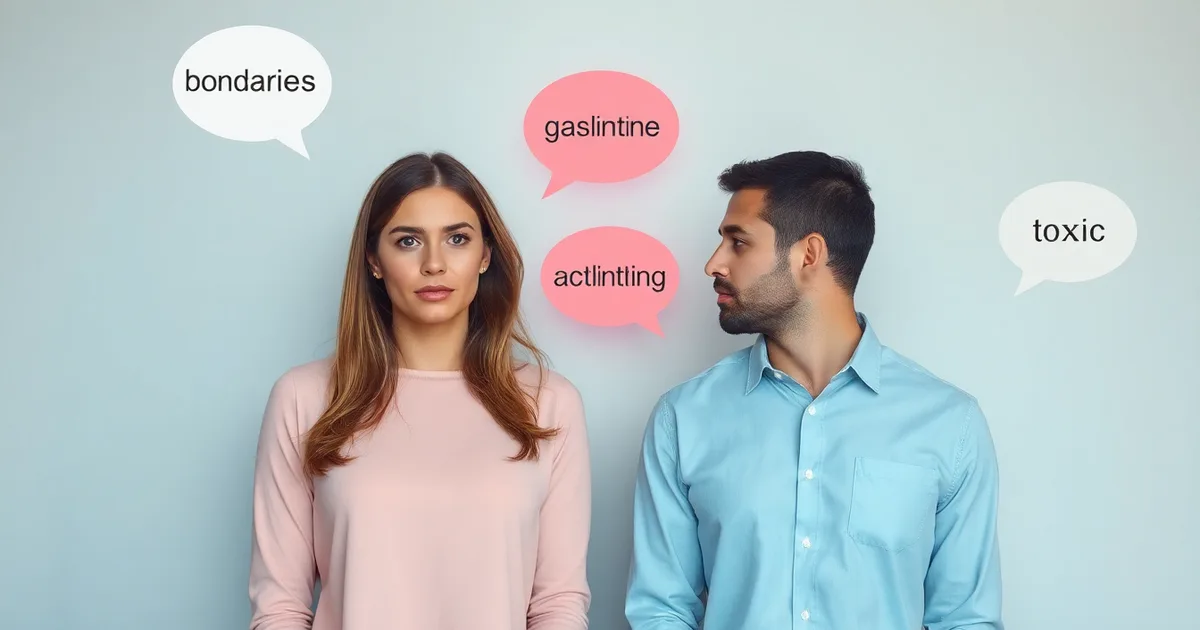
Relationship anxiety triggers affect millions of people worldwide, creating unnecessary stress and strain in romantic partnerships. This comprehensive guide explores the most common triggers that cause relationship anxiety, their underlying psychological mechanisms, and evidence-based strategies for managing these challenging emotions. Understanding your personal anxiety triggers is the first step toward building healthier, more secure relationships and developing effective coping mechanisms that promote long-term relationship success.
What Are Relationship Anxiety Triggers and How Do They Develop?
Relationship anxiety triggers are specific situations, behaviors, thoughts, or external factors that activate intense worry, fear, or insecurity within romantic relationships. These triggers often stem from past experiences, attachment styles, or deeply ingrained belief systems about love and relationships.
According to recent 2026 research from the American Psychological Association, approximately 35% of adults experience moderate to severe relationship anxiety at some point in their romantic lives. These triggers can manifest suddenly or develop gradually over time, creating patterns of anxious thoughts and behaviors that impact relationship satisfaction.
The development of relationship anxiety triggers typically involves three key components:
- Cognitive patterns: Negative thought loops and catastrophic thinking about relationship outcomes
- Emotional responses: Intense fear, worry, jealousy, or insecurity triggered by specific situations
- Behavioral manifestations: Avoidance, excessive reassurance-seeking, or controlling behaviors
- Physical symptoms: Increased heart rate, muscle tension, sleep disturbances, or digestive issues
What Are the Most Common Relationship Anxiety Triggers?
Research conducted in 2026 identifies several primary relationship anxiety triggers that consistently affect individuals across different demographics and relationship types. Understanding these common triggers helps partners recognize patterns and develop targeted coping strategies.
Communication-Related Triggers
Communication breakdowns frequently activate relationship anxiety, particularly when partners experience:
- Delayed responses to texts or calls
- Changes in communication frequency or tone
- Misunderstandings during important conversations
- Feeling unheard or dismissed during discussions
- Conflict avoidance or stonewalling behaviors
Effective relationship communication styles can significantly reduce these anxiety-provoking situations and improve overall relationship stability.
Trust and Security Triggers
Trust-related concerns represent some of the most intense relationship anxiety triggers:
- Partner interactions with ex-partners or potential romantic interests
- Social media activity and online behavior
- Unexplained changes in routine or behavior patterns
- Secretive phone or computer usage
- Cancelled plans or mysterious absences
Intimacy and Connection Triggers
Changes in emotional or physical intimacy often trigger anxiety responses:
- Decreased physical affection or sexual intimacy
- Emotional withdrawal or increased distance
- Reduced quality time or shared activities
- Changes in expressions of love or affection
- Feeling disconnected during conversations
How Do Attachment Styles Influence Relationship Anxiety Triggers?
Attachment styles significantly impact which situations trigger relationship anxiety and how intensely individuals respond to these triggers. Understanding your attachment style provides valuable insight into your personal anxiety patterns and helps develop more effective coping strategies.
The four primary attachment styles each have distinct relationship anxiety triggers:
| Attachment Style | Common Triggers | Anxiety Response | Coping Tendency |
|---|---|---|---|
| Anxious Attachment | Partner unavailability, delayed responses, social interactions with others | Intense fear of abandonment, excessive worry | Reassurance-seeking, clingy behavior |
| Avoidant Attachment | Requests for emotional intimacy, relationship discussions, commitment expectations | Fear of engulfment, discomfort with closeness | Emotional withdrawal, independence emphasis |
| Disorganized Attachment | Unpredictable situations, conflict, emotional intensity | Chaotic emotional responses, confusion | Inconsistent approach-avoidance patterns |
| Secure Attachment | Major relationship changes, external stressors | Manageable concern, rational processing | Direct communication, problem-solving |
Learning more about relationship attachment styles can provide deeper insights into your personal anxiety patterns and help develop more secure relationship behaviors.
What Are the Warning Signs and Symptoms of Relationship Anxiety?
Recognizing the early warning signs of relationship anxiety helps individuals address triggers before they escalate into more serious emotional or behavioral problems. Relationship anxiety symptoms typically manifest across multiple domains of functioning.
Emotional and Psychological Symptoms
- Persistent worry: Constant concern about relationship stability or partner's feelings
- Intrusive thoughts: Unwanted thoughts about infidelity, breakups, or rejection
- Emotional dysregulation: Intense mood swings or emotional reactivity
- Self-doubt: Questioning personal worthiness or relationship value
- Catastrophic thinking: Assuming worst-case scenarios in ambiguous situations
Behavioral Manifestations
- Excessive monitoring: Checking partner's social media, messages, or activities
- Reassurance-seeking: Repeatedly asking for validation or confirmation of love
- Avoidance behaviors: Avoiding discussions, intimacy, or relationship progression
- Controlling tendencies: Attempting to control partner's actions, friendships, or choices
- People-pleasing: Suppressing personal needs to avoid conflict or abandonment
Physical Symptoms
- Sleep disturbances or insomnia
- Changes in appetite or eating patterns
- Muscle tension, headaches, or physical pain
- Digestive issues or stomach problems
- Increased heart rate or palpitations during anxiety episodes
How Can You Identify Your Personal Relationship Anxiety Triggers?
Developing awareness of your specific relationship anxiety triggers requires systematic self-observation and reflection. This process involves tracking patterns, identifying themes, and understanding the connection between external events and internal responses.
Self-Monitoring Techniques
Effective trigger identification strategies include:
- Anxiety journaling: Record specific situations, thoughts, emotions, and physical sensations when anxiety occurs
- Pattern recognition: Review journal entries weekly to identify recurring themes or situations
- Trigger mapping: Create visual representations connecting external events to internal responses
- Mindfulness practice: Develop present-moment awareness to catch anxiety as it arises
- Body awareness: Notice physical sensations that precede or accompany anxious thoughts
Professional Assessment Tools
Mental health professionals use several validated instruments to assess relationship anxiety triggers:
- Relationship Anxiety Scale (RAS): Measures general anxiety levels within romantic relationships
- Experiences in Close Relationships-Revised (ECR-R): Assesses attachment-related anxiety and avoidance
- Multidimensional Jealousy Scale: Evaluates cognitive, emotional, and behavioral aspects of jealousy
- Relationship Assessment Scale: Measures overall relationship satisfaction and security
What Are the Most Effective Coping Strategies for Relationship Anxiety Triggers?
Managing relationship anxiety triggers requires a comprehensive approach combining cognitive, behavioral, and emotional regulation strategies. Research from 2026 demonstrates that individuals who utilize multiple coping mechanisms show significantly better outcomes than those relying on single interventions.
Cognitive Restructuring Techniques
Cognitive restructuring involves identifying and challenging anxious thoughts that contribute to relationship distress:
- Thought challenging: Question the accuracy and evidence supporting anxious thoughts
- Probability estimation: Realistically assess the likelihood of feared outcomes occurring
- Alternative explanations: Generate multiple possible interpretations for ambiguous situations
- Decatastrophizing: Reduce the perceived severity or consequences of potential problems
- Self-compassion: Practice kind, understanding self-talk during difficult moments
Emotional Regulation Strategies
Developing healthy emotional regulation skills helps manage intense anxiety responses:
- Deep breathing exercises: Use diaphragmatic breathing to activate the parasympathetic nervous system
- Progressive muscle relaxation: Systematically tense and release muscle groups to reduce physical tension
- Mindfulness meditation: Practice non-judgmental awareness of present-moment experiences
- Grounding techniques: Use sensory awareness to reconnect with the present during anxiety episodes
- Emotional labeling: Accurately identify and name emotions to reduce their intensity
Communication and Relationship Skills
Improving relationship communication reduces anxiety triggers and strengthens partnership bonds:
- Active listening: Practice fully engaging with partner's communications without defensive responses
- "I" statements: Express concerns using personal language rather than accusatory statements
- Validation techniques: Acknowledge partner's emotions and perspectives during discussions
- Boundary setting: Clearly communicate personal needs and limits within the relationship
- Regular check-ins: Schedule consistent conversations about relationship satisfaction and concerns
Understanding digital relationship boundaries becomes particularly important in 2026, as technology-related triggers increasingly impact modern relationships.
How Can Professional Therapy Help with Relationship Anxiety Triggers?
Professional mental health treatment offers specialized interventions for managing severe or persistent relationship anxiety triggers. Therapeutic approaches provide structured frameworks for understanding anxiety patterns and developing more effective coping strategies.
Evidence-Based Therapeutic Approaches
- Cognitive Behavioral Therapy (CBT): Focuses on identifying and changing negative thought patterns and behaviors
- Emotionally Focused Therapy (EFT): Addresses attachment-related anxiety within the relationship context
- Acceptance and Commitment Therapy (ACT): Emphasizes accepting anxiety while committing to value-based actions
- Dialectical Behavior Therapy (DBT): Teaches distress tolerance and emotional regulation skills
- Gottman Method: Provides specific tools for improving relationship communication and connection
Individual vs. Couples Therapy Considerations
The choice between individual and couples therapy depends on several factors:
| Individual Therapy | Couples Therapy |
|---|---|
| Personal trauma or attachment issues | Communication patterns affecting both partners |
| Severe anxiety or depression symptoms | Relationship dynamics contributing to anxiety |
| Self-esteem or identity concerns | Building mutual understanding and empathy |
| Learning personal coping strategies | Developing joint problem-solving skills |
What Role Does Self-Care Play in Managing Relationship Anxiety?
Self-care practices form the foundation for managing relationship anxiety triggers effectively. Individuals who maintain consistent self-care routines demonstrate greater emotional resilience and healthier relationship behaviors.
Physical Self-Care Strategies
- Regular exercise: Engage in physical activity to reduce stress hormones and improve mood
- Adequate sleep: Maintain 7-9 hours of quality sleep to support emotional regulation
- Nutritious diet: Consume balanced meals to stabilize blood sugar and support brain function
- Limiting substances: Reduce alcohol, caffeine, and other substances that can increase anxiety
- Medical care: Address underlying health conditions that may contribute to anxiety symptoms
Emotional and Mental Self-Care
- Therapy or counseling: Work with mental health professionals to address underlying issues
- Support networks: Maintain healthy friendships and family relationships outside the romantic partnership
- Hobbies and interests: Pursue personal passions and activities that provide fulfillment
- Stress management: Practice relaxation techniques and stress-reduction activities
- Personal growth: Engage in learning, reading, or other developmental activities
How Can Technology Help or Hinder Relationship Anxiety Management?
Modern technology presents both opportunities and challenges for managing relationship anxiety triggers. Understanding how to leverage helpful technologies while avoiding problematic digital behaviors is crucial for healthy relationship management in 2026.
Helpful Technology Tools
- Mental health apps: Anxiety tracking, meditation, and coping skill applications
- Couples communication platforms: Structured tools for relationship discussions and check-ins
- Therapy platforms: Online counseling services and teletherapy options
- Mood tracking tools: Digital journals for monitoring anxiety patterns and triggers
- Educational resources: Podcasts, articles, and videos about relationship skills
Technology-Related Anxiety Triggers
- Social media comparison: Viewing idealized relationship content online
- Digital surveillance: Monitoring partner's online activities or communications
- Communication delays: Anxiety about response times to messages or calls
- Online interactions: Concern about partner's digital relationships or activities
- Information overload: Excessive consumption of relationship advice or content
For those in geographically separated relationships, long distance relationship apps can provide valuable support while managing technology-related anxiety triggers.
Practical Daily Strategies for Managing Relationship Anxiety Triggers
Implementing consistent daily practices helps build resilience against relationship anxiety triggers and promotes overall emotional well-being. These strategies should be adapted to individual needs and relationship circumstances.
Morning Routine Strategies
- Mindful awakening: Begin each day with 5-10 minutes of mindfulness or gratitude practice
- Positive self-talk: Replace anxious morning thoughts with affirming, realistic statements
- Physical activity: Incorporate movement to release endorphins and reduce stress hormones
- Intentional connection: Send a loving message or gesture to your partner before starting daily activities
- Goal setting: Identify one relationship-positive action to take during the day
Throughout-the-Day Techniques
- Anxiety check-ins: Regularly assess your emotional state and identify emerging triggers
- Breathing breaks: Take 2-3 minute breathing exercises when anxiety levels rise
- Reality testing: Question anxious thoughts by examining evidence and alternative explanations
- Distraction activities: Engage in absorbing tasks or hobbies when rumination begins
- Support utilization: Reach out to friends, family, or professionals when needed
Evening Reflection Practices
- Daily journaling: Write about anxiety triggers, coping successes, and relationship positives
- Partner appreciation: Share gratitude or positive observations with your partner
- Relaxation routine: Practice calming activities to promote restful sleep
- Tomorrow preparation: Plan specific strategies for anticipated challenging situations
- Self-compassion: Acknowledge efforts and progress without harsh self-judgment
Building Long-Term Resilience Against Relationship Anxiety Triggers
Developing lasting resilience against relationship anxiety triggers requires ongoing commitment to personal growth and relationship skill development. Long-term success involves creating sustainable habits and maintaining realistic expectations about the recovery process.
Personal Development Areas
- Self-awareness: Continuously develop understanding of personal patterns, needs, and triggers
- Emotional intelligence: Strengthen ability to recognize, understand, and manage emotions effectively
- Communication skills: Practice and refine ability to express needs, concerns, and boundaries clearly
- Stress management: Build a toolkit of effective strategies for managing life stressors
- Self-compassion: Cultivate kind, understanding attitudes toward personal struggles and mistakes
Relationship Strengthening Practices
- Regular relationship maintenance: Schedule consistent time for relationship discussions and connection
- Shared growth activities: Engage in mutual learning, counseling, or development programs
- Trust building: Consistently demonstrate reliability, honesty, and commitment to the relationship
- Intimacy cultivation: Nurture emotional, physical, and intellectual connection with your partner
- Conflict resolution: Develop healthy patterns for addressing disagreements and challenges
Recognizing relationship green flags helps build confidence in healthy relationship dynamics and reduces anxiety about partnership stability.
When to Seek Professional Help for Relationship Anxiety
While many individuals successfully manage mild relationship anxiety triggers using self-help strategies, certain situations warrant professional intervention. Recognizing when to seek help prevents anxiety from significantly impacting relationship quality or personal well-being.
Warning Signs Requiring Professional Support
- Severe impairment: Anxiety significantly interferes with daily functioning, work, or social activities
- Relationship deterioration: Anxiety behaviors are damaging the romantic relationship or causing partner distress
- Physical symptoms: Persistent physical health problems related to anxiety (sleep issues, appetite changes, chronic pain)
- Self-harm thoughts: Any thoughts of self-harm, suicide, or harming others require immediate professional intervention
- Substance use: Using alcohol, drugs, or other substances to cope with relationship anxiety
- Ineffective coping: Self-help strategies provide minimal relief or symptoms are worsening over time
Types of Professional Support Available
- Individual psychotherapy: One-on-one counseling focused on personal anxiety management and coping skills
- Couples counseling: Joint therapy sessions addressing relationship dynamics and communication patterns
- Group therapy: Peer support groups for individuals experiencing similar relationship challenges
- Psychiatric consultation: Medical evaluation for potential medication management of severe anxiety symptoms
- Specialized programs: Intensive outpatient or residential programs for severe anxiety disorders
Creating Your Personal Relationship Anxiety Management Plan
Developing a comprehensive, personalized plan for managing relationship anxiety triggers increases the likelihood of long-term success. This plan should be specific, realistic, and adaptable to changing circumstances and relationship dynamics.
Assessment and Goal Setting
- Trigger identification: List your specific relationship anxiety triggers and their intensity levels
- Current coping assessment: Evaluate which strategies currently work well and which need improvement
- Relationship goals: Define specific, measurable objectives for relationship improvement
- Personal growth targets: Identify areas for individual development that will support relationship health
- Timeline establishment: Set realistic timeframes for achieving various goals and milestones
Strategy Implementation
- Daily practice schedule: Plan specific times for anxiety management activities and relationship nurturing
- Emergency protocols: Develop specific steps to take during intense anxiety episodes
- Support system activation: Identify who to contact and when during challenging periods
- Progress monitoring: Create systems for tracking improvement and identifying setbacks
- Plan adjustments: Schedule regular reviews and modifications based on what's working effectively
Understanding various relationship management approaches can provide additional perspectives on handling anxiety in different relationship structures.
Managing relationship anxiety triggers requires patience, commitment, and often professional support, but the results significantly improve both individual well-being and relationship satisfaction. By understanding your personal triggers, developing effective coping strategies, and building long-term resilience, you can create healthier, more secure relationships that withstand the challenges of anxiety and uncertainty. Remember that progress takes time, and seeking support when needed demonstrates strength and commitment to both personal growth and relationship success.