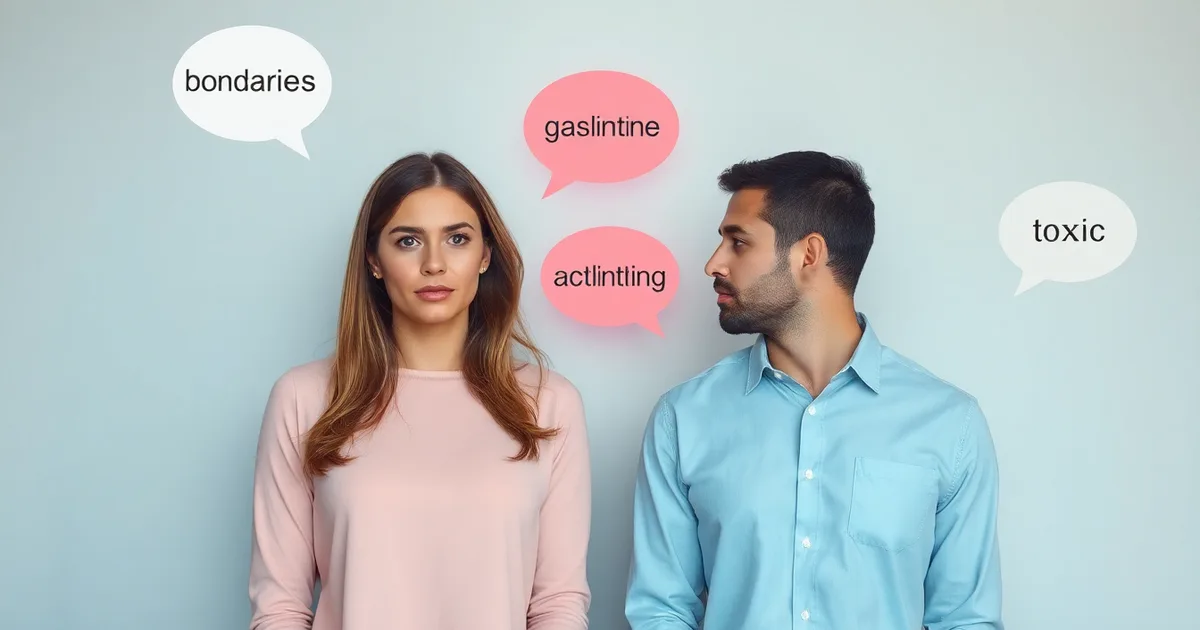
Understanding different relationship communication styles is fundamental to building stronger, more fulfilling partnerships. Research shows that 65% of relationship conflicts stem from miscommunication and mismatched communication approaches. This comprehensive guide explores the four primary communication styles in relationships, provides practical strategies for improvement, and offers actionable techniques to enhance partner understanding in 2026.
What Are the Four Main Communication Styles in Relationships?
Relationship communication styles represent distinct patterns of how partners express thoughts, emotions, and needs. Communication styles in relationships significantly impact relationship satisfaction, conflict resolution, and emotional intimacy.
The four primary communication styles are:
- Assertive Communication: Direct, honest, and respectful expression of thoughts and feelings
- Passive Communication: Avoiding conflict by suppressing personal needs and opinions
- Aggressive Communication: Dominating conversations with forceful, often disrespectful approaches
- Passive-Aggressive Communication: Indirect expression of negative feelings through subtle behaviors
Understanding these styles helps couples identify their natural tendencies and work toward healthier communication patterns. Similar to how attachment styles influence relationship dynamics, communication styles shape daily interactions and long-term relationship success.
How Does Assertive Communication Strengthen Relationships?
Assertive communication represents the healthiest approach to relationship dialogue. This style combines honesty with respect, allowing partners to express needs without damaging the relationship foundation.
Key Characteristics of Assertive Communication
- Clear expression of personal needs and boundaries
- Active listening and validation of partner's perspectives
- Use of "I" statements instead of accusatory language
- Calm tone and respectful body language
- Problem-solving focus rather than blame assignment
Studies indicate that couples practicing assertive communication report 40% higher relationship satisfaction compared to those using other styles. This approach builds trust, reduces misunderstandings, and creates emotional safety.
Assertive Communication Examples
Instead of: "You never help with housework!"
Assertive approach: "I feel overwhelmed managing household tasks alone. Can we discuss sharing responsibilities?"
Why Is Passive Communication Problematic in Relationships?
Passive communication involves avoiding direct expression of needs, often leading to resentment and unresolved issues. While this style may seem peaceful, it creates long-term relationship problems.
Signs of Passive Communication
- Difficulty saying "no" or setting boundaries
- Suppressing personal needs to avoid conflict
- Agreeing externally while feeling frustrated internally
- Seeking validation through people-pleasing behaviors
- Avoiding difficult conversations altogether
Research from the Journal of Social and Personal Relationships (2026) shows that passive communicators experience 60% more relationship anxiety and lower overall life satisfaction.
How Does Aggressive Communication Damage Relationships?
Aggressive communication prioritizes personal needs while disregarding partner's feelings and perspectives. This style creates power imbalances and emotional distance.
Characteristics of Aggressive Communication
- Dominating conversations and interrupting frequently
- Using blame, criticism, and harsh language
- Ignoring partner's emotional responses
- Making demands rather than requests
- Escalating conflicts instead of resolving them
Couples therapy data from 2026 reveals that aggressive communication patterns contribute to 75% of relationship breakdowns and significantly increase stress-related health issues.
What Makes Passive-Aggressive Communication So Destructive?
Passive-aggressive communication combines the worst aspects of passive and aggressive styles, creating confusion and emotional instability in relationships.
Common Passive-Aggressive Behaviors
- Silent treatment as punishment
- Sarcasm and subtle put-downs
- Procrastination on important tasks
- Indirect criticism through "jokes" or comments
- Withholding affection or cooperation
This communication style creates uncertainty and prevents genuine problem resolution, often leading to escalating relationship tension.
How Can Couples Identify Their Communication Patterns?
Recognizing current relationship communication styles requires honest self-assessment and partner feedback. Many couples benefit from professional evaluation or structured communication assessments.
Communication Style Assessment Questions
- How do you typically express disagreement with your partner?
- What happens when you feel hurt or misunderstood?
- Do you find it easy to share your needs and concerns?
- How do you respond when your partner criticizes you?
- What patterns emerge during your arguments?
Professional relationship counselors often use standardized assessments to help couples understand their communication dynamics and identify areas for improvement.
What Are the Most Effective Strategies for Improving Communication?
Transforming relationship communication styles requires consistent practice and mutual commitment. Research-backed strategies can significantly improve partner understanding and relationship satisfaction.
Evidence-Based Communication Improvement Techniques
- Active Listening Practice: Focus entirely on partner's words without planning responses
- Emotion Regulation: Take breaks during heated discussions to prevent escalation
- Empathy Building: Try to understand your partner's perspective before responding
- "I" Statement Training: Express feelings without blaming or attacking
- Regular Check-ins: Schedule weekly conversations about relationship dynamics
Just as technology can support long-distance relationships, various apps and tools now help couples practice better communication skills through guided exercises and progress tracking.
How Do Cultural Differences Affect Communication Styles?
Cultural backgrounds significantly influence relationship communication styles, affecting everything from directness levels to conflict resolution approaches. Understanding these differences prevents misinterpretation and builds cross-cultural relationship success.
Cultural Communication Variations
| Culture Type | Communication Characteristics | Relationship Impact |
|---|---|---|
| High-Context Cultures | Indirect communication, nonverbal emphasis | May seem passive to direct communicators |
| Low-Context Cultures | Direct, explicit communication | May seem aggressive to indirect communicators |
| Collectivist Cultures | Harmony-focused, group consideration | Individual needs may be understated |
| Individualist Cultures | Personal expression emphasis | Partner needs may seem secondary |
Successful intercultural relationships require understanding and adapting to different communication expectations while maintaining personal authenticity.
What Role Does Technology Play in Modern Relationship Communication?
Digital communication has revolutionized how couples interact, creating new opportunities and challenges for relationship communication styles. Understanding digital communication dynamics is essential in 2026.
Digital Communication Considerations
- Text Message Misinterpretation: Lack of tone and body language can cause misunderstandings
- Social Media Impact: Public communication affects private relationship dynamics
- Video Call Benefits: Face-to-face digital interaction improves connection quality
- App-Based Tools: Relationship apps provide structured communication exercises
- Digital Boundaries: Healthy limits on digital communication prevent overwhelm
Research indicates that couples who establish clear digital communication guidelines experience 30% fewer technology-related conflicts.
How Can Couples Handle Communication During Conflicts?
Conflict communication represents the ultimate test of relationship communication styles. Healthy conflict resolution skills can actually strengthen relationships when applied correctly.
Conflict Communication Best Practices
- Time-Out Strategy: Take breaks when emotions become overwhelming
- Issue Focus: Address specific problems rather than character attacks
- Solution Orientation: Work together toward resolution rather than winning
- Validation Practice: Acknowledge partner's feelings even during disagreement
- Compromise Willingness: Seek mutually acceptable solutions
The Gottman Institute's 2026 research shows that couples using these conflict communication techniques have 85% better long-term relationship outcomes.
What Are the Warning Signs of Toxic Communication Patterns?
Recognizing destructive communication patterns early prevents relationship deterioration. Toxic relationship communication styles require immediate attention and often professional intervention.
Red Flags in Relationship Communication
- Consistent contempt, criticism, or name-calling
- Stonewalling or complete communication shutdown
- Gaslighting or reality distortion tactics
- Threats, intimidation, or verbal abuse
- Refusal to take responsibility for communication problems
These patterns require professional help and may indicate the need for safety planning. Digital safety awareness becomes particularly important when toxic communication extends to online harassment.
Practical Tips for Daily Communication Improvement
Implementing small daily changes can dramatically improve relationship communication styles over time. Consistency matters more than perfection in building better communication habits.
- Morning Check-ins: Start each day with positive connection and intention setting
- Device-Free Time: Create technology-free zones for meaningful conversation
- Gratitude Expression: Share daily appreciation for your partner's actions and qualities
- Question Asking: Show genuine interest in your partner's thoughts and experiences
- Nonverbal Awareness: Pay attention to body language, tone, and facial expressions
- Patience Practice: Allow processing time before expecting responses to important topics
- Repair Attempts: Quickly address misunderstandings before they escalate
- Celebration Sharing: Communicate about positive experiences and achievements together
- Vulnerability Exercises: Gradually share deeper thoughts and feelings in safe spaces
- Professional Support: Seek couples counseling for persistent communication challenges
Communication Style Comparison Table
| Communication Style | Strengths | Weaknesses | Relationship Impact | Improvement Strategy |
|---|---|---|---|---|
| Assertive | Clear, respectful, honest | Requires practice and courage | High satisfaction, strong trust | Continue practicing and modeling |
| Passive | Avoids immediate conflict | Builds resentment, unclear needs | Low satisfaction, unresolved issues | Boundary setting, self-advocacy training |
| Aggressive | Direct expression of needs | Damages partner's self-esteem | High conflict, emotional distance | Empathy building, anger management |
| Passive-Aggressive | Avoids direct confrontation | Creates confusion and instability | Chronic tension, trust erosion | Direct communication training, therapy |
Conclusion: Building Stronger Relationships Through Better Communication
Mastering relationship communication styles is an ongoing journey that requires patience, practice, and mutual commitment. Understanding the four primary communication styles—assertive, passive, aggressive, and passive-aggressive—provides the foundation for positive change. By focusing on assertive communication techniques, addressing cultural differences, and implementing daily improvement strategies, couples can significantly enhance their partnership quality.
Remember that transforming communication patterns takes time and consistency. Professional support, regular practice, and genuine commitment to growth can help any couple develop healthier, more satisfying communication dynamics. The investment in better communication skills pays dividends in relationship satisfaction, emotional intimacy, and long-term partnership success throughout 2026 and beyond.