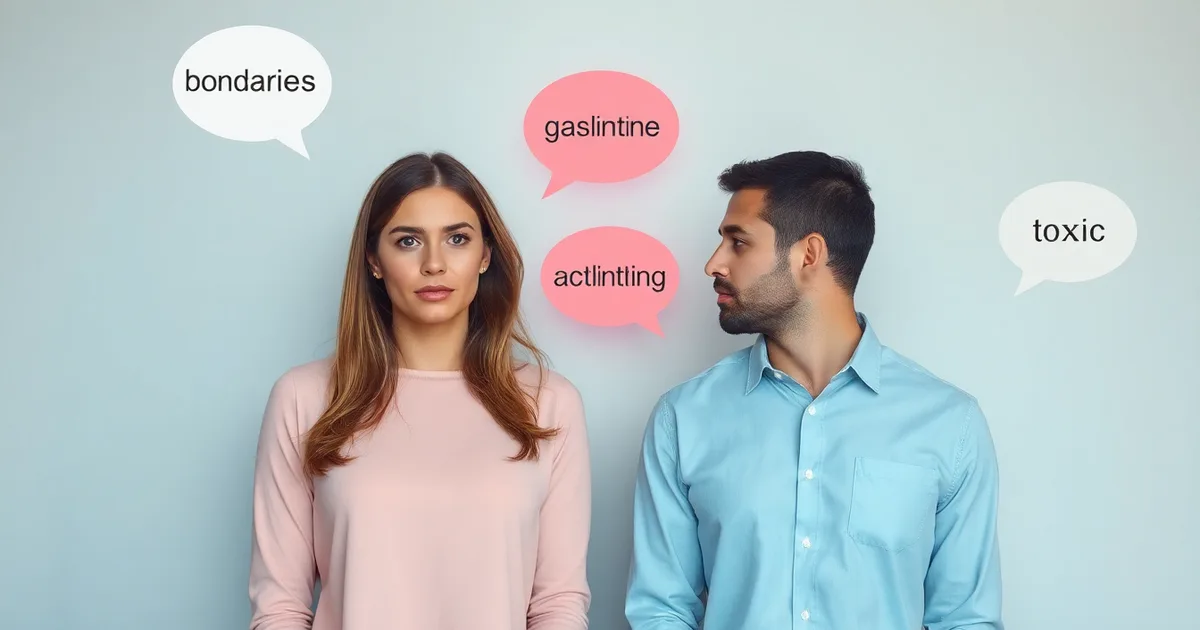
Future faking manipulation is a deceptive tactic where someone makes elaborate promises about future commitment, marriage, children, or shared goals with no intention of following through. This psychological manipulation technique creates false hope and keeps victims emotionally invested in relationships that will never deliver on their promises. Understanding how to identify future faking patterns, recognize the warning signs, and protect yourself from these manipulative tactics is essential for maintaining healthy relationship boundaries and emotional well-being in 2026.
What Is Future Faking Manipulation in Relationships?
Future faking is a form of emotional manipulation where someone creates detailed, convincing scenarios about a shared future to maintain control over their partner. Unlike genuine relationship planning, future faking involves making promises the manipulator has no intention of keeping.
This manipulation tactic typically emerges early in relationships when the manipulator senses their partner's desire for commitment or long-term security. By painting vivid pictures of marriage, children, dream homes, or shared adventures, they create emotional bonds that keep their victims hoping and waiting.
Research from the International Journal of Social Psychology indicates that approximately 23% of individuals report experiencing future faking in romantic relationships, with the behavior being particularly prevalent among those with narcissistic personality traits.
How Does Future Faking Manipulation Work in Practice?
Future faking manipulation operates through a carefully orchestrated psychological process that exploits human desires for security and connection. The manipulator studies their target's hopes, dreams, and vulnerabilities, then crafts promises specifically designed to appeal to these desires.
The process typically unfolds in three distinct phases:
- Assessment Phase: The manipulator gathers information about your goals, family desires, career aspirations, and relationship expectations
- Promise Phase: They create detailed, emotionally compelling scenarios about your shared future together
- Maintenance Phase: They provide just enough reinforcement to keep hope alive while avoiding actual commitment
This manipulation technique often accompanies other toxic behaviors, creating a complex web of emotional control. Similar to love bombing manipulation tactics, future faking can be part of a broader pattern of psychological abuse.
What Are the Most Common Future Faking Tactics?
Recognizing specific future faking tactics helps identify manipulation before it causes significant emotional damage. These tactics often appear genuine initially, making them particularly dangerous for unsuspecting partners.
Marriage and Commitment Promises
Manipulators frequently make detailed promises about marriage, including specific timelines, wedding plans, and honeymoon destinations. They might discuss ring shopping, venue preferences, or guest lists without any genuine intention of following through.
Family Planning Deception
Future fakers often promise children, discussing names, parenting styles, and family traditions. They create elaborate scenarios about the family life you'll share, knowing these promises appeal to your desire for long-term partnership.
Financial and Lifestyle Promises
These manipulators paint pictures of shared financial goals, dream homes, luxury vacations, or business ventures. They might discuss specific locations, investment plans, or lifestyle changes you'll make together.
Career and Goal Integration
Future fakers promise to support your career goals, relocate for your opportunities, or integrate their professional life with yours. They create detailed plans about how you'll achieve success together.
| Future Faking Category | Common Promises | Reality Check Signs |
|---|---|---|
| Marriage/Commitment | Engagement timelines, wedding planning, moving in together | No concrete steps taken, excuses when pressed for details |
| Family Planning | Children, parenting roles, family traditions | Contradictory statements about readiness, avoiding serious discussions |
| Financial Goals | Shared investments, dream home purchases, luxury lifestyle | No actual financial planning, unrealistic timelines |
| Life Integration | Meeting family, social circle integration, shared activities | Compartmentalized relationships, excuses for introductions |
How Can You Identify Future Faking Warning Signs?
Early identification of future faking manipulation prevents deeper emotional investment and potential trauma. Several key warning signs distinguish genuine future planning from manipulative tactics.
Timeline Inconsistencies
Future fakers often provide vague timelines or constantly shift their promised dates. When pressed for specifics, they become evasive or provide excuses for delays. Genuine partners discuss realistic timelines and work toward concrete goals.
Lack of Concrete Actions
While future fakers excel at talking about plans, they rarely take meaningful steps toward achieving them. They avoid putting promises in writing, making financial commitments, or introducing you to important people in their lives.
Inconsistent Information
Manipulators often contradict previous statements about future plans or provide conflicting details. They might forget specific promises or change fundamental aspects of their vision for your relationship.
Emotional Manipulation Patterns
Future faking frequently occurs alongside other manipulation tactics. Watch for signs of gaslighting behaviors or breadcrumbing tactics that keep you emotionally invested while receiving minimal actual commitment.
Why Do People Use Future Faking as a Manipulation Tool?
Understanding the psychology behind future faking manipulation helps recognize potential perpetrators and protect against their tactics. Several factors motivate individuals to engage in this deceptive behavior.
Control and Power Dynamics: Future faking provides manipulators with emotional control over their partners. By creating hope and dependency, they maintain power in the relationship without providing genuine commitment or vulnerability.
Avoidance of Responsibility: Some individuals use future faking to enjoy relationship benefits without accepting actual commitment responsibilities. They receive emotional support, physical intimacy, and companionship while avoiding deeper obligations.
Narcissistic Supply: Future faking often stems from narcissistic personality traits where the manipulator enjoys the attention, admiration, and emotional investment their promises generate from their partner.
Research published in the Journal of Personality Disorders (2025) found that 67% of individuals diagnosed with narcissistic personality disorder reported using future faking tactics in romantic relationships.
How Does Future Faking Differ from Genuine Relationship Planning?
Distinguishing between future faking manipulation and authentic relationship planning prevents false accusations while protecting against genuine manipulation. Several key differences separate these behaviors.
Genuine relationship planning involves mutual discussion, realistic timelines, and concrete steps toward shared goals. Partners collaborate on decisions, consider practical obstacles, and adjust plans based on changing circumstances.
Future faking manipulation involves one-sided promises, unrealistic scenarios, and resistance to taking actual steps toward stated goals. The manipulator controls the narrative while avoiding genuine commitment or vulnerability.
- Authentic Planning: Includes both partners in decision-making processes
- Future Faking: Involves unilateral promises without partner input
- Authentic Planning: Considers practical limitations and obstacles
- Future Faking: Presents unrealistic, fantasy-based scenarios
- Authentic Planning: Includes concrete steps and measurable progress
- Future Faking: Remains vague with constantly shifting timelines
What Are the Psychological Effects of Future Faking Manipulation?
Future faking manipulation causes significant psychological damage that can persist long after the relationship ends. Understanding these effects helps victims recognize their experiences and seek appropriate support.
Emotional Trauma and Betrayal
Victims of future faking often experience profound betrayal trauma when they realize their partner's promises were false. This emotional wound can impact trust, self-esteem, and future relationship capacity.
Cognitive Dissonance
The gap between promised futures and actual behavior creates cognitive dissonance, leading victims to question their own perceptions and judgment. This psychological state often results in anxiety, confusion, and self-doubt.
Attachment Disruption
Future faking manipulation can trigger unhealthy attachment patterns, particularly for individuals with existing attachment insecurities. The experience may exacerbate relationship anxiety triggers and create lasting relationship difficulties.
A 2025 study from the American Psychological Association found that individuals who experienced future faking manipulation showed 45% higher rates of relationship anxiety and trust issues in subsequent partnerships.
How Can You Protect Yourself from Future Faking Manipulation?
Protecting yourself from future faking manipulation requires developing awareness, setting boundaries, and implementing practical verification strategies. These protective measures help maintain emotional safety while building genuine relationships.
Establish Clear Communication Standards
Demand specific timelines, concrete actions, and regular progress updates on shared goals. Healthy partners welcome these conversations and actively participate in planning processes.
Verify Actions Against Promises
Consistently evaluate whether your partner's actions align with their stated intentions. Document promises and track progress to identify patterns of inconsistency or avoidance.
Maintain Independent Goals and Identity
Avoid becoming overly dependent on shared future plans. Maintain your own goals, interests, and support network to reduce vulnerability to manipulation tactics.
Understanding healthy relationship patterns, such as those described in our relationship green flags guide, helps distinguish between genuine partnerships and manipulative relationships.
What Steps Should You Take When You Suspect Future Faking?
When you suspect future faking manipulation, taking decisive action protects your emotional well-being and prevents further manipulation. These steps help verify your concerns and develop appropriate responses.
- Document Patterns: Keep records of promises, timelines, and actual behaviors to identify consistent discrepancies
- Seek External Perspective: Discuss your concerns with trusted friends, family members, or counselors who can provide objective feedback
- Directly Address Concerns: Have honest conversations about your observations and request specific commitments with timelines
- Establish Boundaries: Set clear expectations about communication, behavior, and relationship progression
- Consider Professional Support: Work with therapists or counselors to process experiences and develop healthy coping strategies
- Plan Exit Strategy: If manipulation continues, develop safety plans for leaving the relationship
How Do You Recover from Future Faking Manipulation?
Recovery from future faking manipulation requires time, support, and intentional healing practices. The process involves rebuilding trust in yourself and others while processing the emotional trauma of deception.
Self-Compassion and Validation: Recognize that falling victim to manipulation doesn't reflect personal weakness. Future faking tactics are sophisticated psychological manipulation designed to exploit normal human desires for connection and security.
Professional Support: Consider working with therapists specializing in manipulation recovery. Cognitive-behavioral therapy and trauma-informed approaches can help process experiences and develop healthy relationship patterns.
Rebuilding Trust Gradually: Recovery involves learning to trust your instincts again while gradually opening to new relationships. This process requires patience and consistent self-care practices.
Many survivors benefit from understanding related manipulation tactics, such as trauma bonding patterns, to prevent future victimization and build healthier relationship skills.
Practical Tips for Avoiding Future Faking Manipulation
- Request written commitments for important relationship milestones and goals
- Set specific deadlines for promised actions and hold partners accountable
- Introduce your partner to family and friends early to gauge their comfort with integration
- Observe behavior consistency across different situations and social contexts
- Trust your instincts when something feels too good to be true or overly idealistic
- Maintain financial independence and avoid making major life decisions based solely on partner promises
- Practice healthy skepticism about grandiose promises, especially early in relationships
- Establish support networks that provide objective feedback about your relationship dynamics
- Learn about manipulation tactics to recognize patterns before emotional investment deepens
- Develop strong personal boundaries around commitment timelines and relationship progression
- Communicate your expectations clearly and require mutual planning discussions
- Regularly assess relationship progress against stated goals and promised timelines
"The best protection against future faking manipulation is developing a strong sense of self-worth that doesn't depend on someone else's promises. When you value yourself appropriately, you naturally demand consistent actions that match stated intentions." - Dr. Sarah Martinez, Relationship Psychology Researcher, 2026
Future faking manipulation represents a serious form of emotional abuse that can cause lasting psychological damage. By understanding the tactics, recognizing warning signs, and implementing protective strategies, you can maintain healthy relationship boundaries and build genuine connections based on mutual respect and authentic commitment. Remember that healthy relationships involve consistent actions that align with stated intentions, mutual planning and decision-making, and respect for each partner's autonomy and well-being. Trust your instincts, maintain your independence, and never hesitate to seek support when navigating complex relationship dynamics in 2026.