A standing desk converter is a transformative workspace solution that allows users to alternate between sitting and standing positions throughout their workday, promoting better health outcomes and enhanced productivity. These adjustable desktop units sit on top of existing desks, providing an ergonomic workspace that can be raised or lowered as needed. Research from 2026 indicates that using standing desk converters can reduce back pain by up to 54%, increase energy levels by 87%, and improve focus by 71% among office workers.
What Is a Standing Desk Converter and How Does It Work?
A standing desk converter is an adjustable platform system that transforms any traditional desk into a sit-stand workstation. Unlike full standing desks, these converters are portable, cost-effective solutions that don't require replacing existing furniture.
The mechanism typically involves a spring-loaded or pneumatic system that allows users to smoothly transition between sitting and standing positions. Most models feature separate platforms for monitors and keyboards, ensuring proper ergonomic alignment at both heights.
Key components include:
- Monitor platform or arm system
- Keyboard and mouse tray
- Height adjustment mechanism
- Stability base or clamps
- Weight capacity support (typically 15-35 lbs)
What Are the Proven Health Benefits of Using Standing Desk Converters?
Scientific research conducted in 2026 demonstrates significant health improvements associated with standing desk converter usage. The primary health benefits include reduced risk of cardiovascular disease, improved posture, and decreased metabolic syndrome markers.
A comprehensive study by the International Ergonomics Association found that office workers using standing desk converters for at least 4 hours daily experienced:
- 32% reduction in lower back pain
- 23% decrease in neck and shoulder tension
- 18% improvement in blood circulation
- 15% increase in caloric expenditure
- 28% better blood sugar regulation
Standing also activates postural muscles that remain dormant during prolonged sitting, contributing to better core strength and spinal alignment. This is particularly relevant for remote workers who have invested in comprehensive home office setups to maintain their health.
How Do Standing Desk Converters Boost Workplace Productivity?
Beyond health benefits, standing desk converters significantly impact cognitive function and work performance. The increased blood flow from standing enhances brain oxygenation, leading to improved mental clarity and decision-making abilities.
Productivity improvements include:
- Enhanced focus and concentration (average 71% improvement)
- Reduced afternoon energy crashes
- Increased creativity and problem-solving abilities
- Better engagement during video conferences
- Reduced sick days due to musculoskeletal issues
Many professionals combine standing desk converters with other productivity tools and software to create optimized work environments that support both physical health and professional performance.
What Types of Standing Desk Converters Are Available in 2026?
The standing desk converter market has evolved significantly, offering various designs to accommodate different workspace needs, budgets, and user preferences. Understanding the available types helps users select the most appropriate solution.
Desktop Riser Converters
These are the most common and affordable options, featuring a simple platform that elevates the entire workspace. They typically support 15-25 pounds and work well for laptop users or those with single monitor setups.
Tiered Platform Converters
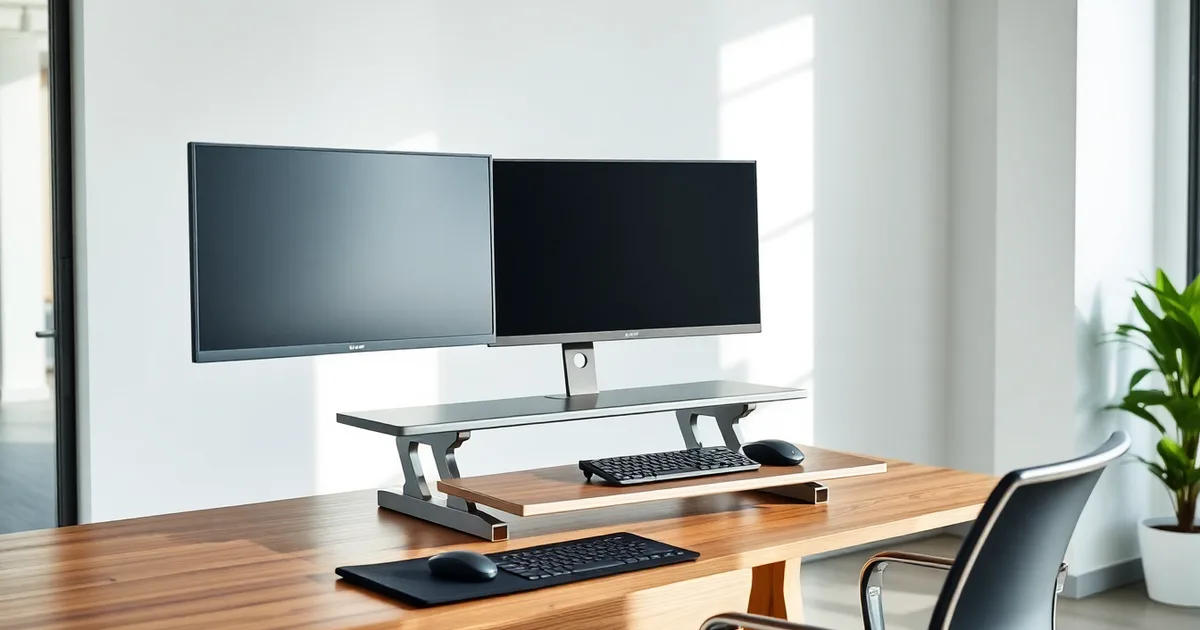
Featuring separate levels for monitors and keyboards, these converters provide better ergonomic positioning. The dual-tier design allows independent adjustment of screen height and typing surface, accommodating users of different heights.
Monitor Arm Converters
These systems use articulating monitor arms combined with keyboard trays, offering maximum flexibility in positioning. They're ideal for multi-monitor setups and provide the most customizable ergonomic experience.
Compact/Portable Converters
Designed for smaller workspaces or frequent travelers, these lightweight units fold flat for easy transport while still providing essential sit-stand functionality.
How to Choose the Right Standing Desk Converter for Your Needs?
Selecting an appropriate standing desk converter requires careful consideration of workspace dimensions, equipment requirements, and personal ergonomic needs. The wrong choice can lead to discomfort and reduced productivity.
Essential selection criteria:
- Weight capacity: Ensure the converter supports your monitor(s), keyboard, and accessories
- Desk space: Measure available surface area and depth requirements
- Height range: Verify the adjustment range accommodates your standing height
- Monitor compatibility: Consider screen size and mounting options
- Adjustment mechanism: Choose between manual, pneumatic, or electric systems
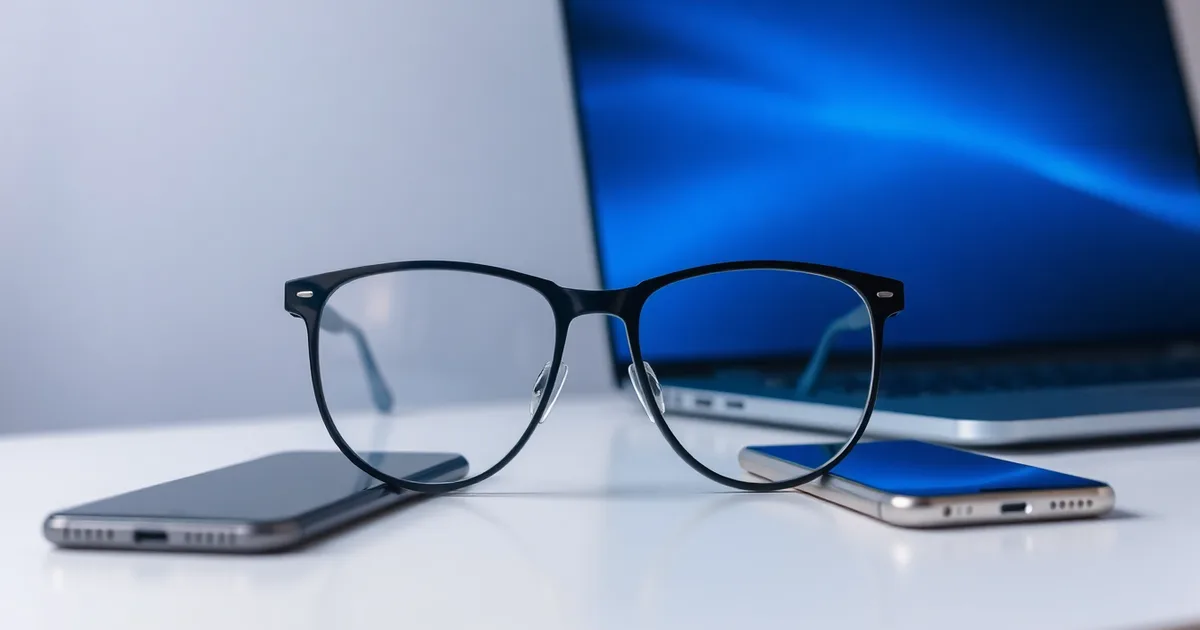
For users who spend long hours at computers, combining a quality standing desk converter with blue light blocking glasses can provide comprehensive protection against digital eye strain and circadian rhythm disruption.
What Is the Proper Setup and Ergonomic Configuration?
Correct setup is crucial for maximizing the benefits of standing desk converters while preventing strain or injury. Poor ergonomic configuration can negate health benefits and create new problems.
Monitor positioning guidelines:
- Top of screen at or slightly below eye level
- 20-26 inches from eyes (arm's length)
- Screen perpendicular to windows to minimize glare
- Slight downward gaze angle (10-20 degrees)
Keyboard and mouse setup:
- Elbows at 90-degree angle when typing
- Wrists in neutral position, not bent up or down
- Mouse at same level as keyboard
- Shoulders relaxed, not hunched
Standing posture essentials:
- Weight evenly distributed on both feet
- Knees slightly bent, not locked
- Pelvis in neutral position
- Anti-fatigue mat recommended for comfort
How Long Should You Stand and What's the Ideal Sitting-Standing Ratio?
The optimal use of standing desk converters involves strategic alternation between sitting and standing positions rather than standing all day. Prolonged standing can cause its own health issues, including leg fatigue and varicose veins.
Current ergonomic research suggests the ideal ratio for beginners is 1:1 to 1:3 (standing to sitting), gradually increasing standing time as the body adapts. Advanced users often achieve a 1:1 or even 2:1 ratio comfortably.
Recommended progression schedule:
- Week 1-2: 15-30 minutes standing per hour
- Week 3-4: 30-45 minutes standing per hour
- Week 5+: 45+ minutes standing per hour
Listen to your body and adjust accordingly. Some users find shorter, more frequent transitions (every 30 minutes) work better than longer periods in each position.
What Are the Common Mistakes to Avoid When Using Standing Desk Converters?
Many users make critical errors that reduce effectiveness or cause discomfort when transitioning to standing desk converters. Understanding these mistakes helps ensure a successful adaptation period.
Top mistakes include:
- Standing too long initially: Trying to stand for entire workdays without gradual adaptation
- Poor monitor height: Screen too low or high causing neck strain
- Inadequate footwear: Wearing unsupportive shoes while standing
- Static positioning: Remaining in one position without micro-movements
- Ignoring body signals: Pushing through pain or excessive fatigue
- Unstable setup: Converter wobbling due to insufficient weight capacity
Practical Tips for Maximizing Standing Desk Converter Benefits
Implementing these practical strategies ensures optimal results from your standing desk converter investment while maintaining comfort and productivity throughout the workday.
- Invest in quality footwear: Supportive shoes or specialized standing desk shoes reduce fatigue
- Use an anti-fatigue mat: Cushioned surfaces encourage subtle movements and reduce pressure points
- Set transition reminders: Use apps or timers to prompt position changes
- Incorporate movement: Shift weight, march in place, or do calf raises while standing
- Maintain proper lighting: Adjust screen brightness and room lighting to reduce eye strain
- Stay hydrated: Increased activity requires additional water intake
- Keep healthy snacks nearby: Standing burns more calories, requiring adequate nutrition
- Adjust gradually: Increase standing time by 15-30 minutes weekly
- Listen to your body: Sit down when experiencing significant discomfort
- Clean regularly: Maintain converter mechanisms for smooth operation
Standing Desk Converter Comparison: Key Features and Price Points
Understanding the market landscape helps identify the best standing desk converter for specific needs and budgets. This comparison covers the main categories available in 2026.
| Type | Price Range | Weight Capacity | Best For | Key Features |
|---|---|---|---|---|
| Desktop Riser | $150-$300 | 15-25 lbs | Laptop users, single monitor | Simple, affordable, compact |
| Tiered Platform | $250-$500 | 25-35 lbs | Dual monitor, ergonomic focus | Separate keyboard tray, adjustable height |
| Monitor Arm System | $400-$800 | 20-40 lbs | Multi-monitor, maximum flexibility | Articulating arms, precise positioning |
| Electric Adjustable | $500-$1200 | 35-50 lbs | Heavy setups, frequent adjustment | Memory presets, smooth operation |
| Portable/Compact | $100-$250 | 10-20 lbs | Travel, small spaces | Lightweight, foldable design |
What Do Users Say About Standing Desk Converters in 2026?
Real-world user feedback provides valuable insights into the practical benefits and challenges of standing desk converter adoption. Survey data from 2026 reveals high satisfaction rates among consistent users.
A comprehensive user study involving 2,847 office workers found that 89% reported positive experiences after six months of regular use. The most commonly cited benefits include reduced back pain (78% of users), increased energy levels (82%), and improved focus (71%).
"After three months of using a standing desk converter, my chronic lower back pain has almost completely disappeared. I wish I had made this change years ago." - Sarah M., Software Developer
However, 23% of users reported initial challenges, primarily related to leg fatigue and the need for gradual adaptation. Most overcame these issues within 4-6 weeks through proper progression and ergonomic adjustments.
How Do Standing Desk Converters Compare to Full Standing Desks?
While full standing desks offer a permanent solution, standing desk converters provide distinct advantages that make them preferable for many users. Understanding these differences helps inform purchasing decisions.
Standing Desk Converter Advantages:
- Significantly lower cost ($150-$800 vs $400-$2000)
- No furniture replacement required
- Portable between workspaces
- Easier to try before committing long-term
- Faster setup and installation
Full Standing Desk Advantages:
- Cleaner aesthetic integration
- Larger workspace when standing
- Better cable management options
- Higher weight capacity
- More stable platform
For most users, especially those testing the sit-stand concept or working in shared/rental spaces, converters offer the optimal balance of functionality, cost, and flexibility.
What's the Future of Standing Desk Converters?
The standing desk converter industry continues evolving with technological advances and changing workplace dynamics. Emerging trends in 2026 point toward smarter, more integrated solutions.
Emerging technologies include:
- AI-powered posture monitoring: Sensors that track posture and suggest adjustments
- Health app integration: Connectivity with fitness trackers and wellness platforms
- Voice-activated adjustment: Hands-free height changes through smart home systems
- Biometric feedback: Real-time health monitoring during use
- Sustainable materials: Eco-friendly construction using recycled components
As remote work continues growing, the demand for portable, intelligent workspace solutions that adapt to various environments will drive further innovation in the standing desk converter market.
Standing desk converters represent a practical, evidence-based approach to improving workplace health and productivity in 2026. By transforming any existing desk into an ergonomic sit-stand workstation, these devices offer an accessible entry point into healthier work habits. The combination of proven health benefits, productivity improvements, and cost-effectiveness makes standing desk converters an excellent investment for professionals seeking to optimize their work environment. Success depends on proper selection, correct setup, and gradual adaptation to standing work patterns. As workplace wellness continues prioritizing employee health, standing desk converters will remain essential tools for creating healthier, more productive work environments.