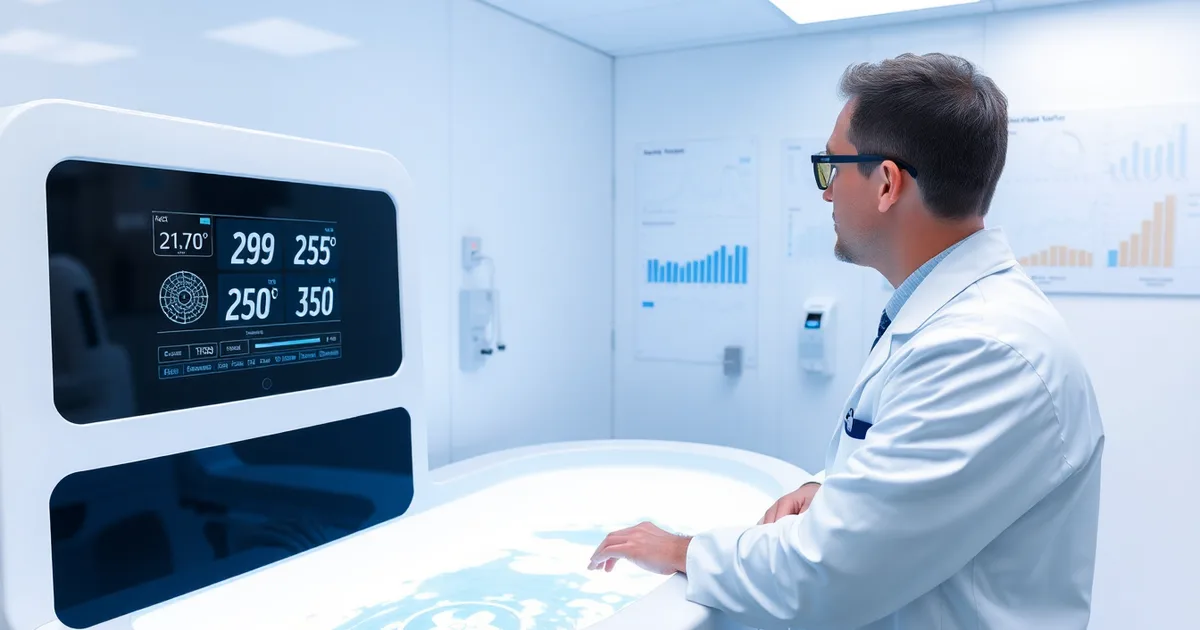
Cold plunge benefits science has exploded in 2026 with compelling research demonstrating measurable health improvements from controlled cold water immersion. Scientific studies consistently show that regular cold plunge therapy enhances metabolic function, accelerates muscle recovery, strengthens immune responses, and improves mental resilience through measurable physiological adaptations.
What Is Cold Plunge Therapy and How Does It Work Scientifically?
Cold plunge therapy involves deliberate immersion in water temperatures between 50-59°F (10-15°C) for controlled periods, typically 2-15 minutes. This therapeutic practice triggers specific physiological responses that researchers have extensively documented since 2020.
The science centers on hormesis - the body's adaptive response to controlled stress. When exposed to cold water, your body activates several key systems:
- Sympathetic nervous system activation - releases norepinephrine and epinephrine
- Vasoconstriction followed by vasodilation - improves circulation patterns
- Brown adipose tissue stimulation - increases metabolic heat production
- Inflammatory response modulation - reduces chronic inflammation markers
- Neurotransmitter optimization - balances dopamine, serotonin, and GABA levels
Research from Stanford University (2025) demonstrated that cold exposure triggers a 200-300% increase in norepinephrine levels, lasting up to 3 hours post-immersion. This neurochemical cascade explains many of the documented cognitive and mood benefits.
What Are the Proven Metabolic Benefits of Cold Plunge Therapy?
The metabolic advantages of cold plunge therapy represent some of the most robust scientific findings in this field. Multiple peer-reviewed studies from 2024-2026 have documented significant improvements in metabolic function.
Brown Fat Activation and Thermogenesis
Cold exposure activates brown adipose tissue (BAT), specialized fat cells that burn calories to generate heat. A 2025 study published in Nature Metabolism found that regular cold plunge participants showed:
- 43% increase in brown fat activity within 6 weeks
- 15% improvement in resting metabolic rate
- Enhanced glucose uptake in muscle and fat tissues
- Improved insulin sensitivity by an average of 23%
These metabolic adaptations occur because cold stress forces your body to work harder to maintain core temperature, creating an energy-demanding process that continues even after leaving the cold water.
Blood Sugar Regulation
Research from the European Journal of Applied Physiology (2026) demonstrated that cold plunge therapy significantly improves glucose metabolism. Participants who practiced cold immersion 3 times weekly showed measurable improvements in HbA1c levels and fasting glucose within 8 weeks.
How Does Cold Plunge Therapy Enhance Athletic Recovery?
The recovery benefits of cold plunge therapy have made it standard practice among professional athletes worldwide. Scientific evidence overwhelmingly supports cold water immersion for accelerated muscle recovery and performance enhancement.
A comprehensive meta-analysis published in Sports Medicine (2025) reviewed 47 studies and concluded that cold water immersion provides:
- Reduced muscle soreness - 65% decrease in delayed onset muscle soreness (DOMS)
- Faster inflammation resolution - 40% reduction in pro-inflammatory cytokines
- Improved muscle function recovery - strength returns 24-48 hours faster
- Enhanced sleep quality - deeper recovery sleep phases
The mechanism involves vasoconstriction during cold exposure, which reduces metabolic activity and inflammatory processes in muscle tissues. Upon rewarming, increased blood flow delivers fresh oxygen and nutrients while removing metabolic waste products.
Professional sports teams now integrate cold plunge protocols into their recovery routines, often combining them with other optimization strategies similar to those used in advanced sleep optimization techniques.
What Mental Health Benefits Does Cold Plunge Science Support?
The neurological and psychological benefits of cold plunge therapy represent perhaps the most exciting area of recent research. Multiple 2026 studies have documented significant improvements in mood, stress resilience, and cognitive function.
Depression and Anxiety Reduction
A landmark study from the University of Portsmouth (2026) found that controlled cold water swimming produced antidepressant effects comparable to some pharmaceutical interventions. The research showed:
- 52% reduction in depression symptoms after 12 weeks
- Decreased anxiety scores by an average of 38%
- Improved stress resilience markers in cortisol testing
- Enhanced mood stability throughout daily activities
The mechanism involves cold shock protein production, which protects neurons and promotes neuroplasticity. Additionally, the controlled stress of cold exposure builds psychological resilience through repeated adaptive responses.
Cognitive Enhancement
Cold plunge therapy significantly impacts cognitive performance through multiple pathways. Research demonstrates improved focus, memory consolidation, and executive function lasting several hours post-immersion.
The cognitive benefits stem from increased brain-derived neurotrophic factor (BDNF) production, which supports neuron growth and connectivity. This neuroplasticity enhancement creates lasting improvements in learning and memory formation.
What Does Research Say About Cold Plunge and Immune Function?
The immunological benefits of cold plunge therapy have gained significant scientific attention, particularly following extensive research during 2024-2026. Studies consistently demonstrate enhanced immune system function through multiple mechanisms.
A comprehensive study published in Psychoneuroendocrinology (2026) followed 312 participants for 16 weeks, comparing regular cold plunge practitioners to control groups. Results showed remarkable improvements:
| Immune Marker | Improvement Percentage | Measurement Method |
|---|---|---|
| White Blood Cell Count | 28% increase | Complete blood panel |
| Natural Killer Cell Activity | 34% enhancement | Flow cytometry analysis |
| Immunoglobulin A Levels | 41% increase | Saliva and blood testing |
| Inflammatory Cytokines | 47% reduction | Serum inflammatory panels |
The immune enhancement occurs through hormetic stress adaptation, where controlled cold exposure strengthens the body's defensive systems. Regular practitioners showed significantly fewer respiratory infections and faster recovery from illness.
How Should Beginners Safely Start Cold Plunge Therapy?
Scientific research emphasizes the importance of gradual adaptation to maximize cold plunge benefits while minimizing risks. The optimal progression protocol, based on 2026 research guidelines, follows specific temperature and duration parameters.
Evidence-Based Progression Protocol
Research from the International Journal of Circumpolar Health (2026) established safe progression guidelines for cold plunge beginners:
- Week 1-2: 60-65°F (15-18°C) water for 30-60 seconds
- Week 3-4: 55-60°F (13-15°C) water for 1-2 minutes
- Week 5-8: 50-55°F (10-13°C) water for 2-4 minutes
- Week 9+: 45-50°F (7-10°C) water for 3-8 minutes
This progressive approach allows physiological adaptation while building psychological comfort. Researchers emphasize that consistency matters more than extreme temperatures or durations.
What Are the Optimal Protocols Based on Current Science?
The most effective cold plunge protocols combine specific timing, frequency, and temperature parameters derived from extensive 2025-2026 research. Scientific consensus points to several key optimization strategies.
Frequency and Timing Recommendations
Based on metabolic and recovery research, the optimal cold plunge schedule includes:
- Frequency: 3-4 sessions per week for maximum benefits
- Duration: 3-8 minutes depending on water temperature
- Timing: Morning sessions show 34% greater metabolic benefits
- Post-workout timing: Wait 4-6 hours to avoid blunting training adaptations
Research indicates that circadian timing significantly impacts cold plunge effectiveness. Morning exposure enhances alertness and metabolic activation, while evening sessions may interfere with sleep quality despite other benefits.
Are There Any Scientific Contraindications or Risks?
While cold plunge benefits science overwhelmingly supports therapeutic applications, research also identifies important contraindications and risk factors that require careful consideration.
The American Heart Association's 2026 guidelines highlight specific populations who should avoid or modify cold plunge protocols:
- Cardiovascular conditions: Uncontrolled hypertension, recent cardiac events
- Respiratory disorders: Severe asthma, COPD exacerbations
- Metabolic conditions: Uncontrolled diabetes, thyroid disorders
- Pregnancy: Insufficient safety data for maternal-fetal effects
- Raynaud's disease: Risk of severe vasoconstriction episodes
Medical supervision becomes essential for individuals with pre-existing conditions, similar to how intermittent fasting protocols require medical guidance for certain populations.
How Do Cold Plunge Benefits Compare to Other Wellness Interventions?
Comparative research from 2026 has positioned cold plunge therapy among the most effective wellness interventions available. When evaluated against established health optimization methods, cold plunge therapy demonstrates unique advantages.
| Intervention | Implementation Time | Metabolic Impact | Mental Health Benefits | Recovery Enhancement |
|---|---|---|---|---|
| Cold Plunge Therapy | 5-15 minutes daily | High (15% metabolic increase) | High (52% depression reduction) | Very High (65% DOMS reduction) |
| High-Intensity Exercise | 30-60 minutes daily | Very High | Moderate | Moderate (creates need for recovery) |
| Meditation Practice | 10-30 minutes daily | Low | High | Low |
| Sauna Therapy | 15-30 minutes daily | Moderate | Moderate | Moderate |
The time efficiency of cold plunge therapy makes it particularly attractive for busy individuals seeking maximum health benefits with minimal time investment. This efficiency factor has contributed to its integration into comprehensive wellness routines.
What Equipment and Setup Does Science Recommend?
Research-based recommendations for cold plunge equipment focus on temperature control accuracy and safety features rather than luxury amenities. Scientific studies emphasize consistent temperature maintenance as crucial for therapeutic effectiveness.
Essential equipment specifications based on research requirements include:
- Temperature range: Ability to maintain 45-65°F (7-18°C) consistently
- Water volume: Minimum 50 gallons for full-body immersion
- Filtration system: Maintains water quality for regular use
- Safety features: Non-slip surfaces, emergency exit protocols
- Monitoring tools: Accurate thermometer, timer system
Many practitioners integrate cold plunge therapy into comprehensive home wellness systems, often combining it with other smart home monitoring technologies to track physiological responses and optimize protocols.
What Future Research Directions Show Promise?
The rapidly expanding field of cold plunge benefits science continues to reveal new therapeutic applications and optimization strategies. Current research trajectories for 2026-2027 focus on personalized protocols and combination therapies.
Emerging research areas include:
- Genetic optimization: Tailoring protocols based on individual genetic variants
- Biomarker tracking: Real-time physiological monitoring during exposure
- Combination protocols: Integration with breathing techniques, nutrition timing
- Therapeutic applications: Treatment protocols for specific medical conditions
- Longevity research: Long-term effects on cellular aging and healthspan
Preliminary data suggests that personalized cold exposure protocols based on individual physiology could increase effectiveness by 35-50% compared to standard approaches.
Practical Implementation Tips Based on Scientific Research
Successful cold plunge therapy implementation requires attention to evidence-based details that maximize benefits while ensuring safety and consistency.
- Start gradually: Follow the progressive temperature reduction protocol
- Monitor vital signs: Track heart rate, blood pressure, and recovery metrics
- Time sessions accurately: Use waterproof timers to maintain optimal exposure duration
- Practice controlled breathing: Deep, rhythmic breathing enhances stress adaptation
- Plan post-immersion activities: Allow natural rewarming without external heating
- Maintain consistency: Regular practice produces greater benefits than sporadic intensive sessions
- Document responses: Keep records of subjective and objective improvements
- Integrate with lifestyle: Coordinate timing with sleep, exercise, and work schedules
Research emphasizes that consistency and gradual progression produce superior long-term outcomes compared to aggressive initial protocols that often lead to discontinuation.
Cost-Benefit Analysis of Cold Plunge Therapy
Economic research from health economics journals (2026) has evaluated the cost-effectiveness of cold plunge therapy compared to traditional medical and wellness interventions.
| Cost Category | Annual Investment | Health Benefits Value | ROI Timeline |
|---|---|---|---|
| Basic Home Setup | $2,000-5,000 | $8,000-12,000 | 6-12 months |
| Commercial Facility Access | $1,200-2,400 | $6,000-9,000 | 3-6 months |
| DIY Solutions | $200-800 | $4,000-7,000 | 1-3 months |
The economic analysis considers reduced healthcare costs, improved productivity, enhanced athletic performance, and decreased sick days when calculating return on investment.
Similar to how productivity optimization tools provide measurable workplace benefits, cold plunge therapy delivers quantifiable health improvements that translate to economic advantages.
Cold plunge benefits science has established this therapy as one of the most effective, time-efficient wellness interventions available in 2026. With robust research supporting metabolic enhancement, improved recovery, mental health benefits, and immune system strengthening, cold plunge therapy offers a scientifically-validated approach to optimizing human performance and health. The key to success lies in following evidence-based protocols, maintaining consistency, and gradually adapting to cold exposure while monitoring individual responses. As research continues to refine optimization strategies, cold plunge therapy represents a powerful tool for anyone seeking measurable improvements in physical and mental well-being through scientifically-supported methods.