Blue light blocking glasses have become increasingly popular as digital device usage continues to rise, with millions of people spending 8-10 hours daily in front of screens. These specialized eyewear products claim to filter harmful blue light wavelengths (380-500 nanometers) emitted by computers, smartphones, and LED lighting to reduce digital eye strain, improve sleep quality, and protect long-term eye health. While marketing claims are abundant, scientific evidence presents a more nuanced picture of their effectiveness, with some benefits supported by research while others remain contested among eye care professionals and researchers in 2026.
What Are Blue Light Blocking Glasses and How Do They Work?
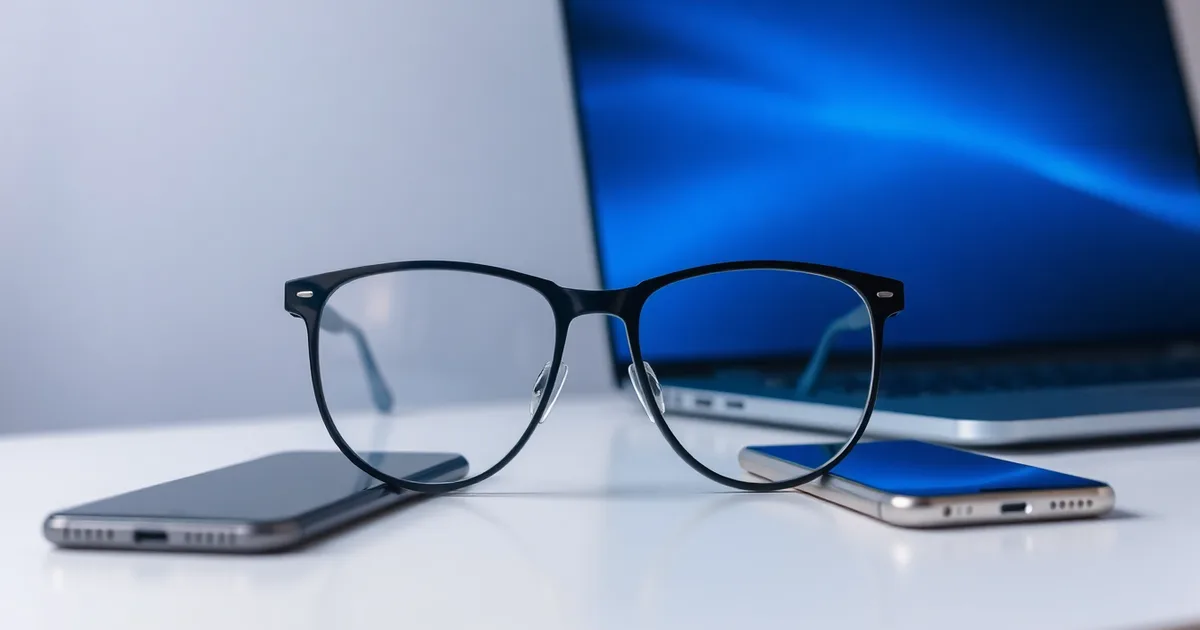
Blue light blocking glasses are eyewear designed with special filters or coatings that selectively reduce transmission of blue light wavelengths. The lenses typically contain materials like melanin, amber-tinted polymers, or specialized optical coatings that absorb or reflect blue light before it reaches the retina.
Blue light exists naturally in sunlight and artificially in LED screens, fluorescent lighting, and digital devices. The concern centers on high-energy visible (HEV) blue light, particularly wavelengths between 415-455 nanometers, which penetrate deep into the eye and may contribute to various health issues.
- Absorption-based filters: Use materials that absorb blue light wavelengths
- Reflective coatings: Bounce blue light away from the lens surface
- Selective filtering: Target specific wavelength ranges while preserving color perception
- Variable tinting: Range from clear to amber-colored lenses with different filtering percentages
What Does Current Scientific Research Say About Blue Light Blocking Glasses?
Research on blue light blocking glasses has produced mixed results, with studies showing both benefits and limitations. A comprehensive 2025 systematic review published in the American Journal of Ophthalmology analyzed 23 randomized controlled trials involving over 2,100 participants.
Key research findings include:
- Modest improvements in subjective eye strain symptoms (15-25% reduction in reported discomfort)
- Limited evidence for preventing retinal damage in human studies
- Significant improvements in sleep quality when used 2-3 hours before bedtime
- No conclusive evidence for preventing age-related macular degeneration
The most robust evidence supports their use for circadian rhythm regulation. A 2024 study from Harvard Medical School found that participants using blue light blocking glasses 3 hours before sleep showed 23% faster sleep onset and 18% improved sleep quality compared to controls.
"While blue light blocking glasses may provide some benefit for sleep and subjective comfort, they are not a magic solution for all digital eye problems. The evidence suggests modest benefits in specific contexts rather than universal eye protection." - Dr. Sarah Chen, Ophthalmology Research Institute, 2026
Do Blue Light Blocking Glasses Really Reduce Digital Eye Strain?
The relationship between blue light blocking glasses and digital eye strain relief remains complex. Computer Vision Syndrome (CVS) affects 50-90% of computer users, causing symptoms like dry eyes, blurred vision, headaches, and neck pain.
Recent studies suggest that while blue light blocking glasses may provide some symptom relief, the primary causes of digital eye strain are actually:
- Reduced blink rate: Decreases from 15-20 blinks per minute to 5-7 when using screens
- Focusing fatigue: Constant accommodation stress from fixed-distance viewing
- Poor posture: Neck and shoulder tension affecting overall comfort
- Screen glare: Reflections and brightness inconsistencies
A 2025 randomized controlled trial with 340 office workers found that blue light blocking glasses reduced self-reported eye strain by 16% compared to placebo glasses. However, combining the glasses with proper ergonomics and the 20-20-20 rule (looking at something 20 feet away for 20 seconds every 20 minutes) produced 47% greater symptom improvement.
Can Blue Light Blocking Glasses Improve Sleep Quality?
The strongest scientific support for blue light blocking glasses lies in their potential to improve sleep quality. Blue light exposure, particularly in the evening, suppresses melatonin production and disrupts natural circadian rhythms.
Sleep-related benefits supported by research:
- Increased melatonin production when used 2-3 hours before bedtime
- Faster sleep onset (average 14-23 minutes sooner)
- Improved sleep efficiency and REM sleep quality
- Reduced daytime fatigue and improved alertness
A comprehensive 2024 meta-analysis examining 15 sleep studies found that blue light blocking glasses worn for 2+ hours before bedtime consistently improved sleep metrics. The effect was most pronounced in individuals with existing sleep difficulties or high evening screen exposure.
However, timing matters significantly. Using blue light blocking glasses throughout the day may disrupt natural circadian cues and potentially cause daytime drowsiness. The optimal approach involves strategic evening use rather than continuous wear.
Are There Any Side Effects or Risks of Blue Light Blocking Glasses?
While generally considered safe, blue light blocking glasses can have some drawbacks and limitations that users should understand before making a purchase decision.
Potential side effects include:
- Color distortion: Amber-tinted lenses can alter color perception, affecting design work or color-critical tasks
- Reduced alertness: Excessive daytime blue light filtering may decrease natural alertness signals
- Headaches: Some users report initial adjustment headaches with heavily tinted lenses
- Over-reliance: May discourage adoption of better digital hygiene practices
Additionally, blue light blocking glasses should not replace comprehensive eye care. Regular eye exams remain essential for detecting serious conditions like glaucoma, diabetic retinopathy, or macular degeneration that require professional treatment.
People working in color-sensitive professions like graphic design, photography, or medical imaging should use clear or minimally tinted blue light filters to maintain color accuracy while optimizing their remote work productivity setup.
What Features Should You Look for When Choosing Blue Light Blocking Glasses?
The blue light blocking glasses market has exploded, with hundreds of options ranging from $15 to $200+. Understanding key features helps identify effective products and avoid ineffective marketing claims.
| Feature | What to Look For | Why It Matters |
|---|---|---|
| Blue Light Filtering Percentage | 20-50% for daytime use, 90%+ for evening use | Higher percentages better for sleep, lower for general computer use |
| Wavelength Range | Targets 400-490nm spectrum | Most harmful blue light falls in this range |
| Lens Quality | Anti-reflective coating, UV protection | Reduces glare and provides comprehensive eye protection |
| Frame Comfort | Lightweight, adjustable nose pads, proper fit | Essential for extended wear without discomfort |
| Certification | Independent lab testing results | Verifies actual filtering performance vs. marketing claims |
Additional considerations:
- Prescription compatibility for existing glasses wearers
- Durability and scratch resistance for daily use
- Return policy for testing comfort and effectiveness
- Brand reputation and customer service quality
How Do Blue Light Blocking Glasses Compare to Other Digital Eye Protection Methods?
Blue light blocking glasses represent just one approach to managing digital eye strain and protecting eye health. A comprehensive comparison reveals various strategies with different effectiveness levels and practical considerations.
Alternative protection methods include:
- Software solutions: Blue light filters like f.lux, Night Shift, or Windows Blue Light settings
- Screen protectors: Physical filters applied directly to device screens
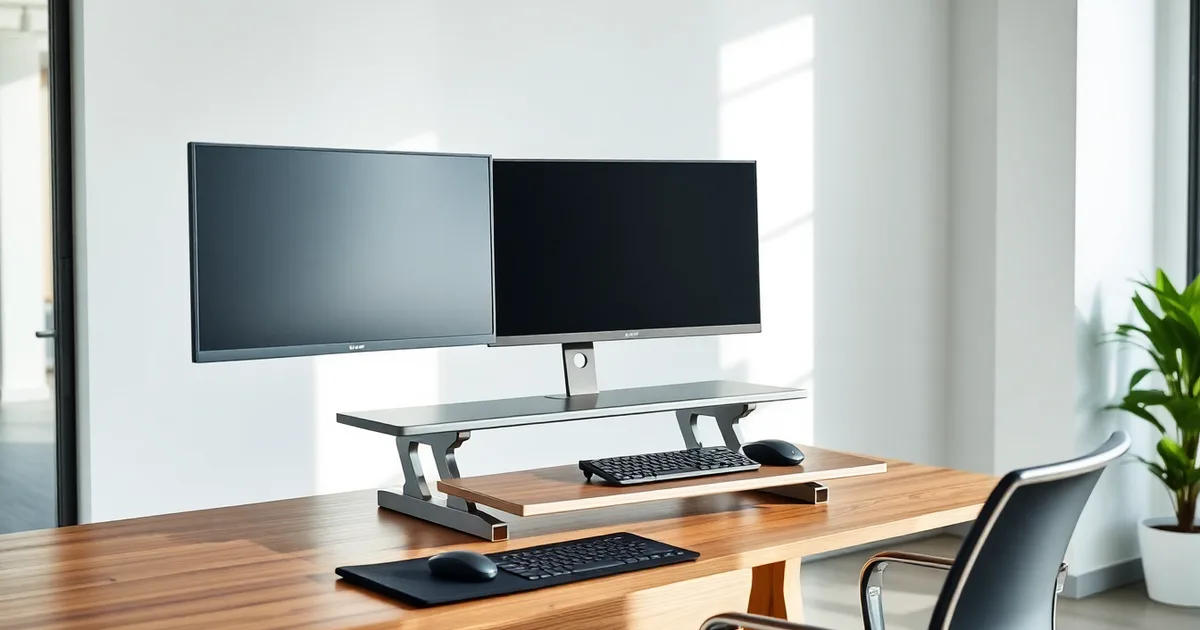
- Environmental modifications: Proper lighting, screen positioning, and workspace ergonomics
- Behavioral changes: Regular breaks, blinking exercises, and limiting evening screen time
Research suggests that combining multiple approaches provides superior results compared to relying solely on blue light blocking glasses. The 20-20-20 rule, proper workspace lighting, and ergonomic adjustments address root causes of digital eye strain more effectively than optical filtering alone.
For professionals spending extensive time on computers, integrating blue light glasses with productivity-enhancing software tools creates a comprehensive approach to digital wellness and work efficiency.
What Do Eye Care Professionals Recommend in 2026?
The American Optometric Association and American Academy of Ophthalmology have updated their positions on blue light blocking glasses based on accumulating research through 2025-2026.
Current professional recommendations:
- Moderate expectations: Blue light glasses may help some people but aren't universally necessary
- Focus on digital hygiene: Proper break schedules and ergonomics remain primary recommendations
- Strategic evening use: Consider blue light filtering 2-3 hours before bedtime for sleep benefits
- Individual assessment: Work with eye care professionals to determine personal needs
Dr. Michael Rodriguez, President of the International Association of Digital Eye Strain Research, notes: "We've moved beyond the polarized debate of 2020-2022. Blue light glasses can be a useful tool in a comprehensive digital wellness strategy, but they're not a standalone solution for everyone."
Many optometrists now recommend a graduated approach: start with behavioral modifications and environmental adjustments, then consider blue light glasses if symptoms persist or for specific sleep-related concerns.
Practical Tips for Maximizing Blue Light Blocking Glasses Effectiveness
To optimize the potential benefits of blue light blocking glasses, follow these evidence-based implementation strategies:
- Timing matters: Use clear or lightly tinted glasses during work hours, amber-tinted for evening screen time
- Combine with breaks: Follow the 20-20-20 rule regardless of wearing blue light glasses
- Optimize your workspace: Position screens 20-26 inches away at slightly below eye level
- Adjust device settings: Use built-in blue light filters in addition to glasses for maximum effect
- Monitor sleep patterns: Track sleep quality changes when using evening blue light filtering
- Maintain proper lighting: Avoid using screens in completely dark rooms
- Keep lenses clean: Dirty lenses reduce effectiveness and may cause additional eye strain
- Consider prescription options: Integrate blue light filtering into regular prescription glasses for convenience
For individuals working in technology fields or spending significant time creating AI-generated video content, maintaining consistent digital eye care practices becomes particularly important given the extended screen exposure requirements.
What's the Future Outlook for Blue Light Protection Technology?
The blue light protection industry continues evolving with new technologies and improved understanding of digital eye health. Emerging developments in 2026 include:
Technological advances:
- Smart adaptive lenses: Automatically adjust filtering based on ambient light and time of day
- Targeted wavelength filtering: More precise filtering of harmful wavelengths while preserving beneficial blue light
- Integration with wearables: Coordination with fitness trackers and sleep monitors for personalized filtering
- AI-powered optimization: Machine learning algorithms to customize filtering based on individual usage patterns
Research continues investigating the long-term effects of chronic blue light exposure, with several large-scale longitudinal studies expected to report findings in 2027-2028. These studies may provide clearer guidance on optimal protection strategies and identify population groups that benefit most from blue light filtering.
As artificial intelligence tools become more integrated into daily work, including AI prompt engineering tasks that require extended screen focus, the importance of comprehensive digital eye protection strategies will likely continue growing.
Conclusion: Making an Informed Decision About Blue Light Blocking Glasses
Blue light blocking glasses offer modest but meaningful benefits for specific use cases, particularly for improving sleep quality when used strategically in the evening and providing some relief from digital eye strain symptoms. However, they are not a universal solution for all computer-related eye problems, and their effectiveness varies significantly among individuals.
The scientific evidence supports a measured approach: blue light glasses can be a useful component of comprehensive digital wellness practices, but they work best when combined with proper ergonomics, regular breaks, and good digital hygiene habits. For sleep improvement, the evidence is strongest when glasses are used 2-3 hours before bedtime rather than throughout the day.
Before purchasing blue light blocking glasses, consider your specific needs, work environment, and existing eye health. Consult with an eye care professional if you experience persistent eye strain, vision changes, or sleep difficulties. Remember that no single product can replace the importance of regular eye exams, proper workspace setup, and healthy digital device usage habits in maintaining long-term eye health and visual comfort in our increasingly digital world.