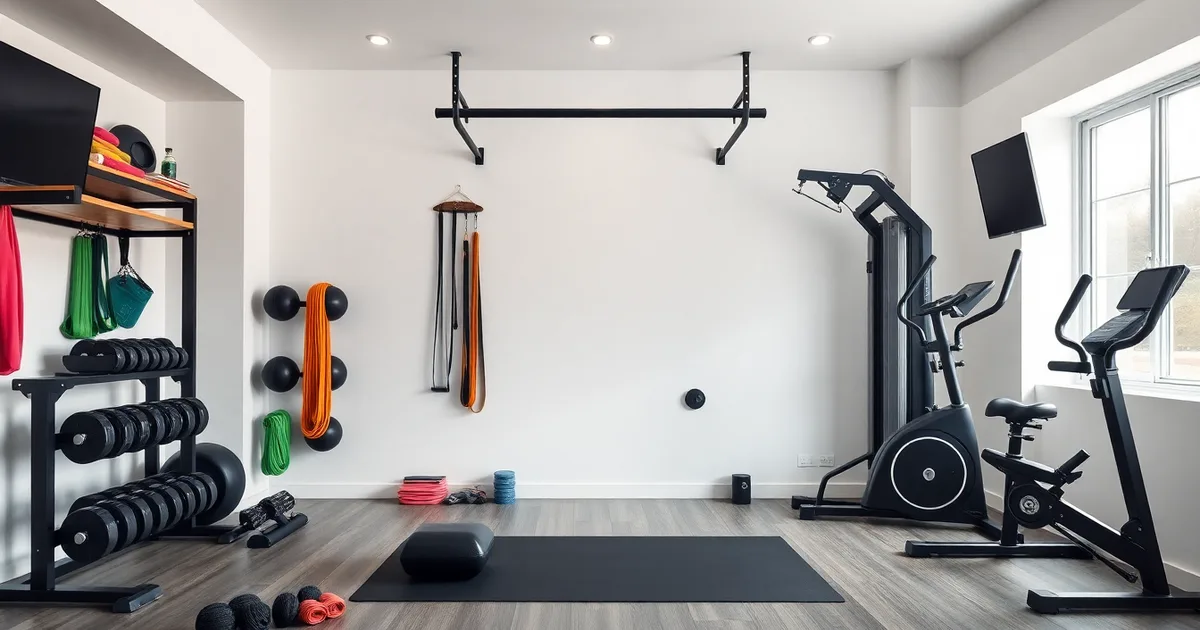
Home gym equipment has evolved significantly in 2026, offering solutions for every budget, space constraint, and fitness goal. Whether you're working with a cramped apartment corner or a dedicated room, this comprehensive guide covers essential equipment from budget-friendly starter sets under $100 to premium systems exceeding $5,000, helping you create an effective workout space that maximizes results while fitting your lifestyle and financial constraints.
What Are the Essential Categories of Home Gym Equipment?
Understanding the fundamental categories of home gym equipment helps prioritize purchases and create balanced workout routines. The equipment landscape divides into five primary categories, each serving specific fitness objectives.
- Cardiovascular equipment: Treadmills, stationary bikes, ellipticals, and rowing machines
- Strength training tools: Dumbbells, barbells, resistance bands, and weight plates
- Bodyweight support systems: Pull-up bars, suspension trainers, and stability equipment
- Functional training gear: Kettlebells, medicine balls, and agility tools
- Recovery and flexibility equipment: Foam rollers, yoga mats, and massage tools
Each category addresses different aspects of fitness, from cardiovascular health to muscular strength and flexibility. A well-rounded home gym typically incorporates elements from multiple categories rather than focusing exclusively on one area.
How to Choose Home Gym Equipment for Small Spaces?
Space constraints present unique challenges when selecting home gym equipment, but innovative solutions make effective workouts possible in areas as small as 6x6 feet. The key lies in prioritizing versatility and storage efficiency.
Compact Equipment Essentials
Adjustable dumbbells represent the ultimate space-saving strength solution, replacing entire dumbbell sets with single compact units. Modern versions like PowerBlocks or Bowflex SelectTech systems provide weight ranges from 5 to 90 pounds per dumbbell while occupying minimal floor space.
Resistance bands offer incredible versatility in packages smaller than a shoebox. Premium band sets provide resistance equivalent to hundreds of pounds of traditional weights, enabling full-body strength training with zero permanent space requirements.
- Wall-mounted pull-up bars that fold flat when not in use
- Suspension trainers that anchor to doors or ceiling mounts
- Foldable workout benches with storage compartments
- Stackable foam blocks and yoga props
- Digital mirrors that transform walls into interactive fitness studios
Multi-Functional Solutions
Equipment serving multiple purposes maximizes workout variety while minimizing storage needs. Adjustable workout benches function for strength training, step exercises, and stretching routines. Similarly, stability balls support core work, balance training, and can substitute for traditional weight benches.
What Home Gym Equipment Works Best for Different Budgets?
Budget considerations significantly influence equipment selection, but effective home gyms exist across all price ranges. Understanding cost-to-value ratios helps maximize fitness investments regardless of budget constraints.
Budget Range: Under $200
Entry-level home gym equipment focuses on bodyweight enhancement and basic resistance training. This budget enables comprehensive workout capabilities when equipment selection emphasizes versatility over specialization.
- Resistance band set ($30-50): Complete strength training system
- Yoga mat ($20-40): Foundation for floor exercises and stretching
- Adjustable dumbbells ($80-120): Basic weight training capability
- Pull-up bar ($25-45): Upper body strength development
- Jump rope ($15-25): Cardiovascular conditioning
Mid-Range Budget: $200-$1,000
Mid-range budgets accommodate higher-quality versions of essential equipment plus specialized tools for targeted training. This range typically provides equipment lasting 5-10 years with regular use.
Premium adjustable dumbbells ($300-500) offer smoother weight changes and extended weight ranges. Multi-station gyms ($400-800) provide comprehensive strength training in single units, though they require dedicated space.
Premium Budget: $1,000+
Premium budgets enable commercial-grade equipment and comprehensive home fitness ecosystems. Investments at this level often include smart technology integration and professional-quality construction.
"Premium home gym investments typically provide 15-20 years of reliable service while offering features matching commercial fitness facilities."
Which Cardiovascular Equipment Offers the Best Value?
Cardiovascular equipment represents significant investments in most home gyms, making value assessment crucial for budget optimization. Equipment selection should balance effectiveness, durability, and space requirements.
Treadmill Considerations
Treadmills remain the most popular cardiovascular equipment choice, offering familiar walking and running experiences regardless of weather conditions. Quality treadmills range from $500 for basic models to $4,000+ for commercial-grade units with advanced features.
Key factors affecting treadmill value include motor power (minimum 2.5 HP continuous duty), belt size (minimum 55" length), and incline capabilities. Folding treadmills address space constraints while maintaining performance standards.
Alternative Cardio Solutions
Rowing machines provide full-body cardiovascular workouts while requiring less space than treadmills when stored vertically. Quality rowing machines start around $300 and offer low-impact alternatives suitable for joint-sensitive individuals.
Stationary bikes accommodate users with mobility limitations while providing intense cardiovascular training. Modern smart bikes integrate with fitness apps and virtual training programs, enhancing workout variety and motivation.
How to Build Effective Strength Training Setups at Home?
Strength training forms the foundation of most fitness routines, making equipment selection critical for achieving muscle-building and toning objectives. Effective setups accommodate progressive overload principles while fitting available space and budgets.
Free Weight Systems
Adjustable dumbbell systems provide the most versatile strength training foundation for home gyms. Quality systems like Bowflex SelectTech or PowerBlock models enable quick weight changes supporting circuit training and progressive overload protocols.
Olympic barbell sets accommodate serious strength training but require dedicated space and safety considerations. Home installations typically need 8x8 feet minimum space plus appropriate flooring protection.
- Standard weight plates: Cast iron offers durability at lower costs
- Bumper plates: Rubber coating protects floors and reduces noise
- Fractional plates: Enable precise progressive overload increments
- Safety equipment: Power racks or squat stands ensure safe heavy lifting
Machine-Based Alternatives
Cable machines provide smooth resistance curves and accommodate users uncomfortable with free weights. Home cable systems range from simple pulley setups ($200) to comprehensive multi-stations ($1,500+).
Just as remote work productivity tools have evolved to support home-based professionals, strength training equipment continues advancing to meet home fitness demands through improved design and functionality.
What Are the Best Multi-Purpose Home Gym Equipment Options?
Multi-purpose equipment maximizes workout variety while minimizing space and budget requirements. These versatile tools often provide better long-term value than specialized single-function alternatives.
Suspension Training Systems
TRX and similar suspension trainers enable hundreds of exercises using bodyweight resistance. These systems anchor to doors, ceiling mounts, or outdoor structures, providing complete portability for travel or outdoor workouts.
Suspension training accommodates all fitness levels through angle adjustments and exercise modifications. Users can perform strength training, cardiovascular conditioning, flexibility work, and balance training using single suspension systems.
Functional Training Tools
Kettlebells combine strength and cardiovascular training through dynamic movement patterns. Quality kettlebells provide decades of service, making them excellent long-term investments despite higher initial costs per pound compared to traditional weights.
| Equipment Type | Exercise Variety | Space Required | Price Range | Skill Level |
|---|---|---|---|---|
| Suspension Trainer | 300+ exercises | 6x6 feet | $150-300 | Beginner to Advanced |
| Kettlebell Set | 100+ exercises | 8x8 feet | $200-500 | Intermediate to Advanced |
| Adjustable Bench | 50+ exercises | 6x3 feet | $200-800 | Beginner to Advanced |
| Cable Machine | 200+ exercises | 8x6 feet | $400-1500 | Beginner to Advanced |
How to Set Up Home Gym Equipment for Maximum Safety?
Safety considerations become paramount when exercising without professional supervision or spotters. Proper equipment setup and safety protocols prevent injuries while enabling confident progression toward fitness goals.
Flooring and Space Preparation
Appropriate flooring protects both equipment and underlying surfaces while providing stable exercise platforms. Rubber flooring offers excellent shock absorption and durability, while interlocking foam tiles provide budget-friendly alternatives for lighter equipment.
Ceiling height requirements vary by equipment type, with pull-up bars and overhead exercises needing minimum 8-foot clearances. Ventilation systems become crucial in enclosed spaces, preventing moisture buildup and maintaining air quality during intense workouts.
Equipment Maintenance Protocols
Regular maintenance extends equipment life while ensuring safe operation. Weight equipment requires periodic inspection for loose bolts, worn cables, or damaged plates. Cardiovascular machines need regular cleaning and lubrication according to manufacturer specifications.
- Monthly safety inspections of all moving parts and connections
- Immediate replacement of worn cables, bands, or safety components
- Proper storage procedures preventing equipment degradation
- Emergency planning including first aid supplies and communication access
What Technology Integration Options Enhance Home Workouts?
Modern home gym equipment increasingly incorporates smart technology, transforming traditional exercise into interactive, data-driven experiences. These integrations often justify premium pricing through enhanced motivation and program variety.
Smart Equipment Features
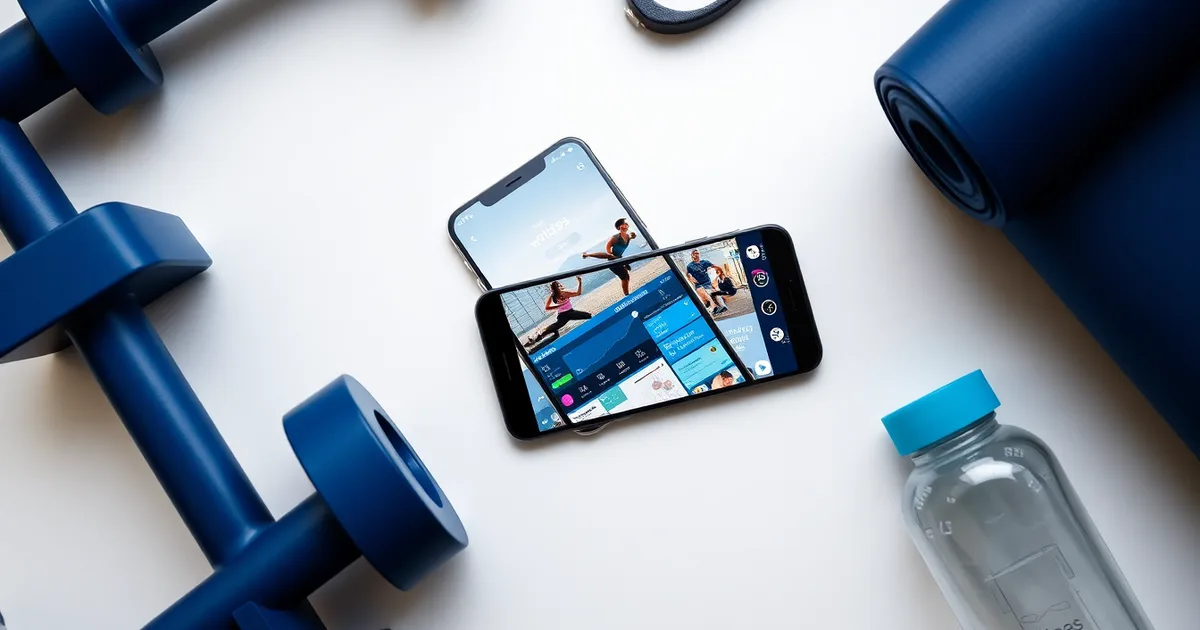
Connected fitness equipment tracks performance metrics, provides real-time feedback, and integrates with broader health ecosystems. Smart treadmills, bikes, and strength equipment often include subscription services providing professional instruction and virtual training partners.
Similar to how AI video generators revolutionize content creation, artificial intelligence now powers personalized workout recommendations and form correction in advanced home fitness systems.
Virtual Training Platforms
Fitness mirrors and wall-mounted displays transform any space into interactive studios. These systems typically require monthly subscriptions but provide access to thousands of classes and professional instruction across multiple fitness disciplines.
Wearable technology integration enables seamless tracking of heart rate, calories burned, and workout intensity. Most modern equipment connects with popular fitness apps and health platforms, creating comprehensive wellness tracking ecosystems.
How to Maximize Results with Limited Home Gym Equipment?
Equipment limitations need not restrict workout effectiveness when proper programming and creativity guide exercise selection. Understanding movement patterns and muscle targeting enables comprehensive training with minimal equipment.
Progressive Overload Strategies
Progressive overload drives fitness improvements regardless of equipment sophistication. With limited weights, progression occurs through increased repetitions, extended time under tension, decreased rest periods, or enhanced range of motion.
Compound movements maximize muscle recruitment and training efficiency. Exercises like burpees, mountain climbers, and bodyweight squats provide intense workouts using zero equipment while targeting multiple muscle groups simultaneously.
Workout Programming Principles
Effective programming balances training stress with recovery while maintaining long-term progression. Periodization concepts apply to home training through varied intensity, volume, and exercise selection across weekly and monthly cycles.
"Consistency with basic equipment produces better results than sporadic use of sophisticated systems."
Practical Tips for Optimizing Your Home Gym Setup
Successful home gym implementation extends beyond equipment selection to encompass environmental factors, organizational systems, and motivation strategies. These practical considerations often determine long-term adherence and success.
- Designate dedicated workout space: Even small corners benefit from clear boundaries separating exercise from daily activities
- Implement storage solutions: Organized equipment encourages consistent use while preventing damage from improper storage
- Establish routine protocols: Consistent workout times and preparation rituals build sustainable exercise habits
- Create motivation systems: Visual progress tracking, music playlists, and reward systems maintain long-term engagement
- Plan for progression: Budget for equipment upgrades and space expansion as fitness levels improve
- Consider lighting and ventilation: Proper environmental conditions significantly impact workout quality and safety
- Develop backup plans: Alternative exercises for equipment failures or space limitations prevent routine disruption
- Join online communities: Virtual support groups provide motivation and exercise ideas for home gym users
What Common Mistakes Should You Avoid When Building a Home Gym?
Home gym planning involves numerous decisions where common mistakes can waste money, compromise safety, or limit long-term success. Understanding these pitfalls helps avoid costly errors while optimizing initial investments.
Equipment Selection Errors
Overbuying specialized equipment represents a frequent mistake among home gym beginners. Single-purpose machines quickly lose appeal while consuming valuable space and budget resources better allocated to versatile alternatives.
Ignoring space measurements leads to equipment that cannot fit through doorways or function properly in designated areas. Always measure spaces, doorways, and ceiling heights before purchasing large equipment pieces.
Budget and Planning Mistakes
Underestimating total costs beyond basic equipment prices catches many buyers unprepared. Additional expenses include flooring, storage solutions, safety equipment, and ongoing maintenance costs.
Just as proper planning prevents issues with crypto tax software selection, thorough home gym planning prevents costly mistakes and ensures optimal equipment choices for individual needs and constraints.
- Buying equipment before establishing consistent exercise habits
- Focusing solely on initial costs while ignoring long-term value
- Neglecting safety equipment like proper flooring or spotting systems
- Purchasing equipment requiring skills or knowledge not yet developed
- Failing to plan for equipment maintenance and replacement needs
Future-Proofing Your Home Gym Investment
Smart home gym equipment planning considers future needs, technology evolution, and changing fitness goals. Future-proofing strategies protect investments while ensuring continued relevance and effectiveness.
Modular System Approaches
Modular equipment systems enable gradual expansion without replacing existing components. Starting with basic adjustable dumbbells and adding plates, benches, or accessories over time provides budget flexibility while building comprehensive capabilities.
Technology upgrade paths become increasingly important as smart fitness features evolve rapidly. Equipment with updateable software or expandable connectivity options maintains relevance longer than fixed-feature alternatives.
Adaptability Planning
Life circumstances change, affecting available space, time, and fitness priorities. Equipment selections favoring adaptability over specialization better accommodate evolving needs while maintaining utility across different life phases.
Consider how equipment might serve multiple family members with varying fitness levels and interests. Adjustable and versatile equipment accommodates diverse users while maximizing household value and utilization rates.
Quality considerations become paramount for long-term investments, as premium equipment often provides decades of reliable service. Balancing initial costs against expected lifespan helps identify true value leaders among equipment options.
Environmental factors like temperature fluctuations, humidity, and space sharing affect equipment longevity and performance. Planning for these factors during initial setup prevents future complications and ensures optimal equipment function throughout its service life.
Creating an effective home gym with the right home gym equipment requires balancing budget constraints, space limitations, and fitness objectives through careful planning and strategic equipment selection. Whether starting with a basic resistance band setup under $100 or investing in comprehensive smart fitness ecosystems, success depends more on consistency and proper programming than equipment sophistication. The key lies in choosing versatile, quality equipment that grows with your fitness journey while providing safe, effective workouts that maintain long-term motivation and deliver measurable results toward your health and fitness goals.