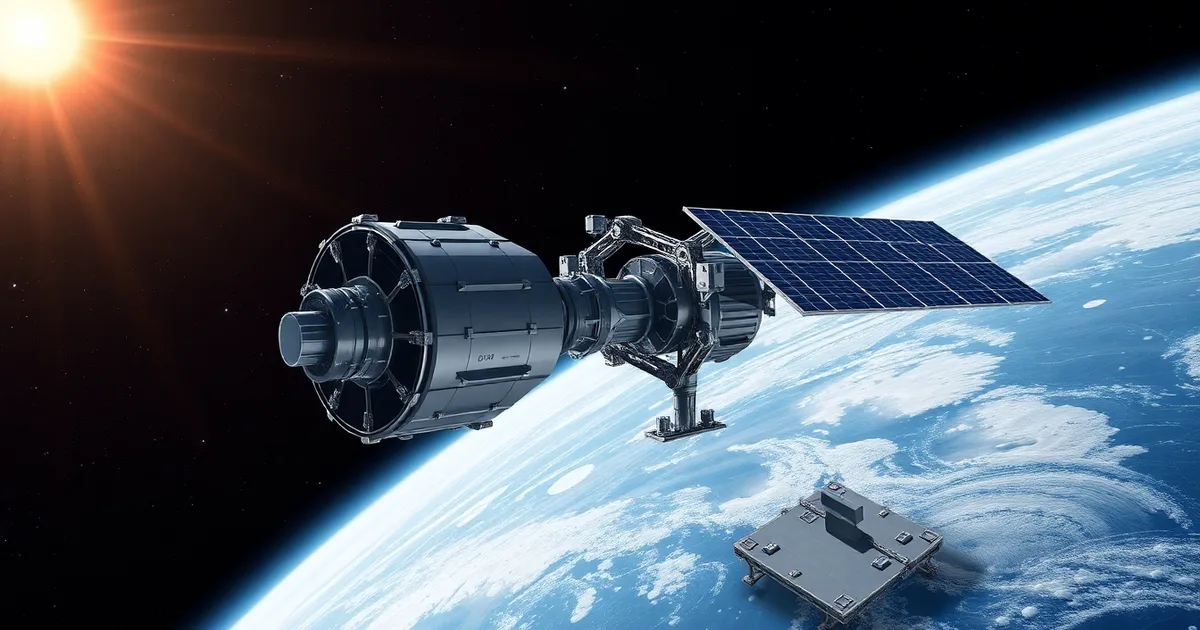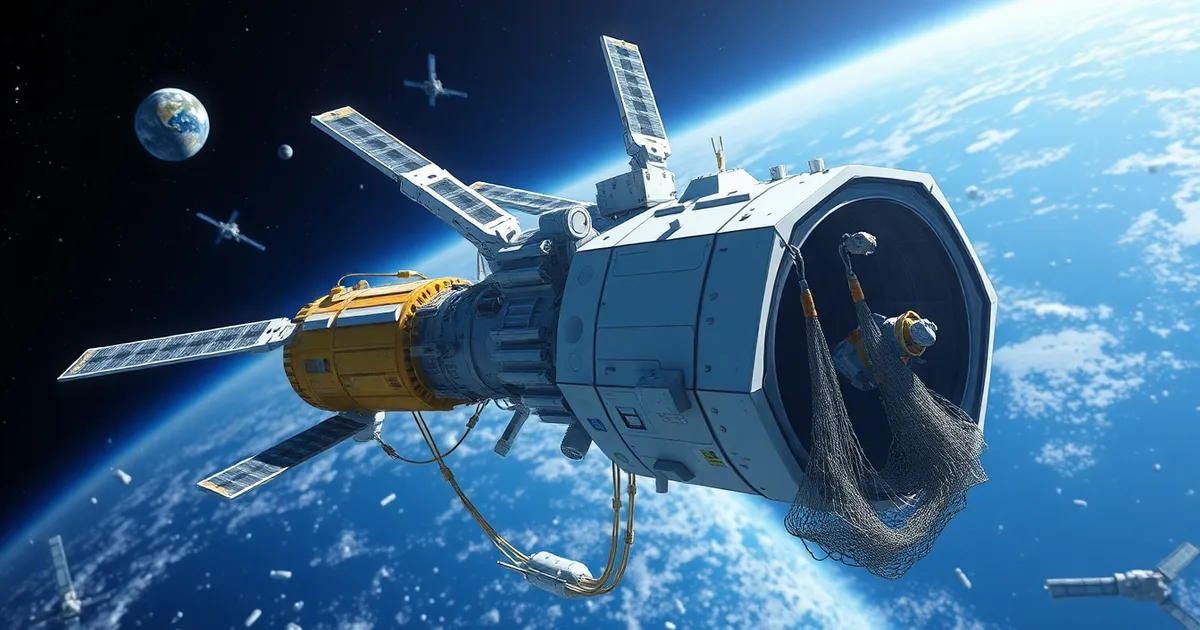
Asteroid mining commercial operations represent one of the most ambitious and potentially lucrative frontiers in space exploration and resource extraction. This comprehensive guide explores the cutting-edge technologies, economic prospects, regulatory frameworks, and commercial viability of mining asteroids for precious metals, rare earth elements, and water resources. As we advance through 2026, several companies are moving from theoretical concepts to practical demonstrations, with the global asteroid mining market projected to reach $3.8 billion by 2030. Understanding these operations involves examining extraction technologies, space logistics, processing methods, and the economic models that could transform both space exploration and terrestrial resource markets.
What Are Commercial Asteroid Mining Operations?
Commercial asteroid mining operations are business ventures focused on extracting valuable materials from asteroids in space for profit. These operations involve identifying target asteroids, deploying spacecraft equipped with mining equipment, extracting resources, and either processing materials in space or returning them to Earth.
The concept encompasses three primary types of asteroid targets:
- C-type asteroids: Carbon-rich objects containing water, organic compounds, and clay minerals
- S-type asteroids: Silicate-rich asteroids with significant metal content including iron, nickel, and cobalt
- M-type asteroids: Metal-rich asteroids primarily composed of iron, nickel, and precious metals like platinum
Current commercial asteroid mining operations focus on Near-Earth Asteroids (NEAs), which are more accessible than main-belt asteroids. Over 30,000 NEAs have been identified, with approximately 1,500 classified as potentially viable mining targets based on accessibility and resource composition.
How Do Asteroid Mining Technologies Work?
Modern asteroid mining technologies employ sophisticated robotics, autonomous systems, and specialized extraction equipment designed to operate in the harsh environment of space. The technological framework consists of four primary components: prospecting, extraction, processing, and transportation.
Prospecting technologies utilize advanced spectrometry, ground-penetrating radar, and sample analysis systems to identify valuable deposits. Companies like Planetary Resources and Deep Space Industries have developed CubeSat-based prospecting missions that can analyze asteroid composition remotely.
Key extraction methods include:
- Drilling and blasting: Traditional mining techniques adapted for zero-gravity environments
- Magnetic separation: Using powerful electromagnets to separate metallic materials
- Thermal extraction: Heating asteroid material to vaporize and collect volatile compounds
- Robotic excavation: Autonomous mining robots capable of surface and subsurface extraction
Processing technologies focus on in-situ resource utilization (ISRU), enabling material refinement in space to reduce transportation costs. Advanced 3D printing and automated manufacturing systems can produce components and tools directly from extracted materials.
What Are the Economic Prospects for Asteroid Mining?
The economic prospects for asteroid mining commercial operations are substantial, driven by the scarcity of critical materials on Earth and the enormous resource potential of asteroids. A single metallic asteroid 500 meters in diameter could contain more platinum than has ever been mined on Earth.
Market value projections for asteroid mining indicate significant growth potential:
- Global asteroid mining market: $3.8 billion by 2030
- Platinum group metals market: $10.9 billion annually
- Rare earth elements market: $9.6 billion annually
- Space-based water market: Projected $180 billion by 2040
The economic model for asteroid mining commercial operations relies on several revenue streams. Primary income sources include selling extracted materials to Earth markets, providing resources for space-based manufacturing, and supplying fuel and consumables for commercial space tourism operations.
Cost-benefit analysis shows that while initial investment requirements are substantial (typically $2-5 billion for comprehensive operations), potential returns are enormous. A successful mission targeting a platinum-rich asteroid could generate revenues exceeding $50 billion.
Which Companies Lead Commercial Asteroid Mining Operations?
Several pioneering companies are driving the development of asteroid mining commercial operations, each focusing on different aspects of the value chain. These industry leaders combine advanced technology development with strategic partnerships and significant funding.
Planetary Resources leads in prospecting technology and has launched multiple demonstration missions. Their approach focuses on water extraction from C-type asteroids, targeting the growing demand for space-based fuel production.
Deep Space Industries specializes in small-scale mining operations using swarms of small spacecraft. Their Prospector-1 mission successfully demonstrated asteroid approach and sampling technologies in 2025.
Key players and their focus areas include:
| Company | Primary Focus | Target Resources | Mission Status |
|---|---|---|---|
| Planetary Resources | Water extraction | H2O, rare metals | Active operations |
| Deep Space Industries | Small-scale mining | Platinum group metals | Demonstration phase |
| Bradford Space | Processing technology | Various minerals | Technology development |
| ispace | Lunar and asteroid missions | Water, rare earths | Mission planning |
Government agencies also play crucial roles, with NASA's OSIRIS-REx mission providing valuable data for commercial operations, while the European Space Agency develops complementary technologies for Mars colonization infrastructure.
How Are Asteroid Mining Operations Regulated?
The regulatory landscape for asteroid mining commercial operations involves complex international space law, national legislation, and emerging commercial frameworks. Current regulations balance encouraging commercial development with ensuring responsible space resource utilization.
International frameworks begin with the 1967 Outer Space Treaty, which establishes that no nation can claim sovereignty over celestial bodies. However, the treaty doesn't explicitly prohibit resource extraction, creating opportunities for commercial operations under national licensing systems.
Key regulatory developments include:
- U.S. Commercial Space Launch Competitiveness Act (2015): Grants American companies rights to extracted space resources
- Luxembourg Space Resources Law (2017): Provides legal framework for European asteroid mining operations
- UAE Space Law (2019): Establishes regulatory framework for space resource extraction
- Japan Space Resources Law (2021): Creates licensing system for Japanese asteroid mining companies
Regulatory compliance requires asteroid mining commercial operations to obtain appropriate licenses, demonstrate technical capabilities, provide environmental impact assessments, and maintain operational transparency. Companies must also address orbital debris mitigation and planetary protection protocols.
What Challenges Face Commercial Asteroid Mining Operations?
Despite promising prospects, asteroid mining commercial operations face significant technical, economic, and logistical challenges that companies must overcome to achieve commercial viability. Understanding these obstacles is crucial for realistic market assessment and strategic planning.
Technical challenges include developing reliable autonomous systems capable of operating millions of miles from Earth, creating efficient extraction equipment for zero-gravity environments, and establishing robust communication systems with minimal latency.
Major operational challenges include:
- Distance and accessibility: Even near-Earth asteroids require months or years of travel time
- Equipment reliability: Mining systems must operate without maintenance for extended periods
- Power generation: Sustained operations require substantial energy sources far from the Sun
- Material transportation: High costs of returning extracted materials to Earth markets
Economic barriers include enormous upfront capital requirements, uncertain market demand for space-extracted materials, and potential price volatility that could affect return on investment. Insurance and financing mechanisms for asteroid mining commercial operations remain underdeveloped.
Similar to challenges faced in developing satellite internet constellation networks, asteroid mining operations require substantial coordination and risk management across multiple technical domains.
What Role Does Artificial Intelligence Play in Asteroid Mining?
Artificial intelligence serves as the backbone of modern asteroid mining commercial operations, enabling autonomous decision-making, predictive maintenance, and optimized resource extraction in environments where real-time human control is impossible due to communication delays.
AI applications in asteroid mining include:
- Autonomous navigation: Machine learning algorithms guide spacecraft to target asteroids with minimal ground control
- Resource identification: Computer vision systems analyze geological data to locate optimal mining sites
- Equipment optimization: AI systems monitor and adjust mining equipment performance in real-time
- Predictive maintenance: Machine learning models predict equipment failures before they occur
Advanced AI systems process vast amounts of sensor data to make split-second decisions about drilling locations, extraction methods, and safety protocols. These systems must operate reliably for months or years without human intervention, making robust AI architecture essential for mission success.
The integration of AI with blockchain supply chain transparency systems enables real-time tracking of extracted materials and automated compliance with regulatory requirements.
How Do Space Logistics Support Asteroid Mining Operations?
Space logistics form the critical infrastructure enabling asteroid mining commercial operations, encompassing transportation systems, orbital facilities, and supply chain management that connects Earth-based operations with asteroid mining sites.
Transportation infrastructure requires specialized spacecraft designed for long-duration missions, heavy payload capacity, and autonomous operations. Current development focuses on reusable launch vehicles, ion propulsion systems, and modular spacecraft designs that reduce mission costs.
Essential logistics components include:
- Launch systems: Heavy-lift rockets capable of deploying mining equipment to deep space
- Orbital depots: Staging areas for equipment assembly and fuel storage
- Communication networks: Deep space communication systems enabling remote operation control
- Return vehicles: Specialized craft designed to transport extracted materials to Earth orbit
Supply chain optimization utilizes advanced planning algorithms to coordinate multiple missions, minimize transportation costs, and ensure continuous operations. Companies develop modular systems that can be assembled in space, reducing launch weight requirements and improving operational flexibility.
What Are the Environmental Implications of Asteroid Mining?
Environmental considerations for asteroid mining commercial operations encompass both potential benefits for Earth's environment and responsibilities for space environmental protection. These operations could significantly reduce terrestrial mining impacts while requiring careful management of space debris and orbital environments.
Terrestrial environmental benefits include reducing pressure on Earth's mineral resources, decreasing environmental degradation from traditional mining, and providing alternative sources for critical materials without ecosystem disruption.
Space environmental responsibilities include:
- Orbital debris mitigation: Ensuring mining operations don't create hazardous space debris
- Planetary protection: Preventing contamination of potentially habitable environments
- Asteroid preservation: Maintaining samples of pristine asteroids for scientific study
- Sustainable extraction: Developing methods that minimize waste and environmental disruption
Current environmental protocols require asteroid mining commercial operations to conduct environmental impact assessments, implement debris mitigation strategies, and participate in international coordination efforts for sustainable space resource utilization.
Key Strategies for Successful Asteroid Mining Operations
Implementing successful asteroid mining commercial operations requires comprehensive strategic planning, risk management, and technological integration. Industry best practices emphasize modular approaches, strategic partnerships, and phased development timelines.
- Conduct thorough feasibility studies: Analyze target asteroid composition, accessibility, and economic viability before committing resources
- Develop modular systems: Design equipment that can be assembled, maintained, and upgraded in space to reduce launch costs
- Establish strategic partnerships: Collaborate with space agencies, technology companies, and financial institutions to share risks and resources
- Implement robust testing protocols: Conduct extensive ground and orbital testing before deploying equipment to asteroid targets
- Focus on high-value, low-mass materials: Prioritize extraction of precious metals and rare elements with favorable mass-to-value ratios
- Develop in-situ processing capabilities: Reduce transportation costs by refining materials at the mining site
- Create redundant systems: Ensure mission-critical equipment has backup systems to prevent total mission failure
- Establish clear regulatory compliance: Obtain necessary licenses and maintain transparency with regulatory authorities
- Plan for scalability: Design operations that can expand to multiple asteroids and increased production capacity
- Integrate AI and automation: Utilize advanced artificial intelligence for autonomous operations and decision-making
Commercial Asteroid Mining Technology Comparison
Different asteroid mining technologies offer distinct advantages and limitations depending on target asteroid type, resource objectives, and operational constraints. This comparison evaluates key technological approaches currently under development.
| Technology | Best for Asteroid Type | Resource Extraction Rate | Power Requirements | Development Status | Estimated Cost |
|---|---|---|---|---|---|
| Robotic drilling | M-type (metallic) | Medium | Moderate | Advanced prototype | $800M - $1.2B |
| Thermal extraction | C-type (carbonaceous) | High | High | Demonstration phase | $1.2B - $2.0B |
| Magnetic separation | S-type (silicate) | Low-Medium | Low | Technology development | $600M - $900M |
| Optical mining | All types | Low | Very high | Conceptual | $2.0B - $3.5B |
| Chemical processing | C-type (carbonaceous) | Very high | Moderate | Laboratory testing | $1.5B - $2.5B |
Technology selection depends on mission objectives, available funding, risk tolerance, and target asteroid characteristics. Most successful operations likely will combine multiple extraction methods to maximize resource recovery and operational flexibility.
Future Outlook for Commercial Asteroid Mining Operations
The future of asteroid mining commercial operations appears increasingly promising as technology advances, costs decrease, and market demand for critical materials grows. Industry projections indicate significant expansion through the 2030s, with multiple companies expected to achieve commercial-scale operations.
Near-term developments (2026-2030) focus on demonstration missions, technology validation, and establishing supply chains. Several companies plan to launch proof-of-concept missions that will validate extraction technologies and economic models.
Long-term projections suggest asteroid mining commercial operations will become integral to space exploration infrastructure, supporting lunar bases, Mars missions, and expanding human presence throughout the solar system. The industry may generate over $1 trillion annually by 2050.
Key growth drivers include increasing demand for rare earth elements, development of space-based manufacturing, and expanding space tourism markets. Integration with advanced predictive analytics systems will optimize operations and improve profitability.
Asteroid mining commercial operations represent a transformative industry poised to reshape both space exploration and terrestrial resource markets. Success requires careful integration of advanced technologies, strategic planning, regulatory compliance, and substantial investment. As companies overcome current technical and economic challenges, asteroid mining will likely become a cornerstone of the space economy, providing essential resources for Earth and supporting humanity's expansion into the solar system. The convergence of AI, robotics, and space logistics creates unprecedented opportunities for commercial success in this emerging field.