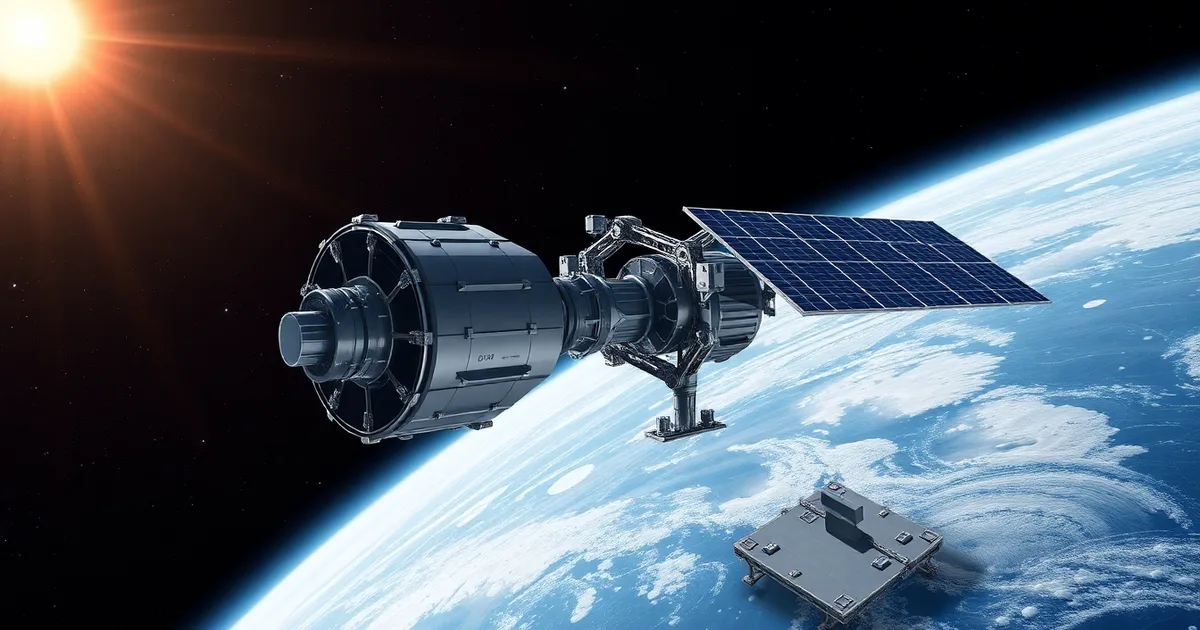
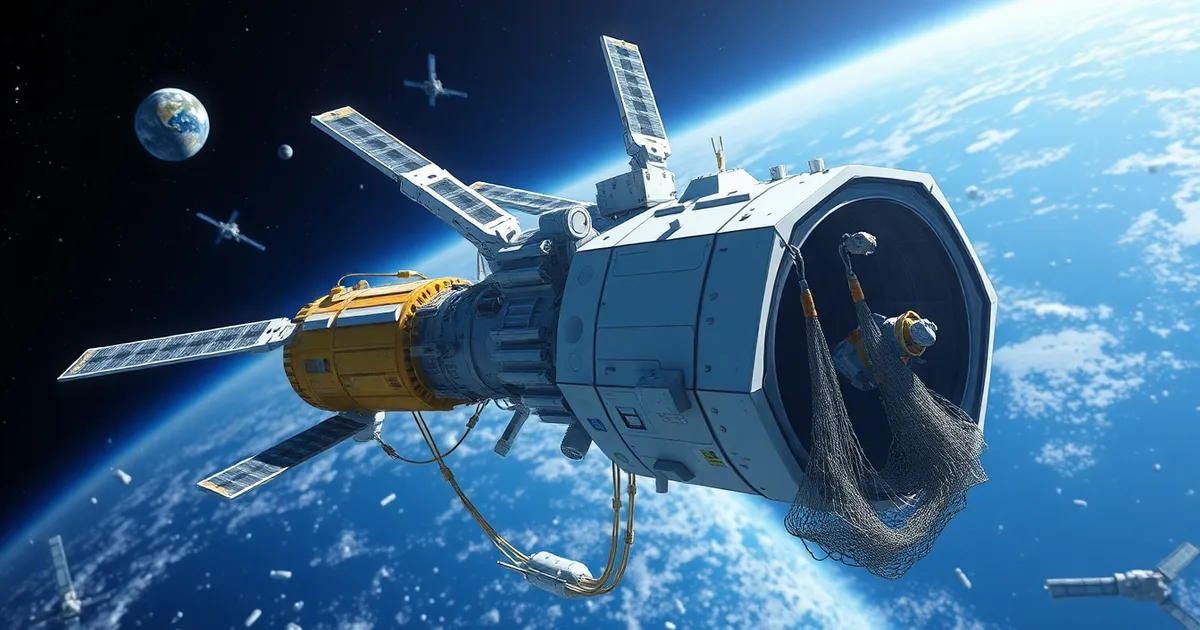
Space manufacturing zero gravity represents the cutting-edge frontier of industrial production, utilizing the unique microgravity environment of orbital facilities to create products impossible to manufacture on Earth. In 2026, orbital production facilities are revolutionizing industries from pharmaceuticals to electronics, leveraging zero-gravity conditions to produce ultra-pure crystals, advanced alloys, and biological materials with unprecedented precision. This comprehensive guide explores the advanced manufacturing processes, technologies, and economic implications of space-based production facilities that are reshaping global manufacturing paradigms.
What Is Zero-Gravity Manufacturing and Why Does It Matter?
Zero-gravity manufacturing is the process of producing goods in the microgravity environment of space, typically aboard orbital platforms or space stations. The absence of gravitational forces eliminates several terrestrial manufacturing constraints, enabling the creation of products with superior properties and characteristics.
The microgravity environment offers several unique advantages for manufacturing processes. Convection currents, which can create impurities and structural irregularities in Earth-based manufacturing, are virtually eliminated in space. This allows for more uniform mixing of materials and the growth of perfect crystals with minimal defects.
Sedimentation and buoyancy effects that separate materials of different densities on Earth are also absent in zero gravity. This enables the creation of composite materials and alloys that would be impossible to produce under terrestrial conditions, opening new possibilities for advanced material science applications.
How Do Orbital Production Facilities Operate in 2026?
Modern orbital production facilities in 2026 operate as sophisticated automated manufacturing platforms equipped with advanced robotics and AI-controlled systems. These facilities typically orbit Earth at altitudes between 250-400 kilometers, maintaining stable microgravity conditions while remaining accessible for resupply missions.
The facilities utilize modular designs that allow for expansion and reconfiguration based on production requirements. Each module is specialized for specific manufacturing processes, such as crystal growth, metal processing, or biological production, with integrated life support and power generation systems.
Automated systems handle most manufacturing operations, reducing the need for human presence and minimizing operational costs. Advanced sensors and machine learning algorithms monitor production parameters in real-time, adjusting processes to maintain optimal conditions and quality standards.
- Automated material handling and processing systems
- AI-controlled quality monitoring and process optimization
- Modular facility designs for scalable production
- Integrated life support and power generation
- Remote operation capabilities from ground control centers
What Types of Products Are Being Manufactured in Space?
Space manufacturing zero gravity enables the production of several categories of advanced products that benefit significantly from microgravity conditions. Semiconductor crystals grown in space exhibit superior purity and structural perfection compared to terrestrial equivalents, making them ideal for high-performance electronics and quantum computing applications.
Pharmaceutical manufacturing in zero gravity produces protein crystals with enhanced structural clarity, enabling better drug design and more effective medications. The absence of gravitational settling allows for more uniform cell cultures and tissue engineering applications.
Advanced alloys and composite materials created in space demonstrate unique properties impossible to achieve on Earth. These materials find applications in aerospace, automotive, and high-tech industries where superior performance characteristics are essential.
- Electronic Components: Ultra-pure semiconductor crystals, superconducting materials
- Pharmaceuticals: Protein crystals, vaccines, specialized medications
- Advanced Materials: Metal alloys, composites, ceramics
- Optical Products: High-quality fiber optics, specialized lenses
- Biological Products: Tissue cultures, organ printing materials
What Are the Key Technologies Enabling Space Manufacturing?
Additive manufacturing technology adapted for zero-gravity environments represents a cornerstone of space production capabilities. 3D printing systems designed for microgravity conditions enable on-demand production of tools, components, and specialized products without the need for extensive pre-positioned inventory.
Advanced robotics systems specifically engineered for zero-gravity operation handle material manipulation, assembly processes, and quality control functions. These robots utilize specialized gripping mechanisms and movement systems adapted for the unique challenges of microgravity environments.
Containment and processing technologies ensure that materials and processes remain controlled in the absence of gravity. Electromagnetic fields, acoustic levitation, and specialized chamber designs maintain material positioning and prevent contamination during manufacturing processes.
| Technology Category | Key Features | Applications |
|---|---|---|
| Additive Manufacturing | Zero-G adapted 3D printing, multi-material capability | Tools, components, custom products |
| Robotic Systems | Microgravity mobility, precision manipulation | Assembly, quality control, maintenance |
| Material Processing | Electromagnetic containment, temperature control | Metal casting, crystal growth, mixing |
| Quality Control | Non-contact inspection, automated testing | Product verification, process monitoring |
How Do Space Manufacturing Facilities Address Safety and Environmental Challenges?
Safety protocols in space manufacturing facilities are critical due to the isolated and hazardous environment of orbital operations. Redundant life support systems ensure continuous operation even in the event of primary system failures, while emergency protocols provide procedures for various contingency scenarios.
Environmental control systems maintain optimal conditions for both manufacturing processes and equipment preservation. These systems regulate temperature, humidity, atmospheric composition, and contamination levels to ensure product quality and facility longevity.
Waste management and recycling systems are essential for sustainable space manufacturing operations. Advanced recycling technologies convert manufacturing waste and byproducts into reusable materials, minimizing the need for resupply missions and reducing operational costs.
What Safety Protocols Are Essential for Zero-Gravity Manufacturing?
Fire suppression systems in zero gravity require specialized approaches since flames behave differently in microgravity environments. Advanced detection and suppression systems use inert gases and foam-based solutions to quickly contain and extinguish fires without damaging sensitive manufacturing equipment.
Containment protocols prevent the spread of hazardous materials in the microgravity environment where spills and leaks can quickly disperse throughout the facility. Negative pressure zones and specialized capture systems isolate potentially dangerous substances during processing.
- Multi-redundant life support systems with backup power
- Specialized fire detection and suppression for microgravity
- Hazardous material containment and isolation protocols
- Emergency evacuation procedures and escape systems
- Real-time monitoring of facility integrity and safety parameters
What Are the Economic Benefits and Challenges of Space Manufacturing?
The economic benefits of space manufacturing zero gravity stem primarily from the ability to produce high-value products with superior characteristics that command premium prices in terrestrial markets. Products manufactured in space often exhibit properties impossible to achieve through Earth-based processes, justifying the higher production costs.
Launch costs remain a significant economic challenge, though they have decreased substantially by 2026 due to reusable rocket technology and increased competition in the launch services market. The cost per kilogram to orbit has dropped to approximately $500-800, making space manufacturing more economically viable for high-value products.
The development of asteroid mining operations is expected to further reduce material costs for space manufacturing by providing raw materials directly in orbit, eliminating the need to launch materials from Earth.
"By 2026, the space manufacturing industry is projected to generate over $12 billion annually, with pharmaceutical and semiconductor products representing the largest market segments. The industry employs approximately 15,000 people globally across ground operations, mission control, and supporting industries."
How Is Automation Transforming Space Manufacturing Operations?
Artificial intelligence systems play a crucial role in modern space manufacturing facilities, managing complex production processes with minimal human intervention. These AI systems continuously optimize manufacturing parameters, predict equipment maintenance needs, and adapt processes based on real-time quality feedback.
Machine learning algorithms analyze production data to identify patterns and optimize processes for maximum efficiency and quality. These systems can detect anomalies in manufacturing processes before they result in product defects, reducing waste and improving overall productivity.
Remote operation capabilities allow ground-based technicians to monitor and control space manufacturing facilities from Earth, reducing the need for human presence in space and lowering operational costs. Advanced communication systems and high-resolution imaging enable precise control of manufacturing processes from distances of hundreds of kilometers.
What Role Do Robotic Systems Play in Zero-Gravity Manufacturing?
Robotic systems specifically designed for zero-gravity environments handle the majority of physical manufacturing tasks in orbital facilities. These robots utilize specialized movement mechanisms, such as magnetic anchoring systems and reaction wheel positioning, to maintain precise control in the microgravity environment.
Collaborative robotics platforms work together to perform complex assembly and manufacturing tasks, with each robot specialized for specific functions such as material handling, precision assembly, or quality inspection. Advanced coordination algorithms ensure smooth collaboration between multiple robotic systems.
What Are the Future Developments in Space Manufacturing Technology?
Advanced manufacturing techniques under development for 2027-2030 include molecular-level assembly systems that can construct products atom by atom, taking advantage of the pristine microgravity environment to achieve unprecedented precision in material construction.
Larger orbital manufacturing complexes are planned for deployment by 2028, featuring integrated residential and commercial zones that will support permanent human populations engaged in space manufacturing operations. These facilities will incorporate advanced life support technologies developed for Mars colonization efforts.
The integration of space manufacturing with commercial space tourism operations will create new business models and revenue streams, allowing tourists to witness manufacturing processes and potentially participate in specialized production activities.
Quantum manufacturing processes that leverage quantum mechanical effects in the microgravity environment are expected to enable the production of quantum computers and advanced sensing devices with capabilities far exceeding current terrestrial manufacturing limits.
Practical Implementation Guidelines for Space Manufacturing Zero Gravity
Organizations considering space manufacturing investments should follow these practical guidelines to maximize success and minimize risks:
- Conduct thorough market analysis: Identify products that benefit significantly from zero-gravity manufacturing conditions and command sufficient market premiums to justify space production costs
- Develop terrestrial prototypes: Test manufacturing processes on Earth using simulated microgravity conditions to validate feasibility before space deployment
- Partner with experienced space companies: Collaborate with established space industry partners for launch services, facility development, and operational support
- Implement robust quality control systems: Develop comprehensive quality assurance protocols adapted for remote space manufacturing operations
- Plan for scalable operations: Design manufacturing systems that can be expanded and modified as market demand and technology capabilities evolve
- Invest in automation technology: Prioritize automated systems to reduce operational complexity and human resource requirements
- Develop emergency response procedures: Create detailed contingency plans for equipment failures, supply chain disruptions, and safety emergencies
- Establish ground support infrastructure: Build comprehensive mission control and technical support facilities to monitor and manage space operations
Comparison of Space Manufacturing Technologies
| Manufacturing Method | Advantages | Limitations | Best Applications | Cost Level |
|---|---|---|---|---|
| Crystal Growth | Ultra-pure products, perfect structure | Slow process, limited materials | Semiconductors, optical components | High |
| Metal Processing | Unique alloys, superior properties | High energy requirements | Aerospace components, specialized parts | Very High |
| 3D Printing | Flexible, on-demand production | Material limitations, resolution constraints | Tools, prototypes, custom components | Medium |
| Biological Manufacturing | Enhanced protein structures | Complex requirements, contamination risk | Pharmaceuticals, medical devices | Very High |
| Assembly Operations | Precision assembly, large structures | Complex coordination, high skill requirements | Satellites, space infrastructure | High |
The future of space manufacturing zero gravity looks increasingly promising as technology advances and costs continue to decrease. Integration with satellite communication networks will enable better coordination and control of orbital manufacturing facilities. By 2030, space manufacturing is expected to become a routine part of global industrial production, contributing significantly to advances in technology, medicine, and materials science while opening new frontiers for human economic activity beyond Earth.