Space debris removal technology has become a critical component of modern space operations, with over 34,000 tracked objects larger than 10 cm currently orbiting Earth as of 2026. Active debris removal (ADR) systems represent sophisticated engineering solutions designed to capture, deorbit, and eliminate space junk that threatens operational satellites, space stations, and future missions. This comprehensive guide explores the latest orbital cleanup technologies, removal methods, and industry developments shaping space sustainability efforts worldwide.
What Is Space Debris and Why Does It Matter?
Space debris, also known as orbital debris or space junk, consists of defunct satellites, spent rocket stages, fragments from collisions, and other human-made objects orbiting Earth. The European Space Agency (ESA) estimates that approximately 130 million objects smaller than 1 cm, 900,000 objects between 1-10 cm, and 34,000 objects larger than 10 cm are currently in Earth's orbit.
The growing density of space debris poses significant risks to active missions and future space development. Objects in low Earth orbit travel at speeds exceeding 17,500 mph, meaning even small fragments can cause catastrophic damage to operational spacecraft. This threat directly impacts critical infrastructure including satellite internet constellation networks and emerging space manufacturing facilities.
How Do Active Debris Removal Systems Work?
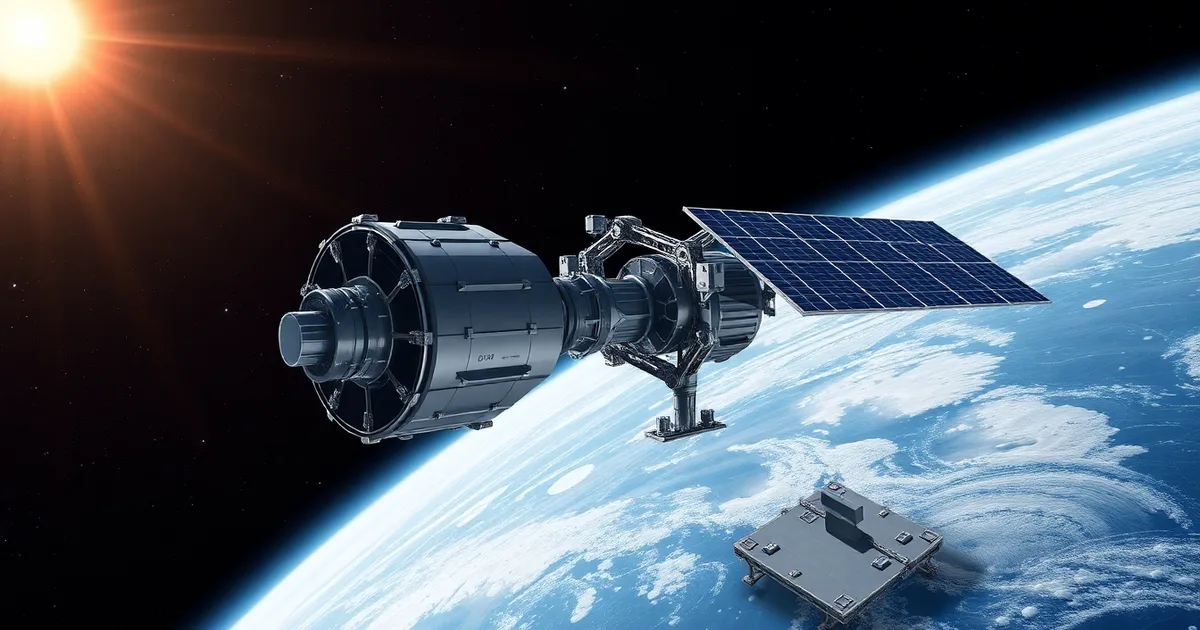
Active debris removal systems employ various technological approaches to identify, capture, and eliminate space debris. These systems typically operate through a multi-phase process involving target identification, proximity operations, capture mechanisms, and disposal methods.
The fundamental principle behind ADR technology involves deploying specialized spacecraft equipped with advanced sensors, propulsion systems, and capture mechanisms. These vehicles approach target debris objects, execute precise orbital maneuvers, and employ various techniques to secure and remove the debris from orbit.
Primary ADR System Components
- Navigation and guidance systems: Advanced radar, lidar, and optical sensors for debris tracking
- Propulsion systems: Electric and chemical thrusters for orbital maneuvering
- Capture mechanisms: Robotic arms, nets, harpoons, or magnetic systems
- Communication systems: Ground control interfaces and autonomous operation capabilities
- Power systems: Solar panels and battery arrays for extended mission duration
What Are the Main Types of Debris Capture Technologies?
Space debris removal technology encompasses several distinct capture methodologies, each optimized for specific debris characteristics and operational scenarios. Understanding these different approaches is crucial for evaluating their effectiveness and application potential.
Robotic Arm Systems
Robotic arm capture systems utilize sophisticated manipulator technology similar to those used on the International Space Station. These systems provide precise control and gentle handling capabilities, making them ideal for capturing intact satellites or large debris pieces without creating additional fragments.
Net-Based Capture Systems
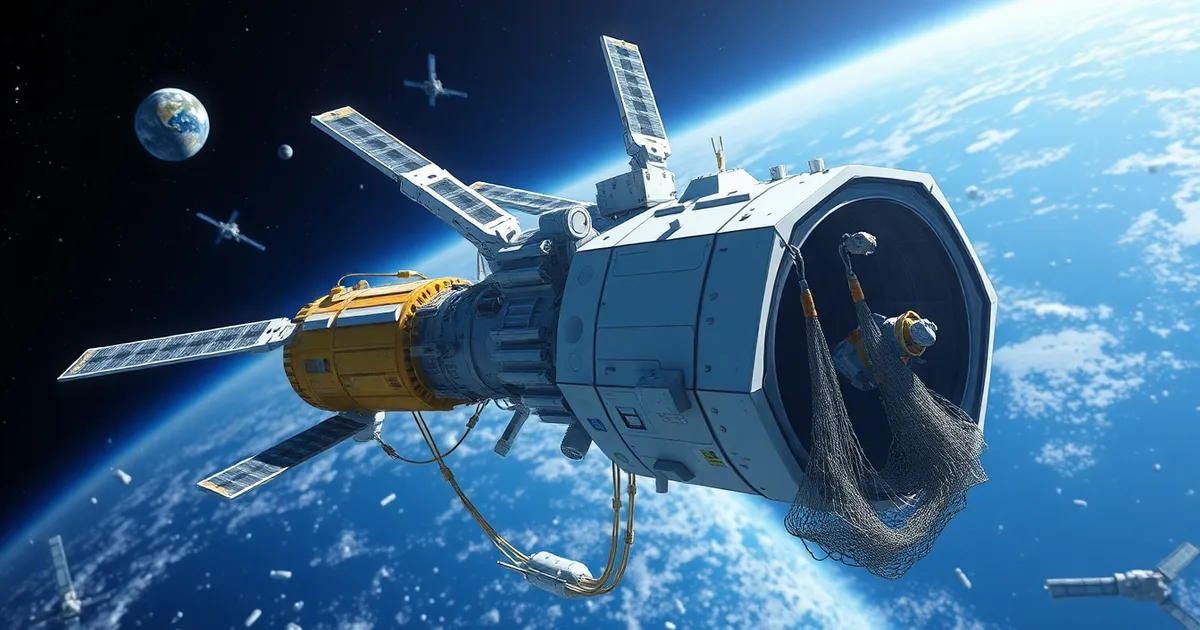
Net deployment systems launch expandable nets to ensnare debris objects. The European Space Agency's RemoveDEBRIS mission successfully demonstrated this technology in 2018, proving the viability of net-based capture for irregularly shaped debris.
Harpoon Systems
Harpoon-based systems fire penetrating projectiles connected to tethers, allowing the ADR vehicle to establish a physical connection with debris targets. This approach works effectively with robust debris objects but requires careful impact analysis to prevent fragmentation.
Magnetic and Electrostatic Systems
These contactless capture methods utilize electromagnetic forces to manipulate conductive debris without physical contact. While limited to specific debris types, these systems minimize the risk of creating additional fragments during capture operations.
Which Companies Lead Space Debris Removal Innovation in 2026?
The commercial space debris removal industry has expanded significantly, with numerous companies developing operational ADR systems. These organizations combine government contracts with private investment to advance orbital cleanup capabilities.
| Company | Primary Technology | Recent Achievements | Mission Timeline |
|---|---|---|---|
| Astroscale | Magnetic capture systems | ELSA-d demonstration mission | Commercial operations 2026 |
| ClearSpace | Robotic arm technology | ClearSpace-1 ESA contract | Mission launch 2027 |
| Aerospace Corporation | Drag augmentation devices | DRAGRACER technology demo | Ongoing development |
| D-Orbit | Orbital transfer vehicles | ION satellite carrier platform | Commercial services active |
How Effective Are Current Debris Removal Technologies?
Evaluating the effectiveness of space debris removal technology requires analyzing multiple performance metrics including capture success rates, mission costs, debris reduction impact, and operational safety. Current ADR systems demonstrate varying levels of technological maturity and operational readiness.
Demonstration missions conducted between 2018-2026 have achieved capture success rates exceeding 85% under controlled conditions. However, operational missions targeting uncooperative debris present additional challenges including unpredictable tumbling motion, unknown structural integrity, and limited approach opportunities.
Mission Success Factors
- Target characterization accuracy: Precise debris object properties and orbital parameters
- Proximity operation precision: Safe approach and station-keeping capabilities
- Capture mechanism reliability: Consistent performance across diverse debris types
- Disposal execution: Successful deorbiting or graveyard orbit placement
What Are the Technical Challenges in Orbital Cleanup?
Despite significant technological advances, space debris removal technology faces substantial engineering and operational challenges that impact mission success rates and economic viability.
Navigation and Proximity Operations
Autonomous navigation in the space environment requires sophisticated sensor fusion and real-time trajectory planning. Debris objects often tumble unpredictably, making approach trajectories complex and potentially hazardous. Advanced machine learning algorithms increasingly support these operations, similar to autonomous systems used in Mars colonization technology.
Debris Fragmentation Risk
Capture operations must minimize the risk of creating additional debris fragments. Impact forces, structural failure, or improper handling can transform single debris objects into multiple smaller pieces, potentially worsening the orbital environment.
Mission Cost and Economic Sustainability
Current ADR missions cost between $100-500 million per target, making large-scale debris removal economically challenging. Developing cost-effective solutions requires technological advances in reusable capture vehicles, autonomous operations, and multi-target mission capabilities.
How Do International Regulations Affect Debris Removal?
Space debris removal operations must navigate complex international legal frameworks governing space activities. The 1967 Outer Space Treaty establishes fundamental principles, while national space agencies implement specific licensing and operational requirements.
International coordination becomes essential when ADR missions target debris from multiple nations. The Inter-Agency Space Debris Coordination Committee (IADC) provides guidelines for debris mitigation and removal activities, though enforcement mechanisms remain limited.
Key Regulatory Considerations
- Launch licensing: National authority approval for ADR missions
- Debris ownership: Legal rights and responsibilities for debris objects
- Orbital safety: Collision avoidance and space traffic management
- Environmental compliance: Minimizing space environment impact
What Future Developments Are Expected in Space Debris Removal?
The evolution of space debris removal technology continues accelerating, driven by increasing commercial space activity and growing debris populations. Future developments focus on automation, cost reduction, and scalable removal capabilities.
Artificial intelligence integration will enable fully autonomous debris removal missions, reducing operational costs and improving mission flexibility. Machine learning algorithms will enhance target recognition, trajectory optimization, and capture success rates.
Emerging Technology Trends
- Swarm robotics: Multiple small ADR vehicles coordinating removal operations
- In-orbit servicing integration: Combined debris removal and satellite maintenance
- Advanced propulsion: Electric propulsion systems for extended mission duration
- Standardized interfaces: Universal capture mechanisms for diverse debris types
The integration of ADR capabilities with other space infrastructure projects, including asteroid mining operations and expanded space tourism activities, will drive demand for comprehensive orbital cleanup solutions.
Practical Implementation Strategies for Space Debris Removal
Successful deployment of space debris removal technology requires systematic planning and coordinated execution across multiple stakeholders. Organizations developing ADR capabilities should consider these essential implementation strategies:
- Comprehensive debris catalog analysis: Prioritize high-risk objects based on collision probability and debris generation potential
- Technology validation programs: Conduct ground testing and demonstration missions before operational deployment
- International partnership development: Establish cooperative agreements with space agencies and commercial operators
- Regulatory compliance planning: Obtain necessary licenses and approvals for ADR mission operations
- Cost optimization strategies: Develop multi-target missions and reusable capture systems
- Risk mitigation protocols: Implement comprehensive safety procedures for proximity operations
- Ground system infrastructure: Establish mission control and tracking capabilities
- Continuous technology improvement: Invest in research and development for next-generation ADR systems
Economic Analysis of Orbital Cleanup Technologies
Understanding the economic implications of space debris removal technology helps stakeholders evaluate investment priorities and develop sustainable business models. The growing commercial space economy creates both challenges and opportunities for ADR service providers.
| Cost Category | Current Range (USD) | Projected 2030 | Key Factors |
|---|---|---|---|
| Mission Development | $50-150M | $20-80M | Standardization, reusability |
| Launch Services | $20-100M | $10-50M | Reusable rockets, rideshare |
| Operations | $10-30M | $5-15M | Automation, efficiency |
| Total per debris object | $100-500M | $50-200M | Technology maturation |
Revenue models for ADR services include government contracts, insurance partnerships, and commercial satellite operator agreements. As the space economy expands, demand for debris removal services is projected to reach $2.8 billion annually by 2030.
Global Space Debris Removal Initiatives and Programs
International cooperation drives major space debris removal initiatives, with government agencies and commercial partners collaborating on technology development and operational missions. These programs establish the foundation for sustainable space operations and orbital environment protection.
The European Space Agency's Clean Space initiative leads global efforts with multiple ADR technology demonstrations and operational missions planned through 2030. NASA's Orbital Debris Program Office coordinates U.S. government activities, while commercial partnerships accelerate technology development.
"Active debris removal represents one of the most critical challenges for space sustainability. Without effective ADR capabilities, continued space development faces increasing risks and operational constraints." - Dr. Sarah Chen, ESA Space Debris Office, 2026
Major International Programs
- ESA Clean Space: ClearSpace-1 mission and technology development programs
- NASA OTPS: Orbital Transfer and Proximity Services demonstrations
- JAXA i-Space: Commercial debris removal partnerships
- UK Space Agency: National space surveillance and tracking capabilities
- Commercial initiatives: Private sector ADR service development
Space debris removal technology continues evolving rapidly, driven by technological innovation, regulatory developments, and growing commercial space activity. The success of current ADR demonstrations and increasing international cooperation indicate promising prospects for large-scale orbital cleanup operations. As costs decrease and capabilities expand, active debris removal will become an essential component of responsible space operations, ensuring the long-term sustainability of the orbital environment for future generations.