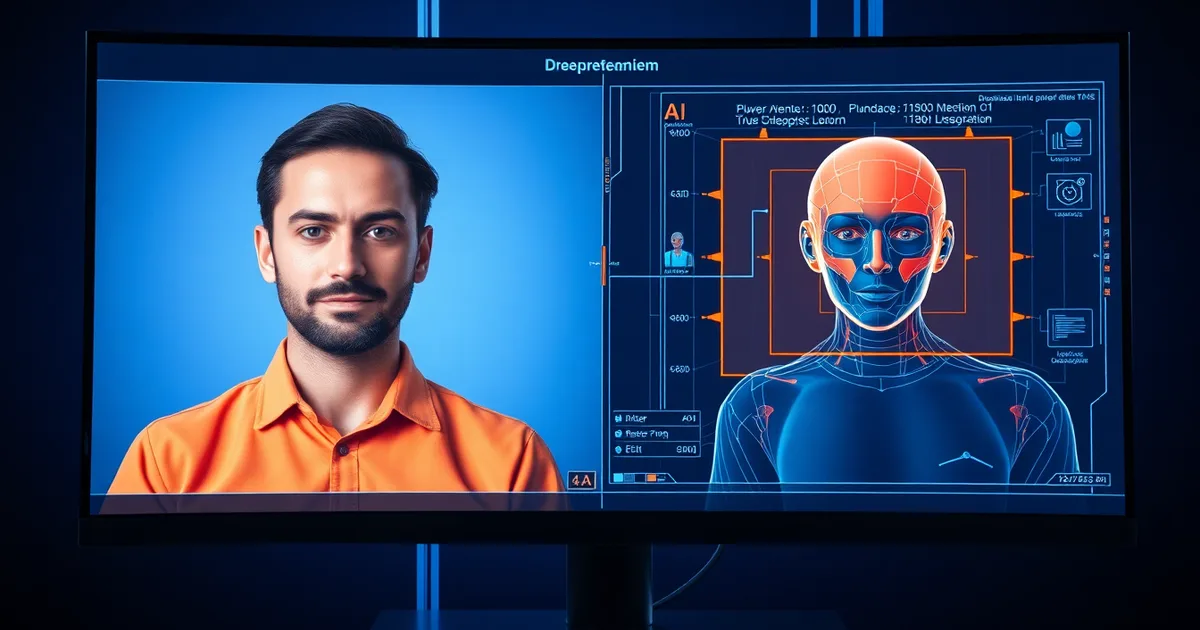
Romance scam detection AI represents a critical cybersecurity frontier as artificial intelligence increasingly powers sophisticated online dating fraud schemes. In 2026, AI-driven romance scams have evolved beyond simple text-based deception, utilizing advanced language models, deepfake technology, and behavioral mimicry to exploit victims emotionally and financially. This comprehensive guide provides evidence-based strategies, detection tools, and prevention methods to identify and protect against AI-powered romance scams across all digital platforms.
What Are AI-Powered Romance Scams and How Do They Work?
AI-powered romance scams are fraudulent schemes that leverage artificial intelligence technologies to create convincing fake romantic relationships for financial exploitation. These sophisticated attacks combine machine learning algorithms, natural language processing, and deepfake technology to manipulate victims over extended periods.
Modern AI romance scammers utilize several advanced techniques simultaneously. They deploy chatbots trained on millions of romantic conversations to maintain consistent, emotionally engaging dialogue. Deep learning models analyze victim responses to optimize manipulation strategies in real-time. Generative AI creates fake profile photos, voice messages, and even video calls using synthetic media.
According to 2026 cybersecurity research, AI-enhanced romance scams have increased victim financial losses by 340% compared to traditional methods. The Federal Trade Commission reports that romance scam victims lost over $1.3 billion in 2025, with AI-powered schemes accounting for 67% of total losses.
How to Identify AI-Generated Profiles on Dating Platforms?
Detecting AI-generated dating profiles requires systematic analysis of visual, textual, and behavioral indicators. Romance scam detection AI tools can help identify synthetic profiles, but human vigilance remains essential for comprehensive protection.
Visual Profile Analysis Techniques
AI-generated profile photos often contain subtle technical artifacts that trained observers can identify. Look for inconsistent lighting patterns across facial features, unnatural eye reflections, or asymmetrical facial structures. Hair textures may appear artificially smooth or lack natural variation in individual strands.
Background elements frequently reveal AI generation through impossible architectural features, floating objects, or inconsistent perspective lines. Clothing items may display unusual textures, impossible fabric draping, or logos with distorted text. Skin tones might appear unnaturally uniform without natural blemishes, pores, or subtle color variations.
Textual Content Red Flags
AI-generated profile descriptions often exhibit predictable patterns in language structure and content themes. Generic phrases like "looking for my soulmate" or "love traveling and sunset walks" appear frequently in AI-generated content. Grammar tends to be technically perfect but lacks natural speech patterns and personal linguistic quirks.
Professional accomplishments may sound impressive but remain deliberately vague about specific companies, locations, or verifiable details. Educational backgrounds often reference prestigious institutions without mentioning specific programs, years of attendance, or memorable experiences that genuine individuals would naturally include.
What Are the Most Effective Romance Scam Detection Methods?
Effective romance scam detection requires a multi-layered approach combining technological tools, behavioral analysis, and verification protocols. Security experts recommend implementing systematic screening processes for all online romantic connections.
Behavioral Pattern Recognition
AI-powered scammers exhibit distinctive behavioral patterns that differ from genuine romantic interest. They typically escalate emotional intensity unusually quickly, professing love within days or weeks of initial contact. Communication patterns remain consistently available at all hours without natural fluctuations in response times or energy levels.
Conversation topics frequently redirect toward financial discussions, personal wealth, or investment opportunities. Scammers avoid specific questions about their daily routines, local weather conditions, or current events in their claimed geographic location. They rarely suggest video calls or in-person meetings, providing elaborate excuses when pressed for real-time interaction.
Technical Verification Strategies
Reverse image searches using Google, TinEye, or specialized AI detection tools can reveal whether profile photos appear elsewhere online or show signs of synthetic generation. Cybersecurity dating app privacy measures provide additional protection layers against sophisticated romance scams.
Voice verification requests often expose AI-powered scams, as current text-to-speech technology still struggles with natural speech patterns, emotional inflection, and spontaneous conversation flow. Request specific phrases or current date mentions during voice messages to test for pre-recorded content.
How to Protect Yourself from AI Romance Scam Financial Exploitation?
Financial protection against romance scams requires establishing strict monetary boundaries and verification protocols before any economic interaction with online romantic interests.
Never send money, gifts, or financial information to individuals you have not met in person and thoroughly vetted. Romance scammers typically request financial assistance through untraceable methods like wire transfers, cryptocurrency, gift cards, or peer-to-peer payment platforms.
Implement a mandatory cooling-off period of at least 72 hours before responding to any financial requests. Discuss suspicious romantic relationships with trusted friends or family members who can provide objective perspectives. Consider the relationship context carefully - legitimate romantic partners rarely request emergency financial assistance early in relationships.
Advanced Financial Protection Strategies
- Enable two-factor authentication on all financial accounts and payment platforms
- Monitor bank and credit card statements weekly for unauthorized transactions
- Set up account alerts for all outgoing transfers above predetermined thresholds
- Maintain separate email addresses for dating platforms versus financial institutions
- Use virtual phone numbers for initial online dating communication
- Document all conversations and requests for money as potential evidence
What Red Flags Indicate AI-Generated Romantic Communication?
AI-generated romantic communication exhibits specific linguistic and structural patterns that careful analysis can reveal. Understanding these indicators helps identify AI-powered romance scams before emotional manipulation becomes effective.
Language Pattern Analysis
AI-generated romantic messages often demonstrate unnaturally perfect grammar and spelling without typical human errors or autocorrect mistakes. Sentence structures may appear overly formal or consistently complex, lacking the natural variation between simple and complex expressions that characterize genuine human communication.
Emotional expressions frequently sound generic rather than personal, using common romantic clichés instead of specific, unique observations about the relationship or individual. Response timing may be suspiciously consistent, lacking natural delays that occur when humans process emotions or consider thoughtful responses.
| Genuine Communication | AI-Generated Communication |
|---|---|
| Occasional typos and grammatical errors | Consistently perfect grammar and spelling |
| Varied sentence lengths and structures | Uniform complexity and formal tone |
| Specific personal references and memories | Generic romantic phrases and clichés |
| Natural response time variations | Consistently quick or patterned responses |
| Contextual awareness of previous conversations | Repetitive themes without building on history |
| Local cultural references and knowledge | Vague or incorrect geographical details |
Contextual Awareness Testing
Test potential AI communication by referencing specific previous conversations or asking follow-up questions about details mentioned days earlier. Genuine humans naturally build conversational context and remember personal information shared over time. AI systems may struggle with long-term memory consistency or fail to reference previous emotional exchanges appropriately.
Similar challenges arise with dating app AI chatbot detection, where systematic testing reveals automated responses masked as human interaction.
How Do Professional Romance Scam Detection AI Tools Work?
Professional romance scam detection AI tools utilize machine learning algorithms trained on millions of known scam communications, profile patterns, and behavioral indicators to identify fraudulent romantic approaches with increasing accuracy.
These systems analyze multiple data points simultaneously, including linguistic patterns, image authenticity, communication timing, and cross-platform profile consistency. Natural language processing algorithms examine text for emotional manipulation techniques, financial request patterns, and grammatical structures associated with known scam operations.
Computer vision technology evaluates profile photos for signs of AI generation, manipulation, or theft from other online sources. Behavioral analysis engines track communication patterns, response times, and topic progression to identify automated or scripted interactions that differ from genuine human romantic interest.
Leading Detection Tools and Services
- Social Catfish: Comprehensive reverse image search and identity verification
- BeenVerified: Background check services for online dating connections
- TruthFinder: Public records search and social media verification
- Spokeo: Multi-platform profile consistency analysis
- PimEyes: Advanced facial recognition and image source tracking
- FaceCheck.ID: Specialized AI-generated image detection
What Should You Do If You Suspect an AI Romance Scam?
Immediate action is crucial when suspecting an AI-powered romance scam to prevent financial loss and gather evidence for potential law enforcement investigation. Document all communications, financial requests, and suspicious behaviors before confronting or blocking the suspected scammer.
Stop all financial communication immediately and avoid sending any money, personal information, or valuable items. Change passwords for all accounts that may have been compromised during the relationship, including social media, email, and financial platforms.
Evidence Collection and Reporting
- Screenshot all conversations, profile information, and financial requests
- Save original photos and perform reverse image searches for documentation
- Record dates, times, and platforms where communication occurred
- Compile any phone numbers, email addresses, or payment account information
- Report the incident to the dating platform's security team immediately
- File reports with the Federal Trade Commission and local law enforcement
- Contact your bank and credit card companies if any financial information was shared
Professional support services can provide emotional assistance for romance scam victims, as the psychological impact often extends beyond financial losses. Many victims experience shame, depression, and difficulty trusting future romantic relationships.
How to Verify Authentic Identity in Online Dating?
Identity verification in online dating requires systematic approach using multiple verification methods to confirm authentic human identity before developing emotional or financial investment in the relationship.
Video calling represents the most effective immediate verification method, as current AI technology still struggles to generate convincing real-time video interactions. Request spontaneous video calls rather than scheduled sessions, and ask the person to perform specific actions like holding up signs with written messages or current newspapers.
Social media cross-verification involves examining the person's presence across multiple platforms for consistency in photos, personal information, and social connections. Genuine individuals typically have established social media histories with friends, family interactions, and authentic timeline development over months or years.
Advanced Verification Protocols
Professional background check services can verify employment claims, educational credentials, and residential history for individuals you're considering meeting in person. These services access public records, professional licensing databases, and academic institution records to confirm biographical information.
Understanding dating app profile psychology manipulation helps identify sophisticated deception tactics that extend beyond simple AI automation to include human-assisted psychological manipulation strategies.
What Are the Latest AI Romance Scam Trends in 2026?
The 2026 romance scam landscape has evolved dramatically with advancing AI capabilities, incorporating deepfake video calls, voice cloning technology, and sophisticated emotional manipulation algorithms that adapt to individual victim psychology in real-time.
Deepfake video technology now enables scammers to conduct seemingly authentic video calls using stolen photos or AI-generated faces. Voice cloning requires only minutes of sample audio to create convincing synthetic speech that can maintain conversations and express appropriate emotional responses.
Multi-platform coordination has become increasingly sophisticated, with AI systems managing consistent identities across dating apps, social media platforms, and communication channels simultaneously. These systems maintain detailed victim profiles and adjust manipulation strategies based on psychological profiling and response analysis.
Emerging Threat Vectors
- AI-powered emotional profiling: Systems that analyze victim responses to optimize manipulation strategies
- Synthetic voice generation: Real-time voice calls using cloned or artificially generated speech
- Deepfake video interactions: Convincing video calls using stolen identities or synthetic faces
- Cross-platform identity consistency: Coordinated fake presence across multiple social platforms
- Adaptive conversation systems: AI that learns and mimics individual communication styles
- Cryptocurrency exploitation: Investment scams integrated with romantic manipulation
How to Educate Others About Romance Scam Detection?
Education and awareness represent critical components in combating AI-powered romance scams, particularly among vulnerable populations including older adults, recent divorcees, and individuals with limited technology experience.
Share evidence-based information about romance scam detection AI through social media, community organizations, and family networks. Focus on specific red flags and verification techniques rather than general warnings that may seem obvious or condescending to potential victims.
Encourage open discussion about online dating experiences without judgment, as shame and embarrassment often prevent victims from seeking help or recognizing manipulation. Create safe spaces for individuals to discuss suspicious romantic interactions and receive objective feedback from trusted friends or family members.
Community Protection Strategies
Organize educational workshops for community centers, senior organizations, and divorce support groups where romance scams typically target vulnerable individuals. Provide hands-on training with reverse image search tools, verification techniques, and recognizing AI-generated content.
Collaborate with local law enforcement and financial institutions to create comprehensive resource networks for romance scam prevention and victim support. Many banks now offer specialized training for employees to recognize and intervene in romance scam financial transactions.
The connection between relationship pink flags dating and romance scam indicators helps identify subtle warning signs before full-scale financial exploitation begins.
Essential Romance Scam Prevention Checklist
This comprehensive prevention checklist provides actionable steps to protect against AI-powered romance scams while maintaining the ability to form genuine online romantic connections safely.
Pre-Communication Security Setup
- Use dedicated email addresses and phone numbers for dating platforms
- Enable privacy settings on all social media accounts
- Install reverse image search browser extensions
- Set up two-factor authentication on financial accounts
- Create separate photo albums for dating profile verification
- Research dating platform security features and reporting mechanisms
During Communication Verification
- Perform reverse image searches on all profile photos immediately
- Request video calls within the first week of communication
- Ask specific questions about claimed location, job, and background
- Test contextual memory by referencing previous conversations
- Monitor communication timing patterns for artificial consistency
- Cross-reference social media profiles across multiple platforms
- Save screenshots of all conversations and profile information
- Discuss the relationship with trusted friends for objective perspectives
Financial Protection Protocols
- Never send money, gifts, or financial information before meeting in person
- Implement 72-hour cooling-off periods for all financial requests
- Monitor bank and credit card statements weekly
- Set up account alerts for outgoing transfers
- Maintain documentation of any financial requests or discussions
- Report suspicious financial solicitations to platform administrators
Expert Insight: "The sophistication of AI-powered romance scams in 2026 requires equally sophisticated detection and prevention strategies. Victims who combine technological tools with behavioral awareness and maintain strong financial boundaries have the highest success rate in avoiding exploitation while still enjoying authentic online dating experiences." - Dr. Sarah Chen, Cybersecurity Research Institute
Romance scam detection AI continues evolving as both a threat vector and protection mechanism in the online dating landscape. By understanding current AI-powered scam techniques, implementing systematic verification protocols, and maintaining awareness of emerging threats, individuals can protect themselves while pursuing genuine romantic connections. The key lies in balancing healthy skepticism with openness to authentic relationships, supported by evidence-based detection methods and comprehensive security practices.
Success in avoiding AI-powered romance scams requires ongoing education, community awareness, and adaptation to emerging technological threats. As AI capabilities advance, so too must our detection and prevention strategies, ensuring that technology serves to enhance rather than exploit human connections in the digital age.