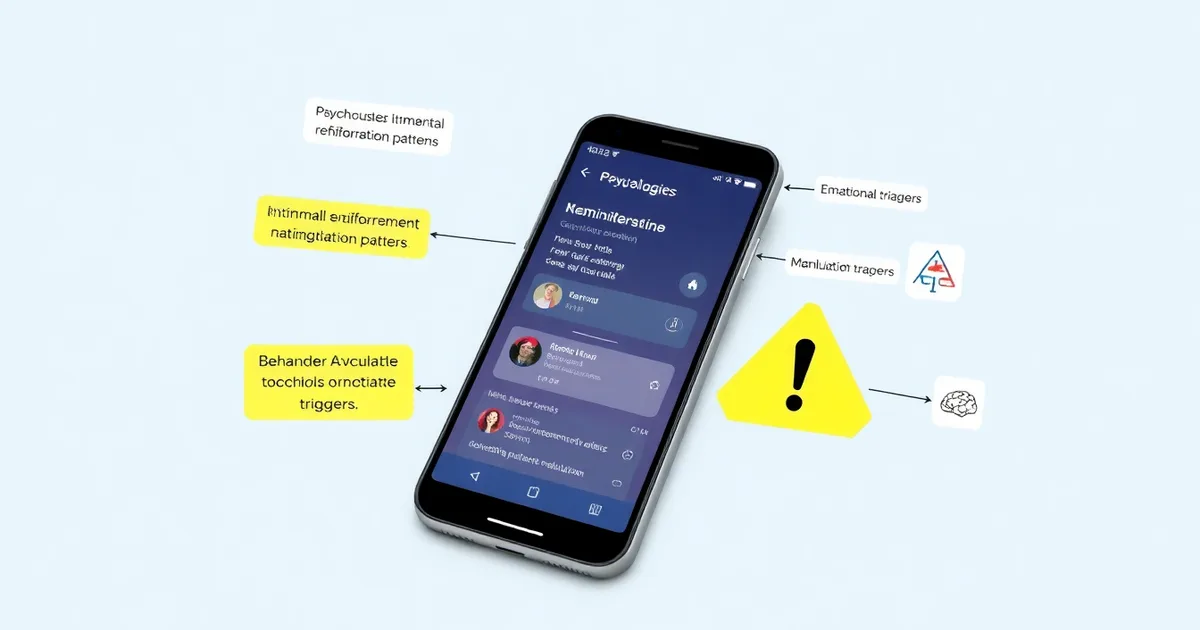
Dating app profile psychology manipulation represents a sophisticated system of psychological triggers designed to maximize user engagement and spending. In 2026, dating platforms employ advanced behavioral psychology techniques including intermittent reinforcement schedules, artificial scarcity, social proof mechanisms, and cognitive bias exploitation to influence user decisions. These manipulation tactics create addictive patterns, encourage premium subscriptions, and maintain prolonged app usage through carefully engineered psychological vulnerabilities that exploit human desires for connection and validation.
What Is Dating App Profile Psychology Manipulation?
Dating app profile psychology manipulation refers to the deliberate use of psychological principles and behavioral triggers embedded within dating platform interfaces to influence user actions, emotions, and spending patterns. These sophisticated systems leverage decades of behavioral psychology research to create compelling user experiences that prioritize engagement metrics over genuine relationship outcomes.
Modern dating applications in 2026 utilize advanced algorithms that analyze user behavior patterns, response times, and interaction preferences to deliver personalized manipulation strategies. The primary goal involves maximizing user retention, premium subscription conversions, and in-app purchase revenue through carefully orchestrated psychological pressure points.
The manipulation techniques operate on multiple levels, from visual design elements that trigger dopamine responses to complex recommendation algorithms that create artificial scarcity and false urgency. Understanding these mechanisms empowers users to make more conscious decisions about their dating app usage patterns and protect their mental health.
How Do Dating Apps Use Intermittent Reinforcement Psychology?
Intermittent reinforcement represents the most powerful psychological manipulation technique employed by dating applications. This behavioral conditioning method delivers rewards (matches, messages, likes) on unpredictable schedules, creating addiction-like dependency patterns similar to gambling mechanisms.
Dating platforms strategically control the timing and frequency of positive interactions to maintain peak user engagement. Users receive occasional matches or messages just as interest begins to wane, triggering dopamine releases that reinforce continued app usage. This creates a psychological cycle where users persist through extended periods of rejection or silence, anticipating the next rewarding interaction.
The sophistication of intermittent reinforcement in 2026 includes personalized algorithms that track individual user tolerance levels and optimize reward timing accordingly. Some users receive matches during specific time windows when they're most likely to make premium purchases, while others experience artificial delays designed to increase desperation and willingness to pay for enhanced features.
- Variable ratio schedules: Unpredictable match delivery timing
- Near-miss experiences: Almost-matches that encourage continued swiping
- Partial reinforcement extinction effect: Increased persistence during dry periods
- Dopamine regulation: Controlled reward delivery for maximum impact
- Behavioral conditioning: Creating habitual usage patterns
What Are the Most Common Visual Manipulation Techniques?
Dating applications employ sophisticated visual design elements specifically engineered to trigger psychological responses and manipulate user behavior. These techniques draw from decades of research in consumer psychology, neuromarketing, and user experience design to create compelling visual narratives that encourage specific actions.
Color psychology plays a crucial role in dating app manipulation, with platforms strategically utilizing red accents for urgency, gold elements for premium status, and green indicators for availability. The visual hierarchy guides user attention toward monetization opportunities while minimizing friction for revenue-generating actions.
Profile presentation algorithms curate artificially attractive user galleries that create unrealistic expectations and dissatisfaction with available matches. This visual manipulation encourages users to upgrade to premium services promising access to more attractive potential partners, often delivering similar results through algorithmic selection rather than genuinely expanded user pools.
| Visual Element | Psychological Trigger | Intended Behavior |
|---|---|---|
| Blurred preview images | Curiosity and FOMO | Premium subscription purchase |
| Limited-time badges | Scarcity and urgency | Immediate action taking |
| Profile quality indicators | Social comparison | Profile optimization spending |
| Match queue counters | Social proof | Increased swiping activity |
| Premium user highlights | Status seeking | Subscription upgrades |
How Does Artificial Scarcity Manipulation Work in Dating Apps?
Artificial scarcity represents a fundamental manipulation strategy that creates false limitations on user actions, matches, or opportunities to generate urgency and increase perceived value. Dating applications artificially restrict natural behaviors like unlimited swiping, message sending, or profile visibility to create premium upgrade incentives.
The scarcity manipulation extends beyond simple feature limitations to include sophisticated psychological pressure tactics. Apps display limited-time offers, exclusive access opportunities, and countdown timers that create false urgency around decision-making processes. These tactics exploit the human tendency to assign higher value to scarce resources and make impulsive decisions under time pressure.
Advanced scarcity manipulation in 2026 includes dynamic pricing algorithms that adjust premium subscription costs based on individual user desperation levels, relationship status changes, or competitive platform usage. Users experiencing recent breakups or extended matching dry periods often encounter more aggressive scarcity messaging and higher-pressure conversion tactics.
"Dating apps create artificial scarcity by limiting natural social behaviors and then selling those behaviors back to users as premium features, exploiting basic human psychological vulnerabilities around connection and rejection."
What Role Does Social Proof Play in Profile Manipulation?
Social proof manipulation leverages human tendencies to follow crowd behavior and seek validation through social indicators. Dating applications strategically display social signals like mutual connections, shared interests, and popularity metrics to influence user perceptions and decision-making processes.
The social proof system extends beyond genuine social connections to include manufactured indicators designed to increase platform credibility and user engagement. Apps display inflated user counts, fabricated activity levels, and curated success stories that create false impressions of platform effectiveness and user satisfaction.
Sophisticated social proof manipulation includes behavioral mimicry algorithms that adjust user recommendations based on perceived social status, attractiveness ratings, and engagement patterns. Users receive matches and interactions calibrated to their self-esteem levels and willingness to invest in premium features, creating personalized manipulation strategies.
How Do Dating Apps Exploit Cognitive Biases?
Dating platforms systematically exploit well-documented cognitive biases to manipulate user behavior and decision-making processes. These psychological vulnerabilities include confirmation bias, anchoring effects, loss aversion, and availability heuristic manipulation that influence user perceptions and actions.
Confirmation bias exploitation involves algorithms that gradually show users profiles matching their stated preferences while occasionally introducing premium users who fall outside those parameters. This creates artificial association between attractiveness and premium membership, encouraging subscription upgrades.
Loss aversion manipulation includes features like disappearing matches, limited-time boosts, and expiring opportunities that trigger fear of missing out. Users make impulsive premium purchases to avoid losing perceived opportunities, even when those opportunities may be artificially manufactured or unlikely to result in meaningful connections.
- Anchoring bias: Initial premium pricing influences perceived value of discounted offers
- Sunk cost fallacy: Encouraging continued investment after initial purchases
- Availability heuristic: Highlighting recent success stories during low-engagement periods
- Halo effect: Associating premium features with overall attractiveness
- Choice overload: Overwhelming free users while simplifying premium experiences
What Are the Emotional Manipulation Tactics Used in Dating Profiles?
Emotional manipulation represents the most invasive aspect of dating app psychology, targeting user vulnerabilities around loneliness, self-esteem, and romantic desperation. These tactics exploit natural human desires for connection and validation to create dependency relationships with the platform itself.
Dating applications track user emotional states through behavioral analysis, message tone assessment, and usage pattern recognition. This data enables targeted emotional manipulation campaigns that deliver specific messaging, match timing, and feature recommendations designed to exploit current emotional vulnerabilities.
The emotional manipulation ecosystem includes orchestrated rejection experiences, artificial confidence boosts, and manufactured relationship hopes that create emotional roller coasters designed to maintain user engagement. These patterns can contribute to significant mental health impacts including anxiety, depression, and relationship dysfunction.
How Can Users Recognize Manipulation in Dating App Features?
Recognizing dating app manipulation requires understanding the psychological principles underlying common platform features and monetization strategies. Users can develop awareness of manipulation tactics by examining the emotional responses triggered by specific app elements and questioning the genuine necessity of premium features.
Critical evaluation involves analyzing whether app limitations reflect natural social constraints or artificial scarcity designed to generate revenue. Genuine social platforms facilitate natural interaction patterns, while manipulative systems create barriers that require payment to overcome.
Users should monitor their emotional states before, during, and after app usage to identify manipulation-induced psychological changes. Healthy dating platforms should enhance well-being and relationship prospects, not create anxiety, compulsive behavior, or financial pressure related to romantic interactions.
What Are the Long-term Psychological Effects of Dating App Manipulation?
Extended exposure to dating app psychology manipulation creates lasting changes in user behavior, relationship expectations, and self-perception that extend beyond the digital dating environment. These psychological impacts include altered reward sensitivity, decreased satisfaction with natural relationship development, and unrealistic partner selection criteria.
The conditioning effects of intermittent reinforcement manipulation can create addiction-like dependency patterns that interfere with organic relationship formation. Users may develop tolerance to natural social interactions, requiring increasingly intense validation experiences to achieve satisfaction in romantic contexts.
Long-term manipulation exposure often correlates with increased anxiety around rejection, decreased confidence in personal attractiveness, and financial stress related to premium feature purchases. These effects can persist even after discontinuing dating app usage and may require therapeutic intervention to address underlying psychological conditioning.
Practical Strategies to Protect Against Dating App Manipulation
- Set strict time limits: Use device controls to limit daily app usage and prevent compulsive swiping patterns
- Monitor emotional responses: Track mood changes before and after app usage to identify manipulation effects
- Avoid premium purchases during emotional states: Wait 24 hours before making subscription decisions
- Use multiple platforms simultaneously: Reduce dependency on single app algorithms and manipulation systems
- Focus on profile authenticity: Prioritize genuine self-representation over algorithm optimization
- Practice digital detox periods: Regular breaks help reset psychological conditioning and maintain perspective
- Seek real-world social connections: Balance online dating with offline social activities and relationship building
- Question urgency messaging: Critically evaluate limited-time offers and scarcity claims
- Track spending patterns: Monitor dating app expenses to identify manipulation-induced purchases
- Develop awareness of algorithmic manipulation: Understanding how recommendation systems work reduces their psychological impact
Dating App Manipulation Techniques Comparison Table
| Manipulation Type | Primary Mechanism | User Impact | Revenue Goal | Protection Strategy |
|---|---|---|---|---|
| Intermittent Reinforcement | Unpredictable rewards | Addiction-like dependency | Increased usage time | Scheduled usage limits |
| Artificial Scarcity | Limited features/matches | Purchase urgency | Premium subscriptions | Question necessity of limitations |
| Social Proof | Fake popularity indicators | FOMO and inadequacy | Platform credibility | Verify social claims independently |
| Emotional Targeting | Vulnerability exploitation | Impulsive decision making | Premium feature sales | Emotional awareness monitoring |
| Cognitive Bias Exploitation | Psychological shortcuts | Irrational behavior patterns | Overall monetization | Critical thinking application |
How to Maintain Healthy Dating App Usage in 2026
Maintaining healthy dating app usage requires conscious awareness of manipulation tactics combined with intentional behavior modification strategies. Users must approach digital dating as a supplementary tool rather than a primary source of validation or self-worth.
Healthy usage patterns include setting clear boundaries around time investment, financial spending, and emotional attachment to app outcomes. Users should maintain diverse social activities and relationship-building opportunities that don't depend on algorithmic mediation or commercial manipulation.
The key to resisting dating app manipulation lies in understanding that these platforms prioritize revenue generation over genuine relationship success. Users who maintain this perspective can utilize dating apps as tools while avoiding the psychological traps designed to maximize platform profit. Consider implementing personal development strategies that build confidence independent of digital validation systems.
Dating app profile psychology manipulation represents a sophisticated system designed to exploit human psychological vulnerabilities for commercial gain. By understanding these manipulation techniques—including intermittent reinforcement, artificial scarcity, social proof exploitation, and emotional targeting—users can make more conscious decisions about their digital dating experiences. Protection requires developing awareness of psychological triggers, maintaining healthy usage boundaries, and prioritizing authentic relationship-building over algorithm optimization. The future of healthy digital dating depends on user education and conscious resistance to manipulative design patterns that prioritize profit over genuine human connection.