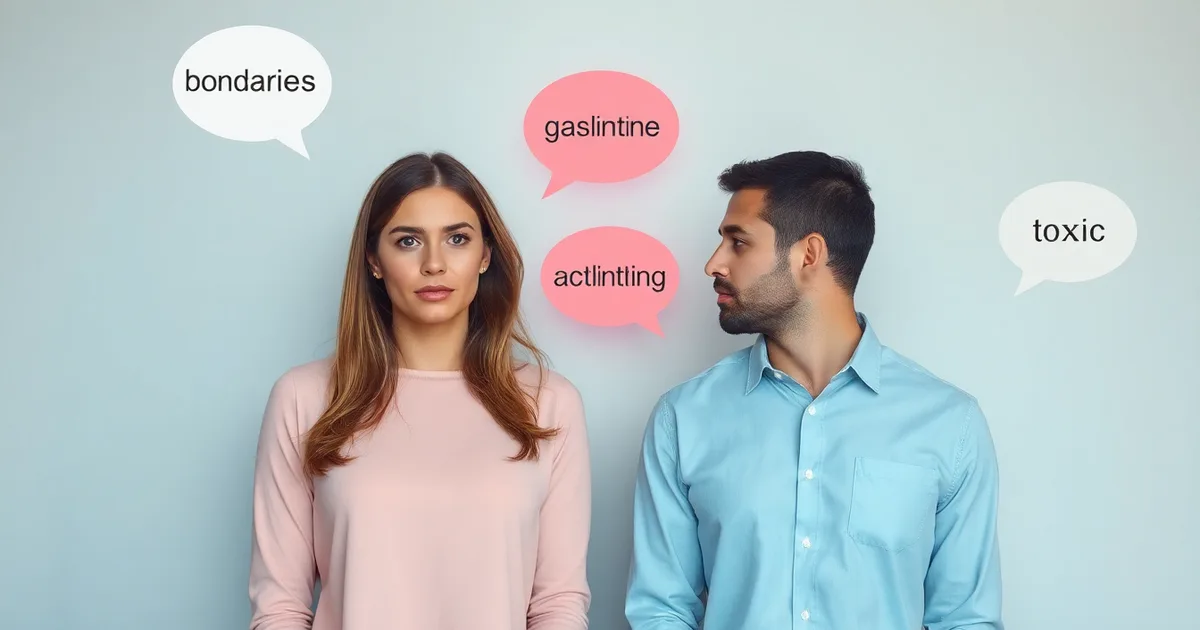
Relationship weaponized vulnerability occurs when partners manipulate emotional openness and perceived weakness to control, guilt-trip, or manipulate their significant others. This comprehensive guide examines how authentic vulnerability becomes twisted into a tool for manipulation, affecting millions of relationships worldwide. Understanding these tactics helps individuals recognize when emotional transparency is being weaponized against them, enabling healthier relationship dynamics and personal boundaries.
What Is Weaponized Vulnerability in Relationships?
Weaponized vulnerability represents the calculated misuse of emotional openness to gain control, sympathy, or compliance from a partner. Unlike genuine vulnerability, which fosters intimacy and connection, weaponized vulnerability serves as a manipulation tactic designed to exploit empathy and create power imbalances.
This manipulation strategy involves presenting oneself as emotionally fragile or wounded to avoid accountability, gain sympathy, or control a partner's behavior. Research from the American Psychological Association indicates that approximately 32% of individuals report experiencing manipulative emotional tactics in their relationships as of 2026.
Key characteristics of weaponized vulnerability include:
- Strategic timing: Emotional displays coincide with conflicts or requests for accountability
- Inconsistent patterns: Vulnerability appears selectively when beneficial
- Guilt induction: Partners feel responsible for the manipulator's emotional state
- Boundary violations: Emotional needs override partner's legitimate concerns
- Victim positioning: Consistently portraying oneself as the injured party
How Does Weaponized Vulnerability Differ From Authentic Emotional Openness?
Distinguishing between genuine vulnerability and manipulative tactics requires understanding fundamental differences in motivation, timing, and outcomes. Authentic vulnerability seeks connection and understanding, while weaponized vulnerability aims for control and compliance.
| Aspect | Authentic Vulnerability | Weaponized Vulnerability |
|---|---|---|
| Purpose | Building intimacy and trust | Gaining control or avoiding accountability |
| Timing | Organic, relationship-appropriate moments | Strategic, during conflicts or confrontations |
| Response to Support | Grateful, reciprocal emotional engagement | Demanding, never enough reassurance |
| Accountability | Takes responsibility for actions | Uses emotions to deflect responsibility |
| Partner Impact | Feels closer and more connected | Feels drained, guilty, or manipulated |
Genuine emotional openness involves mutual respect and reciprocity. Partners share vulnerabilities to deepen understanding, not to manipulate outcomes. The key difference lies in whether emotional sharing enhances or diminishes the relationship's overall health and balance.
What Are the Most Common Signs of Weaponized Vulnerability?
Recognizing weaponized vulnerability requires attention to specific behavioral patterns and emotional manipulation tactics. These signs often develop gradually, making them difficult to identify initially.
Emotional Manipulation Indicators
Selective emotional breakdowns represent the most prominent warning sign. Partners who weaponize vulnerability often display intense emotional reactions specifically when facing consequences or accountability. This pattern differs significantly from consistent emotional patterns.
Common manifestations include:
- Crisis timing: Emotional meltdowns coincide perfectly with difficult conversations
- Sympathy demands: Expecting immediate comfort without addressing underlying issues
- Historical weaponization: Repeatedly bringing up past traumas to justify current behavior
- Emotional hostage-taking: Threatening self-harm or extreme reactions to get compliance
- Victim reversal: Transforming from aggressor to victim within conversations
Communication Patterns
Manipulative communication often involves weaponized therapy speak combined with emotional manipulation. Partners may use psychological terminology incorrectly to justify harmful behaviors or avoid accountability.
These patterns frequently include:
- Deflection through emotion: Redirecting focus from behavior to feelings
- Guilt-based reasoning: Making partners feel responsible for emotional regulation
- Inconsistent narratives: Changing victim stories based on audience or situation
- Emotional blackmail: Using love or relationship security as leverage
Why Do People Weaponize Vulnerability in Relationships?
Understanding the psychological motivations behind weaponized vulnerability helps partners respond more effectively while maintaining appropriate boundaries. Multiple factors contribute to this manipulative behavior pattern.
Psychological Roots
Attachment trauma often underlies weaponized vulnerability, though it doesn't excuse manipulative behavior. Individuals with insecure attachment styles may have learned that emotional displays guarantee attention or prevent abandonment during childhood.
Research indicates that approximately 68% of individuals who weaponize vulnerability experienced inconsistent caregiving patterns, according to 2026 attachment studies. However, trauma history doesn't justify manipulative behavior toward partners.
Contributing psychological factors include:
- Learned helplessness: Using emotional distress to avoid problem-solving
- Control mechanisms: Maintaining relationship power through emotional manipulation
- Avoidance patterns: Preventing authentic intimacy through manufactured crises
- Validation seeking: Requiring constant reassurance due to low self-worth
Environmental Reinforcement
Weaponized vulnerability often develops when emotional manipulation successfully achieves desired outcomes. Partners who consistently respond to manipulative tactics inadvertently reinforce these behavioral patterns, similar to intermittent reinforcement trauma dynamics.
How Can You Protect Yourself From Manipulative Vulnerability Tactics?
Protecting yourself from weaponized vulnerability requires developing strong boundaries, emotional awareness, and strategic response patterns. Effective protection doesn't mean becoming callous but rather distinguishing between genuine needs and manipulative tactics.
Boundary Setting Strategies
Emotional boundaries serve as the primary defense against manipulative vulnerability. These boundaries protect your emotional energy while still allowing space for genuine connection and support.
Effective boundary strategies include:
- Consistency maintenance: Upholding boundaries regardless of emotional pressure
- Accountability focus: Returning conversations to behavioral issues rather than emotions
- Time boundaries: Limiting duration of emotionally intense discussions
- Support limitations: Refusing to be the sole source of emotional regulation
- Consequence enforcement: Following through on established boundaries consistently
Response Techniques
Developing appropriate responses to weaponized vulnerability prevents manipulation while maintaining relationship compassion. These techniques help distinguish between supporting a partner and enabling manipulative behavior.
Recommended response approaches:
- Validation without capitulation: Acknowledging emotions without changing your position
- Issue separation: Distinguishing between emotional support and behavior accountability
- Professional referrals: Suggesting therapy for consistent emotional regulation challenges
- Documentation patterns: Tracking manipulation instances for clarity and validation
What Should You Do When Your Partner Uses Weaponized Vulnerability?
Addressing weaponized vulnerability in your relationship requires careful balance between compassion and boundary enforcement. The goal involves supporting genuine emotional needs while refusing to enable manipulative behaviors.
Immediate Response Strategies
Stay grounded during emotional manipulation attempts. Manipulative vulnerability often creates urgency and emotional chaos designed to override logical thinking and established boundaries.
Immediate response guidelines include:
- Pause before responding: Take time to assess whether the emotion matches the situation
- Separate issues: Address emotional support and behavioral accountability separately
- Maintain your position: Don't abandon legitimate concerns due to emotional pressure
- Offer appropriate support: Provide comfort without enabling manipulation
- Set time limits: Avoid endless emotional processing sessions
Long-term Relationship Strategies
Addressing weaponized vulnerability requires sustained effort and often professional support. Individual therapy can help both partners develop healthier communication patterns, similar to approaches used for love bombing situations.
Long-term strategies involve:
- Couples counseling: Professional guidance for communication pattern changes
- Individual therapy: Personal work on boundaries and manipulation recognition
- Consistent boundaries: Maintaining limits regardless of emotional escalation
- Progress tracking: Monitoring changes in manipulative behavior patterns
- Exit planning: Preparing for relationship ending if patterns persist
How Does Weaponized Vulnerability Impact Relationship Health?
The long-term effects of weaponized vulnerability create significant relationship damage, affecting trust, intimacy, and individual mental health. Understanding these impacts helps partners make informed decisions about relationship continuation.
Individual Impact
Emotional exhaustion represents the primary impact on partners subjected to weaponized vulnerability. Constant management of another person's emotions while neglecting personal needs creates significant psychological strain.
Individual consequences include:
- Anxiety and depression: Chronic stress from walking on emotional eggshells
- Boundary erosion: Gradual loss of personal limits and self-advocacy
- Codependency development: Becoming overly responsible for partner's emotional regulation
- Self-doubt: Questioning personal perceptions and emotional validity
- Social isolation: Avoiding relationships due to emotional manipulation patterns
Relationship Dynamics
Weaponized vulnerability creates toxic relationship dynamics that prevent genuine intimacy and mutual growth. These patterns often worsen over time without intervention, leading to relationship deterioration or partner disengagement.
When Should You Seek Professional Help?
Professional intervention becomes necessary when weaponized vulnerability patterns persist despite boundary setting and direct communication. Therapy provides neutral ground for addressing manipulation while developing healthier relationship dynamics.
Consider professional help when:
- Patterns persist: Manipulative behavior continues despite clear communication
- Escalation occurs: Emotional manipulation becomes more frequent or intense
- Individual impact: Personal mental health suffers due to relationship dynamics
- Safety concerns: Threats or self-harm used as manipulation tactics
- Relationship stagnation: No progress toward healthier communication patterns
Therapy Options
Different therapeutic approaches address weaponized vulnerability effectively. Individual therapy helps develop boundaries and manipulation recognition skills, while couples therapy addresses relationship communication patterns.
Recommended therapeutic approaches:
- Cognitive Behavioral Therapy (CBT): Individual work on thought patterns and responses
- Dialectical Behavior Therapy (DBT): Emotional regulation and interpersonal effectiveness
- Couples therapy: Joint work on communication and relationship dynamics
- Individual counseling: Personal support for boundary development and trauma healing
Practical Protection and Recovery Strategies
Implementing concrete strategies helps protect against weaponized vulnerability while supporting relationship healing or safe exit planning. These approaches focus on personal empowerment and healthy boundary maintenance.
Daily Practice Techniques
Developing consistent daily practices builds resilience against emotional manipulation while maintaining personal well-being. These techniques require regular practice but provide significant protection against vulnerability weaponization.
- Emotional check-ins: Regular assessment of your emotional state and needs
- Boundary rehearsal: Practicing responses to common manipulation tactics
- Support network maintenance: Maintaining relationships outside the romantic partnership
- Self-care prioritization: Ensuring personal needs receive attention regardless of partner's emotional state
- Reality checking: Confirming perceptions with trusted friends or therapists
- Documentation habits: Recording incidents for pattern recognition and validation
- Stress management: Developing healthy coping mechanisms for relationship stress
- Personal goals focus: Maintaining individual aspirations and growth
Communication Scripts
Having prepared responses helps maintain boundaries during emotional manipulation attempts. These scripts provide structure when emotions run high and manipulation tactics intensify.
- Boundary maintenance: "I understand you're upset, but we still need to address [specific behavior]"
- Support limitations: "I care about your feelings, but I can't be your only source of emotional support"
- Issue separation: "Let's address your emotions separately from the boundary violation that occurred"
- Professional referral: "These emotional patterns seem to need professional support beyond what I can provide"
- Consequence enforcement: "Your emotional state doesn't change the consequences of your actions"
Building Healthy Vulnerability in Relationships
Creating authentic emotional intimacy requires understanding healthy vulnerability practices that enhance rather than manipulate relationship dynamics. This process involves both partners committing to genuine emotional sharing without hidden agendas.
Healthy vulnerability involves sharing emotions and experiences to deepen connection while respecting partner boundaries and maintaining personal accountability. Unlike weaponized vulnerability, authentic openness doesn't seek to control or manipulate outcomes.
Characteristics of healthy vulnerability include:
- Mutual respect: Honoring partner's emotional capacity and boundaries
- Appropriate timing: Sharing when both partners are emotionally available
- Reciprocal sharing: Both partners contribute to emotional intimacy
- Growth orientation: Using vulnerability to strengthen rather than control relationship
- Accountability maintenance: Taking responsibility for actions regardless of emotional state
Developing healthy vulnerability patterns often requires unlearning manipulative habits and developing new communication skills. This process benefits from professional guidance and consistent practice from both partners.
Recovery and Moving Forward
Recovery from weaponized vulnerability experiences requires time, support, and often professional intervention. Whether staying in the relationship or leaving, healing involves rebuilding trust in your emotional perceptions and developing stronger boundaries for future relationships.
Recovery frequently involves addressing underlying trauma that made you susceptible to emotional manipulation. This work helps prevent similar patterns in future relationships while building confidence in emotional boundary setting.
The recovery process typically includes recognizing the full extent of manipulation experienced, which can be challenging due to gaslighting and emotional confusion. Professional support helps clarify these experiences and develop healthier relationship expectations, particularly important for those dealing with complex relationship dynamics like phantom ex syndrome or other emotional complications.
Relationship weaponized vulnerability represents a serious form of emotional manipulation that damages both individual well-being and relationship health. Recognizing these tactics, implementing strong boundaries, and seeking appropriate support enables recovery and the development of healthier relationship patterns. Remember that everyone deserves relationships built on genuine respect, mutual vulnerability, and emotional safety rather than manipulation and control. If you're experiencing these dynamics, professional support can provide the guidance needed to either heal the relationship or safely exit while building stronger boundaries for the future.