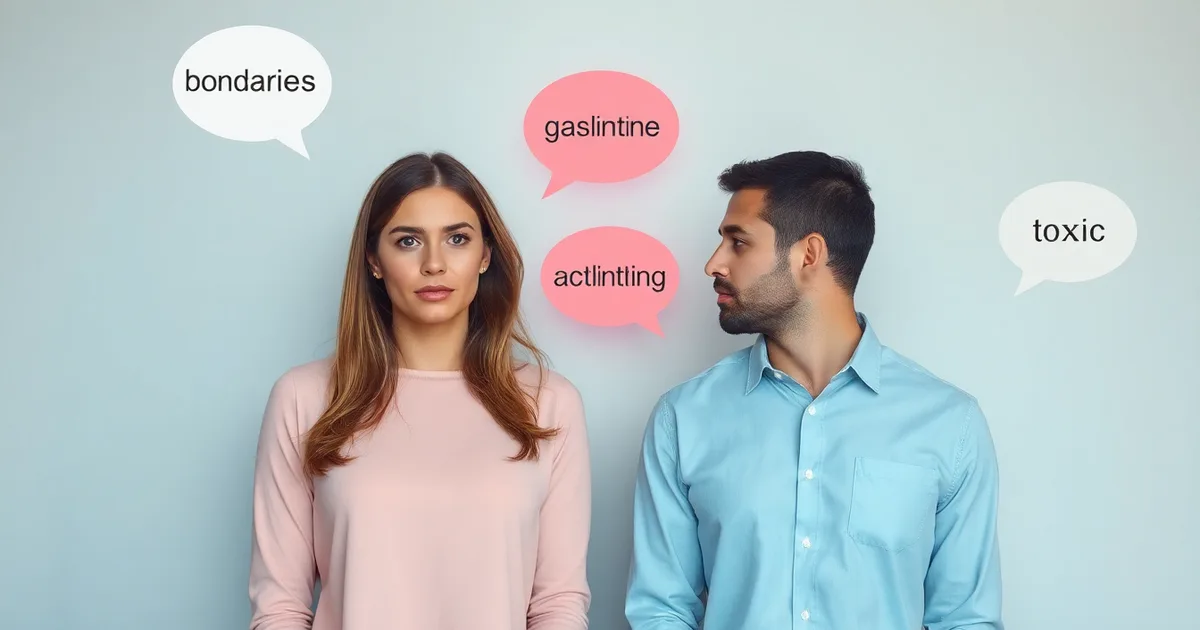
Relationship quiet quitting signs manifest when partners gradually reduce emotional investment, effort, and engagement while remaining physically present in the relationship. This phenomenon, mirrored from workplace dynamics, represents a form of emotional withdrawal where individuals do the bare minimum to maintain the relationship without actively participating in its growth or improvement. Understanding these signs is crucial for addressing relationship deterioration before it reaches irreversible damage.
Unlike sudden breakups or dramatic conflicts, relationship quiet quitting occurs subtly over time, making it challenging to identify initially. Partners experiencing this often feel overwhelmed, unappreciated, or emotionally exhausted, leading them to protect themselves through disengagement rather than direct confrontation.
What Is Relationship Quiet Quitting and How Does It Manifest?
Relationship quiet quitting refers to the gradual emotional and behavioral withdrawal from a romantic partnership while maintaining the basic structure of the relationship. This concept emerged from workplace terminology but has found significant relevance in personal relationships throughout 2025 and 2026.
The manifestation typically includes reduced communication quality, decreased intimacy initiation, minimal participation in shared activities, and a general sense of "going through the motions." Unlike hyper-independence trauma responses, quiet quitting stems from accumulated disappointment rather than past trauma.
Research from relationship psychology studies in 2026 indicates that approximately 34% of couples experience some form of quiet quitting during their relationship lifetime, with peak occurrences happening during major life transitions or prolonged stress periods.
What Are the Early Warning Signs of Partner Disengagement?
Early relationship quiet quitting signs often appear subtle and can be easily dismissed as temporary stress or busy periods. However, recognizing these patterns early enables intervention before deeper disconnection occurs.
Communication Pattern Changes
- Shortened conversations: Responses become brief, lacking depth or emotional investment
- Delayed response times: Text messages, calls, and emails receive slower acknowledgment
- Surface-level interactions: Discussions focus on logistics rather than emotional connection
- Reduced active listening: Partners appear distracted or disinterested during conversations
- Minimal conflict engagement: Avoiding disagreements rather than working through issues
Physical and Emotional Distance Indicators
- Decreased physical affection: Less spontaneous touching, hugging, or kissing
- Separate activity preferences: Choosing individual activities over shared experiences
- Reduced eye contact: Avoiding meaningful visual connection during interactions
- Changed sleeping patterns: Going to bed at different times or creating physical barriers
- Minimal emotional sharing: Withholding personal thoughts, feelings, or daily experiences
How Do Behavioral Changes Signal Relationship Withdrawal?
Behavioral modifications often provide the most concrete evidence of relationship quiet quitting signs. These changes typically occur gradually, making them particularly insidious to relationship health.
Partners may begin prioritizing individual interests over couple activities, showing decreased enthusiasm for shared plans, or demonstrating reduced investment in relationship maintenance tasks. Unlike weaponized incompetence, quiet quitting involves actual capability reduction rather than strategic avoidance.
| Behavior Category | Engaged Partner | Quiet Quitting Partner |
|---|---|---|
| Social Planning | Initiates dates and activities | Passively agrees or declines |
| Household Tasks | Proactive participation | Minimal required effort only |
| Future Planning | Enthusiastic discussion | Vague or avoidant responses |
| Problem Solving | Active collaboration | Detached or dismissive |
| Emotional Support | Responsive and caring | Polite but distant |
What Triggers Partners to Emotionally Withdraw from Relationships?
Understanding the underlying causes of relationship quiet quitting helps address root issues rather than merely treating symptoms. Multiple factors can contribute to partner disengagement, often occurring simultaneously.
Accumulated Relationship Stress
Chronic unresolved conflicts create emotional fatigue, leading partners to withdraw rather than continue addressing recurring issues. This differs from healthy conflict resolution approaches that strengthen relationships through productive disagreement management.
Financial pressures, career demands, family responsibilities, and health concerns can overwhelm individuals, leaving insufficient emotional resources for relationship investment. The 2026 Global Relationship Health Survey found that 67% of quiet quitting instances correlated with significant external stressors.
Unmet Emotional Needs
When core relationship needs remain consistently unfulfilled, partners may unconsciously protect themselves through gradual disengagement. These needs include appreciation, emotional safety, intellectual stimulation, physical intimacy, and shared values alignment.
Partners experiencing attachment-related anxiety may withdraw as a protective mechanism when their security needs aren't met consistently.
How Can You Distinguish Between Temporary Stress and Chronic Disengagement?
Differentiating between temporary relationship challenges and genuine quiet quitting requires careful observation of duration, intensity, and responsiveness to intervention attempts.
Temporary stress patterns typically correlate with specific external circumstances, show fluctuation over time, and improve with stress reduction or support. Partners remain emotionally available during calm moments and express appreciation for relationship support during difficult periods.
Chronic disengagement patterns persist regardless of external circumstances, show consistent decline over time, and demonstrate minimal responsiveness to relationship improvement efforts. Partners appear emotionally unavailable even during potentially connecting moments.
Duration and Pattern Analysis
- Track timeline: Document behavioral changes over 2-4 week periods
- Identify triggers: Note correlations between external events and withdrawal behaviors
- Assess responsiveness: Monitor reactions to direct communication attempts
- Evaluate consistency: Determine if patterns persist across different situations
- Review recovery: Observe whether connection returns during low-stress periods
What Communication Strategies Help Address Partner Withdrawal?
Addressing relationship quiet quitting signs requires thoughtful, non-confrontational communication approaches that create safety for honest dialogue without triggering defensive responses.
Creating Safe Conversation Spaces
Successful intervention begins with establishing emotional safety for vulnerable conversations. Choose neutral times and locations, avoid blame-focused language, and express genuine curiosity about your partner's experience rather than demanding explanations.
Use "I" statements to share observations without creating defensiveness: "I've noticed we're talking less lately, and I'm wondering if everything is okay with us." This approach differs significantly from patterns seen in abusive relationship dynamics where communication serves manipulation rather than connection.
Validation and Understanding Approaches
- Acknowledge struggles: Recognize your partner's challenges without minimizing concerns
- Express empathy: Demonstrate understanding of their emotional experience
- Avoid fixing mode: Listen without immediately proposing solutions
- Ask open questions: Encourage elaboration through curious, non-judgmental inquiry
- Reflect emotions: Mirror back the feelings you hear to ensure understanding
How Do External Stressors Contribute to Relationship Disengagement?
External pressures significantly impact relationship engagement capacity, often serving as primary catalysts for quiet quitting behaviors. Understanding these influences helps distinguish between relationship-specific issues and circumstantial challenges.
Career transitions, financial instability, health problems, family conflicts, and social pressures can drain emotional resources needed for relationship maintenance. The 2026 Couples Stress Impact Study revealed that 78% of relationship quiet quitting episodes coincided with major life stressors.
Unlike seasonal relationship challenges that follow predictable patterns, external stressor impacts vary significantly based on individual coping mechanisms and support systems.
What Role Does Technology Play in Modern Relationship Withdrawal?
Digital communication patterns often provide early indicators of relationship quiet quitting signs, as technology use reflects engagement priorities and emotional investment levels.
Decreased response frequency, shorter message lengths, reduced emoji or affection expressions, and minimal social media interaction can signal emotional withdrawal. However, some couples benefit from strategic digital detox approaches to rebuild in-person connection.
Social media behavior changes, such as reduced couple photos, decreased partner mentions, or increased individual activity highlighting, may indicate growing emotional distance or desire for separate identity expression.
When Should You Seek Professional Relationship Support?
Professional intervention becomes necessary when self-directed efforts fail to restore relationship connection or when quiet quitting patterns persist despite open communication attempts.
Consider couples therapy when withdrawal behaviors continue for more than two months, when communication attempts trigger conflict escalation, or when one partner expresses hopelessness about relationship improvement. Early intervention prevents patterns from becoming entrenched.
Warning signs requiring immediate professional support include threats of separation, complete communication breakdown, or when quiet quitting behaviors combine with other concerning patterns like love addiction cycles or codependency issues.
Practical Steps for Reconnecting with a Withdrawn Partner
Rebuilding connection requires patience, consistency, and strategic approaches that respect your partner's current emotional capacity while gradually rebuilding intimacy and engagement.
Immediate Reconnection Strategies
- Reduce relationship pressure: Temporarily decrease expectations for emotional availability
- Increase individual support: Address personal stressors to create emotional space for relationship work
- Schedule low-pressure time: Plan activities requiring minimal emotional investment
- Express appreciation: Acknowledge positive behaviors without expecting reciprocation
- Maintain consistency: Demonstrate reliable support without dramatic gestures
Long-term Relationship Restoration
- Address underlying issues: Work on root causes rather than surface behaviors
- Rebuild trust gradually: Demonstrate reliability through consistent small actions
- Recreate positive experiences: Return to activities that previously brought connection
- Develop new shared interests: Explore mutual hobbies or goals together
- Establish regular check-ins: Create ongoing communication structures for relationship maintenance
Prevention Strategies for Relationship Engagement Maintenance
Preventing relationship quiet quitting requires ongoing attention to relationship health, similar to physical fitness maintenance requiring consistent effort rather than crisis intervention.
Regular relationship check-ins, stress management systems, appreciation practices, and conflict resolution skill development create resilience against disengagement patterns. Unlike undefined relationship situations, committed partnerships benefit from structured maintenance approaches.
| Prevention Area | Weekly Actions | Monthly Reviews |
|---|---|---|
| Communication | Daily meaningful conversations | Relationship satisfaction discussion |
| Appreciation | Express gratitude 3x weekly | Celebrate relationship wins |
| Intimacy | Physical affection daily | Intimacy needs assessment |
| Stress Management | Individual stress check-ins | Stress impact evaluation |
| Future Planning | Share weekly goals | Long-term vision alignment |
Recovery Timeline: What to Expect During Relationship Healing
Understanding realistic recovery timelines helps maintain motivation during challenging reconnection periods while setting appropriate expectations for relationship healing progress.
Initial recognition phase (1-2 weeks): Acknowledgment of quiet quitting patterns and commitment to change begins. Expect continued distance while new approaches develop.
Communication breakthrough phase (2-6 weeks): First meaningful conversations occur, but inconsistency remains normal. Partners begin expressing underlying concerns and needs.
Behavioral adjustment phase (6-12 weeks): New engagement patterns establish, though occasional regression occurs during stressful periods. Increased participation in shared activities becomes evident.
Relationship renewal phase (3-6 months): Sustainable engagement patterns develop with improved conflict resolution, emotional intimacy, and future planning collaboration.
Recognizing relationship quiet quitting signs enables early intervention that can restore partnership health and prevent relationship deterioration. Through understanding withdrawal triggers, implementing effective communication strategies, and maintaining consistent reconnection efforts, couples can overcome disengagement patterns and build stronger, more resilient relationships. Remember that professional support remains available when self-directed efforts prove insufficient, and prevention strategies offer the best long-term relationship protection against future quiet quitting episodes.