Virtual fashion design software has revolutionized the fashion industry in 2026, offering designers unprecedented capabilities in 3D modeling, digital pattern making, and AI-assisted creation tools. These advanced platforms enable fashion professionals to create, visualize, and prototype garments entirely in digital environments, reducing costs, minimizing waste, and accelerating the design-to-market timeline. From parametric pattern generation to photorealistic fabric simulation, virtual fashion design software encompasses a comprehensive ecosystem of tools that integrate seamlessly with modern sustainable fashion technology initiatives, enabling designers to create innovative garments while meeting environmental and efficiency demands.
What Is Virtual Fashion Design Software and How Does It Work?
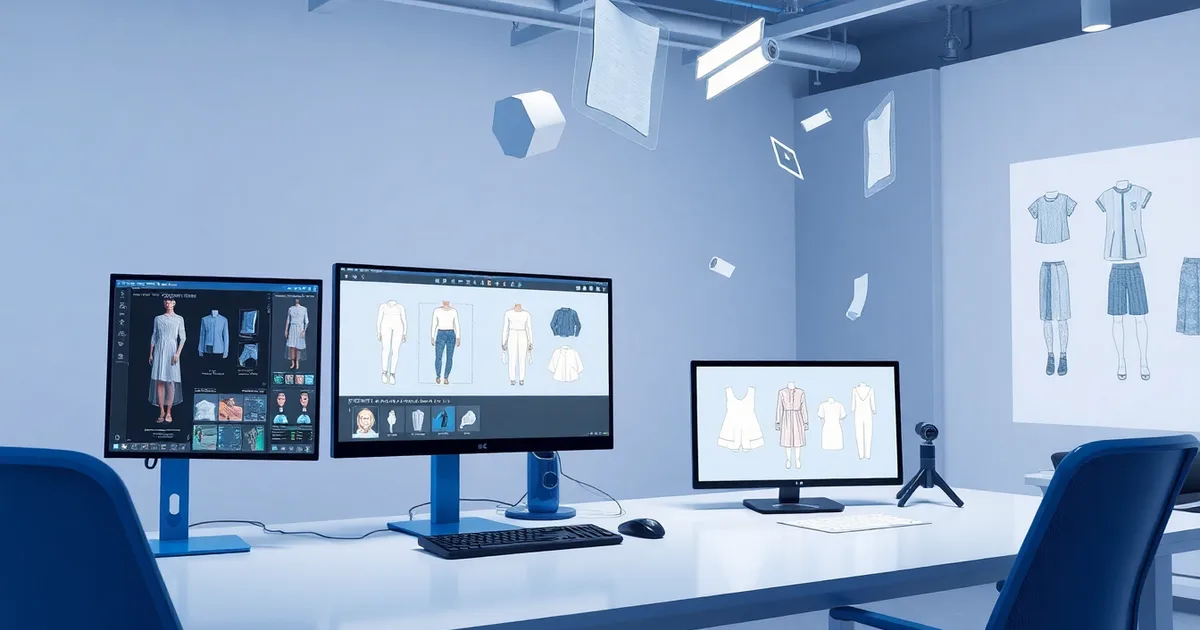
Virtual fashion design software refers to specialized digital tools that enable fashion designers to create, modify, and visualize clothing designs in three-dimensional virtual environments. These platforms combine computer-aided design (CAD) capabilities with advanced 3D modeling, physics-based fabric simulation, and AI-powered design assistance.
The core functionality operates through several integrated systems. Pattern creation modules allow designers to develop technical flats and construct garment patterns using parametric modeling. 3D visualization engines render realistic fabric behavior, draping, and fit on virtual avatars. AI algorithms assist with design variations, color matching, and trend prediction.
Modern virtual fashion design software integrates with manufacturing systems, enabling direct export to cutting machines, knitting equipment, and production planning software. This end-to-end digital workflow significantly reduces the traditional sample-making process, cutting development time from weeks to days.
Which Are the Leading 3D Virtual Fashion Design Platforms in 2026?
The virtual fashion design software market has consolidated around several dominant platforms, each offering specialized capabilities for different aspects of garment creation and production.
Professional Enterprise Platforms
- CLO 3D Enterprise: Industry-leading 3D garment visualization with advanced fabric simulation and pattern-making tools
- Browzwear VStitcher: Comprehensive design-to-production platform with integrated size grading and fit analysis
- Optitex 3D Suite: End-to-end solution combining pattern design, 3D visualization, and manufacturing integration
- Lectra Fashion PLM: Enterprise-grade platform with supply chain integration and collaboration tools
AI-Powered Design Assistants
- Adobe Fashion AI: Creative suite integration with generative design capabilities and trend analysis
- Style3D Studio: Cloud-based platform with machine learning-driven design suggestions
- TG3D Suite: Technical garment design with automated grading and fit optimization
Market research indicates that 78% of fashion brands now utilize some form of virtual fashion design software, with adoption rates increasing 34% annually since 2024.
How Do Digital Pattern Making Tools Enhance Design Efficiency?
Digital pattern making represents a fundamental shift from traditional paper-based methods to parametric, computer-aided pattern development. These tools offer precision, scalability, and integration capabilities that transform the entire design workflow.
Parametric Pattern Creation
Modern digital pattern making utilizes parametric modeling where patterns automatically adjust based on input measurements and design parameters. Designers can modify a single measurement, and the entire pattern set updates proportionally, maintaining proper fit relationships across all sizes.
This approach eliminates manual calculations and reduces errors common in traditional grading processes. Pattern pieces maintain their geometric relationships while scaling, ensuring consistent fit across size ranges.
Automated Grading Systems
Digital platforms incorporate sophisticated grading algorithms that generate size ranges automatically. Machine learning models analyze successful fit data to optimize grade rules for different body types and regional sizing standards.
- Automated point-to-point grading with customizable increment rules
- Regional sizing standard integration (US, EU, Asian markets)
- Body scan data integration for improved fit prediction
- Quality control algorithms that identify potential fit issues
What Role Does Artificial Intelligence Play in Modern Fashion Design Software?
AI integration in virtual fashion design software has evolved from simple automation to sophisticated creative assistance, trend prediction, and design optimization capabilities that augment human creativity rather than replace it.
Generative Design Capabilities
AI algorithms can generate design variations based on input parameters, style references, and trend data. Machine learning models trained on vast design databases suggest color combinations, silhouette modifications, and detail variations that align with brand aesthetics and market trends.
These systems analyze successful designs to identify patterns in color usage, proportion relationships, and style elements that resonate with target demographics. Designers can input basic parameters and receive dozens of AI-generated variations for refinement.
Intelligent Fabric Selection and Simulation
AI-powered fabric libraries include advanced material property databases that predict draping behavior, stretch characteristics, and manufacturing compatibility. Machine learning algorithms suggest optimal fabric choices based on design intent, season, and production constraints.
Real-time fabric simulation uses physics engines enhanced with AI to provide accurate representations of material behavior under different conditions, including movement, environmental factors, and wear patterns.
How to Choose the Right Virtual Fashion Design Software for Your Needs?
Selecting appropriate virtual fashion design software requires careful evaluation of specific business requirements, technical capabilities, and integration needs. The decision impacts workflow efficiency, collaboration capabilities, and long-term scalability.
Essential Feature Assessment
Begin by identifying core functionality requirements based on your design process and business model. Different software excels in specific areas, making feature alignment crucial for successful implementation.
- Design Complexity: Evaluate whether you need basic 2D pattern making or advanced 3D visualization
- Production Integration: Assess requirements for manufacturing system connectivity
- Collaboration Needs: Determine team size and remote collaboration requirements
- Customization Requirements: Consider needs for custom sizing, fit algorithms, or specialized garment types
Technical Infrastructure Considerations
Virtual fashion design software demands significant computational resources, particularly for 3D rendering and real-time simulation. Cloud-based solutions offer scalability but require reliable internet connectivity.
- Hardware requirements: GPU capabilities for 3D rendering
- Storage needs: Large file sizes for detailed 3D models
- Network infrastructure: Bandwidth for cloud collaboration
- Security requirements: IP protection and data privacy
What Are the Cost Benefits of Implementing Virtual Fashion Design Software?
The financial impact of virtual fashion design software extends beyond initial software costs to encompass significant savings in materials, time, and production efficiency. Industry analysis shows average ROI of 340% within 18 months of implementation.
Material and Sample Cost Reduction
Traditional fashion design requires multiple physical samples throughout the development process. Virtual prototyping eliminates 60-80% of physical samples, resulting in substantial material cost savings and reduced environmental impact.
Digital samples enable remote collaboration and faster approval processes, reducing shipping costs and development timelines. Design iterations that previously required new physical samples can now be completed digitally within hours.
Time-to-Market Acceleration
Virtual design workflows compress traditional development timelines from 12-18 months to 6-9 months. Parallel processing of design, pattern making, and fit analysis activities eliminates sequential bottlenecks common in traditional workflows.
| Process Stage | Traditional Timeline | Virtual Design Timeline | Time Savings |
|---|---|---|---|
| Initial Design | 2-3 weeks | 3-5 days | 85% |
| Pattern Creation | 1-2 weeks | 2-3 days | 75% |
| First Sample | 2-3 weeks | 1 day (virtual) | 95% |
| Fit Analysis | 1 week | 1-2 hours | 90% |
| Revisions | 3-4 weeks | 2-3 days | 85% |
How to Implement Virtual Fashion Design Software Successfully?
Successful implementation of virtual fashion design software requires structured planning, team training, and gradual workflow integration. Organizations that follow systematic implementation strategies achieve 90% adoption rates compared to 45% for ad-hoc approaches.
Phase-Based Implementation Strategy
Implementing virtual fashion design software across an organization requires careful change management and staged rollouts to ensure user acceptance and workflow continuity.
- Assessment Phase (2-4 weeks): Evaluate current workflows, identify integration points, and define success metrics
- Pilot Program (4-6 weeks): Deploy software with limited user group and specific product categories
- Training Phase (2-3 weeks): Comprehensive user training and workflow documentation
- Gradual Rollout (8-12 weeks): Expand usage across teams and product lines
- Full Integration (4-6 weeks): Complete workflow transition and system optimization
Training and Change Management
User adoption represents the most critical factor in successful virtual fashion design software implementation. Comprehensive training programs that address both technical skills and workflow changes ensure smooth transitions.
Establish internal champions who become expert users and provide ongoing support to team members. Regular training sessions, documentation updates, and best practice sharing maintain momentum throughout the implementation process.
What Are the Latest Technological Advances in Virtual Fashion Design?
The virtual fashion design software landscape continues evolving rapidly, with 2026 bringing significant advances in AI integration, real-time collaboration, and manufacturing connectivity. These innovations push the boundaries of what's possible in digital fashion creation.
Advanced AI Integration
Machine learning algorithms now provide sophisticated design assistance, including style transfer capabilities that adapt designs across different aesthetics, automated pattern optimization for manufacturing efficiency, and predictive analytics for trend forecasting.
Natural language processing enables designers to input design requirements in conversational language, with AI interpreting intent and generating appropriate design elements. This technology bridges the gap between creative vision and technical implementation.
Real-Time Collaborative Design
Cloud-based platforms now support simultaneous multi-user editing with real-time synchronization, enabling global teams to collaborate on designs without version control issues. These systems integrate with customer data platforms to incorporate consumer feedback directly into the design process.
- Simultaneous editing with conflict resolution algorithms
- Real-time 3D visualization sharing across global teams
- Integrated communication tools with design annotation
- Version control with automated backup and recovery
Best Practices for Maximizing Virtual Fashion Design Software ROI
Organizations that achieve optimal returns from virtual fashion design software investments follow established best practices that maximize both immediate productivity gains and long-term strategic benefits.
Workflow Optimization Strategies
- Standardize Design Templates: Create reusable templates for common garment categories to accelerate initial design phases
- Integrate Measurement Systems: Connect body scanning data with virtual fit analysis for improved accuracy
- Establish Quality Gates: Implement systematic review processes at each design stage to catch issues early
- Automate Routine Tasks: Utilize AI capabilities for repetitive processes like grading and basic pattern modifications
- Maintain Asset Libraries: Build comprehensive databases of fabrics, trims, and design elements for efficient reuse
Performance Monitoring and Optimization
- Track Key Metrics: Monitor design cycle times, sample reduction rates, and user adoption statistics
- Gather User Feedback: Regular surveys and feedback sessions identify improvement opportunities
- Optimize Hardware: Ensure adequate computational resources for smooth 3D rendering and simulation
- Update Regularly: Stay current with software updates and new feature releases
- Benchmark Performance: Compare results against industry standards and previous performance levels
Integration with Manufacturing and Supply Chain Systems
Modern virtual fashion design software seamlessly integrates with downstream manufacturing processes, creating end-to-end digital workflows that eliminate traditional handoff inefficiencies and reduce errors in production translation.
Direct integration with cutting systems, knitting machines, and production planning software ensures that digital designs translate accurately to physical products. This connectivity enables automated material calculations, production scheduling, and quality control processes.
Supply chain integration extends to vendor management systems, enabling automatic sharing of technical specifications, material requirements, and production timelines with manufacturing partners. This level of integration supports distributed production models while maintaining design integrity.
Manufacturing Process Integration
| Integration Point | Capabilities | Benefits |
|---|---|---|
| Pattern Cutting | Direct file export to automated cutters | 99.5% accuracy, 40% time reduction |
| Material Planning | Automated fabric consumption calculations | 15% waste reduction, improved costing |
| Production Scheduling | Integration with MRP systems | 25% faster order processing |
| Quality Control | Specification sharing with inspection systems | 60% reduction in quality issues |
The convergence of virtual fashion design with manufacturing systems represents a fundamental shift toward Industry 4.0 principles in fashion production, similar to advances seen in other technology-driven sectors.
Future Trends and Emerging Technologies in Virtual Fashion Design
The virtual fashion design software landscape continues evolving with emerging technologies that promise to further revolutionize how designers create and consumers interact with fashion. Understanding these trends enables strategic planning for future technology adoption.
Immersive Design Environments
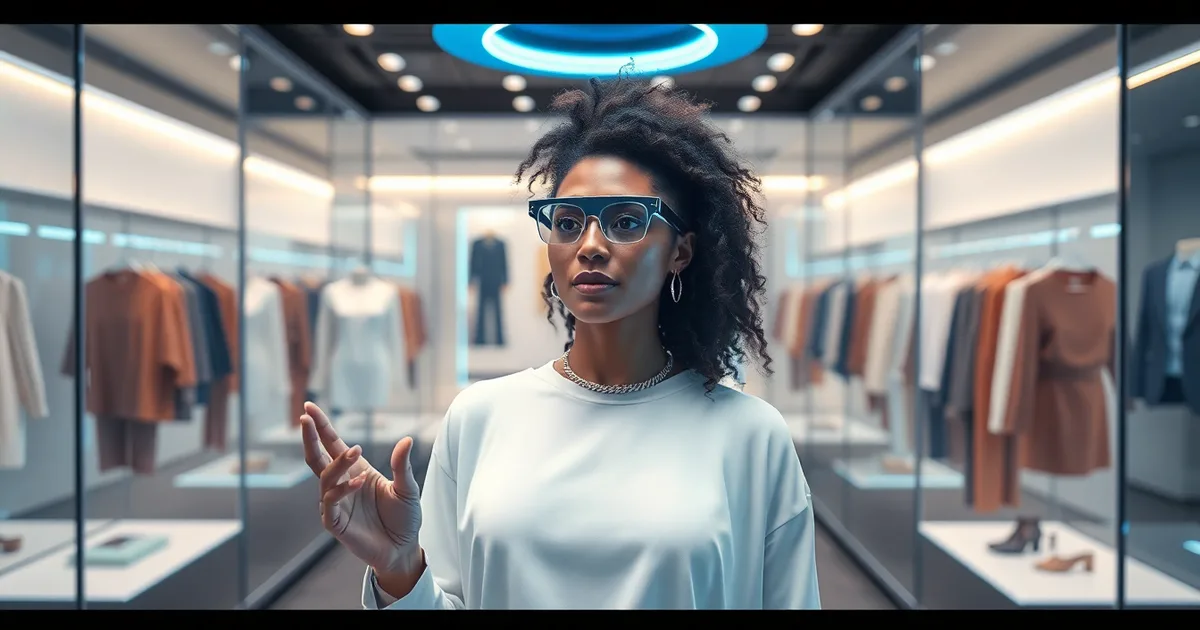
Virtual and augmented reality integration creates immersive design experiences where designers can manipulate 3D garments in spatial environments. These technologies enable intuitive design interactions that more closely replicate physical design processes.
Mixed reality environments allow designers to overlay digital designs onto physical spaces, facilitating better spatial understanding and client presentations. This technology bridges the gap between digital creation and physical reality.
Blockchain Integration for Design IP Protection
Blockchain technology integration provides immutable design provenance tracking and intellectual property protection. Smart contracts automate licensing agreements and royalty distributions for collaborative designs.
Distributed design databases enable secure sharing of design assets while maintaining creator attribution and usage tracking. This infrastructure supports new business models for design collaboration and licensing.
Virtual fashion design software has fundamentally transformed the fashion industry, offering unprecedented capabilities in digital creation, collaboration, and production integration. As we advance through 2026, these platforms continue evolving with AI enhancements, improved user experiences, and deeper manufacturing integration. Success in implementing virtual fashion design software requires careful planning, comprehensive training, and strategic workflow integration. Organizations that embrace these technologies position themselves for competitive advantages in efficiency, sustainability, and innovation. The future of fashion design increasingly relies on virtual platforms that bridge creative vision with manufacturing reality, making digital design fluency essential for modern fashion professionals.