Fashion supply chain transparency has become a critical imperative for brands and consumers in 2026, driven by blockchain-powered tracking systems, ethical manufacturing verification tools, and unprecedented consumer demand for accountability. This comprehensive guide explores how advanced technologies are revolutionizing supply chain visibility, enabling brands to verify ethical practices while empowering consumers to make informed purchasing decisions through real-time transparency data and verified manufacturing credentials.
What Is Fashion Supply Chain Transparency and Why Does It Matter in 2026?
Fashion supply chain transparency refers to the comprehensive visibility and disclosure of all processes, materials, and stakeholders involved in creating fashion products from raw materials to finished goods. In 2026, this concept has evolved beyond simple reporting to encompass real-time tracking, blockchain verification, and AI-powered compliance monitoring.
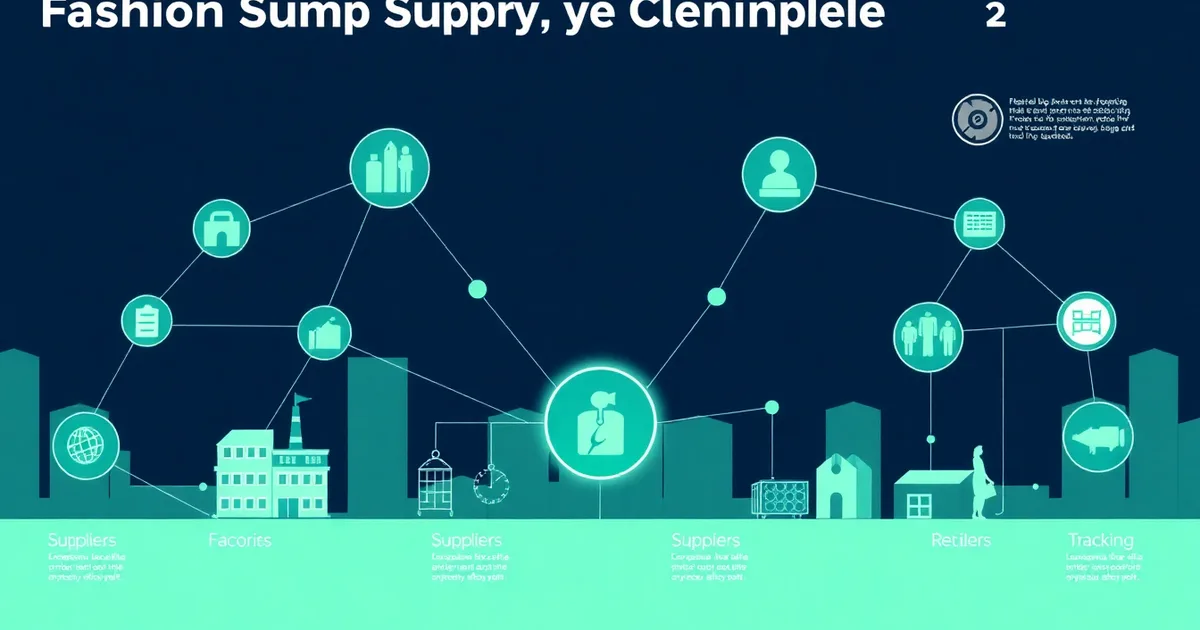
The fashion industry's complex global supply chains often involve multiple tiers of suppliers, manufacturers, and distributors across different countries. Transparency initiatives aim to provide complete visibility into these networks, enabling brands and consumers to understand the true impact of fashion production on workers, communities, and the environment.
Current market research indicates that 73% of global consumers are willing to pay more for sustainable products, while 81% of millennials expect companies to make public commitments to good corporate citizenship. This consumer pressure, combined with regulatory requirements and investor demands, has made supply chain transparency a business imperative rather than an optional initiative.
How Does Blockchain Technology Enable Supply Chain Tracking in Fashion?
Blockchain technology provides an immutable, distributed ledger system that creates permanent records of every transaction and movement within the fashion supply chain. Each product receives a unique digital identity that follows it from fiber production through manufacturing, distribution, and retail sale.
Smart contracts automatically execute compliance checks and payments when predetermined conditions are met, ensuring that ethical standards are maintained throughout the production process. These contracts can verify certifications, monitor working conditions, and validate sustainability claims without human intervention.
Leading fashion brands have implemented blockchain solutions that track over 2.3 million products globally as of 2026. The technology enables real-time monitoring of production timelines, quality control checkpoints, and environmental impact metrics. Consumers can access this information through QR codes or NFC tags embedded in garments, providing instant access to the product's complete history.
- Immutable record keeping prevents data tampering and fraud
- Real-time tracking provides instant visibility into production status
- Smart contracts automate compliance verification and payments
- Decentralized storage ensures data accessibility and reliability
- Cryptographic security protects sensitive supply chain information
What Are the Key Components of Ethical Manufacturing Verification?
Ethical manufacturing verification encompasses multiple dimensions of responsible production, including labor practices, environmental impact, and social compliance. Modern verification systems combine IoT sensors, blockchain records, and AI analysis to provide comprehensive monitoring of manufacturing facilities.
Labor standards verification includes monitoring working hours, wage payments, safety conditions, and worker rights. Advanced systems use biometric data, environmental sensors, and blockchain-based worker identification to ensure compliance with international labor standards such as ILO conventions and Fair Trade requirements.
Environmental compliance monitoring tracks energy consumption, water usage, chemical handling, and waste management through connected sensors and automated reporting systems. These metrics are recorded on blockchain platforms to provide transparent, verifiable environmental impact data for each production batch.
Third-Party Certification Integration
Modern transparency platforms integrate with established certification bodies including GOTS (Global Organic Textile Standard), OEKO-TEX, Cradle to Cradle, and B Corp certifications. Blockchain systems automatically verify and record certification status, ensuring that claims remain current and accurate throughout the supply chain.
Machine learning algorithms analyze certification data, facility inspections, and production metrics to identify potential compliance risks before they become violations. This predictive approach enables proactive intervention and continuous improvement in manufacturing practices.
Which Transparency Tools Are Most Effective for Fashion Brands?
Fashion brands in 2026 utilize a comprehensive ecosystem of transparency tools that provide end-to-end visibility into their supply chains. These tools range from blockchain platforms to AI-powered analytics systems, each serving specific functions in the transparency framework.
| Tool Category | Primary Function | Key Features | Implementation Cost |
|---|---|---|---|
| Blockchain Platforms | Immutable record keeping | Smart contracts, real-time tracking, fraud prevention | $50,000-$500,000 |
| IoT Sensor Networks | Real-time monitoring | Environmental sensors, worker safety, production metrics | $10,000-$100,000 |
| AI Analytics Systems | Predictive compliance | Risk assessment, anomaly detection, trend analysis | $25,000-$200,000 |
| Digital Identity Systems | Product authentication | QR codes, NFC tags, unique identifiers | $5,000-$50,000 |
| Supplier Management Platforms | Vendor verification | Certification tracking, audit management, performance scoring | $15,000-$150,000 |
Multi-tier mapping systems provide visibility beyond direct suppliers to include sub-contractors, raw material producers, and logistics providers. These systems use API integrations and data sharing agreements to create comprehensive supply chain maps that update automatically as relationships change.
Consumer-facing applications allow brands to share transparency data through mobile apps, web portals, and in-store displays. These tools translate complex supply chain data into accessible formats that help consumers understand the impact and ethics of their purchasing decisions.
How Can Consumers Verify Fashion Supply Chain Transparency Claims?
Consumers have access to unprecedented tools for verifying fashion supply chain transparency claims in 2026. Digital verification systems enable instant access to product histories, manufacturing details, and ethical certifications through smartphone applications and web-based platforms.
QR code scanning provides immediate access to blockchain records showing a garment's complete production journey. Consumers can view information about fiber sources, manufacturing facilities, worker welfare programs, and environmental impact metrics. Advanced systems include photo documentation from production facilities and video testimonials from workers.
Third-party verification apps aggregate transparency data from multiple brands and certification bodies, allowing consumers to compare products and brands based on verified ethical and sustainability metrics. These platforms use machine learning to identify inconsistencies and potential greenwashing attempts.
- Scan product QR codes for instant blockchain verification
- Use third-party apps to compare brand transparency scores
- Check certification databases for current compliance status
- Review worker testimonials and facility documentation
- Monitor brand transparency commitments and progress reports
What Are the Current Challenges in Fashion Supply Chain Transparency Implementation?
Despite significant technological advances, fashion supply chain transparency faces several persistent challenges in 2026. Data standardization remains a critical issue, as different platforms, certification bodies, and brands use varying metrics and reporting formats that complicate comparison and verification processes.
Cost barriers continue to limit transparency adoption, particularly for smaller brands and suppliers in developing markets. While technology costs have decreased significantly, implementation requires substantial investments in training, infrastructure, and ongoing maintenance that many companies struggle to afford.
Supply chain complexity presents ongoing challenges, particularly for brands sourcing from multiple tiers of suppliers across different countries with varying regulatory frameworks. Coordinating transparency initiatives across these complex networks requires sophisticated management systems and extensive stakeholder cooperation.
Privacy and Competitive Information Concerns
Balancing transparency with proprietary information protection remains a delicate challenge. Brands must share sufficient data to demonstrate ethical practices while protecting sensitive information about suppliers, pricing, and production methods that could benefit competitors.
Worker privacy concerns have emerged as transparency systems collect more detailed information about individual employees. Ensuring that transparency initiatives protect worker privacy while providing meaningful oversight requires careful system design and robust data protection protocols.
What Does the Future Hold for Fashion Supply Chain Transparency?
The future of fashion supply chain transparency involves increased automation, AI-powered verification, and integration with emerging technologies such as satellite monitoring and advanced materials tracking. Predictive transparency systems will anticipate and prevent compliance issues before they occur, rather than simply reporting on past events.
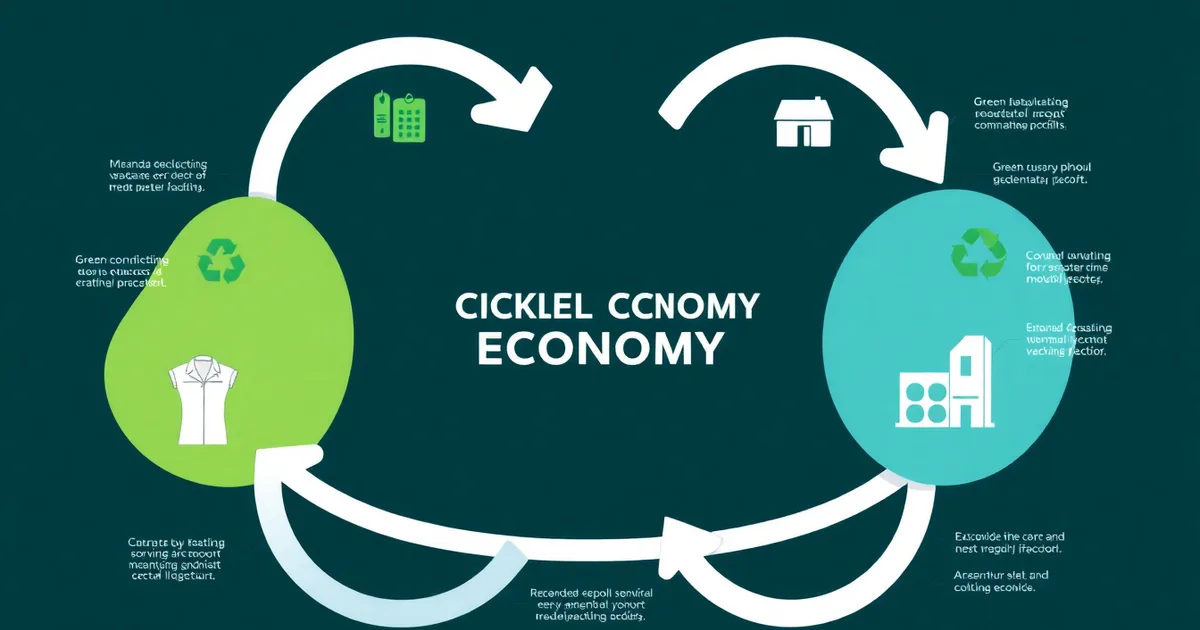
Integration with AI-powered circular economy solutions will enable comprehensive lifecycle tracking, including post-consumer use, recycling, and disposal processes. This extended transparency will support truly circular fashion business models by providing detailed information about material flows and recovery opportunities.
Regulatory developments are expected to mandate transparency reporting for fashion companies above certain revenue thresholds, similar to current requirements for conflict minerals and modern slavery reporting. These regulations will standardize transparency requirements and create level playing fields for ethical brands.
How to Implement Supply Chain Transparency: A Step-by-Step Guide
Implementing fashion supply chain transparency requires a systematic approach that addresses technology deployment, stakeholder engagement, and continuous improvement processes. Successful implementation typically follows a phased approach that builds capabilities progressively while demonstrating value to stakeholders.
- Assessment and Planning: Conduct comprehensive supply chain mapping to identify all suppliers, sub-contractors, and service providers. Evaluate current transparency capabilities and identify gaps that need to be addressed.
- Technology Selection: Choose appropriate blockchain platforms, IoT systems, and analytics tools based on supply chain complexity, budget constraints, and stakeholder requirements.
- Pilot Program Implementation: Begin with a limited product line or supplier group to test systems and processes before full-scale deployment.
- Stakeholder Training: Provide comprehensive training for suppliers, internal teams, and technology partners to ensure proper system utilization and data quality.
- Data Integration: Connect transparency systems with existing ERP, PLM, and supplier management platforms to ensure seamless data flow and minimize manual entry requirements.
- Consumer Interface Development: Create user-friendly applications and interfaces that make transparency data accessible and meaningful to consumers.
- Continuous Monitoring and Improvement: Establish ongoing monitoring processes and regular system updates to maintain data accuracy and system effectiveness.
What Are the Benefits of Fashion Supply Chain Transparency for Different Stakeholders?
Fashion supply chain transparency provides distinct benefits for various stakeholders throughout the ecosystem. Brand benefits include enhanced reputation, reduced compliance risks, improved supplier relationships, and access to sustainability-focused consumer segments willing to pay premium prices.
Consumers gain access to verified information about product origins, manufacturing conditions, and environmental impact, enabling informed purchasing decisions aligned with personal values. Transparency tools also provide authentication capabilities that help consumers avoid counterfeit products and ensure they receive genuine, ethically-produced goods.
Suppliers benefit from improved relationships with brands, access to premium market segments, and streamlined compliance reporting processes. Transparency systems often include supplier development programs and direct feedback mechanisms that help manufacturers improve their practices and capabilities.
The integration of transparency tools with virtual fashion design platforms enables brands to make more informed design decisions by understanding the true cost and impact of different materials and manufacturing processes during the design phase.
Best Practices for Fashion Supply Chain Transparency in 2026
Leading fashion brands have established best practices for supply chain transparency that maximize effectiveness while minimizing implementation challenges. These practices focus on data quality, stakeholder engagement, and continuous improvement processes.
- Start with core suppliers: Begin transparency initiatives with direct suppliers and major sub-contractors before expanding to complete multi-tier mapping
- Prioritize data accuracy: Invest in data validation systems and regular audits to ensure information reliability and stakeholder trust
- Engage suppliers as partners: Collaborate with suppliers to improve practices rather than using transparency as a punitive monitoring system
- Communicate progress transparently: Share both successes and challenges in transparency reports to build credibility with stakeholders
- Integrate with existing systems: Connect transparency platforms with established business systems to minimize disruption and maximize adoption
- Focus on material impacts: Prioritize transparency efforts on aspects that matter most to consumers and have the greatest social or environmental impact
- Provide supplier support: Offer training, resources, and technical assistance to help suppliers meet transparency requirements
- Regular system updates: Continuously improve transparency systems based on user feedback and technological advances
How Much Does Fashion Supply Chain Transparency Implementation Cost?
Fashion supply chain transparency implementation costs vary significantly based on company size, supply chain complexity, and technology choices. Small to medium brands typically invest $75,000 to $300,000 in initial transparency systems, while large multinational brands may spend $500,000 to $2 million on comprehensive implementations.
Ongoing operational costs include system maintenance, data management, supplier training, and compliance monitoring. These costs typically range from $50,000 to $200,000 annually for mid-sized brands, depending on the scope of transparency initiatives and the number of suppliers included in monitoring systems.
Return on investment calculations show that transparency initiatives typically generate positive returns within 18-24 months through improved brand reputation, premium pricing opportunities, reduced compliance risks, and enhanced supplier relationships. Brands report average revenue increases of 12-15% in product lines with verified transparency credentials.
"Transparency is no longer optional in fashion—it's a competitive necessity that drives both consumer loyalty and operational excellence." - Fashion Industry Transparency Report 2026
The fashion industry's journey toward complete supply chain transparency represents a fundamental shift in how brands operate and consumers make purchasing decisions. As blockchain technology, AI analytics, and IoT monitoring systems become more sophisticated and affordable, transparency will continue to evolve from a competitive advantage to a basic expectation.
Success in fashion supply chain transparency requires commitment to continuous improvement, stakeholder collaboration, and investment in appropriate technologies and processes. Brands that embrace transparency early and implement comprehensive systems will be best positioned to thrive in an increasingly conscious consumer market while contributing to positive social and environmental impact in the fashion industry.