Ecommerce post-purchase optimization represents the strategic process of enhancing customer experiences after the initial transaction to drive loyalty, increase retention, and maximize revenue. This comprehensive approach encompasses delivery tracking systems, targeted upselling campaigns, customer retention strategies, and experience enhancement techniques that transform one-time buyers into lifelong brand advocates. In 2026, successful ecommerce businesses recognize that the post-purchase journey is equally important as the pre-purchase experience, with optimized strategies delivering up to 300% higher customer lifetime value compared to businesses that neglect this critical phase.
What Is Ecommerce Post-Purchase Optimization?
Ecommerce post-purchase optimization is the systematic improvement of all customer touchpoints and experiences that occur after a purchase is completed. This strategic approach focuses on maintaining engagement, building trust, and creating additional value opportunities throughout the fulfillment and delivery process.
The post-purchase phase encompasses several key stages including order confirmation, payment processing, inventory allocation, fulfillment preparation, shipping, delivery, and post-delivery follow-up. Each stage presents unique opportunities to enhance customer satisfaction and drive additional revenue through strategic optimization efforts.
Modern post-purchase optimization leverages advanced technologies including AI-powered recommendation engines, automated communication systems, predictive analytics, and integrated tracking platforms. These tools enable businesses to create personalized, seamless experiences that exceed customer expectations while identifying new revenue opportunities.
Why Is Post-Purchase Optimization Critical for Ecommerce Success?
The importance of ecommerce post-purchase optimization cannot be overstated in today's competitive marketplace. Research indicates that acquiring new customers costs 5-25 times more than retaining existing ones, making post-purchase optimization a crucial investment for sustainable growth.
Post-purchase experiences directly impact customer satisfaction scores, with 73% of consumers stating that a positive delivery experience increases their likelihood of making repeat purchases. Additionally, optimized post-purchase strategies contribute to reduced customer service inquiries, lower return rates, and increased positive reviews and referrals.
Businesses implementing comprehensive post-purchase optimization strategies report average increases of 15-30% in customer lifetime value, 25% reduction in support tickets, and 40% improvement in customer satisfaction scores. These metrics demonstrate the tangible business impact of investing in post-purchase experience enhancement.
How to Implement Effective Delivery Tracking Systems?
Implementing robust delivery tracking systems forms the foundation of successful ecommerce post-purchase optimization. Effective tracking systems provide real-time visibility into order status, shipping progress, and delivery estimates while enabling proactive communication with customers.
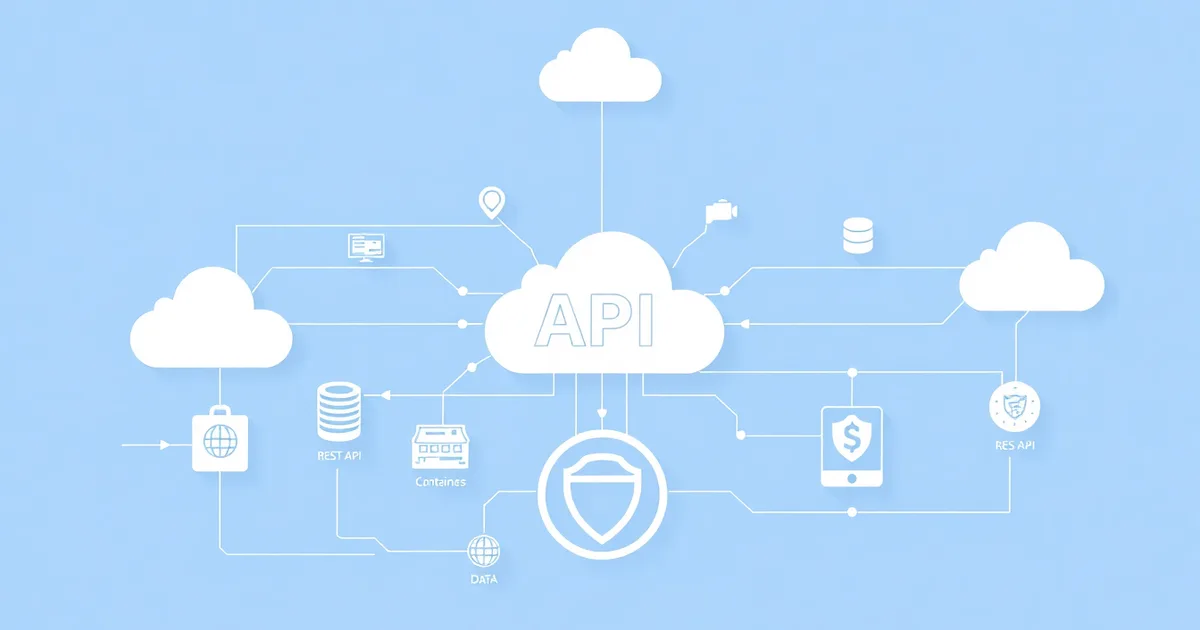
Modern tracking systems integrate with multiple carrier APIs to provide unified tracking experiences regardless of shipping provider. These systems automatically update customers through multiple channels including email, SMS, push notifications, and dedicated tracking portals accessible through customer accounts.
Essential Components of Advanced Tracking Systems
- Real-time status updates with automated notifications at each fulfillment milestone
- Interactive tracking maps showing package location and estimated delivery windows
- Delivery preference management allowing customers to modify delivery instructions or schedules
- Exception handling protocols for delays, weather disruptions, or delivery issues
- Multi-channel communication through email, SMS, app notifications, and customer portals
- Integration capabilities with inventory management and customer service systems
Advanced tracking systems also incorporate predictive analytics to anticipate potential delivery issues and proactively communicate with customers. This proactive approach reduces customer anxiety and demonstrates commitment to service excellence, contributing to overall ecommerce micro-fulfillment network optimization.
What Are the Most Effective Post-Purchase Upselling Strategies?
Post-purchase upselling represents a significant revenue opportunity, with successful implementations generating 10-30% additional revenue from existing transactions. Effective post-purchase upselling requires careful timing, relevant product recommendations, and value-focused messaging that enhances rather than detracts from the customer experience.
The key to successful post-purchase upselling lies in understanding customer purchase patterns, preferences, and behavior data to deliver highly relevant recommendations. Modern upselling strategies leverage machine learning algorithms and zero-party data collection methods to create personalized recommendation engines.
Proven Post-Purchase Upselling Techniques
- Complementary product recommendations - Suggest accessories or related items that enhance the original purchase
- Bundle upgrade offers - Present value-added bundles at discounted rates during checkout completion
- Subscription conversion opportunities - Offer subscription-based alternatives for consumable or frequently purchased items
- Extended warranty or protection plans - Provide additional coverage options for high-value purchases
- Expedited shipping upgrades - Offer faster delivery options with clear value propositions
- Gift wrapping and personalization services - Present premium service add-ons for special occasions
Successful upselling campaigns maintain transparent pricing, clear value propositions, and easy opt-out mechanisms to preserve customer trust and satisfaction. The integration of dynamic pricing algorithms can further optimize upselling offers based on customer segments and purchase history.
How to Build Comprehensive Customer Retention Programs?
Customer retention programs form the cornerstone of long-term ecommerce success, with retained customers generating 67% of a business's total revenue on average. Comprehensive retention programs combine multiple touchpoints, rewards systems, and personalized experiences to maintain ongoing customer relationships.
Effective retention programs begin immediately after purchase completion and extend throughout the customer lifecycle. These programs leverage customer data, purchase history, and behavioral insights to create targeted campaigns that resonate with individual preferences and needs.
Core Elements of High-Performance Retention Programs
- Points-based loyalty systems with tiered rewards and exclusive benefits
- Personalized email marketing sequences based on purchase behavior and preferences
- Exclusive member-only promotions and early access to new products
- Birthday and anniversary rewards with personalized offers and messaging
- Referral incentive programs rewarding customers for successful referrals
- VIP customer recognition with special perks and dedicated support channels
Modern retention programs also incorporate gamification elements, social sharing incentives, and community-building features to create emotional connections beyond transactional relationships. The integration of social proof automation systems can amplify retention efforts by showcasing customer success stories and reviews.
What Technologies Drive Post-Purchase Optimization Success?
Technology infrastructure plays a crucial role in enabling sophisticated ecommerce post-purchase optimization strategies. Modern businesses leverage integrated platforms that combine customer relationship management, marketing automation, analytics, and communication tools to create seamless post-purchase experiences.
Artificial intelligence and machine learning technologies power recommendation engines, predictive analytics, and automated personalization systems that scale post-purchase optimization efforts across large customer bases. These technologies enable real-time decision making and continuous optimization based on performance data.
Essential Technology Stack Components
| Technology Category | Primary Function | Key Benefits |
|---|---|---|
| CRM Integration | Customer data management and segmentation | Unified customer profiles and targeted campaigns |
| Marketing Automation | Automated email, SMS, and push notification campaigns | Personalized messaging at scale |
| Analytics Platforms | Performance tracking and customer behavior analysis | Data-driven optimization insights |
| AI Recommendation Engines | Personalized product and content recommendations | Increased relevance and conversion rates |
| Communication APIs | Multi-channel customer communication | Consistent messaging across touchpoints |
| Inventory Management Integration | Real-time stock visibility and allocation | Accurate delivery promises and expectations |
The adoption of progressive web app technologies also enhances post-purchase experiences by providing fast, app-like interfaces for order tracking, account management, and customer service interactions.
How to Measure Post-Purchase Optimization Performance?
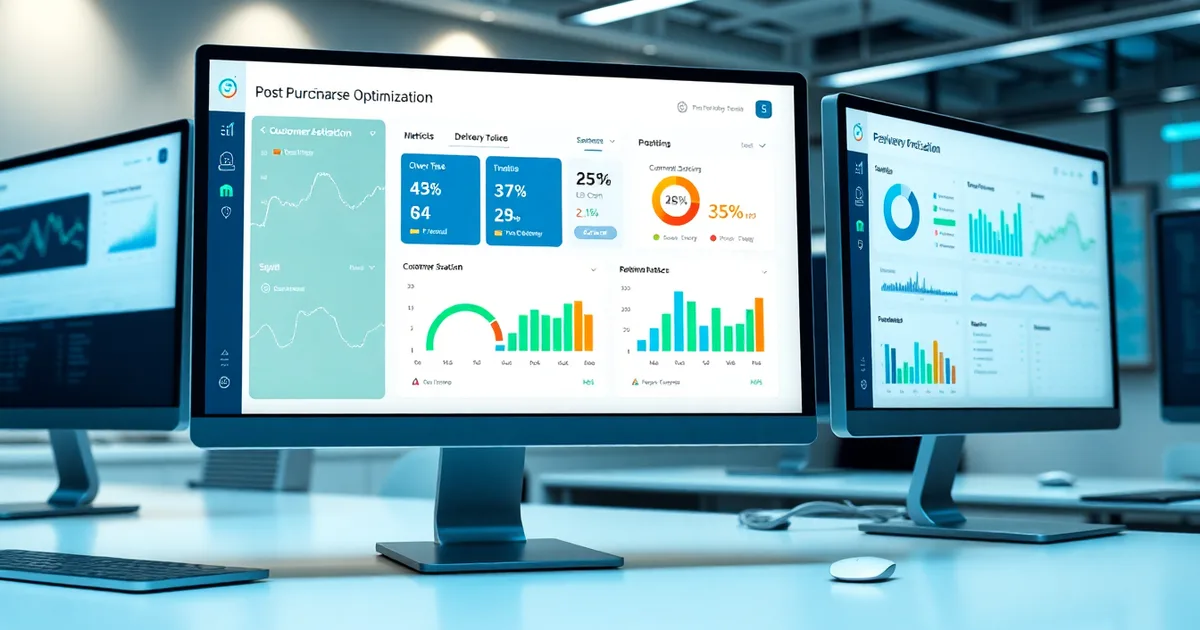
Measuring the effectiveness of ecommerce post-purchase optimization requires comprehensive tracking of multiple key performance indicators that reflect both customer satisfaction and business impact. Successful measurement strategies combine quantitative metrics with qualitative feedback to provide complete performance visibility.
Performance measurement should encompass immediate post-purchase metrics, medium-term engagement indicators, and long-term customer value metrics. This multi-timeframe approach enables businesses to understand both immediate campaign effectiveness and long-term strategic impact.
Critical Post-Purchase Optimization Metrics
- Customer Lifetime Value (CLV) - Total revenue generated per customer over their relationship duration
- Repeat Purchase Rate - Percentage of customers making additional purchases within specified timeframes
- Net Promoter Score (NPS) - Customer willingness to recommend the business to others
- Customer Satisfaction (CSAT) Scores - Direct feedback on post-purchase experience quality
- Order Fulfillment Accuracy - Percentage of orders delivered correctly and on time
- Customer Service Ticket Volume - Frequency of post-purchase support requests
- Return and Exchange Rates - Percentage of products returned or exchanged
- Email Engagement Rates - Open, click, and conversion rates for post-purchase communications
Advanced measurement strategies incorporate cohort analysis, customer journey mapping, and predictive modeling to identify optimization opportunities and forecast future performance trends. Regular performance reviews enable continuous refinement of post-purchase strategies.
What Are the Common Post-Purchase Optimization Mistakes to Avoid?
Understanding common pitfalls in ecommerce post-purchase optimization helps businesses avoid costly mistakes and implement more effective strategies from the outset. Many businesses focus exclusively on acquisition while neglecting post-purchase experiences, resulting in missed revenue opportunities and reduced customer satisfaction.
Communication timing and frequency represent critical factors in post-purchase optimization success. Excessive communications can annoy customers and damage relationships, while insufficient communication creates anxiety and reduces trust in the business.
Critical Mistakes That Undermine Post-Purchase Success
- Generic, non-personalized communications that fail to acknowledge customer preferences
- Overwhelming customers with excessive promotional messages immediately after purchase
- Inadequate delivery tracking information creating customer anxiety and support inquiries
- Delayed response times to customer service requests and delivery issues
- Failure to integrate systems resulting in inconsistent customer experiences
- Neglecting mobile optimization for post-purchase communications and tracking interfaces
- Insufficient data collection limiting personalization and optimization opportunities
Successful post-purchase optimization requires careful balance between engagement and respect for customer preferences, supported by robust technical infrastructure and clear communication strategies.
How to Create Effective Post-Purchase Communication Sequences?
Developing strategic communication sequences is essential for maintaining customer engagement and building relationships throughout the post-purchase journey. Effective sequences combine transactional updates with value-added content, educational resources, and relevant promotional offers.
Communication sequences should be carefully timed to align with customer expectations and delivery milestones. Each communication should serve specific purposes while contributing to the overall customer experience and business objectives.
Optimal Post-Purchase Communication Timeline
- Immediate Order Confirmation - Within minutes of purchase completion
- Payment Processing Update - Within 1-2 hours of successful payment
- Order Fulfillment Notification - When items are picked, packed, and ready to ship
- Shipping Confirmation - When carrier receives packages with tracking information
- In-Transit Updates - Key milestones during shipping process
- Delivery Confirmation - When packages arrive at destination
- Post-Delivery Follow-Up - 2-3 days after delivery for feedback and support
- Experience Survey - 7-10 days after delivery for comprehensive feedback
Each communication should maintain consistent branding, clear messaging, and actionable information while providing opportunities for customer engagement and feedback collection.
Practical Tips for Implementing Post-Purchase Optimization
- Start with comprehensive customer journey mapping to identify all post-purchase touchpoints and optimization opportunities
- Implement robust data collection systems to capture customer preferences, behavior, and feedback across all interactions
- Develop mobile-first communication strategies ensuring optimal experiences across all devices and platforms
- Create clear escalation procedures for handling delivery issues, returns, and customer complaints efficiently
- Establish regular testing protocols for communication timing, messaging, and offer effectiveness
- Integrate customer service systems with order management platforms for seamless support experiences
- Build feedback loops to continuously collect and act upon customer insights and suggestions
- Develop emergency communication protocols for handling widespread delivery disruptions or system issues
- Implement progressive profiling strategies to gradually collect customer preferences without overwhelming initial interactions
- Create customer success metrics dashboards for monitoring key performance indicators and identifying trends
Post-Purchase Optimization Strategy Comparison
| Strategy Type | Implementation Complexity | Average ROI | Time to Results |
|---|---|---|---|
| Basic Email Sequences | Low | 150-200% | 2-4 weeks |
| Advanced Tracking Systems | Medium | 200-300% | 4-8 weeks |
| AI-Powered Personalization | High | 300-500% | 8-12 weeks |
| Loyalty Program Integration | Medium | 250-400% | 6-10 weeks |
| Omnichannel Communication | High | 400-600% | 10-16 weeks |
Successful ecommerce post-purchase optimization requires strategic planning, appropriate technology investments, and continuous refinement based on customer feedback and performance data. Businesses that prioritize post-purchase experiences consistently outperform competitors in customer retention, lifetime value, and sustainable growth. By implementing comprehensive strategies encompassing delivery tracking, strategic upselling, retention programs, and optimized communications, ecommerce businesses can transform post-purchase interactions into powerful drivers of long-term success and customer loyalty in 2026 and beyond.