Ecommerce micro-fulfillment represents a revolutionary approach to order fulfillment that positions small, automated warehouses closer to customers for rapid delivery. In 2026, businesses implementing micro-fulfillment networks achieve 75% faster delivery times and 40% lower last-mile costs compared to traditional fulfillment methods. This comprehensive guide covers everything from technology selection and location planning to cost optimization and performance metrics for successful micro-fulfillment implementation.
What Is Ecommerce Micro-Fulfillment and Why Does It Matter in 2026?
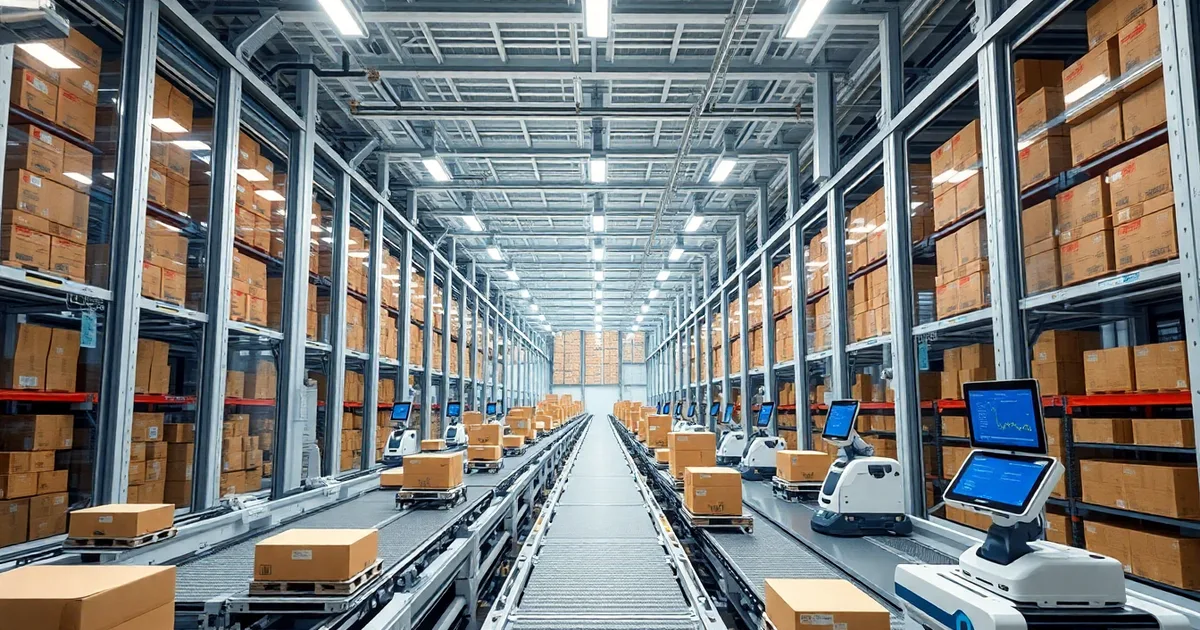
Micro-fulfillment centers (MFCs) are compact, highly automated warehouses typically ranging from 3,000 to 15,000 square feet, strategically located in urban areas to serve local customer demand. Unlike traditional large-scale distribution centers, these facilities prioritize speed and proximity over storage capacity.
The micro-fulfillment model addresses critical ecommerce challenges in 2026:
- Consumer expectations: 73% of customers expect same-day or next-day delivery
- Last-mile costs: Account for 53% of total shipping expenses
- Urban real estate: Limited availability of large warehouse spaces in metropolitan areas
- Sustainability demands: Reduced transportation distances lower carbon emissions by up to 60%
Modern micro-fulfillment networks leverage advanced robotics, AI-powered inventory management, and predictive analytics to process orders within 15-30 minutes of receipt. This operational efficiency enables ultra-fast delivery windows that traditional fulfillment cannot match.
How Do Micro-Fulfillment Centers Differ From Traditional Warehouses?
The fundamental differences between micro-fulfillment and traditional warehousing extend beyond size and location. Automation density in MFCs reaches 85-95%, compared to 25-40% in conventional warehouses.
| Aspect | Micro-Fulfillment | Traditional Warehouse |
|---|---|---|
| Size | 3,000-15,000 sq ft | 100,000-1M+ sq ft |
| Location | Urban, near customers | Industrial zones, suburban |
| Automation Level | 85-95% | 25-40% |
| SKU Capacity | 2,000-10,000 | 50,000-500,000+ |
| Order Processing | 15-30 minutes | 4-24 hours |
| Delivery Radius | 3-10 miles | 50-500 miles |
| Staff Requirements | 2-8 employees | 50-500+ employees |
Micro-fulfillment centers prioritize inventory velocity over variety, focusing on fast-moving products that generate 80% of order volume. This approach enables higher throughput per square foot while maintaining optimal stock levels through sophisticated demand forecasting.
Technology Integration in Modern MFCs
Advanced micro-fulfillment systems integrate multiple technologies for seamless operations:
- Automated Storage and Retrieval Systems (AS/RS): Vertical storage maximizes space utilization
- Robotic picking systems: AI-powered robots handle 90% of order fulfillment tasks
- Computer vision: Real-time inventory tracking and quality control
- Machine learning algorithms: Predictive demand planning and dynamic inventory positioning
What Are the Key Benefits of Implementing Micro-Fulfillment Networks?
Organizations implementing micro-fulfillment networks in 2026 report significant operational and financial improvements across multiple metrics. The strategic advantages extend beyond faster delivery to encompass cost reduction, customer satisfaction, and competitive positioning.
Delivery Speed and Customer Experience
Ultra-fast delivery capabilities represent the primary benefit of micro-fulfillment implementation. Businesses achieve:
- Same-day delivery for 85% of orders within the service radius
- 1-2 hour delivery windows during peak periods
- 99.2% order accuracy rates through automated picking
- 42% increase in customer satisfaction scores
This enhanced delivery performance directly impacts customer lifetime value optimization, with businesses reporting 35% higher retention rates among customers served by micro-fulfillment networks.
Cost Optimization and Operational Efficiency
Despite higher initial investment, micro-fulfillment networks deliver substantial long-term cost savings:
- Labor cost reduction: 60-70% fewer staff requirements per order processed
- Real estate efficiency: 5x higher throughput per square foot compared to traditional warehouses
- Last-mile optimization: 40-50% reduction in delivery costs through proximity
- Inventory holding costs: 25% lower through improved demand forecasting and turnover
How to Plan and Design Your Micro-Fulfillment Network Strategy?
Successful micro-fulfillment implementation requires comprehensive planning that considers market dynamics, customer distribution, and operational requirements. The strategic planning process encompasses location analysis, capacity planning, and technology selection.
Market Analysis and Location Selection
Optimal MFC placement relies on data-driven analysis of multiple factors:
- Customer density mapping: Identify areas with highest order concentration
- Delivery time analysis: Calculate travel times during peak traffic periods
- Competitive landscape: Assess existing fulfillment infrastructure
- Real estate availability: Evaluate suitable properties with appropriate zoning
Advanced analytics platforms process historical order data, demographic information, and traffic patterns to recommend optimal locations. The goal is achieving 90% customer coverage within desired delivery windows while minimizing operational overlap between facilities.
Capacity Planning and Demand Forecasting
Accurate demand forecasting ensures each micro-fulfillment center maintains optimal inventory levels without overstocking. Modern planning incorporates:
- Historical sales data analysis with seasonal adjustments
- Local market trends and demographic factors
- Promotional calendar impact on demand spikes
- External factors (weather, events, economic conditions)
Integration with automated inventory management systems enables real-time demand sensing and dynamic stock allocation across the network.
What Technologies Are Essential for Micro-Fulfillment Success?
The technology stack for micro-fulfillment operations in 2026 combines hardware automation with sophisticated software systems. Technology selection significantly impacts operational efficiency, scalability, and return on investment.
Automation Hardware Components
Modern micro-fulfillment centers deploy multiple automation technologies:
- Goods-to-Person (GTP) systems: Automated storage towers that bring items to picking stations
- Autonomous Mobile Robots (AMRs): Flexible robots that navigate dynamically through facilities
- Robotic picking arms: AI-powered systems capable of handling diverse product types
- Automated sorting systems: High-speed conveyors and sortation equipment
- Packaging automation: Right-sizing systems that optimize package dimensions
Leading automation providers report 99.5% system uptime and processing speeds of 800-1,200 orders per hour per facility, depending on configuration and product mix.
Software and Control Systems
The software layer orchestrates all micro-fulfillment operations through integrated platforms:
| System Type | Function | Key Features |
|---|---|---|
| Warehouse Management System (WMS) | Inventory and order management | Real-time tracking, optimization algorithms |
| Warehouse Control System (WCS) | Equipment coordination | Task routing, equipment scheduling |
| Transportation Management (TMS) | Delivery optimization | Route planning, carrier integration |
| Predictive Analytics | Demand forecasting | ML algorithms, trend analysis |
How Much Does Micro-Fulfillment Implementation Cost in 2026?
Understanding the total cost of ownership for micro-fulfillment networks helps businesses make informed investment decisions. Costs vary significantly based on automation level, facility size, and geographic location.
Initial Investment Requirements
Typical micro-fulfillment center setup costs include:
- Facility preparation: $200,000-500,000 (renovation, utilities, safety systems)
- Automation equipment: $1.5M-4M (robots, storage systems, conveyors)
- Software licensing: $150,000-400,000 (WMS, WCS, analytics platforms)
- Installation and integration: $300,000-800,000 (system deployment, testing)
- Training and launch: $50,000-150,000 (staff training, go-live support)
Total initial investment typically ranges from $2.2M to $5.8M per facility, with higher automation levels commanding premium pricing but delivering superior long-term ROI.
Ongoing Operational Expenses
Monthly operational costs for micro-fulfillment centers include:
- Facility lease or mortgage payments: $15,000-40,000
- Staff wages (2-8 employees): $12,000-25,000
- Utilities and maintenance: $8,000-15,000
- Software subscriptions and support: $5,000-12,000
- Insurance and compliance: $3,000-8,000
Most businesses achieve break-even within 18-24 months when processing 2,000-4,000 orders daily per facility.
What Are the Implementation Challenges and How to Overcome Them?
Micro-fulfillment implementation presents unique challenges that require careful planning and execution. Understanding common implementation obstacles enables proactive risk mitigation and smoother deployments.
Technical Integration Challenges
System integration complexity increases with existing technology infrastructure:
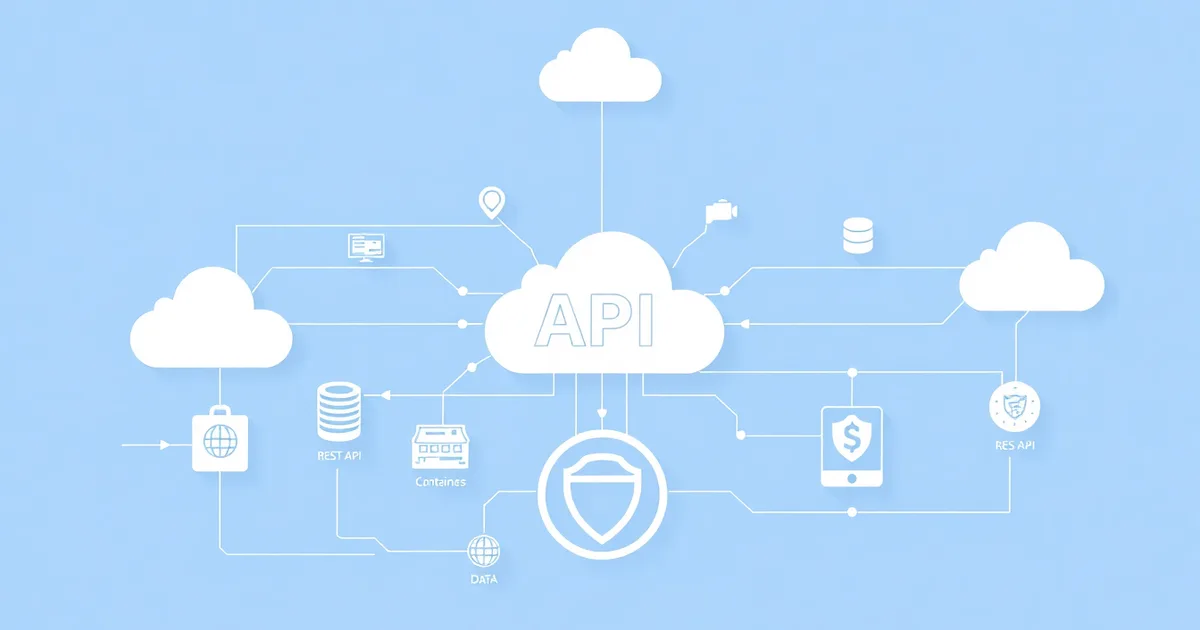
- Legacy system compatibility: Older ecommerce platforms may require API development
- Data synchronization: Real-time inventory updates across multiple systems
- Scalability planning: Ensuring systems can handle peak demand periods
- Backup and redundancy: Preventing single points of failure
Successful implementations prioritize headless commerce architecture that provides flexibility for micro-fulfillment integration without disrupting existing operations.
Operational and Staffing Considerations
Change management becomes critical when transitioning from traditional fulfillment models:
- Staff retraining for automated systems and new processes
- Performance metrics adjustment to reflect micro-fulfillment capabilities
- Customer communication about enhanced delivery options
- Supplier coordination for distributed inventory management
How to Measure and Optimize Micro-Fulfillment Performance?
Continuous performance monitoring and optimization ensure micro-fulfillment networks deliver expected results. Key performance indicators (KPIs) should align with business objectives and customer expectations.
Essential Metrics for Success Measurement
Track these critical metrics to evaluate micro-fulfillment performance:
- Order processing time: Average time from order receipt to shipment
- Delivery speed: Percentage of orders delivered within promised timeframes
- Order accuracy: Error rates and customer satisfaction scores
- Throughput capacity: Orders processed per hour during peak periods
- Cost per shipment: Total fulfillment cost divided by orders processed
- Inventory turnover: How quickly products move through facilities
Advanced analytics platforms provide real-time dashboards and automated alerts when metrics deviate from targets, enabling rapid response to operational issues.
Optimization Strategies and Best Practices
Continuous improvement methodologies help maximize micro-fulfillment ROI:
- Dynamic inventory positioning: AI algorithms optimize product placement based on demand patterns
- Predictive maintenance: Prevent equipment downtime through sensor monitoring
- Demand sensing: Real-time market analysis for proactive inventory adjustments
- Route optimization: Dynamic delivery routing based on traffic and order priority
Integration with AI-powered personalization engines enables micro-fulfillment centers to anticipate individual customer preferences and pre-position inventory accordingly.
What Does the Future Hold for Micro-Fulfillment in 2026 and Beyond?
The micro-fulfillment landscape continues evolving with emerging technologies and changing consumer behaviors. Future developments will further enhance capabilities while reducing implementation barriers.
Emerging Technologies and Trends
Several technological advances are reshaping micro-fulfillment in 2026:
- Autonomous delivery integration: Direct connection between MFCs and drone/robot delivery systems
- Edge AI computing: Real-time decision making without cloud dependency
- Sustainable automation: Energy-efficient robotics and renewable power systems
- Modular facility designs: Rapidly deployable and reconfigurable MFC systems
These innovations align with broader ecommerce trends toward sustainability and efficiency, supporting businesses' environmental goals while improving operational performance.
Market Expansion and Accessibility
Micro-fulfillment adoption is expanding beyond large retailers to serve diverse market segments:
- Mid-market retailers: Shared MFC models reduce individual investment requirements
- Specialized verticals: Pharmacy, grocery, and fashion-specific automation
- International markets: Adaptation to local regulations and consumer preferences
- Rural applications: Modified MFC designs for lower-density markets
Practical Implementation Tips for Successful Micro-Fulfillment Deployment
Based on successful implementations across various industries, these practical recommendations help ensure micro-fulfillment project success:
- Start with pilot programs: Test one location thoroughly before network expansion
- Prioritize data quality: Clean, accurate historical data improves forecasting and planning
- Plan for scalability: Design systems to handle 2-3x current order volumes
- Invest in change management: Comprehensive staff training and communication strategies
- Establish vendor partnerships: Work with experienced automation providers and integrators
- Monitor performance closely: Daily metric reviews during initial months of operation
- Maintain flexibility: Design processes that can adapt to changing business requirements
- Focus on integration: Seamless connection with existing ecommerce and logistics systems
- Consider shared facilities: Collaborative MFCs reduce costs for smaller businesses
- Plan for maintenance: Establish relationships with equipment service providers
Conclusion: Building Your Competitive Advantage Through Micro-Fulfillment
Ecommerce micro-fulfillment represents a strategic imperative for businesses seeking to meet evolving customer expectations while optimizing operational costs. The implementation of micro-fulfillment networks in 2026 offers unprecedented opportunities to achieve same-day delivery capabilities, reduce logistics expenses, and enhance customer satisfaction through technology-driven automation.
Success requires careful planning, appropriate technology selection, and commitment to continuous optimization. Businesses that invest in micro-fulfillment infrastructure today position themselves to capture market share and build lasting competitive advantages in an increasingly demanding ecommerce landscape. The key lies in understanding your specific market requirements, selecting the right technology partners, and executing a well-planned implementation strategy that aligns with broader business objectives.