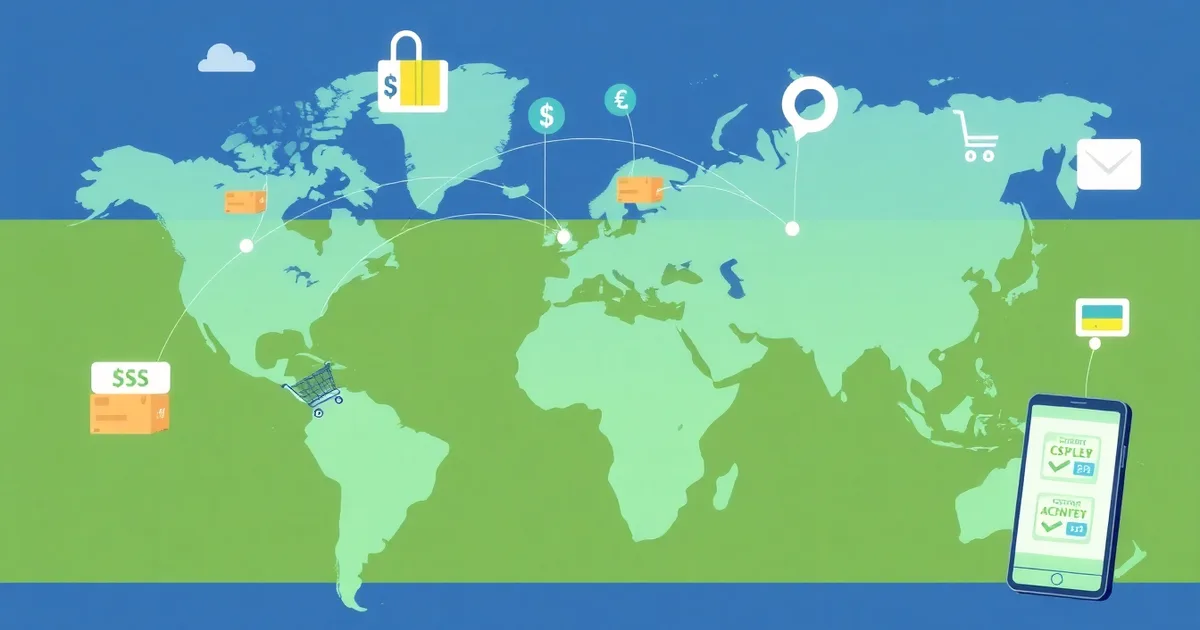
Cross border ecommerce represents the future of online retail, with global ecommerce sales projected to reach $8.1 trillion by 2026. This comprehensive guide covers essential international selling strategies, regulatory compliance, shipping solutions, tax obligations, and payment systems needed for successful global expansion. Whether you're expanding from domestic markets or launching internationally, understanding these core components is crucial for building a profitable cross-border business.
What Is Cross Border Ecommerce and Why Does It Matter in 2026?
Cross border ecommerce refers to online transactions where buyers and sellers are located in different countries. This business model has exploded in popularity, with cross-border sales accounting for approximately 22% of global ecommerce revenue in 2026.
The key drivers behind this growth include increased internet penetration, mobile commerce adoption, and consumer demand for unique products from international markets. Additionally, platforms like Amazon, eBay, and specialized cross-border marketplaces have simplified the process for businesses of all sizes.
For businesses, cross border ecommerce offers access to untapped markets, revenue diversification, and opportunities to scale beyond domestic limitations. However, success requires careful planning and understanding of international commerce complexities.
How to Develop Effective International Selling Strategies?
Successful cross border ecommerce begins with comprehensive market research and strategic planning. International selling strategies must account for cultural differences, local competition, and consumer behavior patterns in target markets.
Start by analyzing market potential using tools like Google Market Finder, examining search volumes, competition levels, and economic indicators. Focus on countries with strong ecommerce infrastructure, favorable exchange rates, and cultural alignment with your products.
Consider these proven strategies for international expansion:
- Market-specific localization: Adapt product descriptions, images, and marketing messages to local preferences
- Competitive pricing analysis: Research local pricing standards and adjust for currency fluctuations
- Cultural sensitivity: Understand local holidays, customs, and shopping behaviors
- Partnership approach: Consider working with local distributors or dropshipping partners for market entry
- Platform diversification: Utilize multiple sales channels including marketplaces and direct-to-consumer approaches
Market Research and Target Selection
Effective market selection involves analyzing multiple factors including market size, competition, regulatory environment, and logistical feasibility. Use data from sources like Euromonitor, Statista, and government trade organizations to make informed decisions.
Consider starting with English-speaking markets or countries with established trade relationships with your home country to minimize initial barriers.
What Regulations Must Cross Border Ecommerce Businesses Comply With?
Regulatory compliance is perhaps the most complex aspect of cross border ecommerce, as businesses must navigate multiple jurisdictions simultaneously. Each country maintains specific requirements for product standards, consumer protection, data privacy, and business registration.
Key regulatory areas include:
- Product compliance: CE marking for Europe, FCC certification for electronics in the US, and specific safety standards for various product categories
- Consumer protection laws: Return policies, warranty requirements, and dispute resolution procedures
- Data privacy regulations: GDPR in Europe, CCPA in California, and similar privacy laws globally
- Business registration: VAT registration, business licenses, and tax identification numbers
- Restricted products: Understanding what products cannot be sold in specific markets
European Union Regulations
The EU represents one of the largest cross border ecommerce markets but requires careful attention to regulations. Key requirements include GDPR compliance, CE marking for applicable products, and VAT registration for businesses exceeding €10,000 in annual EU sales.
United States Market Requirements
Selling to US consumers requires understanding FTC regulations, state-specific laws, and product liability requirements. Consider working with US-based legal counsel for complex product categories or high-volume operations.
How to Optimize International Shipping for Cross Border Ecommerce?
International shipping often determines the success or failure of cross border ecommerce operations. Customers expect reliable delivery times, transparent costs, and seamless tracking experiences similar to domestic purchases.
Successful shipping strategies involve multiple components:
- Carrier partnerships: Work with established international carriers like DHL, FedEx, UPS, or postal services
- Shipping zones and pricing: Create clear pricing structures based on destination zones and package specifications
- Customs documentation: Ensure accurate customs forms, commercial invoices, and product declarations
- Insurance and tracking: Provide comprehensive tracking and insurance options for customer peace of mind
- Returns management: Establish efficient international returns processes
Shipping Method Comparison
| Shipping Method | Delivery Time | Cost Level | Tracking Quality | Best For |
|---|---|---|---|---|
| Express Courier | 1-3 days | High | Excellent | High-value, urgent items |
| Standard Air | 5-10 days | Medium | Good | Regular ecommerce orders |
| Economy Air | 10-21 days | Low | Basic | Low-value, non-urgent items |
| Sea Freight | 30-45 days | Very Low | Limited | Bulk orders, heavy items |
Warehousing and Fulfillment Solutions
Consider establishing fulfillment centers in key markets to reduce shipping times and costs. Services like Amazon FBA provide international fulfillment networks that can significantly improve delivery performance.
What Are the Tax Implications of Cross Border Ecommerce?
Tax compliance in cross border ecommerce involves multiple layers including sales taxes, import duties, and corporate income taxes. Understanding these obligations is crucial for maintaining profitability and legal compliance.
Major tax considerations include:
- Value Added Tax (VAT): Required in most European countries and many other jurisdictions
- Sales tax: State-level requirements in the US following the Wayfair decision
- Import duties and tariffs: Costs that may be passed to customers or absorbed by the business
- Corporate income tax: Potential obligations in countries where you have significant business presence
- Digital services taxes: New regulations affecting online businesses in various countries
VAT Registration and Compliance
VAT registration thresholds vary by country, with some requiring registration from the first sale while others have minimum revenue thresholds. Consider using VAT compliance services to manage registration, filing, and payment obligations across multiple jurisdictions.
Which Payment Solutions Work Best for International Customers?
Payment solutions must accommodate diverse customer preferences, currencies, and payment methods across different markets. Offering localized payment options can significantly improve conversion rates and customer satisfaction.
Essential payment considerations include:
- Multiple currencies: Display prices and accept payments in local currencies
- Local payment methods: Support popular regional options like Alipay, SEPA, or local bank transfers
- Security standards: Maintain PCI DSS compliance and fraud protection
- Mobile optimization: Ensure seamless mobile payment experiences
- Transparent pricing: Clearly communicate exchange rates and any additional fees
Popular Payment Providers for Cross Border Ecommerce
- PayPal: Widely accepted globally with strong buyer protection
- Stripe: Excellent for multi-currency support and developer-friendly integration
- Adyen: Single platform supporting hundreds of payment methods globally
- WorldPay: Strong presence in European and Asian markets
- 2Checkout (now Verifone): Specializes in cross border payment processing
How to Handle Currency Exchange and Pricing Strategies?
Currency management significantly impacts profitability in cross border ecommerce. Fluctuating exchange rates can erode margins or create competitive advantages depending on your approach.
Develop a comprehensive currency strategy that includes:
- Dynamic pricing: Automatically adjust prices based on current exchange rates
- Hedging strategies: Use financial instruments to protect against currency volatility
- Local pricing research: Ensure prices remain competitive in local markets
- Psychological pricing: Adapt pricing strategies to local market expectations
What Customer Service Standards Should International Sellers Maintain?
Exceptional customer service becomes even more critical in cross border ecommerce due to increased complexity and customer concerns about international purchases.
Key service elements include:
- Multilingual support: Provide customer service in customers' native languages
- Time zone coverage: Offer support during customers' local business hours
- Clear communication: Maintain transparency about shipping times, costs, and policies
- Proactive updates: Keep customers informed about order status and potential delays
- Easy returns: Simplify international return processes as much as possible
Leveraging Technology for Customer Support
Implement chatbots, automated email marketing systems, and self-service portals to provide 24/7 support while managing costs effectively.
How to Optimize Marketing for International Audiences?
International marketing requires careful adaptation of messaging, channels, and tactics for different cultural contexts and market conditions.
Effective international marketing strategies include:
- Content localization: Translate and culturally adapt all marketing materials
- Social media adaptation: Use platform preferences specific to each market
- SEO optimization: Optimize for local search engines and language variations
- Influencer partnerships: Work with local influencers who understand market dynamics
- Paid advertising: Adapt ad creative and targeting for local audiences
Social Commerce Integration
Leverage social commerce platforms popular in target markets, such as WeChat for China or Instagram Shopping for Western markets.
What Technology Infrastructure Supports Cross Border Ecommerce?
Robust technology infrastructure forms the foundation of successful cross border ecommerce operations. Your platform must handle multiple currencies, languages, tax calculations, and shipping options seamlessly.
Essential technology components include:
- Multi-currency ecommerce platform: Support for automatic currency conversion and local pricing
- Translation management: Professional translation tools and workflows
- Tax calculation software: Automated tax calculations for multiple jurisdictions
- Inventory management: Track stock across multiple warehouses and channels
- Analytics and reporting: Monitor performance across different markets
Platform Optimization
Consider platforms like Shopify Plus for conversion optimization or custom solutions that can handle the complexity of international operations.
Practical Tips for Cross Border Ecommerce Success
- Start small: Begin with 1-2 target markets and expand gradually
- Invest in localization: Professional translation and cultural adaptation pay dividends
- Monitor competition: Regularly analyze competitor strategies and pricing in target markets
- Build local partnerships: Collaborate with local distributors, influencers, and service providers
- Stay compliant: Regularly review and update compliance procedures as regulations change
- Focus on mobile: Ensure excellent mobile experiences as mobile commerce dominates in many international markets
- Test thoroughly: Conduct comprehensive testing of checkout processes, payment methods, and shipping options
- Measure performance: Track key metrics like conversion rates, average order values, and customer acquisition costs by market
- Plan for returns: Develop efficient international returns processes before they're needed
- Maintain documentation: Keep detailed records of all international transactions for tax and compliance purposes
Cross Border Ecommerce Platform Comparison
| Platform | Multi-currency | Tax Automation | Shipping Integration | Best For |
|---|---|---|---|---|
| Shopify Plus | Excellent | Good | Excellent | Growing businesses |
| Magento Commerce | Excellent | Excellent | Good | Enterprise operations |
| WooCommerce | Good | Fair | Good | Budget-conscious startups |
| BigCommerce | Good | Good | Good | Mid-market businesses |
Cross border ecommerce presents tremendous opportunities for businesses willing to navigate its complexities. Success requires careful planning, significant investment in localization and compliance, and ongoing optimization based on market performance. By following the strategies outlined in this guide and staying current with evolving regulations and customer expectations, businesses can build profitable international operations that drive long-term growth. Remember that cross border ecommerce is not just about selling internationally—it's about building trust with customers across cultures and delivering exceptional experiences that transcend geographic boundaries.