Cybersecurity social media stalking protection has become a critical concern in 2026, as digital stalking behaviors evolve alongside advancing technology. This comprehensive guide provides evidence-based strategies for recognizing, preventing, and handling online stalking across social media platforms. Digital stalking affects approximately 15% of adults annually, with victims experiencing harassment, privacy violations, and psychological distress through coordinated online campaigns, unauthorized tracking, and persistent unwanted contact.
What Is Digital Stalking and How Does It Manifest on Social Media?
Digital stalking refers to the use of technology and online platforms to harass, monitor, or intimidate individuals without their consent. Unlike traditional stalking, digital variants leverage social media's interconnected nature to create persistent, multi-platform harassment campaigns.
Common manifestations include excessive monitoring of social media activity, creating fake profiles to bypass blocks, sharing private information publicly, and coordinating harassment through multiple accounts. Stalkers often exploit platform features like location sharing, story views, and mutual connections to maintain unwanted contact.
- Persistent messaging across multiple platforms despite blocks
- Creating fake accounts to circumvent privacy settings
- Monitoring and commenting on all social media activity
- Sharing private photos or information without consent
- Using location data to track physical movements
- Coordinating with others to amplify harassment
How to Recognize Early Warning Signs of Digital Stalking?
Early detection is crucial for effective cybersecurity social media stalking protection. Warning signs often begin subtly but escalate in frequency and intensity over time.
Victims should watch for unusual activity patterns, such as immediate responses to posts regardless of timing, detailed knowledge of offline activities shared online, or persistent attempts to re-establish contact after clear boundaries have been set. Recognizing subtle warning signs early can prevent escalation.
- Excessive liking, commenting, or sharing of old posts
- Detailed knowledge of your daily activities and schedule
- Persistent contact attempts after blocking or unfriending
- Screenshots or references to deleted posts or stories
- Unwanted tags in posts or photos with mutual connections
- Creation of fan accounts or tribute pages without permission
What Are the Most Effective Privacy Settings for Social Media Protection?
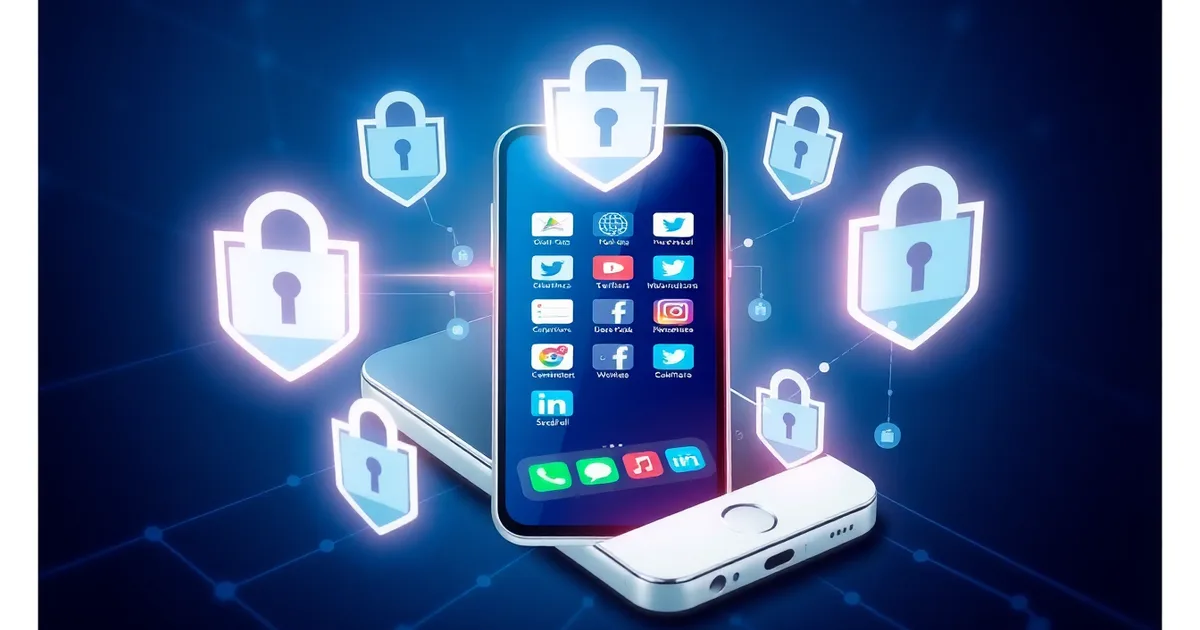
Implementing robust privacy configurations across all social media platforms forms the foundation of digital stalking prevention. Each platform offers unique security features that, when properly configured, create multiple layers of protection.
Privacy settings should be reviewed monthly, as platforms frequently update their policies and default configurations. The principle of least privilege applies—share the minimum necessary information with the smallest possible audience. Complete data protection strategies provide additional security layers for dating and social platforms.
| Platform | Essential Settings | Advanced Protection |
|---|---|---|
| Private profile, friends-only posts | Disable face recognition, limit past posts | |
| Private account, story restrictions | Disable activity status, limit story sharing | |
| Twitter/X | Protected tweets, photo tagging approval | Disable location services, limit discoverability |
| Private profile viewing, connection restrictions | Disable activity broadcasts, limit search visibility | |
| TikTok | Private account, comment filtering | Disable location sharing, restrict duets/stitches |
How to Document and Report Digital Stalking Incidents?
Proper documentation creates a legal trail and provides platforms with evidence needed for enforcement actions. Digital evidence collection requires systematic approaches to preserve authenticity and maintain chain of custody.
Screenshots should include timestamps, URLs, and account information whenever possible. Save original URLs and use archive services to preserve content that might be deleted. Many jurisdictions now recognize digital stalking as a criminal offense, making thorough documentation essential for legal proceedings.
- Take screenshots with full browser windows showing URLs and timestamps
- Save original messages and posts before the stalker can delete them
- Use archive.org or similar services to preserve web pages
- Document the impact on your daily life and emotional wellbeing
- Keep records of all platform reports and law enforcement contacts
- Maintain a chronological log of incidents with dates and descriptions
What Technical Tools Provide Advanced Protection Against Digital Stalking?
Beyond platform settings, specialized cybersecurity tools offer enhanced protection against sophisticated stalking attempts. These solutions provide monitoring, blocking, and evidence collection capabilities that standard social media settings cannot match.
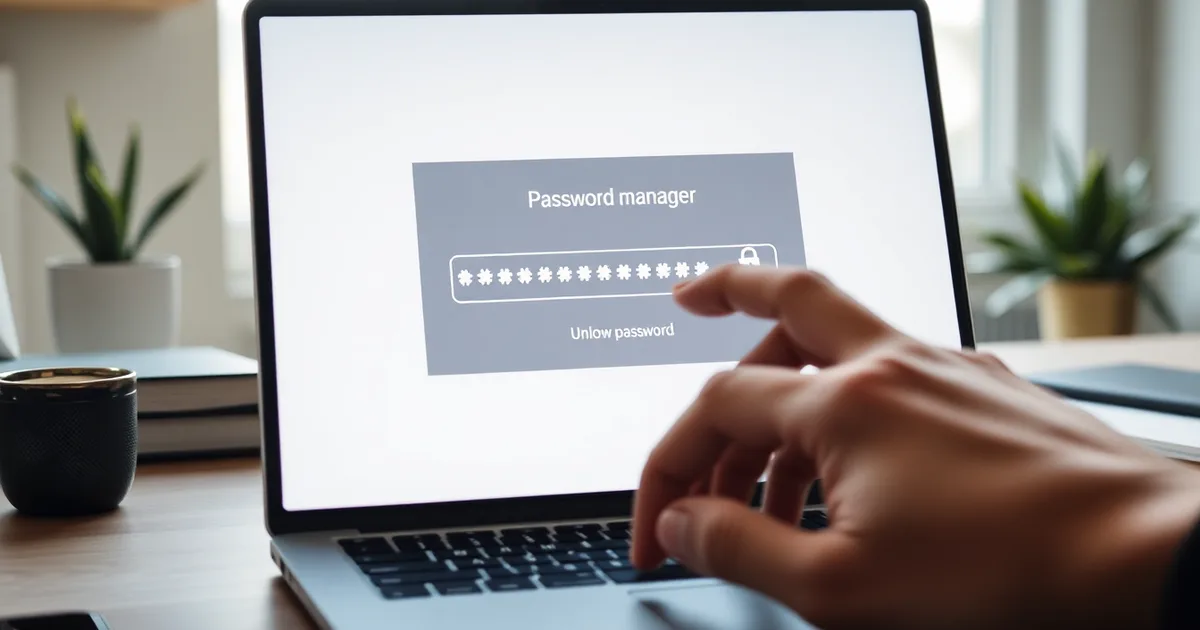
VPN services mask your IP address and location, while secure browsers prevent tracking scripts from following your online activity. Password managers ensure account security, which is crucial since password security in dating and social contexts often determines overall digital safety.
Essential Security Software
- VPN Services: NordVPN, ExpressVPN, or Surfshark for IP masking
- Secure Browsers: Tor Browser or Brave for anonymous browsing
- Password Managers: 1Password, Bitwarden, or LastPass for account security
- Anti-malware: Malwarebytes or Norton for device protection
- Monitoring Tools: Google Alerts for name/image monitoring
- Evidence Collection: Hunchly or WebPreserver for legal documentation
How to Respond When Digital Stalking Escalates?
When preventive measures fail and stalking behavior intensifies, immediate action becomes critical. Escalation often includes threats of physical harm, doxxing, or coordinated harassment campaigns involving multiple perpetrators.
Contact law enforcement when stalking includes threats, follows you across multiple platforms despite blocks, or involves offline elements like showing up at your workplace or home. Many police departments now have dedicated cybercrime units trained in digital evidence collection and stalking laws.
- Immediately document the escalation with screenshots and reports
- Report to platform administrators and law enforcement simultaneously
- Consider temporary deactivation of social media accounts
- Inform trusted friends and family about the situation
- Consult with a cybersecurity professional for comprehensive protection
- Seek legal counsel if threats involve physical harm or defamation
What Legal Protections Exist Against Digital Stalking in 2026?
Legal frameworks for digital stalking have strengthened significantly in 2026, with most jurisdictions now recognizing online harassment as equivalent to physical stalking. Federal and state laws provide both criminal penalties and civil remedies for victims.
The updated Communications Decency Act includes provisions specifically addressing coordinated online harassment, while most states have enhanced their stalking statutes to include digital behaviors. Restraining orders can now include social media restrictions and digital contact prohibitions.
"The law treats digital stalking with the same seriousness as physical stalking. Victims have multiple legal avenues for protection and recourse." - National Center for Victims of Crime, 2026
How Can Organizations and Employers Help Prevent Digital Stalking?
Workplace policies and organizational support play crucial roles in comprehensive cybersecurity social media stalking protection. Employers can implement security measures and support systems that extend beyond individual efforts.
Many companies now offer employee assistance programs that include cybersecurity consultations and legal support for stalking victims. Corporate social media policies should address both professional account security and personal safety considerations. Digital wellness programs can also help employees maintain healthier online boundaries.
Organizational Best Practices
- Provide cybersecurity training that includes personal safety topics
- Offer employee assistance programs with digital safety resources
- Implement clear social media policies for professional accounts
- Establish protocols for employees experiencing digital harassment
- Provide secure communication tools for sensitive work discussions
- Regular security audits of company social media presence
What Preventive Measures Should Everyone Implement?
Proactive prevention remains the most effective approach to digital stalking protection. These measures should be implemented before any stalking behavior occurs, creating robust defenses against potential threats.
Regular security audits of your online presence help identify vulnerabilities before stalkers can exploit them. This includes reviewing privacy settings, cleaning up old posts that reveal personal information, and ensuring that dating app security measures align with your social media protection strategies.
- Conduct Monthly Privacy Audits: Review and update privacy settings across all platforms
- Limit Personal Information Sharing: Avoid posting location data, work schedules, or travel plans
- Use Strong Authentication: Enable two-factor authentication on all social media accounts
- Monitor Your Digital Footprint: Set up Google Alerts for your name and images
- Maintain Separate Professional Accounts: Keep personal and professional social media separate
- Educate Your Network: Inform friends and family about social media safety practices
- Regular Security Software Updates: Keep all devices and applications current with security patches
- Practice Safe Dating App Usage: Apply cybersecurity principles to romantic connections online
How to Support Someone Experiencing Digital Stalking?
Supporting victims of digital stalking requires understanding, patience, and practical assistance. Friends and family members play crucial roles in both emotional support and security implementation.
Avoid minimizing the victim's concerns or suggesting they simply "get off social media." Digital stalking has real psychological and sometimes physical consequences. Digital recovery strategies can help victims rebuild their online presence safely after stalking incidents.
- Take their concerns seriously and avoid minimizing the threat
- Help them document incidents and navigate reporting processes
- Assist with privacy setting configurations across platforms
- Provide emotional support without judgment
- Help them connect with professional cybersecurity and legal resources
- Respect their decisions about how to handle the situation
What Future Trends Should We Expect in Digital Stalking Protection?
Emerging technologies in 2026 bring both new threats and enhanced protection capabilities. Artificial intelligence now plays significant roles in both stalking behaviors and prevention systems.
AI-powered harassment detection systems can identify coordinated stalking campaigns across multiple platforms, while machine learning algorithms help predict escalation patterns. However, stalkers also use AI to create more sophisticated fake profiles and deepfake content. AI-based protection systems are becoming essential tools in the cybersecurity arsenal against digital predators.
Blockchain-based identity verification systems and enhanced biometric authentication are making fake account creation more difficult, while privacy-focused social media platforms gain popularity among users seeking better security controls.
Cybersecurity social media stalking protection requires ongoing vigilance, comprehensive security measures, and community support. As digital threats evolve, staying informed about the latest protection strategies and legal resources ensures you can maintain your safety and privacy online. Remember that digital stalking is a serious crime with real consequences—both for perpetrators and victims. By implementing these comprehensive protection strategies and supporting others in their digital safety efforts, we can create safer online communities for everyone in 2026 and beyond.