Dating app data breach protection has become critically important as online dating platforms increasingly become targets for cybercriminals seeking personal information. With over 366 million dating app users worldwide in 2026, protecting your sensitive data requires comprehensive cybersecurity strategies including secure password management, privacy settings optimization, and proactive monitoring. This complete guide provides evidence-based protection methods, breach response protocols, and advanced security measures to safeguard your personal information while maintaining meaningful online dating experiences.
What Are Dating App Data Breaches and Why Should You Be Concerned?
A dating app data breach occurs when unauthorized individuals gain access to personal information stored on dating platforms, including photos, messages, location data, and profile details. These breaches have increased by 78% since 2024, making cybersecurity awareness essential for all online dating users.
Dating apps collect extensive personal data that makes them attractive targets for cybercriminals. This information includes intimate conversations, relationship preferences, sexual orientation, and often financial details for premium subscriptions. When compromised, this data can lead to identity theft, blackmail, or public embarrassment.
Recent statistics show that 43% of dating app users have experienced some form of privacy violation, while 23% report unauthorized access to their accounts. The financial impact averages $1,847 per victim in recovery costs, making prevention far more cost-effective than remediation.
Understanding comprehensive privacy protection forms the foundation of effective dating app security strategies.
How Do Dating App Data Breaches Occur?
Understanding breach mechanisms helps users implement appropriate dating app data breach protection measures. Cybercriminals exploit various vulnerabilities to access dating app databases and individual user accounts.
Common Attack Vectors
- Weak password exploitation: Brute force attacks targeting simple or reused passwords
- Phishing campaigns: Fake emails or messages directing users to malicious login pages
- Man-in-the-middle attacks: Intercepting data transmission on unsecured networks
- Third-party integration vulnerabilities: Exploiting connections with social media platforms
- Malware infiltration: Malicious software capturing login credentials and personal data
Database-level breaches typically result from inadequate server security, unpatched software vulnerabilities, or insider threats. These large-scale incidents affect thousands of users simultaneously and often remain undetected for months.
Individual account compromises frequently stem from poor security practices, such as using public Wi-Fi for dating app access or falling victim to social engineering attacks designed to harvest login credentials.
What Personal Information Is at Risk During Dating App Breaches?
Dating apps store comprehensive personal profiles that create significant privacy risks when compromised. Understanding what data is vulnerable helps users make informed decisions about information sharing and privacy settings.
| Data Category | Information Type | Potential Misuse |
|---|---|---|
| Profile Information | Photos, age, location, occupation | Identity theft, catfishing, stalking |
| Communication Data | Messages, voice notes, video calls | Blackmail, embarrassment, manipulation |
| Behavioral Analytics | Swipe patterns, preferences, activity times | Targeted attacks, social engineering |
| Financial Information | Payment methods, subscription details | Financial fraud, unauthorized charges |
| Location Data | GPS coordinates, travel patterns | Physical stalking, home address discovery |
Sensitive demographic information such as sexual orientation, relationship status, and personal preferences creates additional risks for discrimination, harassment, or targeted criminal activity. This data proves particularly valuable for criminals conducting sophisticated romance scams or identity theft operations.
How Can You Implement Strong Password Security for Dating Apps?
Password security forms the first line of defense in dating app data breach protection. Implementing robust password practices significantly reduces the risk of unauthorized account access and personal data compromise.
Essential Password Requirements
- Unique passwords: Create distinct passwords for each dating app to prevent cascade breaches
- Complex composition: Use minimum 12 characters with uppercase, lowercase, numbers, and symbols
- Avoid personal information: Exclude birthdate, name, or other easily guessable details
- Regular updates: Change passwords every 90 days or immediately after suspected compromise
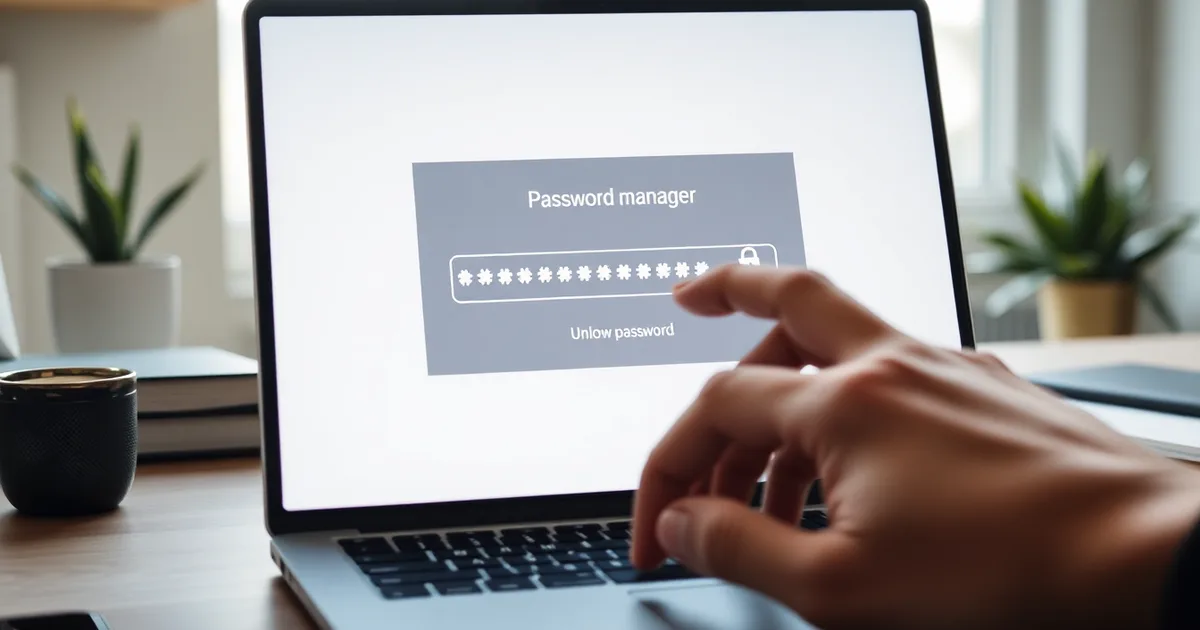
- Password manager utilization: Use reputable password management tools for generation and storage
Two-factor authentication (2FA) provides an additional security layer that prevents access even when passwords are compromised. Enable 2FA using authenticator apps rather than SMS, which can be intercepted through SIM swapping attacks.
Security questions should be treated with equal importance to passwords. Use unguessable answers or treat security questions as additional passwords, storing responses in your password manager for consistency.
What Privacy Settings Should You Configure for Maximum Protection?
Proper privacy configuration significantly reduces data exposure risk and limits the potential impact of dating app breaches. Most platforms offer comprehensive privacy controls that users often overlook or misconfigure.
Critical Privacy Configuration Steps
- Location sharing: Disable precise location and use approximate location only when necessary
- Photo access: Limit app permissions to specific photos rather than entire camera roll
- Social media linking: Minimize connections to external platforms and review shared information
- Contact syncing: Disable automatic contact importing to protect friends' privacy
- Data retention: Regularly delete old messages and review stored personal information
- Profile visibility: Restrict profile visibility to matches only rather than public browsing
Review and adjust privacy settings monthly, as apps frequently update policies and introduce new data collection features. Document your preferred settings to maintain consistency across updates and account recoveries.
Consider the implications of premium features that often require additional personal information. Evaluate whether enhanced functionality justifies increased data exposure and potential breach impact.
How Should You Respond When a Dating App Breach Occurs?
Swift response to dating app breaches minimizes damage and protects against secondary attacks. Having a predetermined response plan ensures thorough protection measures during the stress of a security incident.
Immediate Response Actions
- Password changes: Immediately update passwords for affected and related accounts
- Account monitoring: Check for unauthorized activity across all online accounts
- Credit monitoring: Enable credit monitoring and fraud alerts with major bureaus
- Documentation: Screenshot evidence of breach notifications and account changes
- Communication security: Review recent conversations for sensitive information exposure
Contact your bank and credit card companies to inform them of potential fraud risk. Consider placing a temporary freeze on credit reports if financial information was compromised.
Monitor for signs of identity theft including unexpected account notifications, credit inquiries, or suspicious communication from strangers referencing personal information from your dating profile.
What Advanced Security Measures Can Enhance Dating App Protection?
Beyond basic security practices, advanced measures provide comprehensive dating app data breach protection for users handling sensitive personal or professional information that requires additional safeguards.
Advanced Protection Strategies
- VPN usage: Always connect through reputable VPN services, especially on public networks
- Device security: Enable device encryption and biometric locks for app access
- Network segmentation: Use separate devices or accounts for dating apps versus professional activities
- Regular audits: Monthly review of app permissions, stored data, and privacy settings
- Secure communication: Move sensitive conversations to encrypted messaging platforms
- Photo metadata removal: Strip location and device information from photos before uploading
Consider using burner phone numbers or email addresses specifically for dating apps to limit cross-platform data correlation. This approach provides additional isolation if one platform experiences a breach.
Implement regular data backups for important conversations or connections, storing them securely offline. This ensures relationship continuity even if accounts are compromised or permanently deleted during security incidents.
Advanced users should consider understanding AI-powered threats that increasingly target dating app users through sophisticated automated attacks.
How Can You Identify Suspicious Activity on Your Dating App Accounts?
Early detection of suspicious activity enables rapid response before significant damage occurs. Recognizing warning signs helps users identify potential breaches or unauthorized access attempts quickly.
Warning Signs of Account Compromise
- Unusual login notifications: Alerts for logins from unfamiliar locations or devices
- Changed settings: Modifications to privacy settings, profile information, or preferences
- Unexpected matches: Sudden increase in matches or connections you didn't initiate
- Missing conversations: Deleted messages or conversations you didn't remove
- New photos: Images added to your profile without your knowledge
- Modified profile: Changes to bio, interests, or demographic information
Monitor your email for unusual dating app notifications, including password reset requests you didn't initiate or account verification emails. These often indicate attempted unauthorized access.
Check your matches and conversations regularly for signs that someone else has been using your account. Unfamiliar conversations or aggressive responses that don't match your communication style suggest account compromise.
What Should You Know About Dating App Company Security Practices?
Understanding how dating app companies handle security helps users make informed platform choices and set appropriate expectations for data protection. Company transparency and security practices vary significantly across platforms.
Reputable dating apps implement multiple security layers including data encryption, regular security audits, and prompt breach notification procedures. Look for companies that publish transparency reports and undergo independent security assessments.
Research each platform's data retention policies, understanding how long personal information remains stored after account deletion. Some companies maintain user data indefinitely, while others implement automatic deletion schedules.
Key Security Features to Evaluate
- End-to-end encryption: Protection for messages and sensitive communications
- Data minimization: Collection of only necessary information for app functionality
- Regular updates: Consistent security patches and feature improvements
- Transparent policies: Clear privacy policies and terms of service
- User controls: Comprehensive privacy settings and data management options
Consider the company's track record regarding previous breaches and their response effectiveness. Companies that handle breaches transparently and implement improvements demonstrate better security commitment than those that minimize incidents or blame users.
How Can You Maintain Privacy While Still Enjoying Online Dating?
Balancing privacy protection with authentic online dating requires strategic approaches that maintain security without compromising relationship-building opportunities. Effective strategies allow users to connect meaningfully while protecting sensitive information.
Start with minimal information sharing, gradually revealing more personal details as relationships develop trust. This approach limits exposure during initial interactions while allowing natural relationship progression.
Use privacy-focused communication strategies that protect your identity while maintaining engaging conversations. Focus on interests, values, and personality rather than specific personal details like exact job titles or addresses.
Practical Privacy-Dating Balance Tips
- Staged information sharing: Reveal personal details progressively as trust develops
- Alternative contact methods: Use video calls instead of sharing phone numbers initially
- Public meeting spaces: Meet in public locations for first several dates
- Limited social media connection: Delay social media connections until relationships solidify
- Professional boundary maintenance: Keep work and dating life separate initially
Remember that digital relationship management extends beyond initial connections to long-term privacy considerations as relationships evolve or end.
Essential Dating App Data Breach Protection Checklist
Implement these comprehensive protection measures to maintain robust dating app data breach protection across all platforms and dating activities.
Daily Security Practices
- Use unique, strong passwords for each dating app
- Enable two-factor authentication on all accounts
- Connect only through secure, private networks
- Log out after each session on shared or public devices
- Review app permissions regularly
Weekly Security Reviews
- Check account activity and login history
- Review and update privacy settings
- Delete unnecessary photos and conversations
- Monitor credit reports for unusual activity
- Update app versions and security patches
Monthly Security Audits
- Conduct comprehensive privacy settings review
- Change passwords and security questions
- Evaluate data sharing with third-party services
- Review stored personal information and delete outdated data
- Assess overall digital footprint and exposure risks
Dating App Security Comparison: Platform Protection Features
| Security Feature | Premium Apps | Standard Apps | Free Apps |
|---|---|---|---|
| End-to-End Encryption | Standard | Limited | Rare |
| Two-Factor Authentication | Available | Available | Limited |
| Data Retention Controls | Comprehensive | Basic | Minimal |
| Privacy Settings | Advanced | Standard | Basic |
| Breach Notification | Immediate | Timely | Variable |
| Security Audits | Regular | Periodic | Infrequent |
What Future Trends Should You Prepare For in Dating App Security?
Emerging technologies and evolving threat landscapes require proactive preparation for future dating app security challenges. Understanding upcoming trends helps users adapt protection strategies effectively.
Artificial intelligence integration in both security and attack vectors will significantly impact dating app safety. While AI enhances fraud detection and user verification, it also enables more sophisticated scams and impersonation attacks.
Biometric authentication will become standard for dating apps, offering enhanced security but raising new privacy concerns about biological data storage and protection. Users should understand the implications of sharing biometric information with dating platforms.
Blockchain technology may revolutionize dating app security by enabling decentralized identity verification and eliminating central data storage vulnerabilities. However, this transition will create temporary security gaps during implementation phases.
Prepare for increased regulatory oversight of dating app data protection, particularly regarding location tracking, AI decision-making, and cross-border data transfers. These regulations will enhance user protections but may limit some platform features.
Understanding algorithmic manipulation becomes increasingly important as AI systems become more sophisticated in both legitimate matching and malicious exploitation.
Comprehensive dating app data breach protection requires continuous adaptation to evolving security threats while maintaining the authentic connections that make online dating valuable. By implementing robust security practices, maintaining privacy awareness, and staying informed about emerging threats, users can enjoy safer online dating experiences in 2026 and beyond. Regular security audits, proactive monitoring, and immediate breach response protocols form the foundation of effective personal cybersecurity in the modern dating landscape.