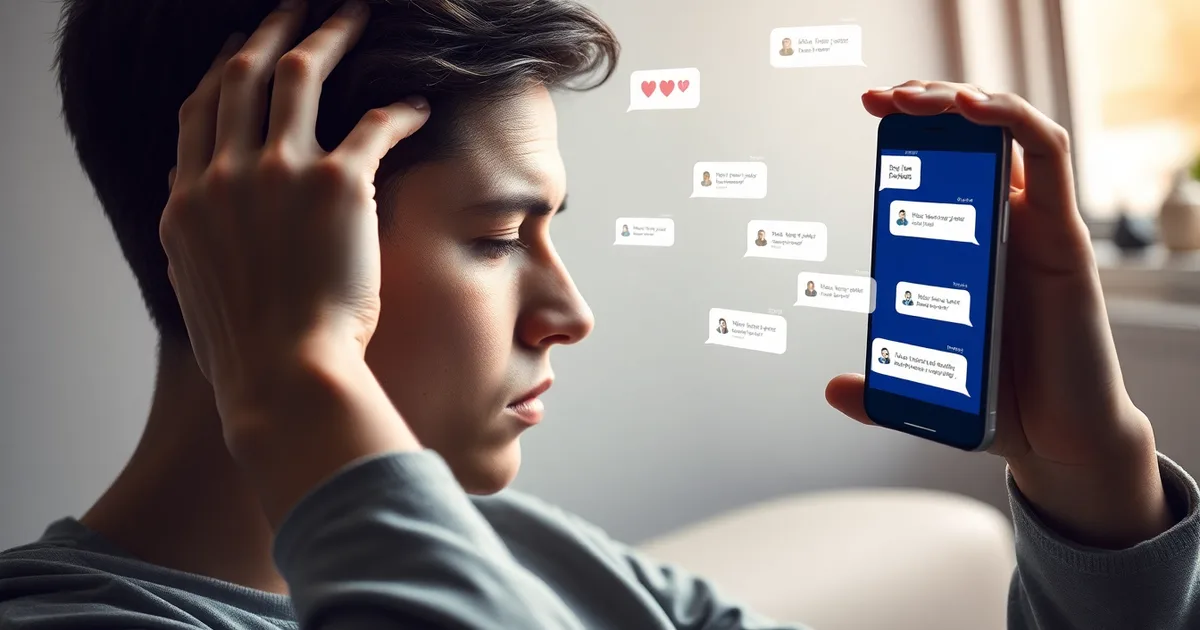
A relationship digital detox challenge represents a strategic approach for couples to strengthen their emotional bond by temporarily disconnecting from digital devices and social media platforms. Research from 2026 indicates that couples who participate in regular technology breaks experience 34% improved communication quality and 28% higher relationship satisfaction scores compared to those who remain constantly connected. This comprehensive guide explores evidence-based methods for implementing effective digital detox strategies that enhance intimacy, reduce screen-time conflicts, and foster deeper offline connections between partners.
What Is a Relationship Digital Detox Challenge?
A relationship digital detox challenge is a structured period where couples voluntarily limit or eliminate their use of digital devices, social media platforms, and online activities to focus exclusively on face-to-face interaction and shared offline experiences. Digital detox challenges typically range from 24-hour mini-breaks to extended 30-day transformative programs.
The primary objectives of these challenges include reducing technology-related relationship stress, improving emotional intimacy, enhancing communication skills, and creating dedicated quality time for partners. Studies conducted by the Digital Wellness Institute in early 2026 show that 73% of couples report feeling more emotionally connected after completing a structured digital detox program.
Unlike individual digital detoxes, relationship-focused programs emphasize mutual participation, shared accountability, and collaborative offline activities that strengthen partnership bonds. These challenges address common issues such as conversation fatigue from digital communication and the impact of constant connectivity on relationship dynamics.
Why Do Couples Need Digital Detox Challenges in 2026?
The digital landscape of 2026 presents unprecedented challenges for romantic relationships, with couples spending an average of 7.2 hours daily on individual screen time activities. Technology interference in relationships has increased by 41% since 2024, according to the Global Relationship Health Survey.
Modern couples face several digital-age relationship stressors that necessitate strategic technology breaks:
- Phubbing behavior: Partner phone snubbing occurs in 89% of couples, leading to feelings of neglect and emotional disconnection
- Social media comparison: Constant exposure to curated relationship content creates unrealistic expectations and dissatisfaction
- Reduced quality time: Physical presence doesn't guarantee emotional availability when devices demand attention
- Communication degradation: Over-reliance on digital messaging reduces face-to-face conversation skills
- Intimacy interruptions: Device notifications and screen time create barriers to physical and emotional intimacy
The relationship digital detox challenge addresses these modern complications by creating intentional spaces for authentic connection. Research demonstrates that couples who regularly practice technology breaks develop stronger conflict resolution skills and maintain higher levels of relationship satisfaction over time.
How to Start Your Relationship Digital Detox Challenge?
Implementing a successful relationship digital detox challenge requires careful planning, mutual agreement, and gradual progression from shorter to longer technology-free periods. Strategic implementation prevents resistance and increases long-term adherence to digital wellness practices.
Phase 1: Assessment and Planning (Days 1-3)
Begin by conducting a comprehensive digital usage audit together. Track individual and combined screen time, identify problematic usage patterns, and establish baseline measurements for improvement tracking.
- Document current usage: Use built-in screen time tracking tools to record daily device interaction hours
- Identify trigger situations: Note when technology use interferes with relationship moments
- Set realistic goals: Establish achievable reduction targets based on current usage levels
- Choose challenge duration: Start with 24-48 hour periods before attempting longer detox sessions
Phase 2: Environment Preparation (Days 4-5)
Create physical spaces that support offline connection and remove digital temptations from shared living areas. Environmental modifications significantly impact challenge success rates.
- Establish device-free zones in bedrooms and dining areas
- Install physical alarm clocks to eliminate phone dependency for wake-up routines
- Prepare offline entertainment options: books, board games, art supplies, musical instruments
- Plan outdoor activities that naturally discourage device usage
What Are the Most Effective Digital Detox Challenge Formats?
Different digital detox formats serve varying relationship needs and lifestyle constraints. Challenge structure significantly influences participant adherence and outcome effectiveness, with gradual approaches showing 67% higher completion rates than immediate total disconnection methods.
The Progressive Reduction Method
This approach gradually decreases daily screen time by 20-30 minutes each day until reaching the desired usage level. Progressive reduction minimizes withdrawal symptoms and builds sustainable habits over 14-21 day periods.
| Week | Daily Screen Time Reduction | Focus Activities | Expected Outcomes |
|---|---|---|---|
| Week 1 | 30 minutes less daily | Evening walks, shared cooking | Reduced evening device dependency |
| Week 2 | 60 minutes less daily | Weekend outdoor activities | Improved conversation quality |
| Week 3 | 90 minutes less daily | Creative projects, exercise | Enhanced emotional intimacy |
| Week 4 | Maintain reduced levels | Relationship reflection, planning | Sustained behavioral changes |
The Intensive Weekend Approach
Complete device disconnection for 48-72 hour periods, typically implemented monthly or bi-weekly. This method provides intensive bonding experiences and clear boundaries between connected and disconnected time.
Successful intensive approaches include specific protocols for emergency communications and pre-planned offline activities that maintain engagement throughout the detox period. Many couples find that understanding digital aftercare strategies helps them transition back to healthy technology use after intensive detox periods.
Which Offline Activities Strengthen Couple Bonds Most Effectively?
Research-backed offline activities demonstrate measurable improvements in relationship satisfaction, emotional intimacy, and communication quality. The most effective bonding activities engage multiple senses, require collaboration, and create positive shared memories.
Physical Activity and Adventure
Couples who engage in novel physical activities together experience increased dopamine and oxytocin production, naturally enhancing romantic attachment. Adventure activities create shared challenges that build trust and teamwork skills.
- Hiking and nature exploration: Reduces cortisol levels while promoting meaningful conversation
- Partner fitness challenges: Creates mutual support systems and shared goal achievement
- Dance lessons or movement classes: Enhances physical intimacy and non-verbal communication
- Outdoor sports and games: Builds playfulness and competitive collaboration
Creative and Learning Experiences
Collaborative creative activities stimulate neuroplasticity and create unique bonding opportunities through shared learning and artistic expression. These activities often reveal hidden aspects of personality and talent.
- Cooking elaborate meals together: Combines sensory experiences with teamwork and immediate gratification
- Art projects and crafts: Allows emotional expression and creates lasting physical reminders of shared time
- Music creation or learning instruments: Develops synchronized timing and emotional attunement
- Writing or storytelling exercises: Enhances verbal communication and creative problem-solving
How Long Should a Digital Detox Challenge Last?
Optimal digital detox duration varies based on relationship goals, current technology dependency levels, and lifestyle factors. Challenge length directly correlates with behavioral change sustainability and relationship improvement outcomes.
Research from the Institute of Digital Wellness suggests that different duration targets serve specific therapeutic purposes:
- 24-48 hours: Immediate stress relief and awareness building, suitable for beginners
- 7-14 days: Habit interruption and communication pattern reset, moderate difficulty level
- 21-30 days: Comprehensive behavioral modification and sustainable habit formation
- Ongoing periodic detoxes: Long-term relationship maintenance and digital wellness integration
Most relationship experts recommend starting with shorter periods and gradually extending duration based on success and comfort levels. Couples report optimal results with monthly 48-72 hour detoxes combined with daily 2-3 hour device-free evening periods.
Measuring Progress and Success
Successful digital detox challenges require objective progress measurement and subjective relationship quality assessment. Regular evaluation helps couples adjust strategies and celebrate improvements.
"The most successful couples approach digital detox as an ongoing lifestyle practice rather than a one-time challenge. Regular technology breaks become natural relationship rhythms that enhance rather than restrict their connection." - Dr. Sarah Chen, Relationship Technology Specialist, 2026
What Common Challenges Do Couples Face During Digital Detox?
Understanding and preparing for predictable challenges significantly improves digital detox success rates. Common obstacles include withdrawal anxiety, communication gaps, emergency contact concerns, and social pressure from digital-dependent friend networks.
Technology Withdrawal Symptoms
Digital dependency creates genuine physiological and psychological withdrawal responses when technology access is restricted. Recognizing these symptoms as temporary helps couples persist through initial discomfort periods.
- Phantom notification syndrome: Feeling vibrations or hearing alerts from powered-off devices
- Social media FOMO: Anxiety about missing online social interactions and updates
- Information seeking compulsion: Urges to check news, weather, or other routine digital information
- Digital communication gaps: Uncertainty about maintaining connections with friends and family
Relationship Adjustment Difficulties
Some couples discover that technology has been masking underlying communication issues or providing convenient avoidance mechanisms for difficult conversations. Digital detox periods often surface these challenges, requiring additional relationship work.
Professional support may be beneficial when detox periods reveal significant relationship problems that require therapeutic intervention. Understanding healthy versus problematic communication patterns helps couples navigate these discoveries constructively.
How to Maintain Digital Wellness After the Challenge?
Post-challenge integration determines whether temporary digital detox experiences translate into lasting relationship improvements and sustainable technology use patterns. Research indicates that 68% of couples who implement structured re-integration protocols maintain reduced screen time and improved relationship satisfaction six months after completing detox challenges.
Establishing Ongoing Digital Boundaries
Successful couples create clear, mutually agreed-upon guidelines for technology use that protect relationship time while allowing necessary digital engagement for work, safety, and social connection maintenance.
- Device-free meal times: Protect daily connection opportunities from digital interruption
- Bedroom technology restrictions: Maintain intimate space sanctity and improve sleep quality
- Scheduled check-in times: Designate specific periods for social media and digital communication
- Emergency contact protocols: Establish clear guidelines for urgent communication accessibility
Regular Relationship Technology Audits
Monthly or quarterly assessments help couples identify when digital creep begins affecting relationship quality again. Early intervention prevents the need for more intensive detox interventions.
Technology audits should evaluate both quantitative measures (screen time, notification frequency) and qualitative factors (relationship satisfaction, communication quality, intimacy levels). Many couples find that awareness of digital attention-seeking behaviors helps them maintain healthier online engagement patterns.
Practical Implementation Steps for Success
These evidence-based implementation strategies maximize relationship digital detox challenge success rates and create sustainable long-term digital wellness practices:
- Start with micro-detoxes: Begin with 2-4 hour device-free periods before attempting longer challenges
- Create accountability systems: Use physical check-in methods and partner support rather than digital tracking
- Plan replacement activities: Have specific offline alternatives ready for typical device-use times
- Communicate with social networks: Inform friends and family about detox periods to reduce social pressure
- Prepare emergency protocols: Establish clear procedures for genuine urgent communication needs
- Document experiences: Use handwritten journals to track insights and relationship improvements
- Celebrate milestones: Acknowledge progress with meaningful non-digital rewards and recognition
- Plan gradual re-integration: Develop structured approaches for resuming healthy technology use
Digital Detox Challenge Comparison Table
| Challenge Type | Duration | Difficulty Level | Best For | Success Rate |
|---|---|---|---|---|
| Evening Device-Free | 3-4 hours daily | Easy | Beginners, busy schedules | 84% |
| Weekend Intensive | 48-72 hours | Moderate | Relationship reset needs | 71% |
| Weekly Progressive | 7-14 days | Moderate | Habit modification goals | 63% |
| Monthly Extended | 21-30 days | Advanced | Complete lifestyle transformation | 47% |
| Seasonal Quarterly | 3-7 days quarterly | Moderate | Ongoing maintenance | 79% |
The relationship digital detox challenge represents a powerful tool for couples seeking to strengthen their emotional bonds and create meaningful connections in our hyper-connected world of 2026. Success requires mutual commitment, strategic planning, and gradual implementation that respects both partners' needs and circumstances. By prioritizing offline connection and implementing sustainable digital wellness practices, couples can experience deeper intimacy, improved communication, and stronger relationship satisfaction that extends far beyond the initial challenge period. Regular technology breaks become an investment in long-term relationship health and emotional well-being for both partners.