Cybersecurity phishing dating sites have become increasingly sophisticated in 2026, targeting millions of vulnerable users seeking romantic connections. Phishing attacks on dating platforms exploit emotional manipulation combined with technical deception to steal personal information, financial data, and login credentials. This comprehensive guide provides evidence-based strategies to recognize malicious dating profiles, identify phishing attempts, and implement robust security measures to protect yourself from cybercriminals who prey on those looking for love online.
What Are Phishing Attacks on Dating Sites?
Phishing attacks on dating sites are sophisticated cybersecurity threats that combine social engineering with technical manipulation to deceive users into revealing sensitive information. These attacks typically involve fake profiles created by cybercriminals who build emotional connections before directing victims to malicious websites or requesting personal data.
Dating site phishing differs from traditional phishing because it leverages emotional vulnerability. Attackers spend weeks or months building trust through romantic conversations before striking. According to 2026 cybersecurity reports, dating app phishing attacks have increased by 340% since 2023, with average victim losses exceeding $15,000 per incident.
Common phishing methods on dating platforms include:
- Fake verification links claiming to enhance profile security
- External messaging platforms with embedded malware
- Investment opportunity scams presented by romantic interests
- Emergency financial assistance requests
- Malicious photo-sharing websites requiring login credentials
How Do Cybercriminals Target Dating Site Users?
Cybercriminals employ sophisticated targeting strategies on dating platforms, combining psychological manipulation with technical expertise. Romance scammers create detailed fake personas using stolen photos, fabricated backgrounds, and carefully crafted emotional appeals designed to bypass logical thinking.
The targeting process typically follows these stages:
- Profile Analysis: Criminals study victim profiles to identify emotional vulnerabilities, financial indicators, and personal interests
- Initial Contact: Messages are carefully crafted to appear genuine and create immediate emotional connection
- Trust Building: Extended communication period to establish emotional dependency and lower security awareness
- Information Gathering: Gradual collection of personal details through seemingly innocent conversations
- Attack Deployment: Introduction of phishing elements once emotional trust is established
For comprehensive protection against these sophisticated targeting methods, understanding AI-powered romance scam detection techniques is essential for modern dating app users.
What Are the Warning Signs of Dating Site Phishing?
Recognizing phishing warning signs early is crucial for protecting your cybersecurity on dating platforms. Professional cybercriminals often use subtle indicators that may seem innocent but represent serious security threats.
Profile-Based Warning Signs
Suspicious dating profiles often exhibit specific characteristics that indicate potential phishing attempts:
- Professional-quality photos that appear too perfect or stock-like
- Limited photo variety or photos that don't match across different angles
- Vague or inconsistent biographical information
- Claims of military deployment, international travel, or work overseas
- Advanced degrees or high-paying careers with poor grammar in messages
Communication Red Flags
Phishing communications display distinct patterns that trained users can identify:
- Rapid escalation to intense romantic language
- Refusal to video chat or meet in person with elaborate excuses
- Requests to move conversations off the dating platform immediately
- Generic messages that could apply to anyone
- Inconsistent details about personal life, location, or background
These warning signs often overlap with broader dating red flags that indicate potential manipulation in online relationships.
How Can You Identify Malicious Links and Requests?
Malicious links and requests represent the technical component of dating site phishing attacks, often disguised as legitimate security measures or romantic gestures. Identifying these threats requires understanding common attack vectors and maintaining vigilant security awareness.
Common Malicious Link Formats
Phishing links on dating platforms typically appear in these formats:
| Link Type | Apparent Purpose | Actual Threat | Example Indicators |
|---|---|---|---|
| Profile Verification | "Verify your account for safety" | Credential harvesting | Suspicious URLs, urgent language |
| Photo Sharing | "See my private photos here" | Malware installation | External hosting, login required |
| Video Calls | "Download this app to video chat" | Spyware deployment | Unknown applications, system access |
| Financial Platforms | "Invest together in this opportunity" | Financial theft | Investment promises, money requests |
Identifying Suspicious Requests
Legitimate dating interactions never require certain types of information or actions. Any request for passwords, Social Security numbers, banking information, or money transfers should be treated as immediate phishing attempts.
Suspicious request categories include:
- Identity verification requiring government ID uploads to third-party sites
- Emergency financial assistance for travel, medical, or legal issues
- Package delivery assistance requiring address and personal details
- Investment opportunities requiring account access or fund transfers
- Gift card purchases for various fabricated emergencies
What Security Measures Should You Implement?
Implementing comprehensive security measures is essential for protecting against cybersecurity phishing dating sites threats. A layered security approach combines technical safeguards with behavioral awareness to create robust protection against sophisticated attacks.
Technical Security Implementation
Essential technical security measures include:
- Multi-Factor Authentication: Enable 2FA on all dating apps and associated email accounts
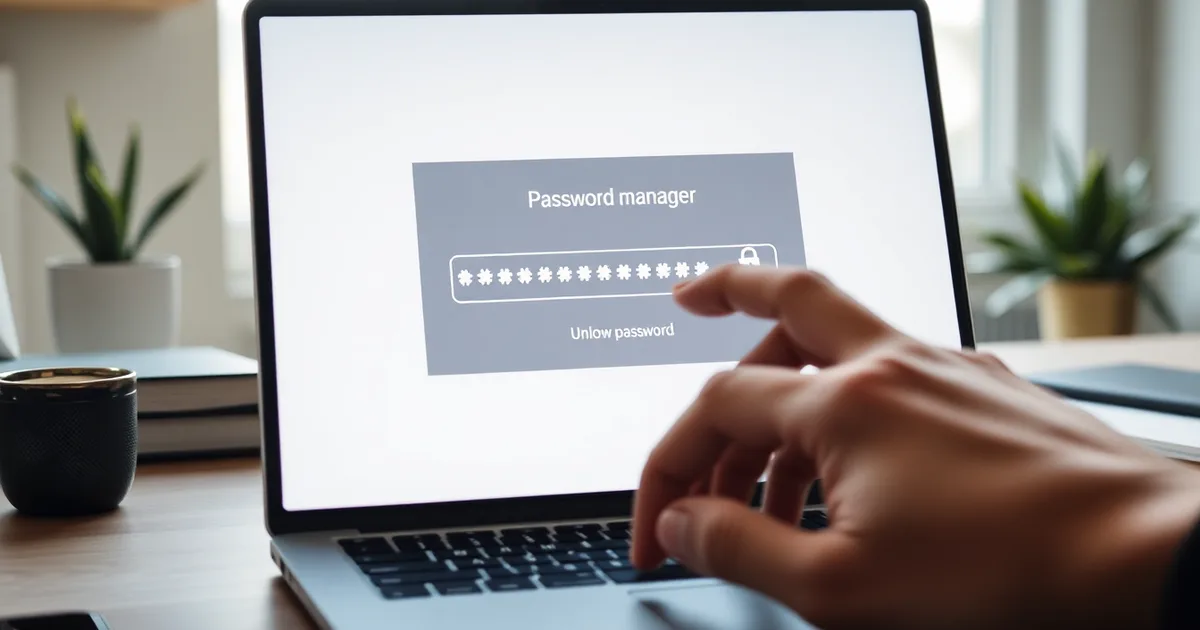
- Password Management: Use unique, complex passwords for each dating platform
- Device Security: Maintain updated antivirus software and operating system patches
- Network Protection: Avoid dating app usage on public Wi-Fi networks
- Browser Security: Use browsers with built-in phishing protection and ad blockers
For comprehensive password security strategies specifically designed for dating apps, review our guide on password manager implementation for dating platforms.
Privacy Configuration Best Practices
Proper privacy settings significantly reduce phishing attack surfaces:
- Limit profile information visibility to matched users only
- Disable location sharing and GPS tracking features
- Restrict social media account linking to dating profiles
- Configure email notifications to identify suspicious login attempts
- Regularly audit connected applications and revoke unnecessary permissions
How Should You Respond to Suspected Phishing Attempts?
Proper response to suspected phishing attempts can prevent data theft and protect other users from similar attacks. Quick, decisive action is essential when cybersecurity threats are identified on dating platforms.
Immediate Response Protocol
When you suspect a phishing attempt, follow this protocol immediately:
- Stop Communication: Cease all interaction with the suspicious profile immediately
- Document Evidence: Screenshot conversations, profile information, and suspicious links
- Report the Profile: Use platform reporting features to flag malicious accounts
- Block the User: Prevent further contact through platform blocking mechanisms
- Change Passwords: Update dating app and associated account passwords as precaution
Platform Reporting Procedures
Most dating platforms have specific procedures for reporting phishing attempts:
- Use in-app reporting features with detailed descriptions of suspicious behavior
- Forward phishing messages to platform security teams when available
- Report malicious links to platform administrators for investigation
- Contact customer support for accounts that bypass standard reporting
- Follow up on reports to ensure appropriate action was taken
Understanding broader data breach protection strategies helps ensure comprehensive security even when platforms experience security incidents.
What Are Advanced Phishing Techniques to Watch For?
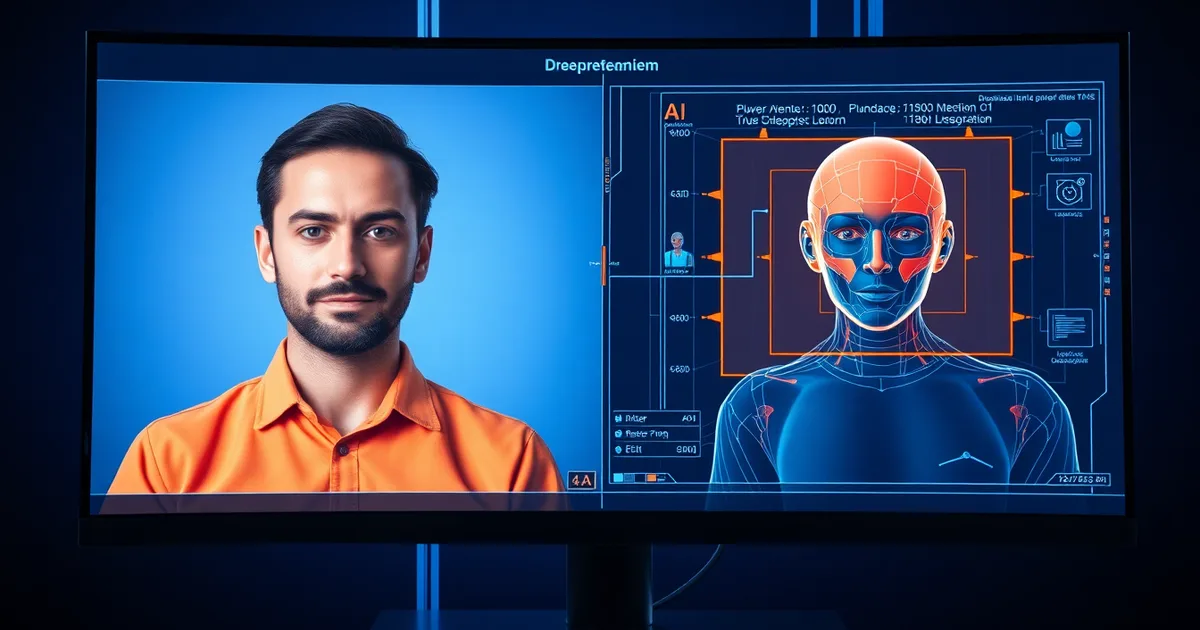
Advanced phishing techniques on dating sites have evolved significantly in 2026, incorporating AI-generated content, deepfake technology, and sophisticated social engineering methods. These advanced threats require enhanced awareness and specialized detection strategies.
AI-Generated Profile Content
Cybercriminals increasingly use artificial intelligence to create convincing fake profiles:
- AI-generated profile photos that pass reverse image searches
- Chatbot-driven conversations that maintain consistency over time
- Machine-learning algorithms that adapt communication styles to victim preferences
- Automated response systems that operate across multiple targets simultaneously
Deepfake Video Manipulation
Deepfake technology enables criminals to create convincing video content:
- Fake video calls using stolen identity footage
- Pre-recorded responses to common video chat requests
- Voice cloning for phone conversations
- Real-time face swapping during video interactions
These advanced techniques make traditional verification methods less reliable, requiring users to implement more sophisticated security awareness practices.
Essential Protection Strategies
Implementing comprehensive protection against cybersecurity phishing dating sites requires combining multiple security layers with consistent vigilance. These evidence-based strategies provide maximum protection while maintaining positive online dating experiences.
Verification Protocols
- Reverse Image Searching: Verify profile photos using Google Images or TinEye before engaging deeply
- Video Call Verification: Insist on live video calls before developing emotional connections
- Social Media Cross-Reference: Verify consistency between dating profiles and associated social media accounts
- Background Information Verification: Research claimed employers, schools, or locations for consistency
- Communication Pattern Analysis: Monitor for automated responses or inconsistent personal details
Financial Protection Measures
- Never Share Financial Information: Keep banking details, credit scores, and income information private
- Separate Dating Finances: Use dedicated email accounts and payment methods for dating platforms
- Monitor Financial Accounts: Regularly check bank and credit card statements for unauthorized transactions
- Investment Skepticism: Reject all investment opportunities presented by romantic interests
- Gift Card Awareness: Never purchase gift cards or prepaid cards for online romantic interests
Information Security Practices
- Limited Personal Disclosure: Share minimal personal information until trust is established through in-person meetings
- Workplace Privacy: Avoid sharing specific employer information, work schedules, or professional details
- Address Protection: Never provide home addresses or precise location information
- Family Information Security: Keep family member details, children's information, and personal relationships private
- Schedule Privacy: Avoid sharing travel plans, daily routines, or schedule information
Platform-Specific Security Considerations
Different dating platforms have varying security features and vulnerabilities that affect phishing risk levels. Understanding platform-specific security capabilities helps users make informed decisions about where and how to engage in online dating.
High-Security Platform Features
Look for these security features when selecting dating platforms:
| Security Feature | Protection Level | Phishing Prevention |
|---|---|---|
| Identity Verification | High | Reduces fake profiles significantly |
| In-App Communication | Medium | Limits external link exposure |
| AI Scam Detection | High | Automated suspicious behavior identification |
| Background Checks | Very High | Criminal history screening |
| Photo Verification | Medium | Confirms profile photo authenticity |
Comprehensive dating app privacy protection requires understanding how different platforms handle and protect user data.
What Should You Do After a Phishing Attack?
Recovery after a phishing attack requires immediate action to minimize damage and prevent further security breaches. The response timeline is critical, with actions in the first 24 hours determining the extent of potential damage.
Immediate Damage Control
Take these steps immediately after discovering a phishing attack:
- Change All Passwords: Update passwords for dating apps, email, banking, and social media accounts
- Contact Financial Institutions: Notify banks and credit card companies of potential compromised information
- Monitor Credit Reports: Place fraud alerts and monitor credit reports for unauthorized activity
- Report to Authorities: File reports with local police, FBI IC3, and FTC for documentation
- Document Evidence: Preserve all communications, transaction records, and related evidence
Long-Term Recovery Strategies
Extended recovery requires ongoing vigilance and systematic security improvements:
- Implement comprehensive identity monitoring services
- Regular security audits of all online accounts and subscriptions
- Enhanced privacy settings across all social media and dating platforms
- Professional counseling support for emotional recovery from romance scams
- Education about advanced phishing techniques and prevention strategies
Future-Proofing Against Evolving Threats
Cybersecurity phishing dating sites threats continue evolving rapidly, requiring adaptive security strategies that anticipate future attack methods. Staying ahead of cybercriminals requires understanding emerging trends and implementing proactive protection measures.
Emerging Threat Patterns
Security experts predict these evolving phishing trends for 2026-2027:
- Integration of advanced AI for more convincing fake personalities
- Cryptocurrency-based financial exploitation schemes
- Virtual and augmented reality dating environment vulnerabilities
- Cross-platform attack coordination using multiple social media channels
- Biometric spoofing for enhanced identity verification bypass
Understanding how psychological manipulation techniques evolve alongside technical threats provides comprehensive protection against sophisticated attackers.
Proactive Security Education
Continuous education remains the most effective long-term protection strategy:
- Regular review of cybersecurity best practices and emerging threats
- Participation in online safety workshops and training programs
- Staying informed about dating platform security updates and features
- Sharing knowledge with friends and family to create community awareness
- Collaboration with cybersecurity professionals for personalized risk assessment
Protecting against cybersecurity phishing dating sites requires vigilance, education, and comprehensive security implementation. By understanding attack methods, recognizing warning signs, and implementing robust protection strategies, users can safely navigate online dating while maintaining their security and privacy. The key to successful protection lies in combining technical security measures with psychological awareness, creating a comprehensive defense against increasingly sophisticated cybercriminal tactics. Remember that legitimate romantic connections never require compromising your security or sharing sensitive personal information, and maintaining this principle will protect you from the majority of dating platform phishing attacks.