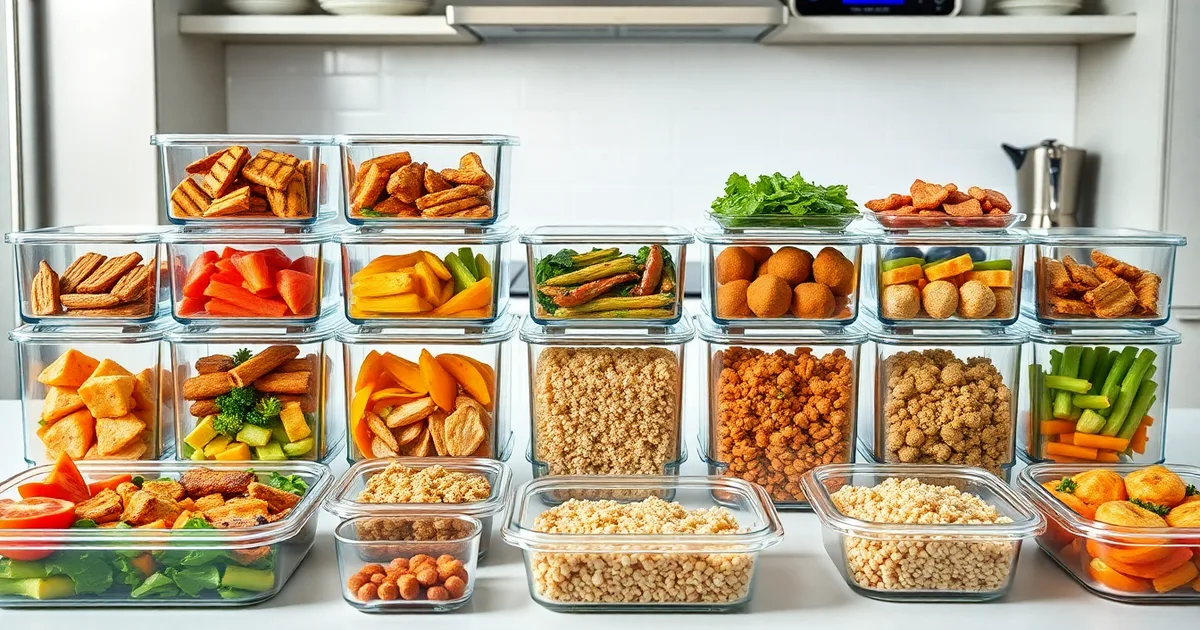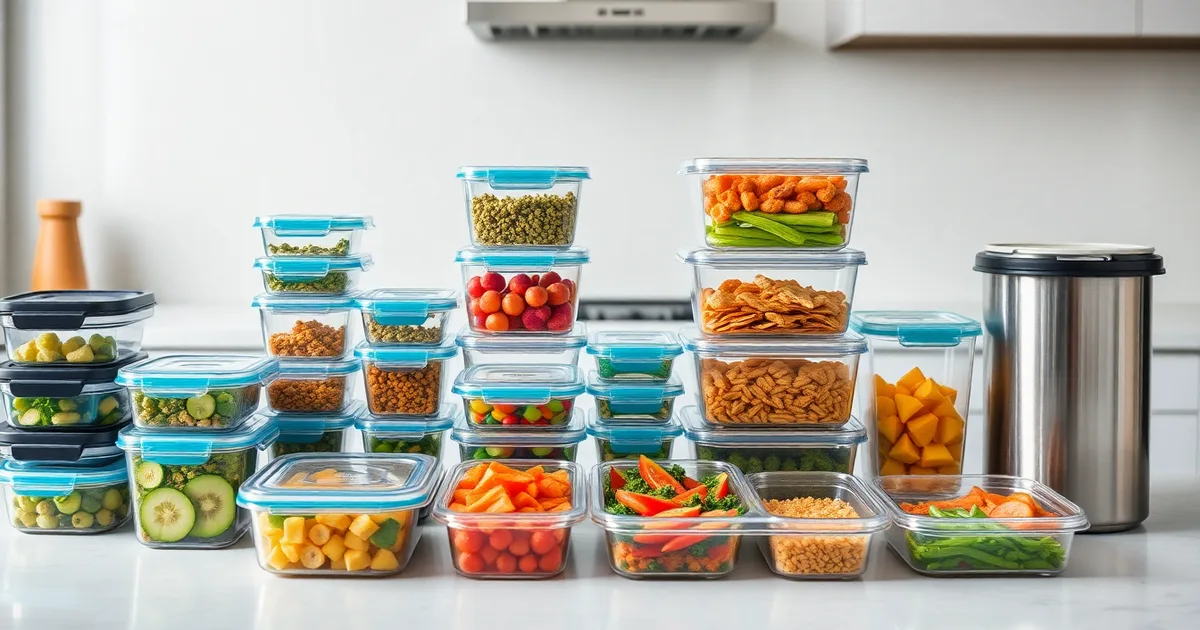
Meal prep containers are the foundation of successful meal planning, directly impacting food safety, nutritional preservation, and dietary adherence. This comprehensive guide covers everything you need to know about selecting the right containers for your specific dietary needs, storage requirements, and lifestyle preferences in 2026. From understanding different materials and their benefits to choosing appropriate sizes for various meal types, we'll explore how the right container system can transform your meal prep routine and support your health goals.
What Are Meal Prep Containers and Why Do They Matter?
Meal prep containers are specialized food storage vessels designed to maintain food quality, safety, and organization for prepared meals. Unlike regular food storage containers, these are specifically engineered for portioning, stacking, and preserving pre-cooked meals over extended periods.
The importance of quality meal prep containers extends beyond simple storage. They serve as portion control tools, help maintain food temperature, prevent cross-contamination, and preserve nutritional value. Research from the Food and Drug Administration shows that proper food storage containers can extend meal freshness by up to 40% compared to inadequate storage solutions.
Modern meal prep containers incorporate advanced features like leak-proof seals, microwave-safe materials, and compartmentalized designs. These innovations address common challenges faced by meal preppers, including soggy textures, flavor mixing, and inconvenient reheating processes.
How Do Different Container Materials Affect Food Storage?
Container material selection significantly impacts food safety, durability, and convenience. Each material offers distinct advantages and limitations that affect your meal prep success.
Glass Containers
Borosilicate glass containers represent the gold standard for meal prep storage. They're completely non-reactive, meaning they won't absorb odors, stains, or flavors from stored foods. Glass containers are oven-safe up to 450°F, dishwasher-safe, and provide excellent visibility for meal identification.
The primary drawbacks include weight and breakage risk. Glass containers typically weigh 2-3 times more than plastic alternatives, making them less suitable for commuting or travel meal prep.
BPA-Free Plastic Containers
High-quality BPA-free plastic containers offer lightweight convenience and durability. Modern food-grade plastics like Tritan and polypropylene resist staining and odor absorption while maintaining structural integrity through multiple heating cycles.
However, plastic containers may develop micro-scratches over time, potentially harboring bacteria. They also have temperature limitations, typically safe up to 180-220°F, restricting oven use.
Stainless Steel Options
Stainless steel meal prep containers combine durability with temperature retention properties. They're ideal for maintaining food temperature during transport and are completely recyclable at end-of-life.
The main limitation is microwave incompatibility, requiring food transfer for reheating. Additionally, stainless steel containers don't provide visual meal identification without opening.
What Size Containers Work Best for Different Dietary Needs?
Container sizing directly impacts portion control and meal satisfaction. Selecting appropriate sizes based on your dietary goals ensures proper nutrition while preventing food waste.
Weight Management and Calorie Control
For weight management meal prep, 24-32 oz containers typically provide optimal portion sizes for main meals. This capacity accommodates 4-6 oz of protein, 1-2 cups of vegetables, and appropriate carbohydrate portions while maintaining visual satiety cues.
Research from the American Journal of Clinical Nutrition indicates that consistent portion sizes through standardized containers can reduce caloric intake by 12-15% compared to variable portion serving.
Athletic and High-Calorie Requirements
High-performance meal prep for athletes or individuals with elevated caloric needs requires larger 40-48 oz containers. These accommodate increased protein requirements (8-12 oz), complex carbohydrates, and calorie-dense foods necessary for muscle building and recovery.
Specialized Dietary Approaches
Ketogenic and low-carb dieters benefit from compartmentalized containers that separate fats, proteins, and limited carbohydrates. This prevents cross-contamination and maintains distinct textures crucial for dietary adherence.
Which Container Features Are Essential for Different Storage Requirements?
Storage requirements vary significantly based on food types, storage duration, and transportation needs. Understanding essential features helps optimize food quality and convenience.
Leak-Proof Sealing Systems
Leak-proof meal prep containers utilize multiple sealing mechanisms including silicone gaskets, locking clips, and pressure-release valves. These systems prevent liquid migration, maintain moisture levels, and enable safe transport of sauced or soup-based meals.
Premium sealing systems can maintain airtight conditions for up to 10 days, significantly extending meal freshness compared to basic snap-lid designs.
Stackability and Space Efficiency
Efficient meal prep requires stackable container designs that maximize refrigerator and freezer space utilization. Containers with uniform dimensions and nesting capabilities can reduce storage space requirements by up to 60%.
Consider containers with interlocking lids or modular stacking systems for optimal organization. This becomes particularly important when preparing multiple meals simultaneously.
Temperature Resistance
Versatile meal prep containers should handle temperature ranges from freezer storage (-10°F) to oven reheating (up to 400°F for glass options). This flexibility eliminates the need for food transfer and reduces dish washing requirements.
How Can You Optimize Container Selection for Specific Food Types?
Different food categories have unique storage requirements that affect texture, flavor, and nutritional preservation. Tailoring container selection to food types enhances meal quality and satisfaction.
Liquid-Based Meals
Soup and sauce meal prep requires containers with superior sealing capabilities and appropriate depth. Wide-mouth containers facilitate easy filling and cleaning while reducing splashing during transport.
Consider containers with measurement markings for consistent portioning and serving size accuracy. This feature proves particularly valuable for calorie-controlled diets.
Mixed Texture Combinations
Meals combining crispy and soft elements benefit from compartmentalized meal prep containers. Separate chambers prevent texture degradation by isolating different food components until consumption.
Three-compartment designs work well for balanced meals with protein, vegetables, and starches. Five-compartment options accommodate more complex meal compositions or multiple snack items.
Fresh and Raw Components
Salads and fresh ingredient storage require containers with moisture control features. Vented lids or humidity control inserts prevent condensation buildup while maintaining appropriate moisture levels for leafy greens.
Consider containers with removable dividers that allow customization based on specific meal requirements. This flexibility accommodates varying ingredient combinations without requiring multiple container types.
What Are the Best Practices for Long-Term Container Maintenance?
Proper container maintenance extends lifespan, ensures food safety, and maintains performance characteristics. Implementing systematic care practices protects your investment while supporting consistent meal prep quality.
Cleaning and Sanitization
Deep cleaning meal prep containers involves both regular maintenance and periodic intensive sanitization. Daily washing with hot, soapy water removes surface residues, while weekly deep cleaning with baking soda solutions eliminates persistent odors and stains.
For containers showing wear signs, sanitize with diluted bleach solutions (1 tablespoon per gallon of water) followed by thorough rinsing. This process eliminates bacteria that may accumulate in micro-scratches or seal crevices.
Storage and Organization
Proper container storage prevents damage and maintains organizational efficiency. Store containers with lids slightly ajar to prevent seal compression and allow air circulation.
Organize containers by size and type for easy selection during meal prep sessions. This systematic approach, similar to strategies discussed in our productivity tools guide, streamlines the meal preparation process and reduces decision fatigue.
How Do Smart Container Systems Enhance Meal Prep Efficiency?
Advanced meal prep systems incorporate technology and innovative designs to address common meal preparation challenges. These solutions optimize time management, food safety, and nutritional tracking.
Technology Integration
Smart meal prep containers in 2026 feature integrated sensors that monitor food temperature, freshness indicators, and even nutritional tracking through companion mobile applications. These systems provide real-time feedback about food safety and consumption patterns.
Some premium systems include QR code labels that connect to digital meal planning platforms, enabling detailed macro and micronutrient tracking. This integration level supports precise dietary management similar to how home gym equipment now incorporates smart tracking features.
Modular System Benefits
Comprehensive meal prep systems offer interchangeable components that adapt to varying meal requirements. Modular designs include different lid types, divider configurations, and size options that work within a unified storage framework.
This flexibility eliminates the need for multiple container brands and ensures consistent performance across your entire meal prep routine. Investment in quality modular systems typically reduces long-term costs by 25-30% compared to purchasing individual containers.
Essential Features to Consider When Buying Meal Prep Containers
Making informed container purchases requires evaluating multiple factors that impact daily usability and long-term satisfaction. Consider these critical elements before making your selection:
- Capacity range: Choose systems offering 16-48 oz options to accommodate different meal sizes and dietary requirements
- Material safety certifications: Look for FDA-approved, BPA-free designations and third-party testing verification
- Temperature compatibility: Ensure containers handle your preferred reheating methods (microwave, oven, or stovetop)
- Seal integrity testing: Verify leak-proof claims through customer reviews and warranty coverage
- Dishwasher compatibility: Confirm top-rack dishwasher safety for convenient cleaning
- Stackability efficiency: Test nesting and stacking capabilities to optimize storage space
- Visibility features: Clear materials or labeling systems for easy meal identification
- Durability indicators: Research expected lifespan and replacement part availability
- Brand reputation: Choose established manufacturers with consistent quality control and customer support
- Cost per container: Calculate long-term value including replacement frequency and versatility
Meal Prep Container Comparison by Dietary Goals
| Dietary Goal | Recommended Size | Best Material | Key Features | Price Range |
|---|---|---|---|---|
| Weight Loss | 24-28 oz | Glass/BPA-free plastic | Portion control markings, leak-proof | $3-8 per container |
| Muscle Building | 32-48 oz | Glass preferred | Large capacity, microwave-safe | $6-12 per container |
| Keto/Low-carb | 28-36 oz | Compartmentalized plastic | 3-5 compartments, fat-friendly seals | $5-10 per container |
| Plant-based | 20-32 oz | Glass/stainless steel | Stain-resistant, odor-proof | $4-9 per container |
| Intermittent Fasting | 16-24 oz | Insulated options | Temperature retention, compact | $7-15 per container |
| Family Meal Prep | 40-64 oz | Durable plastic | Bulk capacity, child-safe | $8-18 per container |
Advanced Storage Strategies for Maximum Freshness
Implementing professional-grade storage techniques maximizes meal quality and extends freshness duration. These strategies address common meal prep challenges and optimize nutritional preservation:
- Temperature gradient management: Cool foods completely before refrigeration to prevent condensation and bacterial growth
- Ingredient separation timing: Add moisture-sensitive components (nuts, crispy elements) just before consumption
- Vacuum sealing integration: Use vacuum attachments with compatible containers to extend storage life by 3-5 days
- Rotation labeling systems: Implement date coding and first-in-first-out rotation to ensure food safety
- Strategic freezing protocols: Freeze containers flat for efficient stacking, then reorganize once solid
- Sauce and dressing separation: Store wet components in small containers or compartments to prevent sogginess
- Herb and green preservation: Use paper towel inserts to absorb excess moisture from fresh vegetables
- Protein storage optimization: Allow cooked proteins to rest at room temperature for 10-15 minutes before sealing
Budget-Conscious Container Selection Without Quality Compromise
Cost-effective meal prep containers don't require sacrificing quality or functionality. Strategic purchasing approaches can deliver professional results while maintaining budget constraints.
Start with versatile 28-32 oz containers that accommodate most meal types. This size range handles portion control for weight management while providing adequate capacity for higher-calorie requirements. Investing in 6-8 quality containers initially proves more economical than purchasing larger quantities of inferior products.
Consider purchasing during seasonal sales or bulk promotions from established manufacturers. Many companies offer 20-30% discounts during January (New Year meal prep surge) and September (back-to-school season). Similar to strategies for budget fitness equipment, timing purchases around promotional periods maximizes value.
Evaluate total cost of ownership including replacement frequency, versatility, and energy costs. Higher-quality containers lasting 3-5 years often cost less per use than cheaper alternatives requiring annual replacement.
Selecting the right meal prep containers transforms your nutrition routine from chaotic to systematic, supporting long-term health goals while saving time and money. The investment in quality storage solutions pays dividends through improved meal consistency, reduced food waste, and enhanced dietary adherence. Whether you're pursuing weight management, athletic performance, or simply seeking convenient nutrition, the right container system serves as the foundation for sustainable meal prep success. Consider your specific dietary needs, storage requirements, and lifestyle preferences when making selections, and remember that quality containers are tools that support your health journey for years to come.