Intermittent fasting meal prep is the strategic foundation that transforms intermittent fasting from a challenging dietary approach into a sustainable lifestyle. This comprehensive guide provides evidence-based recipes, optimal timing strategies, and proven weekly planning templates that ensure nutritional adequacy while maximizing the benefits of intermittent fasting. Whether you're following the 16:8 method, alternate-day fasting, or the 5:2 approach, proper meal preparation eliminates guesswork, reduces decision fatigue, and maintains consistency in your fasting journey throughout 2026.
What Is Intermittent Fasting Meal Prep and Why Does It Matter?
Intermittent fasting meal prep involves strategically planning, preparing, and storing nutrient-dense meals that align with your chosen fasting windows. Unlike traditional meal prep, IF meal preparation focuses on maximizing nutritional density within restricted eating periods while supporting metabolic flexibility and autophagy processes.
Research from the New England Journal of Medicine shows that proper meal timing and composition during eating windows significantly impacts the effectiveness of intermittent fasting protocols. Meal prep ensures you consume adequate protein (0.8-1.2g per kg body weight), essential fatty acids, and micronutrients within your compressed eating timeframe.
Key benefits of structured IF meal prep include improved insulin sensitivity, reduced inflammation markers, enhanced cognitive function, and sustainable weight management. Studies indicate that individuals who engage in systematic meal preparation are 67% more likely to maintain their intermittent fasting protocol beyond six months.
How to Choose the Right Intermittent Fasting Schedule for Meal Prep?
Selecting an appropriate fasting schedule directly influences your meal prep strategy and timing requirements. The most popular and research-supported protocols each require distinct preparation approaches.
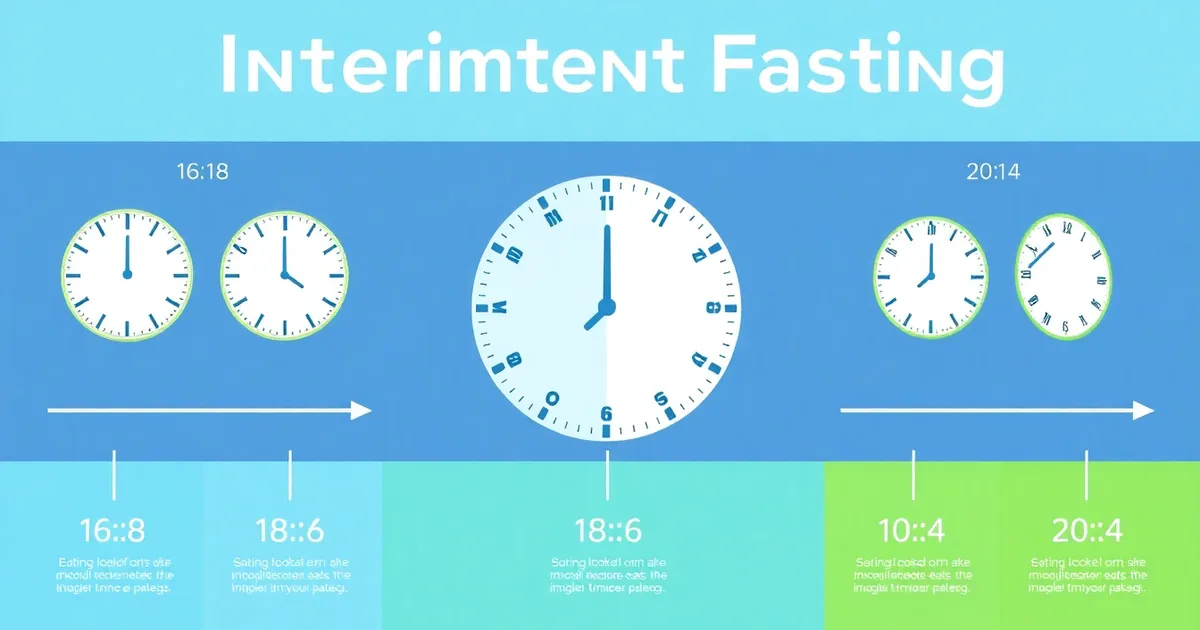
The 16:8 Method involves eating within an 8-hour window and fasting for 16 hours. This schedule typically requires 2-3 substantial meals, making it ideal for beginners. Meal prep focuses on nutrient-dense breakfasts (if eating early) or satisfying dinners (if eating late).
Alternate Day Fasting (ADF) alternates between normal eating days and very low-calorie days (500-600 calories). This protocol requires preparing both regular meals and modified fasting-day options. Success depends on having pre-portioned, low-calorie meals readily available.
The 5:2 Method involves eating normally five days per week and restricting calories to 500-600 on two non-consecutive days. This approach requires preparing both maintenance-calorie meals and restricted-calorie options, demanding more complex meal planning strategies.
What Are the Essential Macronutrients for Intermittent Fasting Success?
Optimizing macronutrient distribution within your eating windows is crucial for maintaining energy levels, preserving lean muscle mass, and supporting metabolic health during intermittent fasting.
Protein Requirements: Aim for 25-35% of total calories from high-quality protein sources. During compressed eating windows, prioritize complete proteins like lean meats, fish, eggs, and legumes. Research shows that consuming 20-40g of protein per meal optimizes muscle protein synthesis and satiety hormones.
Healthy Fats: Include 25-35% of calories from monounsaturated and polyunsaturated fats. Avocados, nuts, seeds, olive oil, and fatty fish provide essential fatty acids and fat-soluble vitamins while promoting satiety and hormonal balance.
Complex Carbohydrates: Focus on 30-45% of calories from fiber-rich, nutrient-dense carbohydrates. Quinoa, sweet potatoes, legumes, and vegetables provide sustained energy and support gut microbiome health. Timing carbohydrates later in your eating window may improve sleep quality and recovery.
Complete Weekly Intermittent Fasting Meal Prep Template
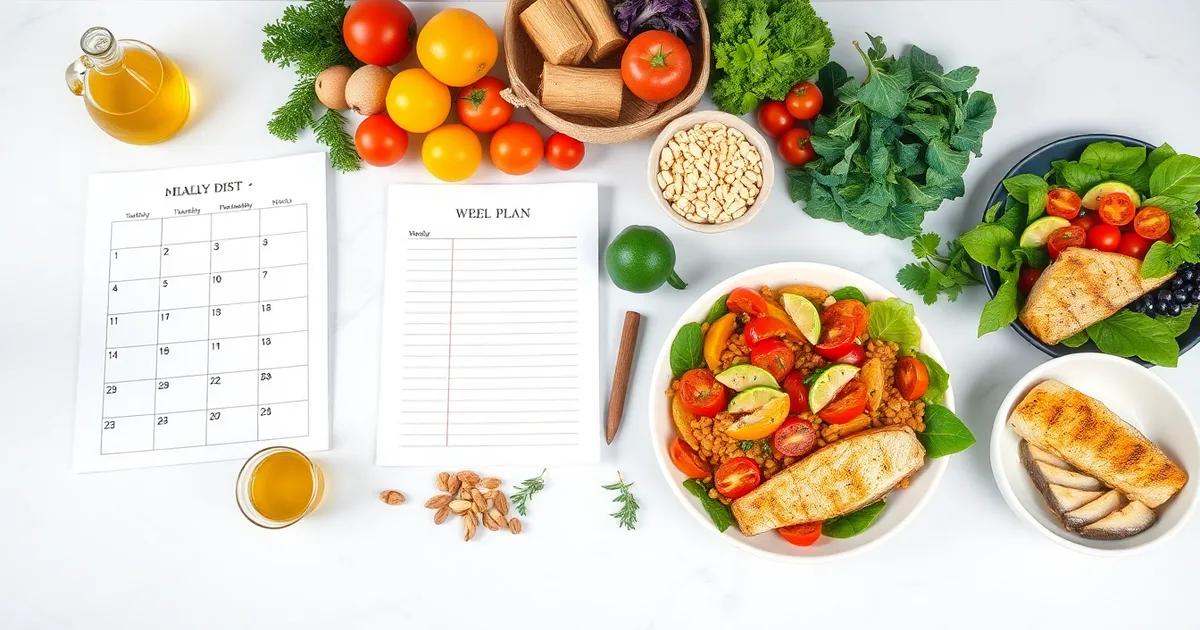
A structured weekly template eliminates daily decision-making while ensuring nutritional variety and adherence to your fasting protocol. This template accommodates the popular 16:8 schedule but can be adapted for other IF methods.
Sunday Meal Prep Session (2-3 Hours)
- Protein Preparation: Cook 3-4 protein sources in bulk (grilled chicken, baked salmon, hard-boiled eggs, cooked lentils)
- Vegetable Prep: Wash, chop, and roast mixed vegetables (bell peppers, broccoli, zucchini, Brussels sprouts)
- Grain Preparation: Cook quinoa, brown rice, or sweet potatoes for the week
- Sauce and Dressing Prep: Prepare 2-3 homemade dressings or marinades
- Snack Preparation: Portion nuts, seeds, and prepare vegetable sticks with hummus
Mid-Week Refresh (Wednesday - 45 Minutes)
- Prepare fresh proteins for Thursday-Sunday
- Wash and prep additional vegetables
- Prepare fermented foods like overnight oats or chia pudding
- Assess and adjust weekend meal plans based on remaining ingredients
| Day | First Meal (Breaking Fast) | Second Meal | Prep Time |
|---|---|---|---|
| Monday | Greek yogurt parfait with berries and nuts | Grilled chicken quinoa bowl with roasted vegetables | 10 min assembly |
| Tuesday | Avocado toast with poached egg | Baked salmon with sweet potato and steamed broccoli | 15 min assembly |
| Wednesday | Protein smoothie with spinach and banana | Lentil curry with brown rice and mixed greens | 5 min assembly |
| Thursday | Chia pudding with almonds and berries | Turkey and vegetable stir-fry with quinoa | 12 min assembly |
| Friday | Omelet with vegetables and cheese | Grilled fish tacos with cabbage slaw | 20 min assembly |
How to Break Your Fast: Optimal First Meal Strategies
The composition and timing of your first meal after fasting significantly impacts digestive comfort, energy levels, and overall IF success. Research indicates that gradually reintroducing food optimizes metabolic benefits while minimizing gastrointestinal distress.
Start with easily digestible foods: Begin with a small portion of fruit, bone broth, or a handful of nuts. Wait 30-60 minutes before consuming your main meal. This approach allows digestive enzymes to activate and prevents overwhelming the system after extended fasting periods.
Prioritize protein and fiber: Your first substantial meal should include 25-30g of high-quality protein and 8-12g of fiber. This combination stabilizes blood sugar, promotes satiety, and supports muscle protein synthesis. Excellent options include Greek yogurt with berries, eggs with vegetables, or a protein smoothie with leafy greens.
Hydration and electrolytes: Proper hydration becomes critical when breaking extended fasts. Include water-rich foods like cucumber, watermelon, or soup. Add a pinch of high-quality sea salt to support electrolyte balance, especially if you've been fasting for more than 16 hours.
What Are the Best High-Protein Intermittent Fasting Recipes?
High-protein meals are essential for preserving lean muscle mass, optimizing satiety, and supporting metabolic function during intermittent fasting. These recipes provide 25-40g of complete protein per serving while being prep-friendly and nutrient-dense.
Power-Packed Protein Bowl Recipe
- Base: 1 cup cooked quinoa (8g protein)
- Protein: 4 oz grilled chicken breast (35g protein)
- Vegetables: 1 cup roasted vegetables (broccoli, bell peppers, zucchini)
- Healthy fats: 1/4 avocado and 1 tbsp tahini
- Garnish: Hemp seeds and fresh herbs
Total protein: 45g | Prep time: 15 minutes (using prepped ingredients)
Salmon and Sweet Potato Stack
- Protein: 5 oz baked wild salmon (40g protein)
- Carbohydrates: 1 medium roasted sweet potato
- Vegetables: Sautéed spinach and cherry tomatoes
- Sauce: Lemon-dill yogurt sauce (2 tbsp Greek yogurt + herbs)
Total protein: 44g | Prep time: 20 minutes
Plant-Based Protein Powerhouse
- Base: 1 cup cooked lentils (18g protein)
- Addition: 3 tbsp hemp seeds (10g protein)
- Vegetables: Mixed roasted vegetables
- Sauce: Nutritional yeast-based dressing
- Garnish: Pumpkin seeds and microgreens
Total protein: 32g | Prep time: 10 minutes (using prepped ingredients)
How to Plan Intermittent Fasting Meals for Different Eating Windows?
Different intermittent fasting protocols require distinct meal planning approaches to optimize nutrient intake, maintain energy levels, and support long-term adherence. Understanding these variations ensures success regardless of your chosen IF method.
16:8 Method Meal Planning
The 16:8 protocol typically accommodates 2-3 meals within the eating window. For a 12 PM - 8 PM eating window, plan a substantial first meal, optional afternoon snack, and satisfying dinner. Each meal should provide 400-600 calories with balanced macronutrients.
Focus on nutrient timing: consume the majority of your carbohydrates in the first meal to support energy levels, include protein in every meal, and emphasize healthy fats in your final meal to promote satiety through the fasting period.
OMAD (One Meal A Day) Planning
OMAD requires consuming 1200-2000 calories in a single meal, demanding careful planning to meet all nutritional needs. Structure your meal in courses: start with a salad or soup, follow with a protein-rich main course, and finish with nutrient-dense sides.
Preparation is crucial for OMAD success. Pre-cook components and design meals that can be assembled quickly. Include a variety of textures and flavors to prevent meal fatigue and ensure adequate chewing time for proper digestion.
What Kitchen Tools Are Essential for Intermittent Fasting Meal Prep?
Efficient meal preparation requires the right tools to streamline cooking processes, maintain food quality, and support consistent IF adherence. These essential items transform time-consuming meal prep into manageable weekly sessions.
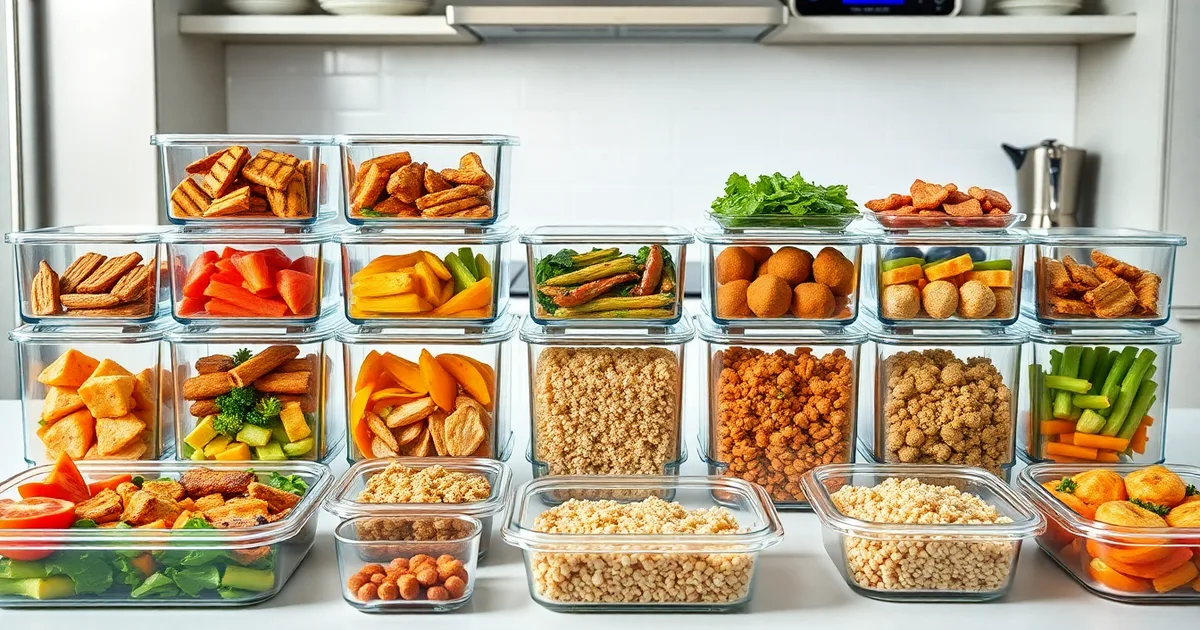
- Glass meal prep containers: Invest in various sizes (1-cup, 2-cup, and 3-cup) for portioning different meal components
- High-speed blender: Essential for protein smoothies, sauces, and breaking fast with easily digestible options
- Food scale: Accurate portion control becomes crucial when eating within restricted time windows
- Sheet pans and silicone mats: Enable batch roasting of vegetables and proteins efficiently
- Slow cooker or Instant Pot: Perfect for hands-off cooking of large batches of proteins and stews
- Sharp knives and cutting boards: Speed up vegetable prep and ensure food safety
- Salad spinner: Properly dried greens last longer and taste better in meal prep containers
Quality storage solutions extend food freshness and prevent waste. Vacuum-sealed bags work excellently for proteins, while glass containers maintain vegetable crispness. Label everything with preparation dates and contents for easy identification throughout the week.
How to Maintain Nutritional Balance During Extended Fasting Periods?
Extended fasting periods require careful attention to nutrient density and timing to prevent deficiencies while supporting optimal health outcomes. Research indicates that compressed eating windows can lead to inadequate intake of certain micronutrients if not properly planned.
Focus on micronutrient density: Prioritize foods with high nutrient-to-calorie ratios. Dark leafy greens, colorful vegetables, organ meats, and fermented foods provide essential vitamins and minerals often lacking in standard Western diets. Consider incorporating nutrient-dense superfoods like spirulina, nutritional yeast, and sea vegetables.
Support gut health: Intermittent fasting can positively impact gut microbiome diversity, but proper support enhances these benefits. Include prebiotic-rich foods (artichokes, garlic, onions) and probiotic sources (kefir, sauerkraut, kimchi) in your meal prep rotation.
Strategic supplementation: While whole foods should provide most nutrients, certain supplements may benefit IF practitioners. Vitamin D3, omega-3 fatty acids, and B-complex vitamins are commonly recommended. Consult healthcare providers for personalized recommendations, especially if following extended fasting protocols.
Practical Intermittent Fasting Meal Prep Tips for Long-Term Success
- Batch cook proteins weekly: Prepare 3-4 different protein sources every Sunday to prevent meal monotony and ensure adequate intake
- Pre-cut vegetables immediately after shopping: Store in glass containers with paper towels to absorb excess moisture and extend freshness
- Prepare grab-and-go breaking fast options: Keep easy options like overnight oats, chia puddings, or pre-portioned nuts available for busy mornings
- Invest in quality food storage: Proper containers prevent food waste and maintain meal quality throughout the week
- Create flavor variety with herbs and spices: Prepare different seasoning blends to transform similar ingredients into varied meals
- Plan for social situations: Prepare portable IF-friendly options for work events or social gatherings
- Track your energy and hunger patterns: Use this data to optimize meal timing and composition for your individual needs
- Prepare emergency meals: Keep frozen or shelf-stable backup options for weeks when prep time is limited
- Utilize technology: Productivity apps and meal planning software can streamline your preparation process
- Start small and build habits: Begin with prepping just 2-3 days of meals before scaling up to full weekly preparation
Common Intermittent Fasting Meal Prep Mistakes to Avoid
Understanding and avoiding common pitfalls ensures your intermittent fasting meal prep supports rather than hinders your health goals. These mistakes can lead to nutrient deficiencies, decreased adherence, and suboptimal results.
Inadequate protein distribution: Spreading protein intake evenly across meals optimizes muscle protein synthesis. Avoid consuming all your protein in one meal, especially if following longer eating windows. Aim for 25-35g per meal rather than 70g in a single sitting.
Neglecting micronutrient density: Focusing solely on macronutrients while ignoring vitamin and mineral content can lead to deficiencies. Prioritize colorful, varied vegetables and consider the nutritional profile of every meal component.
Over-restricting calories: While weight loss may be a goal, severely restricting calories during eating windows can slow metabolism and decrease adherence. Calculate your needs based on activity level and health goals, typically maintaining 1200-2000 calories depending on individual factors.
Poor hydration planning: Dehydration commonly occurs during fasting periods. Plan for adequate water intake and consider electrolyte needs, especially during longer fasts or hot weather.
| Mistake | Consequence | Solution |
|---|---|---|
| Skipping meal prep entirely | Poor food choices, breaking fasts improperly | Start with 2-3 days of prep, build gradually |
| Preparing only one type of meal | Boredom, nutrient gaps, decreased adherence | Rotate proteins, vegetables, and preparation methods |
| Ignoring food safety guidelines | Foodborne illness, food waste | Follow proper storage temperatures and timelines |
| Over-complicating recipes | Time overwhelm, prep avoidance | Focus on simple, nutrient-dense combinations |
| Not planning for schedule changes | Missed eating windows, poor choices | Prepare flexible, portable backup options |
How to Adapt Meal Prep for Different Intermittent Fasting Goals?
Individual goals significantly influence optimal meal prep strategies for intermittent fasting. Whether focusing on weight management, athletic performance, metabolic health, or longevity, tailored approaches enhance results and sustainability.
Weight Loss Focus: Emphasize high-protein, high-fiber meals that promote satiety while maintaining a moderate caloric deficit. Include plenty of non-starchy vegetables, lean proteins, and healthy fats. Portion control becomes crucial, so invest in accurate measuring tools and pre-portioned containers.
Athletic Performance: Athletes following IF need strategic carbohydrate timing around training sessions. Prep easily digestible pre-workout options and comprehensive post-workout recovery meals. Consider the timing of your eating windows relative to training schedules for optimal performance and recovery.
Metabolic Health: Focus on anti-inflammatory foods, stable blood sugar options, and nutrient density. Include omega-3 rich fish, colorful antioxidant-rich vegetables, and minimize processed foods. This approach often benefits from incorporating plant-based protein sources and fermented foods.
Longevity and Cognitive Health: Emphasize foods that support brain health and cellular function. Include fatty fish, nuts, berries, and vegetables rich in polyphenols. Consider incorporating periodic longer fasts with appropriate meal prep for refeeding periods.
Successful intermittent fasting meal prep in 2026 represents a convergence of nutritional science, practical organization, and personalized health optimization. By implementing the strategies, recipes, and templates outlined in this comprehensive guide, you transform intermittent fasting from a challenging dietary restriction into a sustainable, health-promoting lifestyle.
The key to long-term success lies in consistency, preparation, and adaptability. Start with the basic weekly template, gradually incorporate advanced strategies, and continuously adjust based on your individual response and changing needs. Remember that effective meal prep not only supports your intermittent fasting goals but also develops valuable life skills that enhance overall health and well-being. As you master these techniques, you'll discover that intermittent fasting meal prep becomes an enjoyable, creative process that supports your journey toward optimal health and vitality.